


Alexander Pushkin: a living voice of culture at the National Centre RUSSIA

The works of great writers remain a moral compass for readers across different generations. Alexander Sergeievich Pushkin stands as a brilliant example of such mastery for all time. 10 February is marked in Russia as the Day of Remembrance of the poet. Pushkin's life and work have become an integral part of the country's cultural and spiritual code. His biography remarkably combines service to the Fatherland, a deep sense of personal freedom, an interest in the lives of ordinary people, and a humanity rare for his time, which defined the tone of Russian literature.
Alexander Pushkin was born in Moscow into a poor but noble family. The poet's mother, Nadezhda Osipovna, née Hannibal, was the granddaughter of Abram Petrovich Hannibal — a ward and adopted son of Emperor Peter I. From his early years at the Tsarskoye Selo Lyceum, Pushkin formed his notions of honour, duty, and freedom, and his poetic gift quickly made his name famous. A pivotal event for the Russian literary language was the publication of the poem "Ruslan and Lyudmila", where folk plots and epic motifs merged with a new artistic style.
Patriotism holds a special place in Pushkin's oeuvre. He experienced Russia's fate not abstractly, but through specific historical plots and human destinies. In "The Bronze Horseman", the poet contemplated the price of imperial grandeur; in the poem "To the Slanderers of Russia", he defended the country from external attacks; in "The Captain's Daughter", he showed how personal choice and loyalty to an oath reveal a true sense of Homeland. Pushkin was not an "armchair" patriot: his service, travels across the country, and firsthand observation of the lives of different social strata strengthened his sense of responsibility for the Fatherland's future.
Pushkin felt a particular warmth towards the common people. The poet did everything to make the living Russian language literary, moving it beyond the speech of high-society salons. He listened intently to folk speech, considering the ordinary person the true hero of history. In "The Captain's Daughter" and "The Tales of the Late Ivan Petrovich Belkin", the lives of commoners, provincial gentry, peasants, and townsfolk are depicted without arrogance or snobbery. It is no coincidence that Pushkin found his inspiration in folklore: "The Tale of the Fisherman and the Fish", "The Tale of the Priest and of His Workman Balda", and "The Tale of Tsar Saltan" affirm ideas of justice, mercy, and respect for human dignity, at the same time remaining close to both children and adults.
Today, Pushkin's legacy remains a living part of Russia's cultural space, and at the National Centre RUSSIA, it receives a contemporary resonance. A special area dedicated to his works has been created at the journey-style exposition "Book of Fairy Tales". Here, items and images from eight regions of Russia, inspired by Pushkin's fairy-tale world, are displayed, and guests can use imagination and neural networks to "complete" the palace on the island of Buyan from "The Tale of Tsar Saltan", thus experiencing the familiar plot anew.
For the National Centre RUSSIA, the Pushkin theme is one of the important areas of work. The poet's legacy is discussed here in up-to-date formats: in episodes of the original podcast "Russia Speaks", at interactive lectures and masterclasses on public speaking, at special film screenings and in musical programmes. These projects show how Pushkin's image and ideas continue to inspire literature, cinema, and media, helping modern individuals comprehend history, language, and their own identity.
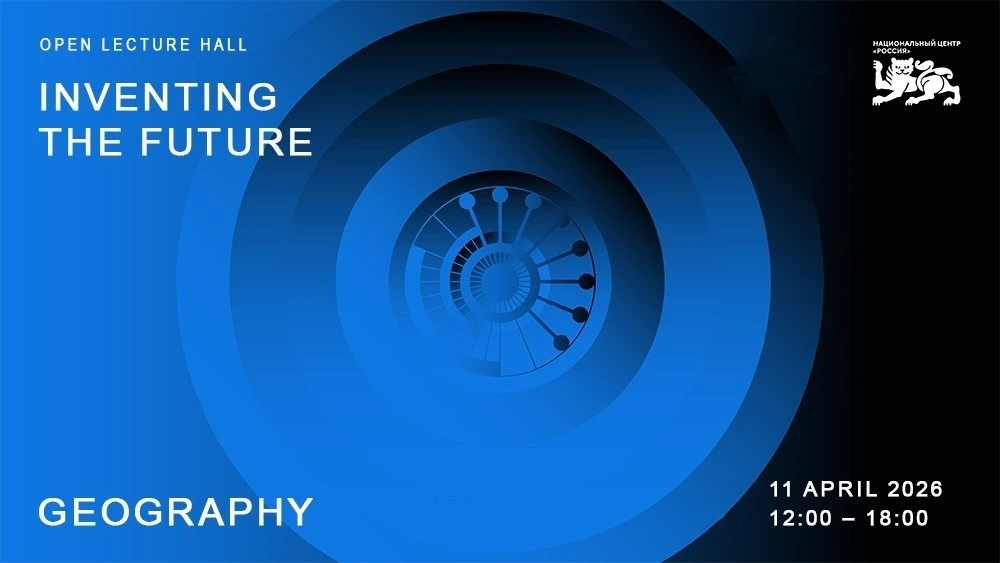
Transporting icebergs across the ocean may sound like the plot of a science fiction film.
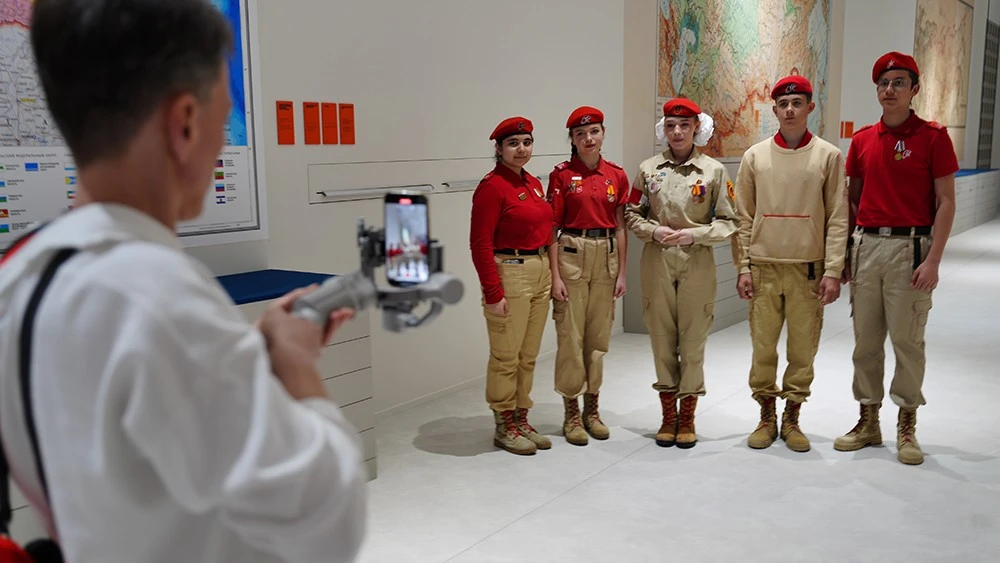
On 4 April, the All-Russian Media Forum YUNKOR brought together YUNARMIYA members from 30 regions of the country at the National Centre RUSSIA.
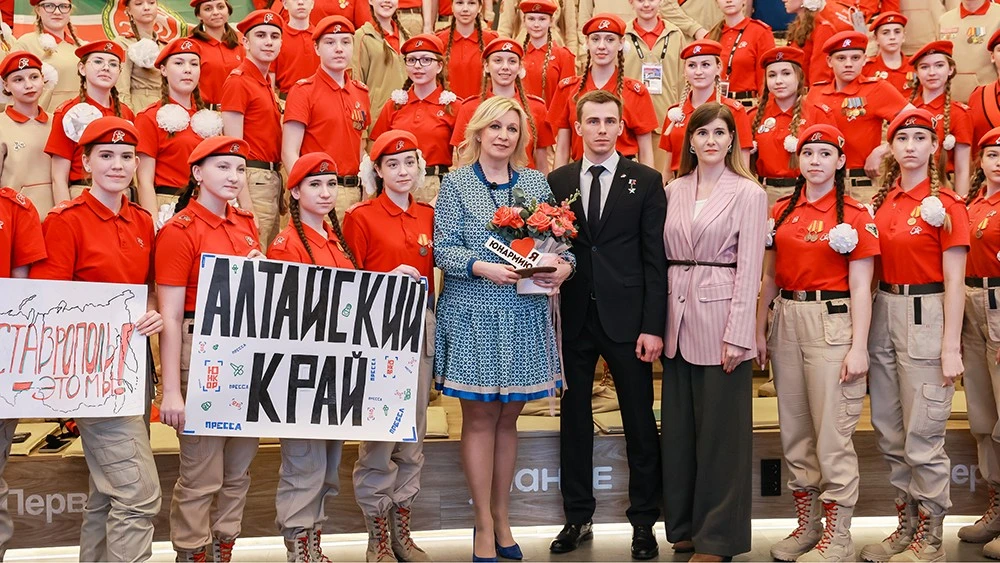
The final day of the All-Russian Media Forum YUNKOR was held on 4 April at the National Centre RUSSIA.


