


Amirrudin Kamsin calls for users to be told how digital recommendations work
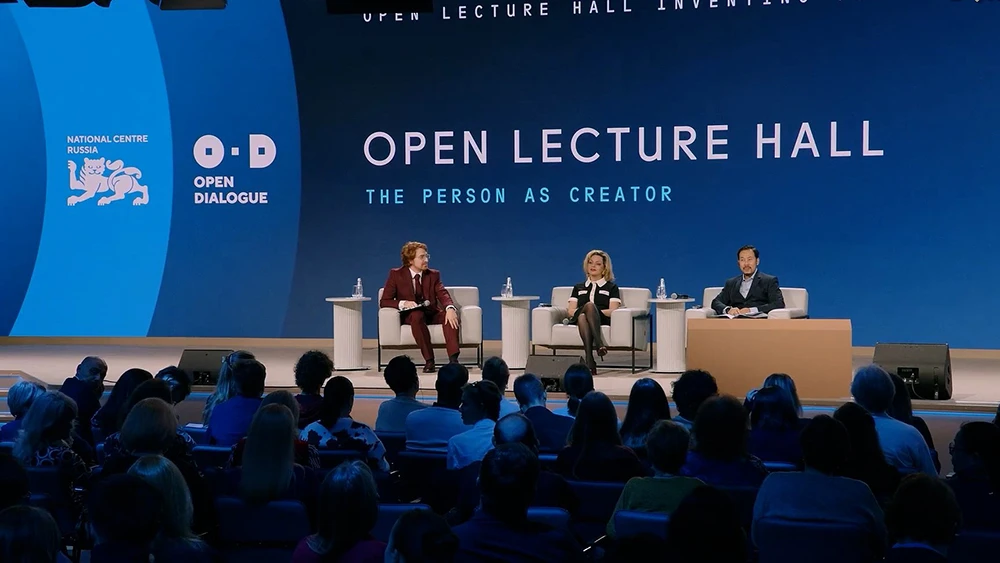
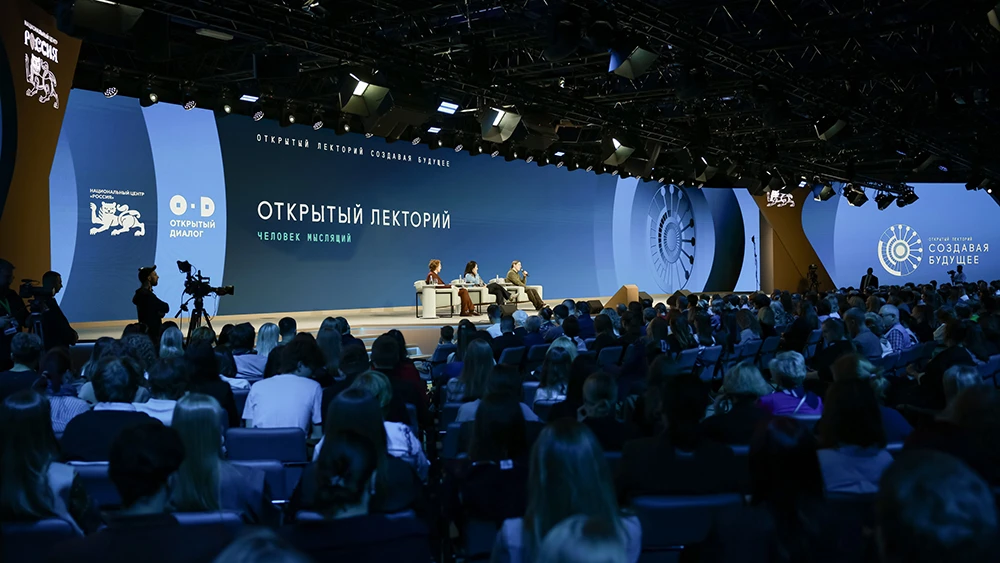
Digital platforms can compete for people's attention while also helping them retain control over it. To achieve this, users need to understand how recommendations work, manage their own content settings and recognise points in the digital stream where they can pause. The Associate Professor and Head of the Department of Computer System and Technology at the University of Malaya, Amirrudin Kamsin, discussed this during the session "The Creative Human" at the Open Lecture Hall "Inventing the Future: Limits of the Human" at the National Centre RUSSIA.
The expert noted that digital services can support education, access to medical information, communication between people from different countries and the development of creative potential. At the same time, he emphasised, developers need to take account of people's limits in terms of cognitive and emotional overload and make it easier for them to understand how recommendations work.
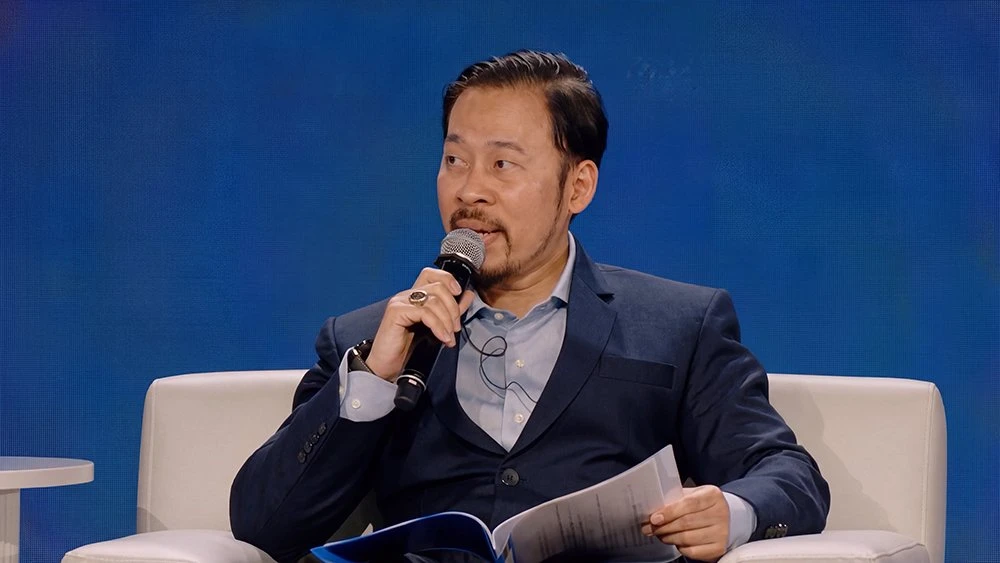
"I cannot say definitively that this is something that harms us. But we still need to pay attention to what technology offers us. Technology is not our enemy. The digital environment gives us access to education and medical information, provides social support and enables communication across geographical and cultural boundaries. Much depends on how we interact with the digital environment: on the context, the business model, the algorithm and the values embedded in the design of a particular system. It is important to establish stopping points so that users can assess their intentions in the digital space, and it is also important to understand why particular content is recommended to a particular user," Amirrudin Kamsin noted.
In the academic's view, the same mechanisms that hold users' attention can be used to support beneficial habits and the learning process. To achieve this, people need access to recommendation settings, and digital products need to take a more responsible approach to managing their audiences' attention.
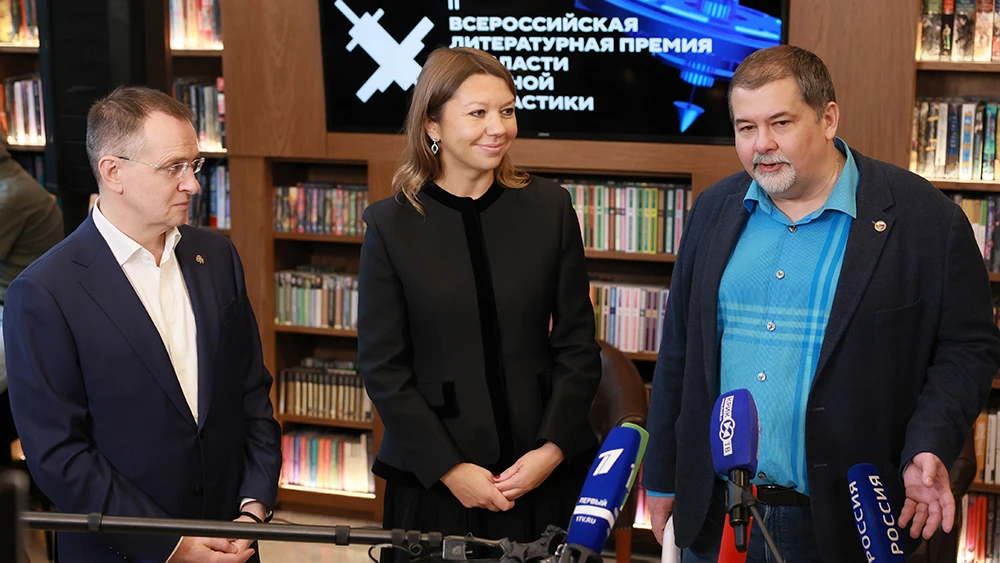
Thirty-nine literary works published in 2025 have been included in the longlist for "Fiction", the main category of the II All-Russian Science Fiction Literary Award.
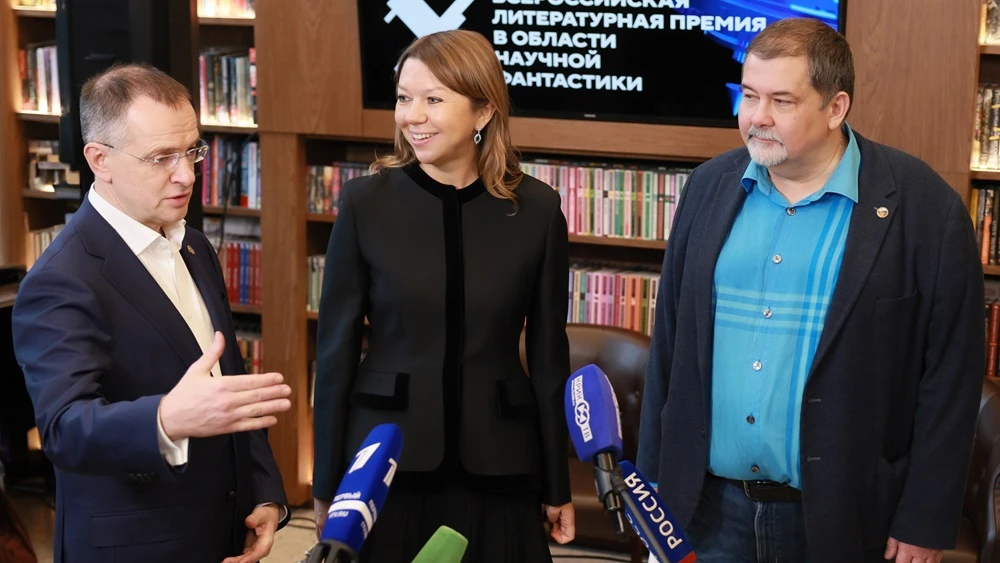
The agreement between the Union of Writers of Russia and the National Centre RUSSIA establishes long-term cooperation aimed at developing Russian literature.
The ability to look at what is happening through another person's eyes, take circumstances into account and change a habitual response is becoming an important resource in a rapidly changing world.


