


Asia is open: strategies for Russian companies to enter Southeast Asian markets discussed at the National Centre RUSSIA
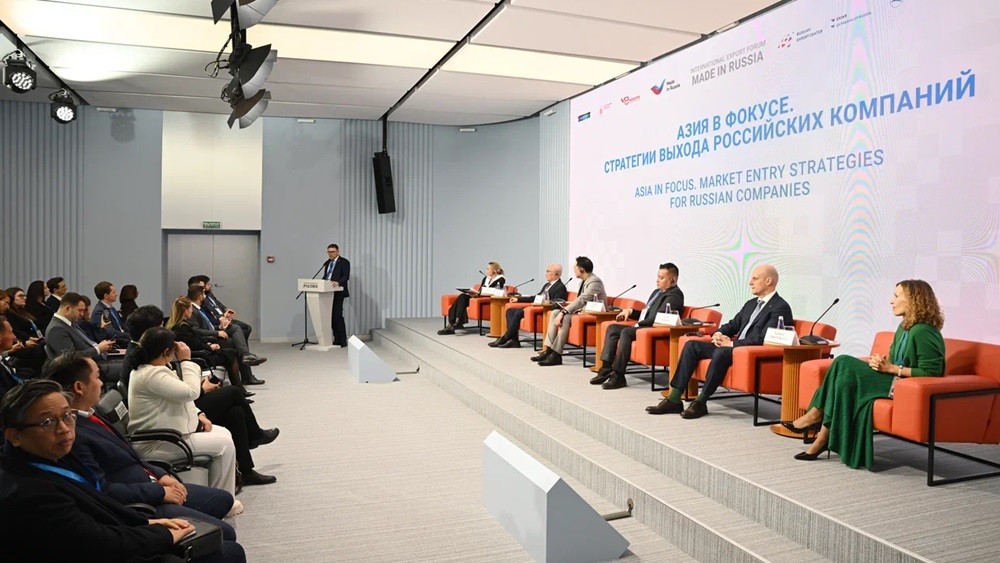
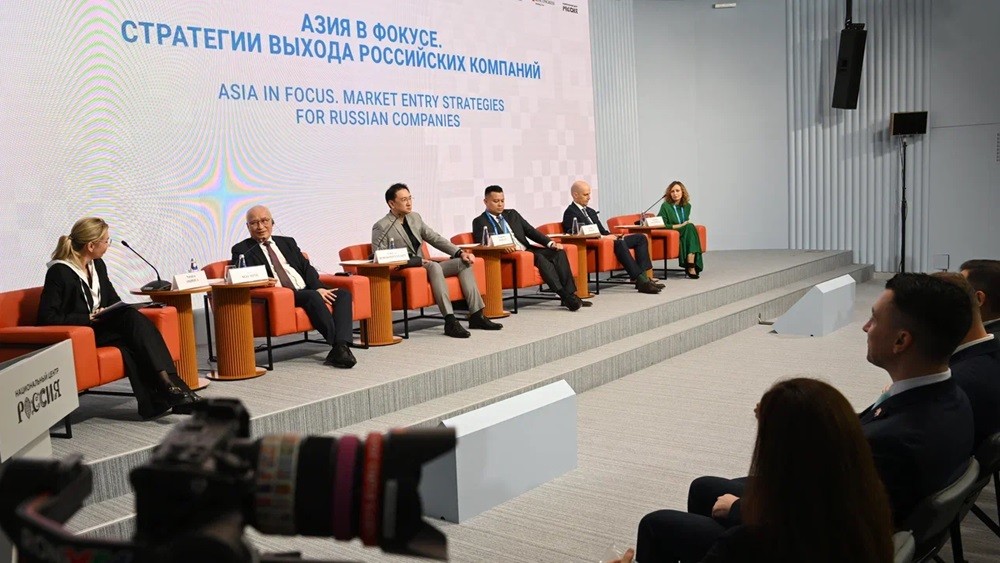
On 21 October, a business dialogue titled "Asia in Focus. Entry Strategies for Russian Companies" was held as part of the "Made in Russia" International Export Forum at the National Centre RUSSIA. The event brought together business representatives from Russia, India, Vietnam, Thailand, and Indonesia. The attendees discussed new opportunities that Russian business has in this fast-growing region, as well as practical steps to develop trade and localize products. The Forum is organized by the Russian Export Centre (REC, VEB Group).
Natalia Osipova, moderator of the session, Director General of the Division at the "ADV — ADV Experience", Russia's leading communications group, President of the Russian Marketing Services Association, noted that the Asian vector is becoming the main direction for development of Russian foreign trade.
"Asian countries demonstrate stable economic growth and high interest in cooperation with Russia. However, the Asian vector is also a challenge for Russian companies, many of which are just gaining experience in these markets. Domestic companies are facing new business practice formats, reconfiguring logistics chains, forming new sales offers, and learning how to use electronic trading platforms abroad," she said.
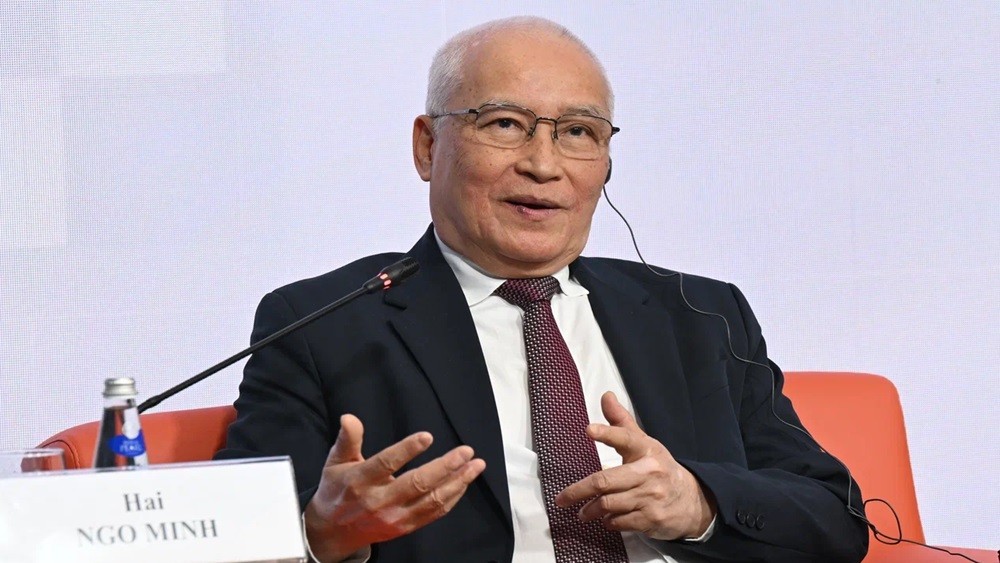
Russia and Vietnam have been developing close trade relations for many years. The agro-industrial complex is a promising area for Russian exports. In particular, Ngo Minh Hai, Chairman of the Board of Directors of TH Group, said that Vietnamese retail chains are interested in cooperating with Russian suppliers of organic products.
"Vietnam is a strategic entry point to Southeast Asia. This is a dynamically developing market where a combination of local presence and marketing activity is important. We help companies adapt packaging, carry out certification, and build relationships with retail and online platforms. Under the “Made in Russia” brand, Russian companies participate in trade shows and are promoted through the Russian national pavilion. This helps businesses not just to present products, but to form long-term relationships with customers and distributors," said Ilya Koltygin, head of the REC Representative Office in Vietnam.
In 2025, the REC opened a representative office in Thailand, another promising country for exporters. Voravut Boribuntanakit, Marketing Director at Import Export Innovance, spoke about the specifics of Thai retail. According to him, Russian cosmetics, food and household goods can successfully compete in Thailand if the packaging and taste characteristics are adapted to the local consumer.
Nikita Derkach, head of the REC Representative Office in Thailand, added that e-commerce is actively developing in the country, and the REC helps Russian companies enter local marketplaces: "The customer values both accessibility and quality, likes to try new things, but requires trust in the brand. Thai chains are increasingly looking for manufacturers who can offer something different from standard Asian suppliers. Russian products — be they snacks, cosmetics, or baby products — are perceived as high-quality and modern. The task for our companies is not just to sell, but to build a brand story, and this can be done through participation in trade shows, collaborations with bloggers, tastings, e-commerce. At the REC, we see how rapidly an interest in Russian products is growing, and we help companies systematically use these opportunities."
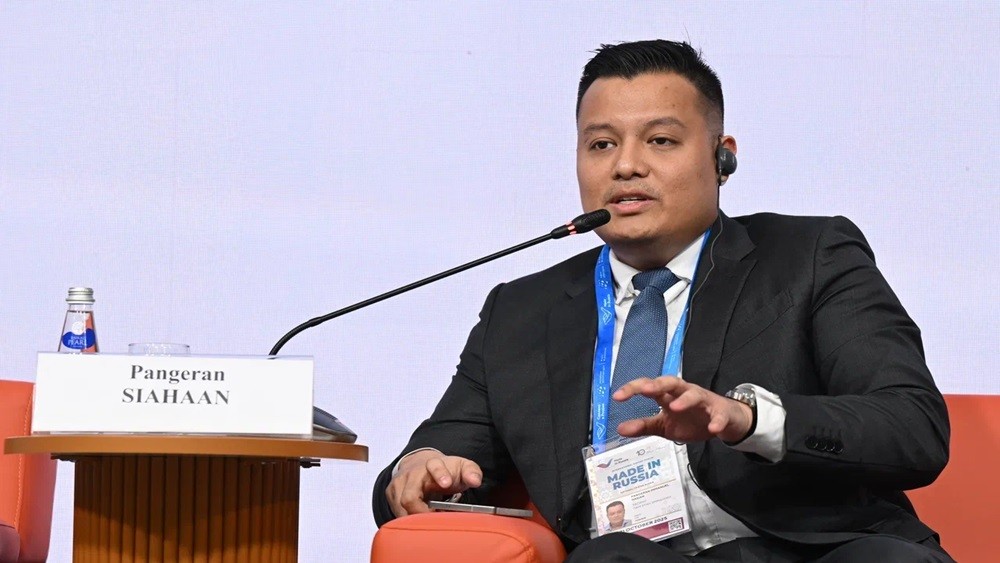
Pangeran Siahaan, Director of Terang Javas Indo Trade, who received the status of ambassador of the "Made in Russia" brand at the Forum, confirmed that Indonesian buyers meet Russian products with high interest. According to him, not only product quality is important for successful work, but also personal trust. Entering the market under a single brand "Made in Russia", which is becoming more and more familiar to Asian buyers and entrepreneurs, helps to solve this problem.
During the session, the entrants discussed cooperation with India, one of the largest emerging markets in the world. It provides many opportunities for Russian business.
Mamed Akhmedov, head of the REC Representative Office in India, stressed that Russian companies are already actively exploring the Indian market, expanding the supply of food, cosmetics, and industrial equipment: "India is open to Russia, but you can't work in a routine manner here. Success is ensured not only by quality and price, but also by attention to detail, cultural context, and trusting relationships. The Russian Export Centre helps companies walk this path, from market analysis and initial negotiations to participation in expos and sales."
He added that the goal is not only to enter the Indian market, but also to gain a foothold there for years to come.
"Since 2021, the FESCO Transport Group has doubled the total capacity of its container fleet to almost 50,000 TEU, which has allowed us to significantly expand the geography and frequency of shipments. Previously, we worked in only two marine basins, but today we are already using four, organizing transportation through all the key ports of the country: Vladivostok, Novorossiysk and St. Petersburg. These systemic changes have helped us to ensure more stable and flexible logistics, adapted, among other things, to the needs of exporters, who in recent years have significantly strengthened Russia's position in foreign markets. As part of this strategy, FESCO is actively developing its presence in Southeast Asia, organizing container shipments not only to Vietnam, but also to Thailand, Malaysia, Indonesia and other countries in the region," said German Maslov, Deputy General Director for the Line Logistics Division of FESCO.
The session showed that the Asian vector remains a key direction for Russian exports. And the representative offices of the REC in India, Indonesia, Vietnam and Thailand continue to provide companies with full support — from consultations and organization of B2B meetings to product promotion under the national brand "Made in Russia".
The "Made in Russia" International Export Forum is the main event of the year for domestic exporters. The Forum is organised by the Russian Export Centre (REC, VEB Group). The partners of the business programme are the Moscow Government and the Moscow Export Centre. The general information partner is TASS. The exclusive information partner is RIA Novosti. Information partners: Channel One, Russia24, MAER media holding, Vedomosti, Expert.Media", "Gazprom-Media Holding", "Insight People". The Roscongress Foundation is the operator of the Forum's business programme.
The Russian Export Centre (REC, VEB Group) is a government institution that supports non-primary non-energy exports. It provides companies from various industries with both financial and non-financial assistance at all stages of entering international markets, by itself and within the framework of the national project "International Cooperation and Export". Most of the services offered by the REC Group are available online on the state digital platform "My Export". The REC is also majorly responsible for ensuring and implementing the "Made in Russia" programme.
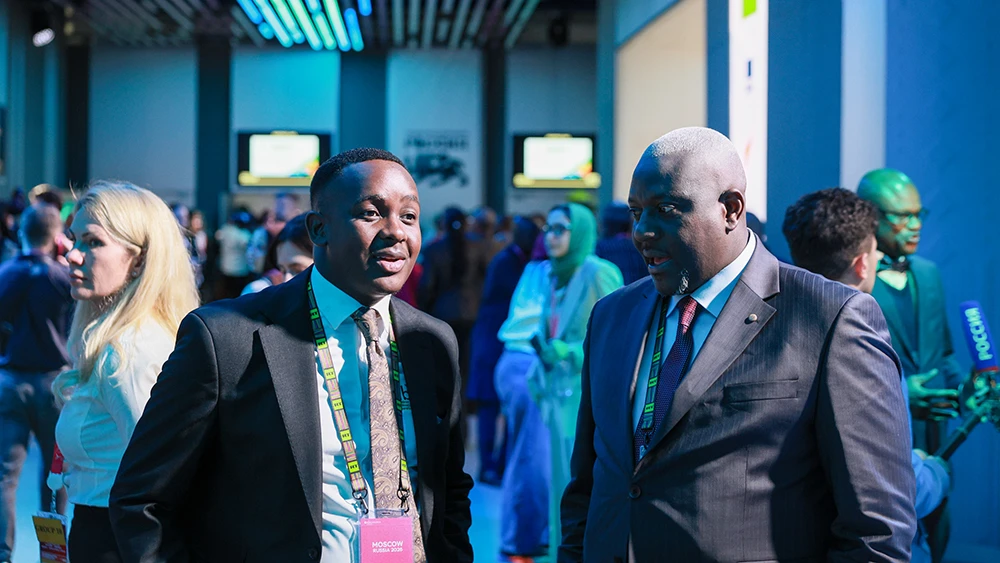
International guests spoke warmly of the National Centre RUSSIA, which served as a shared venue for the International Press Centre for the two summits and the Russia–Africa Media Forum.
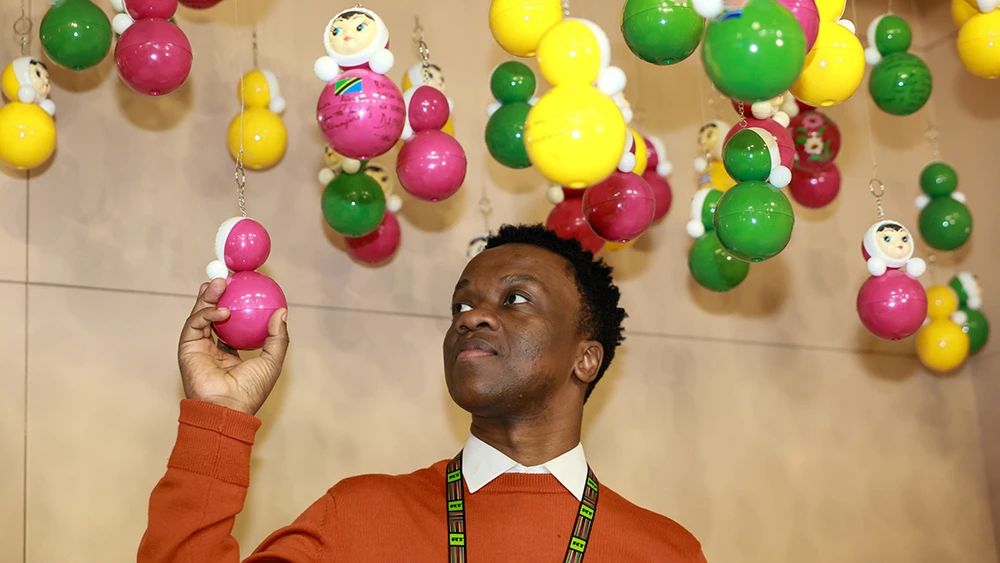
The nevalyashka doll is one of the most recognisable symbols of the National Centre RUSSIA.
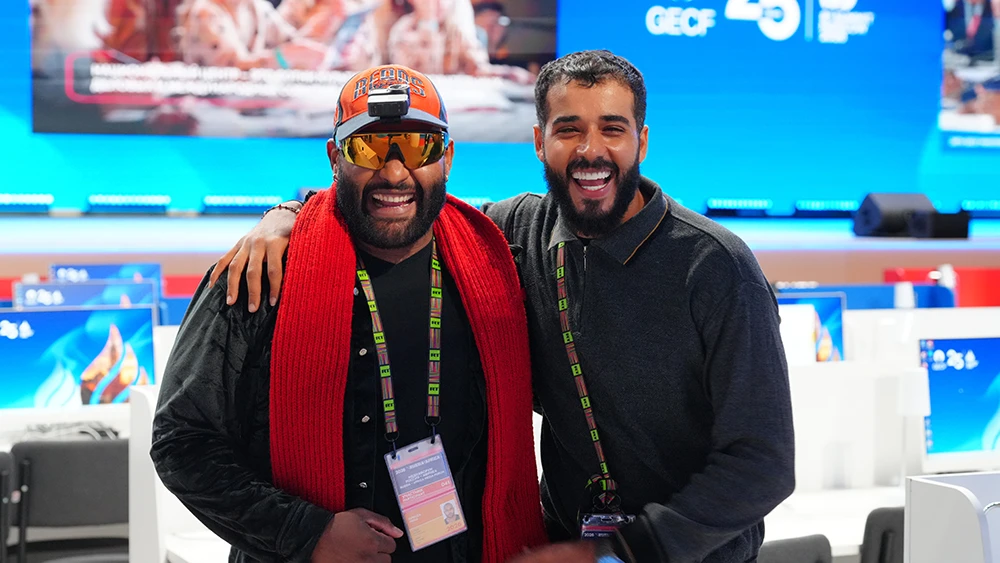
Foreign journalists and bloggers from Africa who visited the National Centre RUSSIA for the first time were impressed by the venue's beauty, scale and atmosphere


