

Beethoven and Tchaikovsky as a symbol of friendship between Russia and Austria: "Voice of Music" takes to the stage at the National Centre
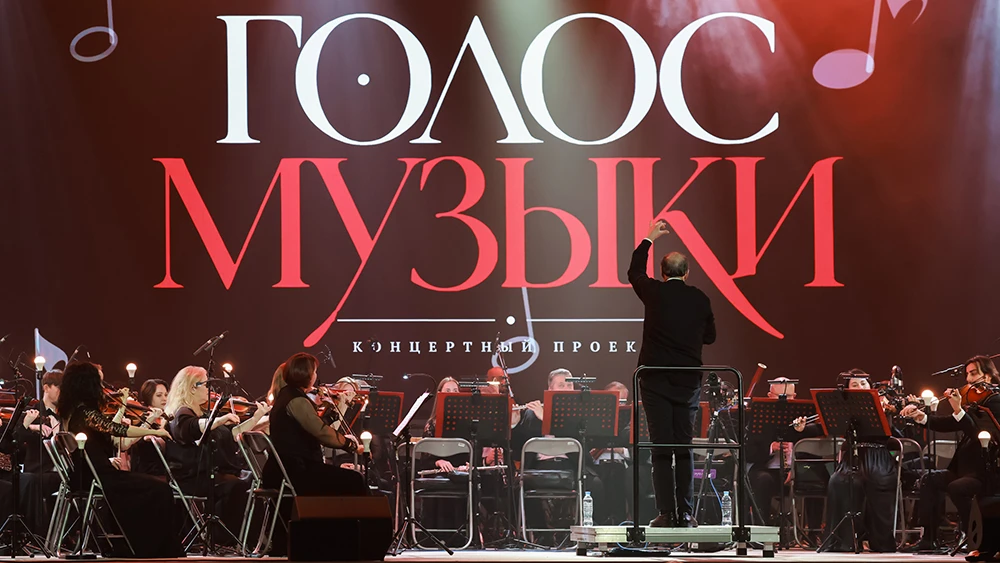
Building professional ties, sharing experience in musical performance and preserving shared traditions of classical music even amid difficult circumstances around the world. The showcase concert of the international music education project "Voice of Music. Academy of Young Conductors" marked an important step in supporting international cultural and people-to-people cooperation. It also showed what Russian and international musicians had achieved by working together to train a new generation of conductors. The event was held on 21 November at the National Centre RUSSIA.
The Aide to the President of the Russian Federation and Co-Chair of the Russian-Austrian Public Forum "Sochi Dialogue", Andrei Fursenko, welcomed the participants and guests.
"Supporting this project is particularly important to the Russian-Austrian Public Forum 'Sochi Dialogue'. One of the Forum's main aims has always been to maintain and develop direct ties between people and professional communities in Russia and Austria. Culture, of course, has a special place in this work. Our countries have a long history of musical cooperation, shared traditions and an outstanding cultural legacy. It is equally important for new generations of musicians to carry on these traditions. That is precisely the opportunity the 'Academy of Young Conductors' offers. Today, the project brings together talented young musicians, recognised masters and professional musical ensembles. What makes it particularly valuable is that, alongside concert performances, it gives people the opportunity to pass on their knowledge, explore ideas creatively and work together. With guidance from experienced mentors from different countries, participants can work with a professional symphony orchestra, learn different performance traditions and develop their skills," Andrei Fursenko said.
He also highlighted the project's wider significance. Conducting requires a deep knowledge of music as well as the ability to listen to others and bring different voices together to achieve a common result. The Aide to the President of the Russian Federation said these are the principles on which genuine dialogue between people and cultures is built.
"There is no greater language than creativity. And tonight at the National Centre RUSSIA, we have an evening of great music. I thank Vasily Valitov, conductor of the Yaroslavl Academic Governor's Symphony Orchestra, and the Austrian maestro Wolfgang Scheidt for the emotions they stirred and for their artistry," said the Director General of the National Centre RUSSIA, Natalia Virtuozova.
Austrian and Russian musical traditions are linked by more than concert exchanges. The people and lives they share go back much further. The Deputy Minister of Science and Higher Education of the Russian Federation, Konstantin Mogilevsky, highlighted how personal relationships and support helped shape cultural ties between the two countries.
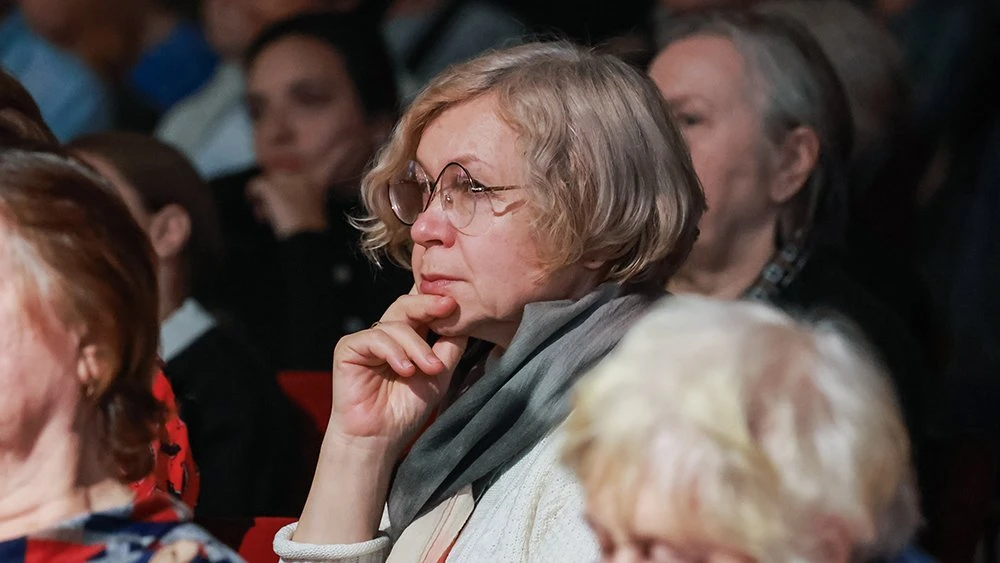
"Russia and Austria have centuries of cultural exchange and mutual influence behind them. Even the lives of the composers whose works will be performed today, Beethoven in particular, show just how close those ties are. Of course, our cultures, including our musical cultures, have interacted and enriched one another for centuries. That enrichment, incidentally, was sometimes material as well as spiritual. We know that one of Ludwig van Beethoven's friends, a very close friend and indeed a patron, was the Russian ambassador Andrei Razumovsky. Beethoven's Fifth Symphony was dedicated to Razumovsky, among others. And, of course, musical cooperation has always gone beyond concert exchanges. It extends to music education, too. That tradition continues today," the Deputy Minister added.
The Director of the Russian-Austrian Public Forum "Sochi Dialogue", Maria Matveyeva, opened the formal part of the evening: "Cultural diplomacy is an important part of our Forum's work and development. We thank our partners — the National Centre RUSSIA, the Embassy of the Russian Federation in Austria, the Friendship Society with Austria and the Peace Foundation — for taking the initiative to hold an event like this."
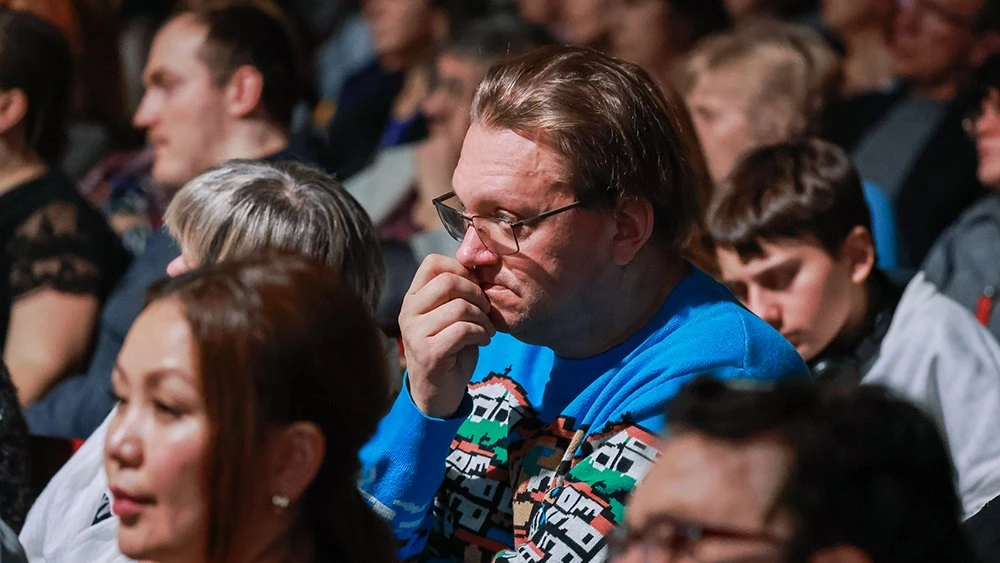
The international project "Voice of Music. Academy of Young Conductors" is a unique educational initiative that supports talented young musicians and strengthens international professional dialogue. Launched at the initiative of the Chief Conductor of the Yaroslavl Symphony Orchestra, Vasily Valitov, the project has been based at the Yaroslavl State Philharmonic since 2024, with the participation of the Yaroslavl Academic Governor's Symphony Orchestra. The conductor said he came up with the idea after taking part in a workshop in Vienna led by Wolfgang Scheidt, a representative of the Viennese performance tradition with many years of experience working with leading European orchestras.
"We met during the selection process for a workshop Wolfgang Scheidt was running in Vienna. I was fortunate enough to take part. Later came the idea of giving young people in Russia a chance to get to know this great conductor. What sets Wolfgang Scheidt apart from many other conductors is his approach to teaching. He offers suggestions rather than teaching in the traditional sense. The explanation is simple: he shares his own feeling for the music. There are no hard and fast rules about what is good or bad. When the music flows of its own accord, when you realise that this is the shortest route to the listener's heart, perhaps that's what guides your choice," Vasily Valitov explained.
The renowned Austrian conductor Wolfgang Scheidt has become a key figure at the Academy. His involvement gives young musicians the opportunity to learn how to interpret the works of the Viennese masters, especially Ludwig van Beethoven, and to become familiar with European conducting traditions.
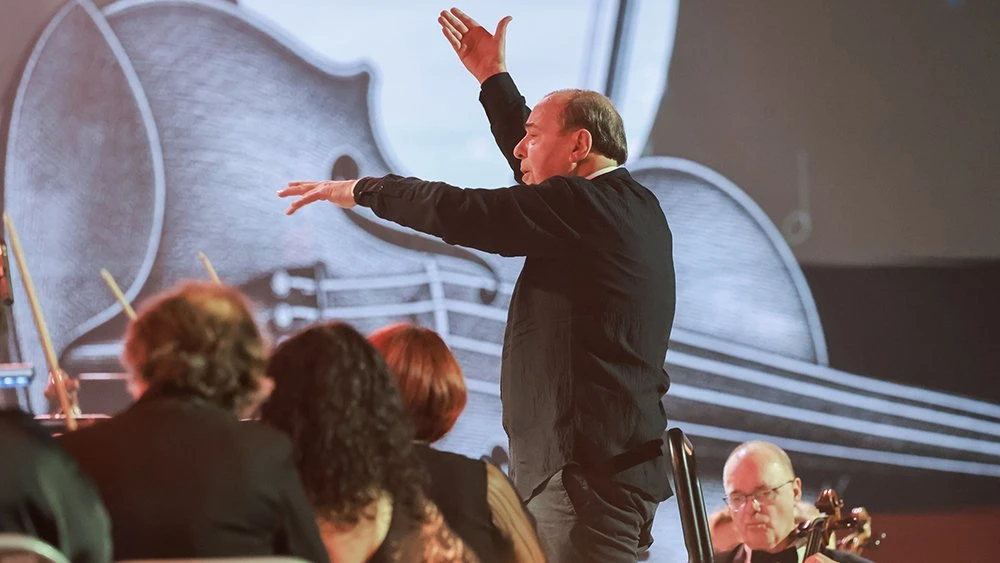
"I'm incredibly impressed by the standard of the young conductors. Some of them are truly outstanding musicians. Bravo, bravo! The standard really is very high. And I wouldn't draw a distinction between the Russian and Austrian schools. We're all doing the same thing — making music. That's the main thing that brings us together. Of course, my job is to pass on what I know to young musicians and share my ideas about style and interpretation. I get enormous pleasure from it. I turned 79 today, and it's an incredible joy to be able to pass on my many years of experience to the younger generation. You have incredible ability and talent," Wolfgang Scheidt said.
The educational programme includes workshops led by leading conductors, practical sessions with a professional symphony orchestra and concert performances. The Russian-Austrian Public Forum "Sochi Dialogue" plays a special role in the project's development by helping to maintain and strengthen professional and people-to-people ties between the two countries.
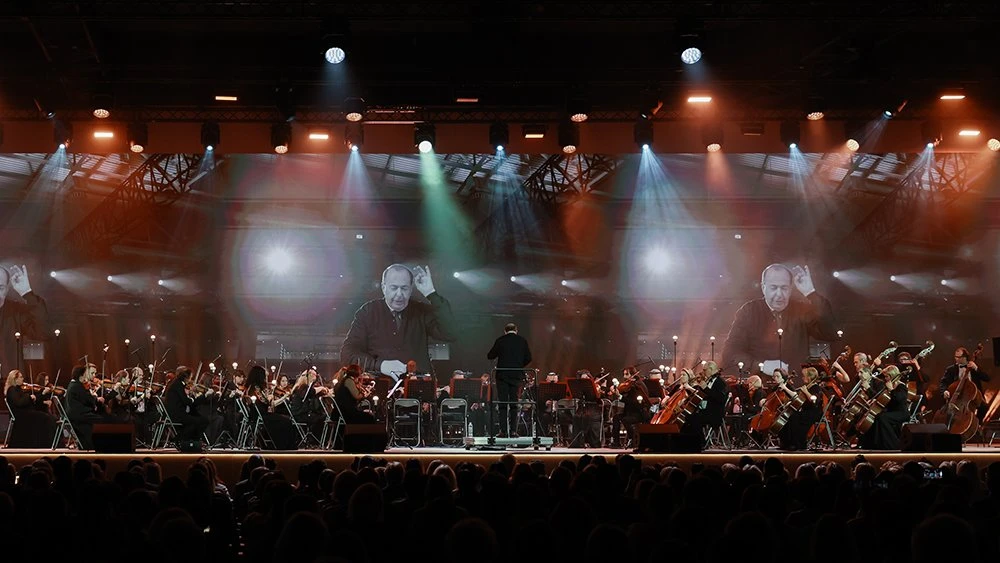
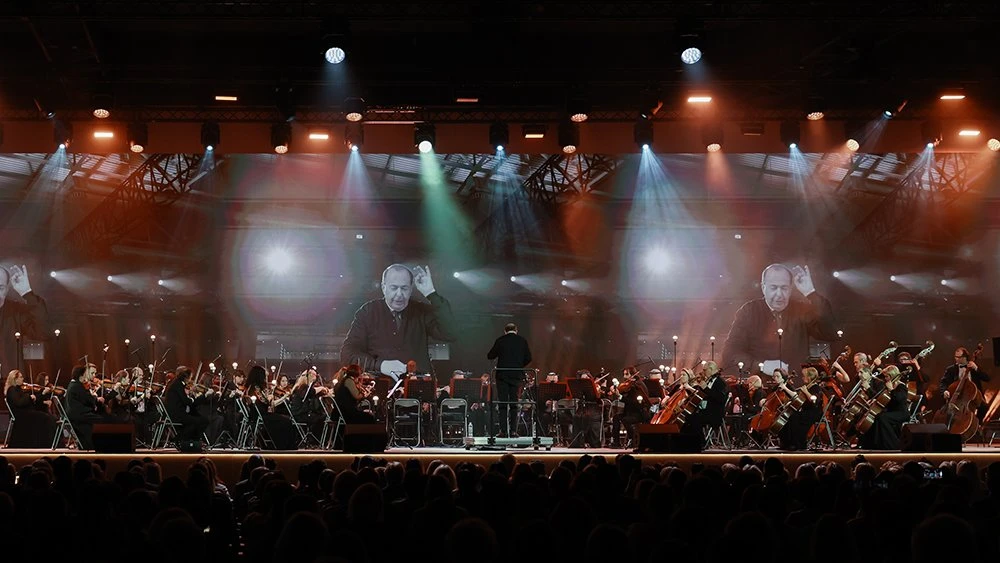
The showcase concert in Moscow was one of the project's main events and a symbol of the musical dialogue between Russia and Austria. Austrian maestro Wolfgang Scheidt and Russian conductor Vasily Valitov took turns on the podium at the National Centre RUSSIA.
Under Wolfgang Scheidt, the orchestra performed Ludwig van Beethoven's "Coriolan" overture and Symphony No. 5. The Russian musical tradition was represented by Pyotr Ilyich Tchaikovsky's Symphony No. 5, conducted by Vasily Valitov.
The "Voice of Music. Academy of Young Conductors" project will continue. New training sessions are planned for 2027 with visiting mentors from Austria and Turkey. The programme will culminate in an international contest for young conductors, which will conclude with gala concerts at the Yaroslavl Philharmonic and in the Grand Hall of the Moscow State Tchaikovsky Conservatory.
The event was organised by the Russian-Austrian Public Forum "Sochi Dialogue" and the National Centre RUSSIA, with support from the Friendship Society with Austria and with the participation of the Yaroslavl Academic Governor's Symphony Orchestra.