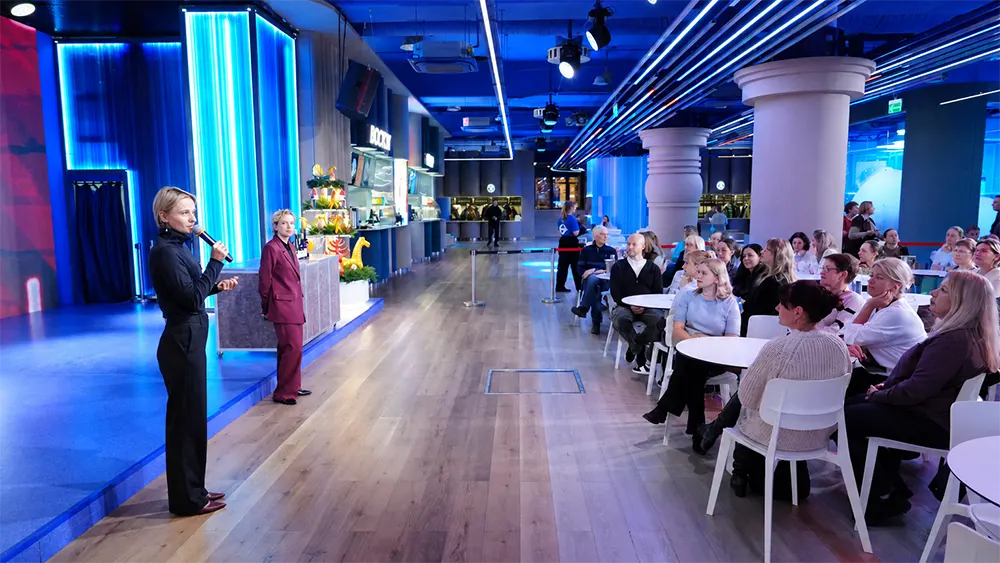


TV presenter Dmitry Borisov shares the secrets of his profession at the first class of the new Young Journalists School season
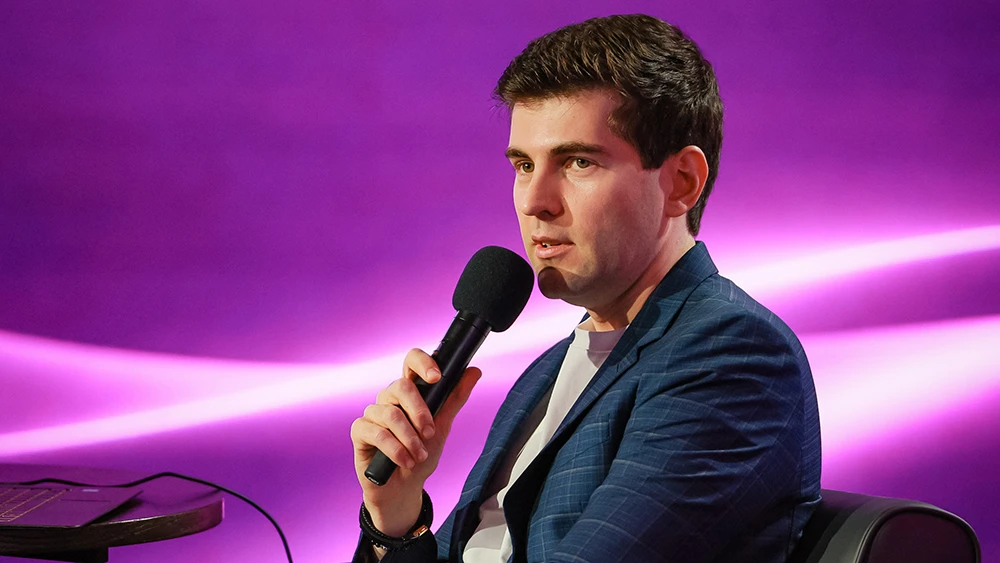
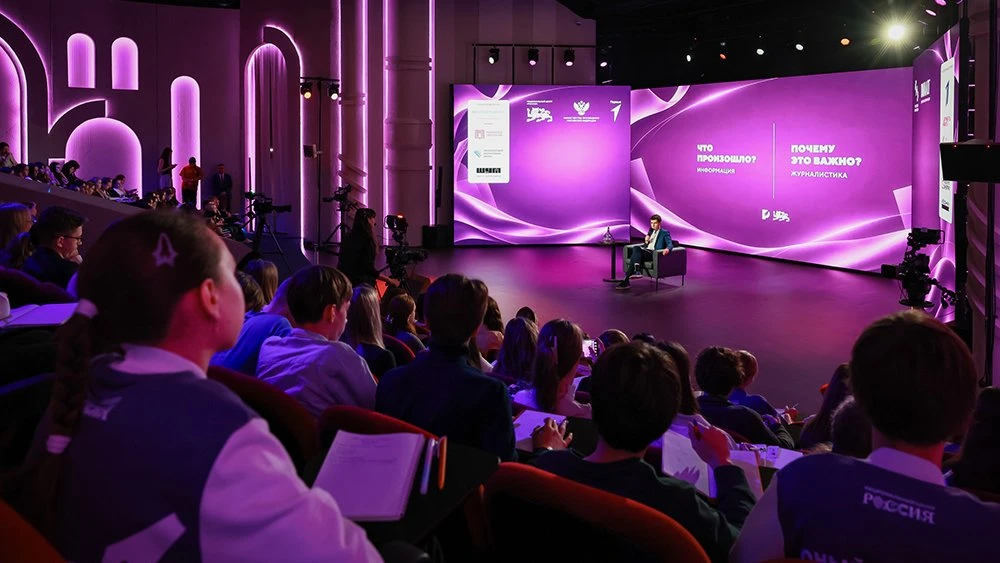
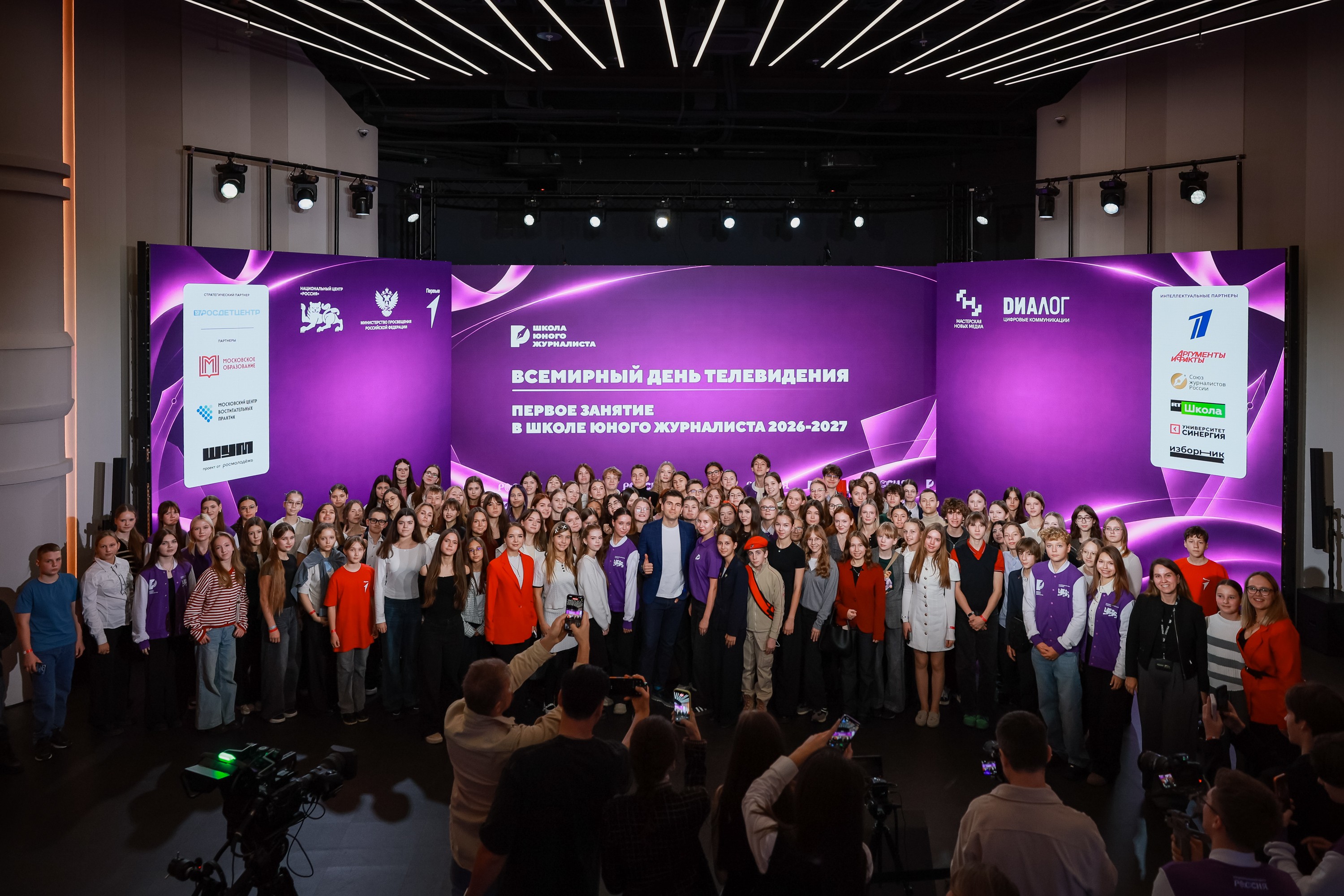
The first class of the second season of the original "Young Journalists School" project was held on 21 November at the National Centre RUSSIA. The master meeting for the students was led by Dmitry Borisov, a journalist, TV presenter and General Producer of "Channel One Russia Worldwide". He shared his experience of getting started in the profession and explained what goes into a journalist's work today. The class marked World Television Day, so it was particularly fitting that the discussion began with the origins of television and the lives of its pioneers.
Dmitry Borisov recalled that electronic television owed much to three people: its founding pioneer Boris Rosing, the engineer and inventor Vladimir Zworykin, and Mark Krivosheyev, a driving force behind global television broadcasting standards. The renowned journalist then turned to a topic closer to his young audience: what makes the media industry distinctive and how to take the first steps in journalism.
"Your youth is an advantage, and you should make the most of it. I started out very early: I was already working in radio at 16. And the most important lesson I learnt early on was this: if you want something badly enough and imagine that you can already do it, it will work out," Dmitry Borisov said.
The guest identified curiosity and an eye for new things as the most important qualities in a journalist. He also said that education and broadening one's horizons were indispensable in the profession: for someone working in the media, gaining new knowledge is not "filling your head with rubbish" but a professional necessity that requires keeping up with a constant flow of information.
"A good fitter might only need to finish college, because in trades like that you gain experience by working 'with your hands'. For a journalist, though, a university education matters. I studied at the Faculty of History and Philology at the Russian State University for the Humanities while I was working, then went on to postgraduate study. It may seem that you don't need to spend years on that today, when you can pick up your phone, download an app and complete a course in three lessons. But that won't make you a real professional. A journalist has to understand the subject. You can have a great eye behind the camera and still fail to understand what's happening in front of the lens. You can speak beautifully and still be unable to explain what it all means. History teaches you to see the causes and consequences of events, literature helps you understand people's characters and what motivates their actions, and philology gives you a feel for language and teaches you to express your thoughts precisely," he explained.
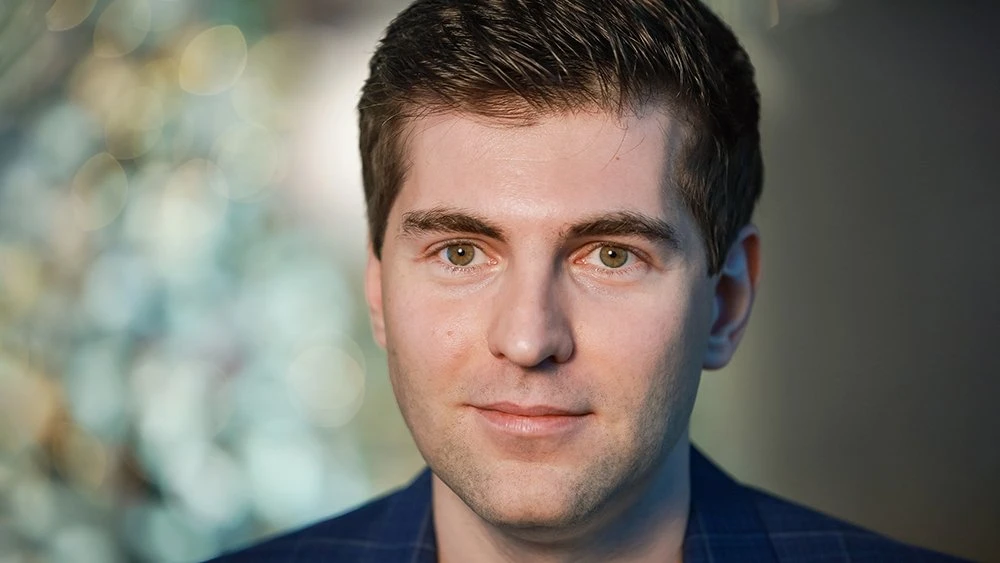
Dmitry Borisov also addressed the central question for any aspiring journalist: why go into the profession in the first place? He said journalism's mission goes far beyond conveying information: it helps people and society understand themselves and gives people a chance to be heard.
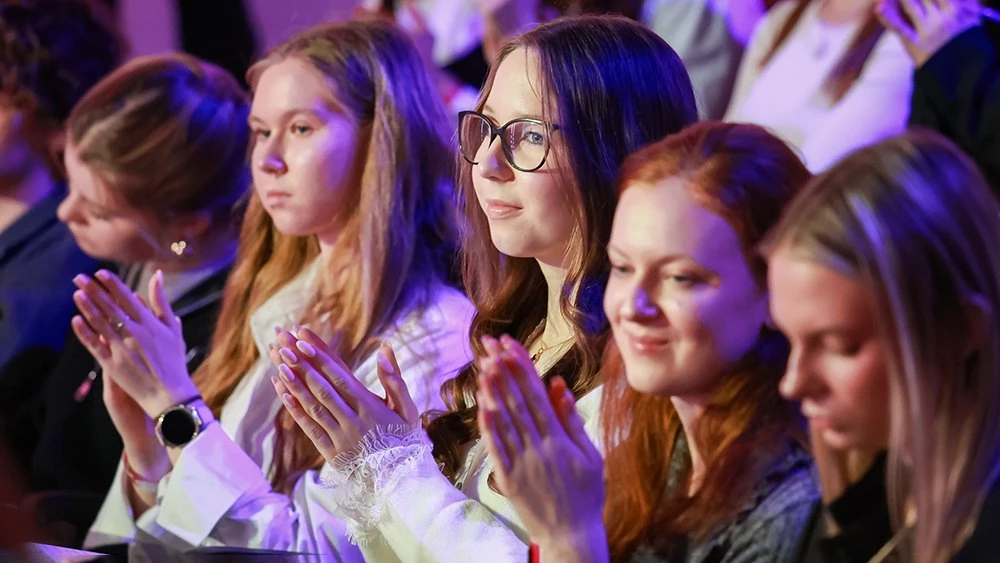
"A journalist's mission is to serve their country, help people see the bigger picture through individual stories, report on events that really matter, draw attention to people whose actions deserve public notice, and talk about achievements in science, culture, education and sport. Journalism helps people and society understand themselves, see what matters to the country, what challenges society faces, what has already been achieved and what still needs work. And one point is crucial: serving your country doesn't mean a journalist should only talk about good things. A journalist should do something that genuinely matters to people and draw attention to problems that need solving, rather than make their work look important. Ethics are vital here, as is taking responsibility for the consequences a journalist's words can have," Dmitry Borisov stressed.

To conclude, the guest set out seven key rules for journalists: stay curious about the world, verify information, respect people, speak clearly, safeguard trust, have the courage to get started and always remember why you do your work.
"You've already taken the first step, and I really want you to think carefully about how you use all the opportunities available today. Remember that you can learn anything if you take an interest, read, observe, ask questions, check what you find and tell others about it. And never forget: what matters is how many people hear you, but also who they become and what they come to understand because of you," Dmitry Borisov concluded.
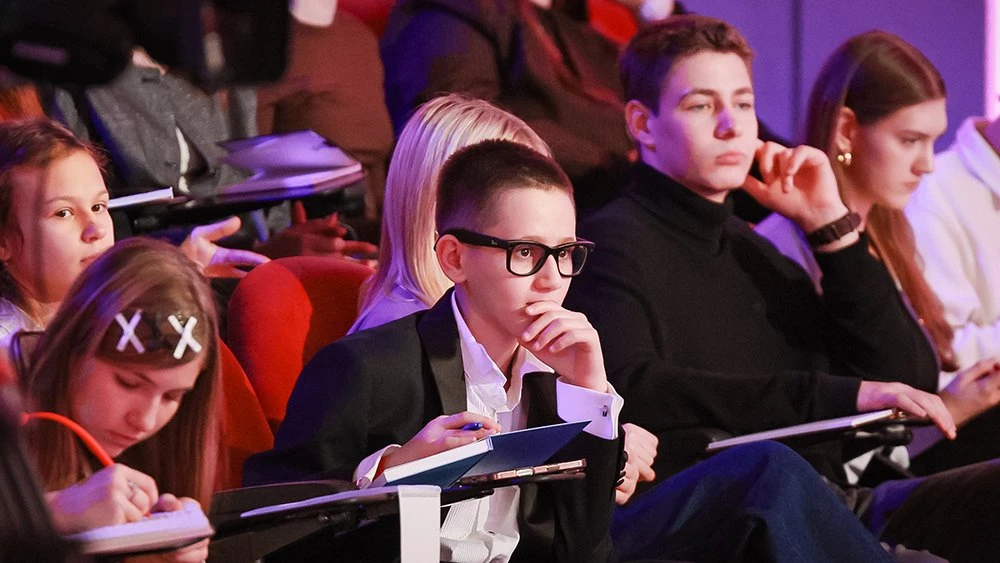
The Young Journalists School aims to find and nurture the voices of a new generation — courageous, honest and talented young journalists with a command of language who will shape Russia's public discourse and media agenda in the years ahead. The National Centre RUSSIA runs this unique project in several formats in partnership with the Ministry of Education of the Russian Federation and the Movement of the First. The programme's strategic partner is the Russian Children and Youth Centre.
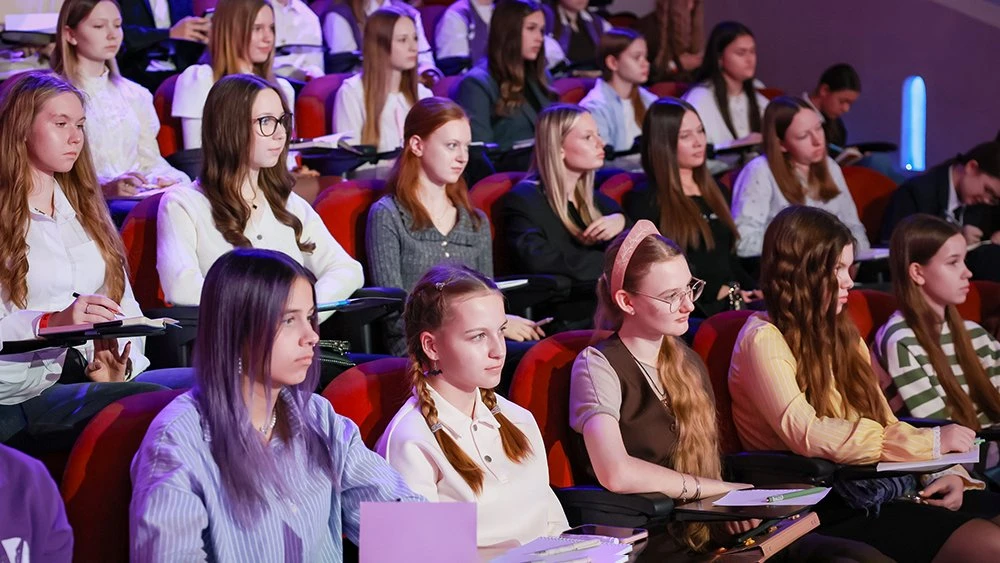
More than 400 young people from Moscow and the Moscow Region, the National Centre's branches and regions across the country have joined the second season of the School and will spend several months learning the profession, from the fundamentals of writing and journalistic genres to working with multimedia content and gaining practical experience in a real media environment. Another 133 aspiring media professionals from 56 Russian regions were selected for a unique online module.
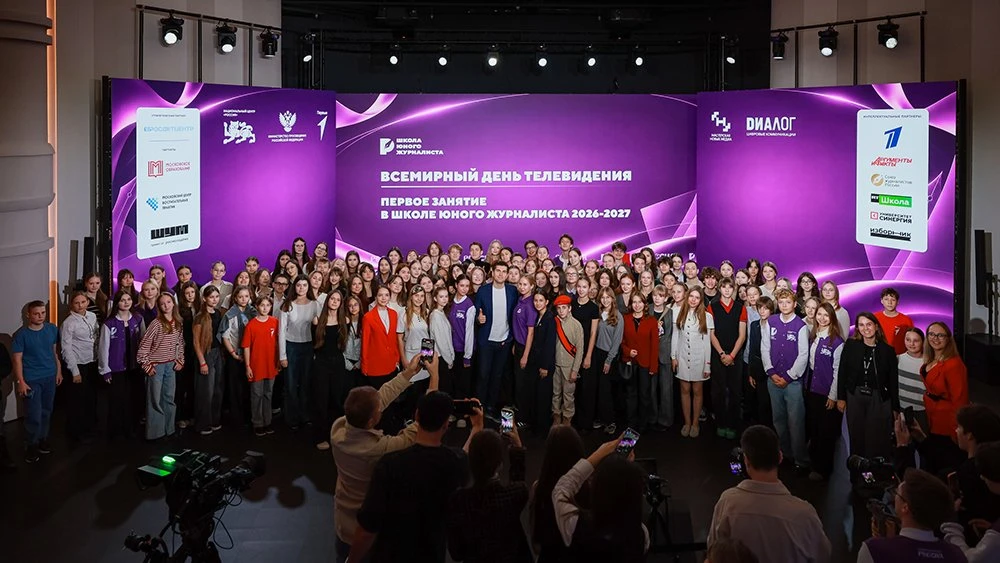
Graduates can look forward to an equally interesting and busy time after completing their training: they remain part of the National Centre RUSSIA team, take part in its projects and help develop the School.
Event photobank

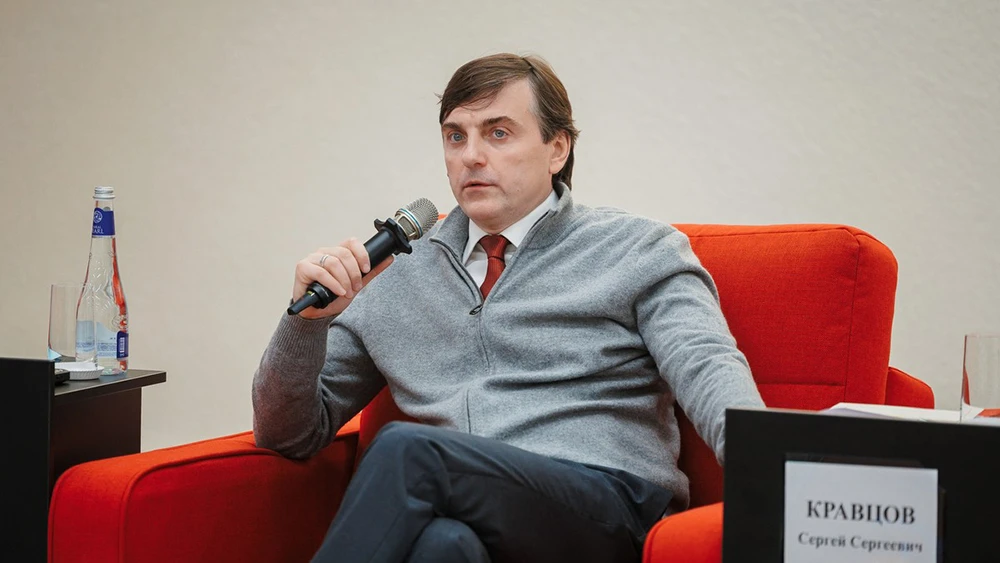
On 20 November, the Minister of Education of the Russian Federation, Sergei Kravtsov, and the Governor of the Ryazan Region, Pavel Malkov, met with representatives of the regional parents' committee.