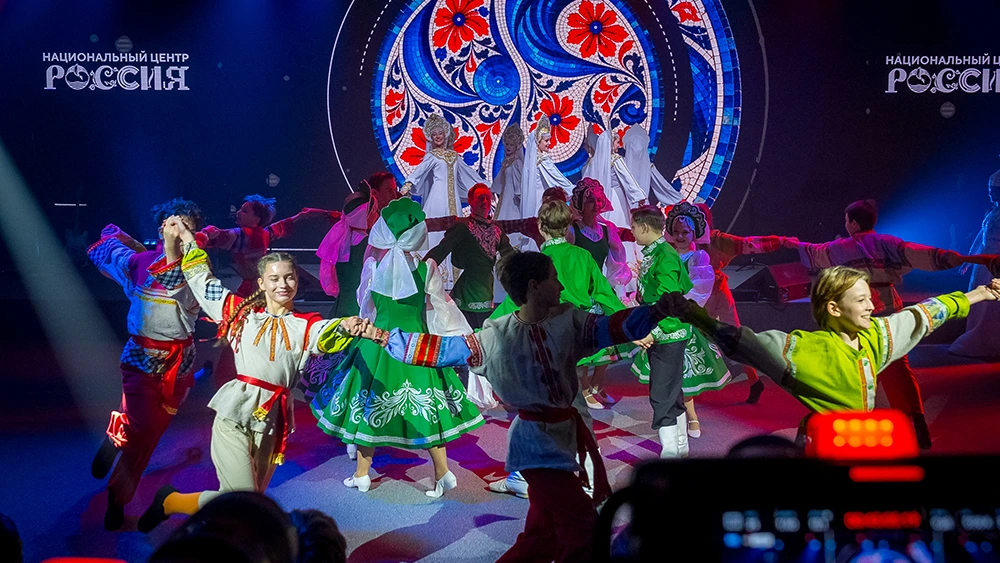


Greater Eurasia begins with people: a meeting in the "Motherland Is Service" series was held at the National Centre RUSSIA
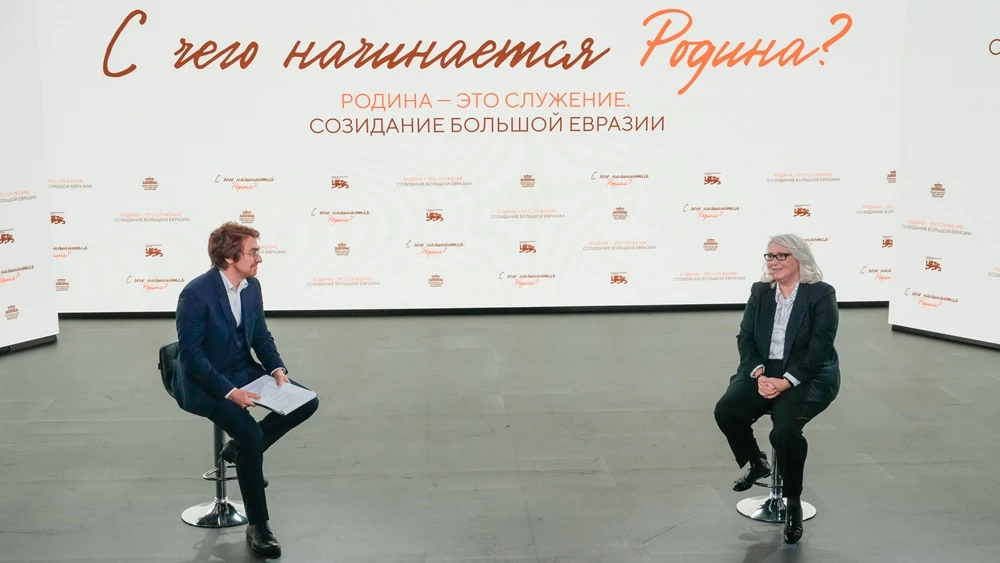
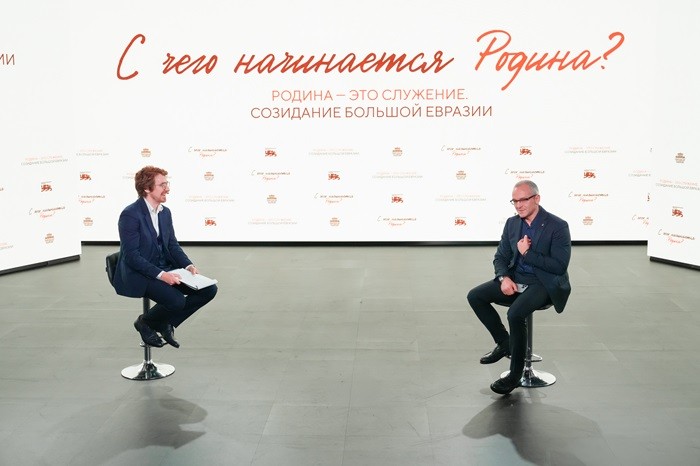
Behind large-scale integration projects are people who make decisions, create rules and shape the future every day. Experts discussed how to find one's place in major international initiatives on 5 November at the National Centre RUSSIA. The meeting, titled "Building Greater Eurasia", was part of the "Motherland Is Service" series and was held within the All-Russian project "What Does the Motherland Begin With?".
Fyodor Lukyanov, Editor-in-Chief of "Russia in Global Affairs" and Research Director of the Valdai Discussion Club, discussed our country's place in a changing world. He recalled how his career in journalism began, how the Valdai Club was established and the objectives set for it in its early years. He also shared his views on how young people can navigate the flood of generated content and learn to distinguish professional analysis from quick answers.
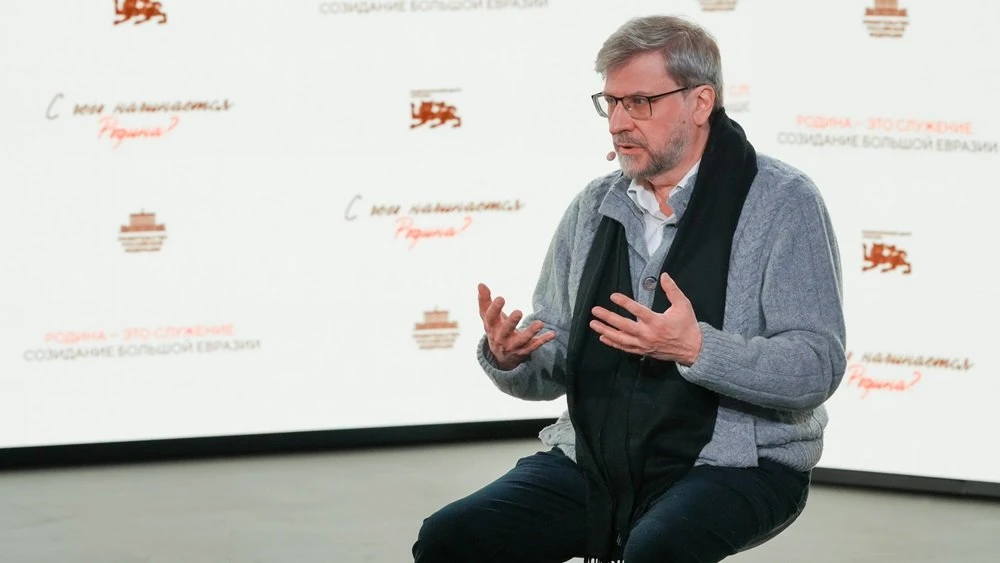
"I have changed direction many times within this profession. I started in journalism, in the broad sense, but have done many different things since then. I no longer work as a day-to-day reporter, but the field remains exceptionally broad and interesting to me. I always tell my students and the young colleagues I meet that, as citizens, we may find it difficult to live through an era of radical change, because we want stability and predictability. But as international relations specialists, this is a gift, a gold mine. Not every generation gets to witness, in real time, events that will later be described in textbooks," noted Fyodor Lukyanov.

Fyodor Lukyanov also addressed mentorship. He said that people can and should keep learning throughout their lives, with different people becoming mentors at different stages: "At any age, even later in life, there are always people we can and should learn from. I have been fortunate. From childhood, there was someone close to me who worked in propaganda, at a very serious level. I had been hearing the names of African presidents since I was five. Later, I worked with some highly influential editors-in-chief at several newspapers. Then I found a mentor who remains my mentor to this day — Sergei Alexandrovich Karaganov. He invited me to establish the journal I still edit. Yes, mentorship takes different forms, but it remains important throughout life. A mentor does not necessarily have to be older than you. They may be younger or work in another field, but you realise you can learn something from them. In that sense, someone of any age can become a mentor if they have skills and expertise that could be useful to you."
Fyodor Lukyanov also shared his thoughts on choosing a career. He believes that people should enjoy what they do and can and should seek their calling without fearing change. In today's world, further study and career changes have become normal.

"In my view, you should never stay in a job you dislike. If it brings you no joy, you should leave. It is a pointless waste of the one life we have, which is not particularly long. You should love your work. If you do not find it straight away, you need to keep looking and not be afraid to do so. Especially now that lifelong learning has become the norm. It used to be different, but that is how things are today. You can work for a while and realise it is not for you, or, conversely, want to explore it more deeply. That is where retraining and further study can help," noted Fyodor Lukyanov.
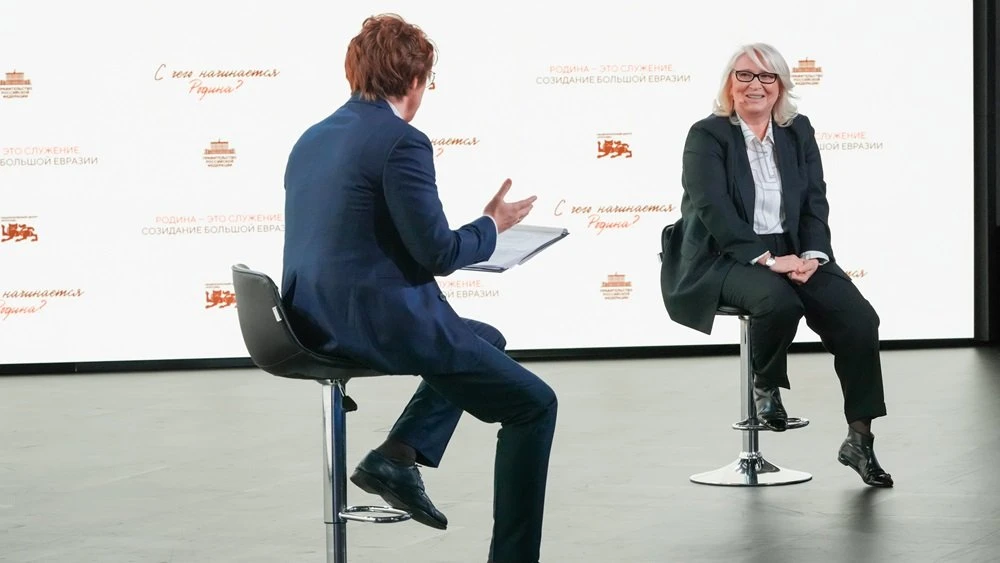
Liliya Shchur-Trukhanovich, Director of the Legal Department of the Eurasian Economic Commission and a Judge of the Economic Court of the Commonwealth of Independent States, described how she chose her profession and progressed from drafting legal acts to applying them in court. Mentors played a major role in her career.
"My mentors have been all my managers. I was fortunate with them because they did more than give instructions and assignments. They explained why we needed to do things a certain way. It is an extraordinary, truly extraordinary gift to explain to a subordinate, an employee, why something needs to be done in a particular way and why it matters," explained Liliya Shchur-Trukhanovich.
For her, service means creating rules after personally considering the opportunities, rights and risks of everyone they affect: "When you understand the person you are writing laws for, can put yourself in their position, use your imagination and anticipate the consequences, you will produce a good law. You need to imagine yourself as a Kazakh customs officer and a Belarusian importer at the same time. When you consider laws from these personal perspectives, that is where service begins. This broad, shared sense of human justice should be present in every decision. If your laws and regulations leave people with that feeling, you are serving in the right way."
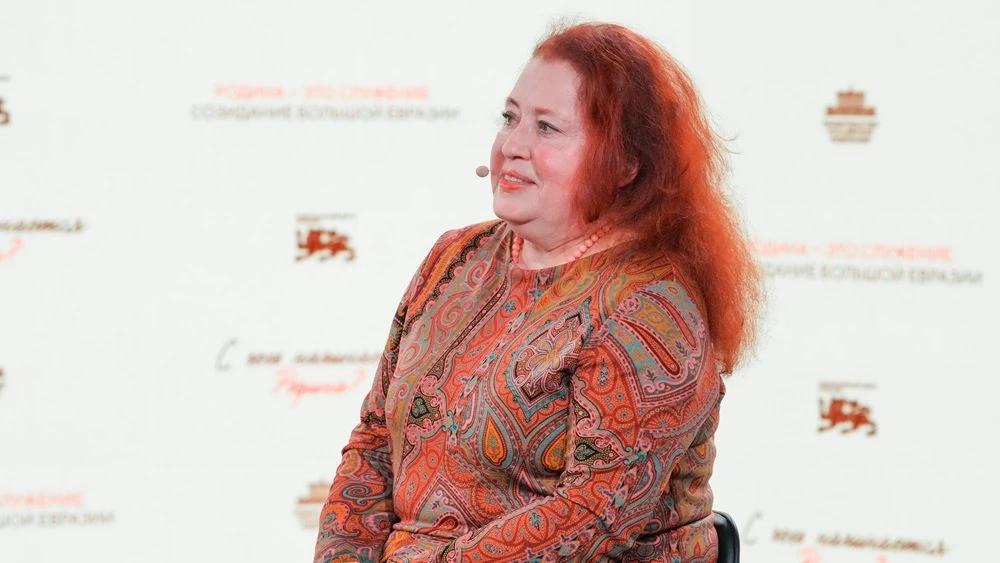
Yelena Danilova, Deputy Director of the Integration Development Department of the Eurasian Economic Commission, who spent many years working in foreign trade, explored the practical side of Eurasian integration — specific decisions and economic ties. She considers her greatest achievement to have come in 2003. Faced with an agreement that had seemed impossible, she prepared the foundation for negotiations on a common economic space in just one week. This later became the basis for the Treaty on the Eurasian Economic Union. Behind this achievement were also difficult negotiations with the European Union over nuclear fuel supplies. Her colleagues had doubted that success was possible, but she found provisions in agreements and contracts that she could draw on and secured a decision against termination.
The speaker sees service as professionalism, a culture of negotiation and the sense that the Motherland stands behind you. According to her, Europeans described her as a difficult negotiator and even asked for her removal from the delegation because of her refusal to compromise. Ultimately, however, her ability to stand her ground brought success.
"You can earn respect only through a high level of professionalism, responsibility and a determination to defend to the very end the positions your country has instructed you to uphold, without giving any ground," the expert stressed. During the session, she also discussed which fields offer students the most promising prospects today and with whom Russia will expand its economic ties over the next 10–20 years.
Dmitry Volvach, Head of the Federal Service for Accreditation, discussed trust as the foundation of a common market. He described the beginnings of his career, why he earned three university degrees, the role of his mentors and what he gained from working in different regions of the country. One thing always remained constant for him — service to the Motherland.
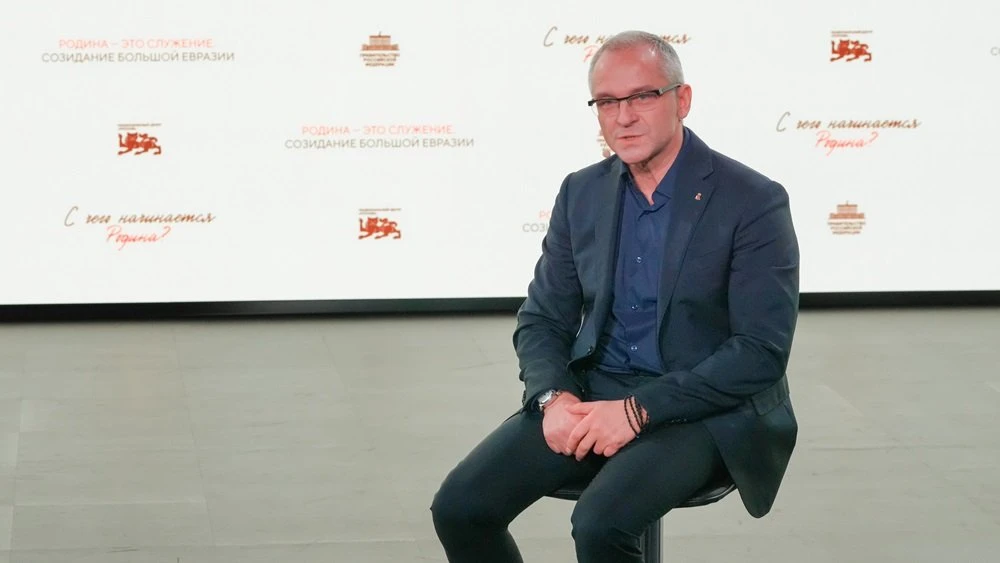
Over almost 30 years in government institutions, Dmitry Volvach has progressed from a tax inspectorate specialist to Head of the Federal Service for Accreditation. He explained why even everyday tasks matter enormously to the whole country: "If you see your work as a mission, as service, and understand that you are part of the vast system of government of an enormous country, your Motherland, then even small everyday tasks produce results when you carry them out properly, conscientiously and professionally. Small decisions have a tremendous impact. If you understand that your main work involves giving your intellect, your time and sometimes your physical strength and health for the good of your country, then that is service."
Lyubava Shepeleva, Director of the Personnel Training and Development Department at United Engine Corporation, part of Rostec State Corporation, discussed the people behind major international projects. She presented the corporation's largest projects in Eurasia, explained how new employees are welcomed at its enterprises and how its approach to working with staff is changing. The expert also discussed how to stand out when applying for a job and what will help young professionals become competitive over the next three to five years.
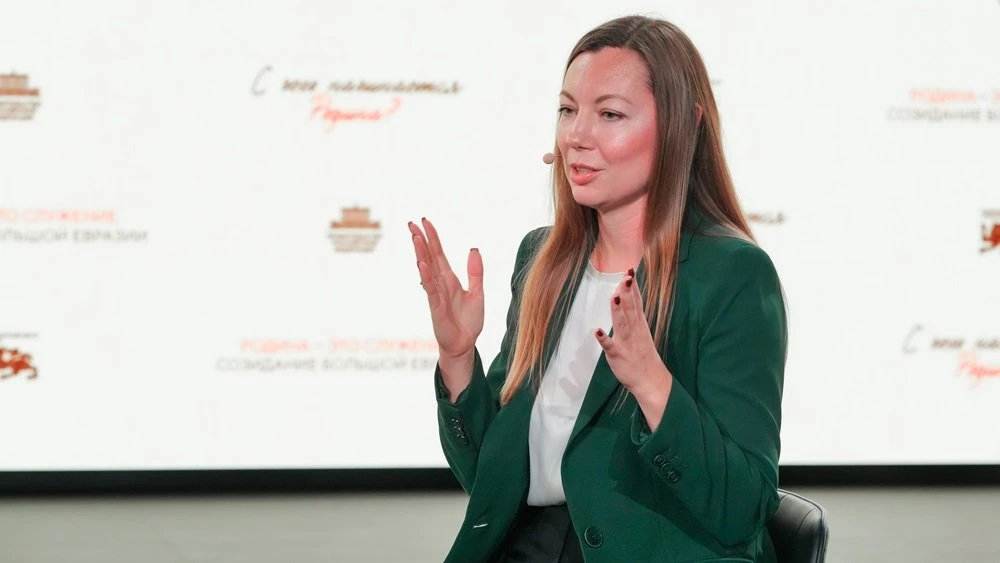
"Above all, it is important to be a professional in your field. If you are a lawyer, you need to develop your expertise in that area. If you are an engineer, you need to understand the fundamentals: aerodynamics, physics and other core disciplines. But it is equally important to be proficient in modern technologies that are widely used today: artificial intelligence, additive manufacturing and robotics. The country is moving forward, and we are developing too. For example, a design engineer can also have programming skills that help them work faster and to a higher standard," noted Lyubava Shepeleva.

The "Motherland Is Service" series of meetings is dedicated to people who have established themselves in their professions and made a significant contribution to the development of both their industries and the country. For young participants, it offers an opportunity to gain an inside view of different professions, learn from the experience of accomplished professionals and understand the prospects their chosen field offers. This original project by the National Centre RUSSIA is held with the support of the Government of the Russian Federation.
Event photobank

It welcomed more than 37,500 visitors in total.
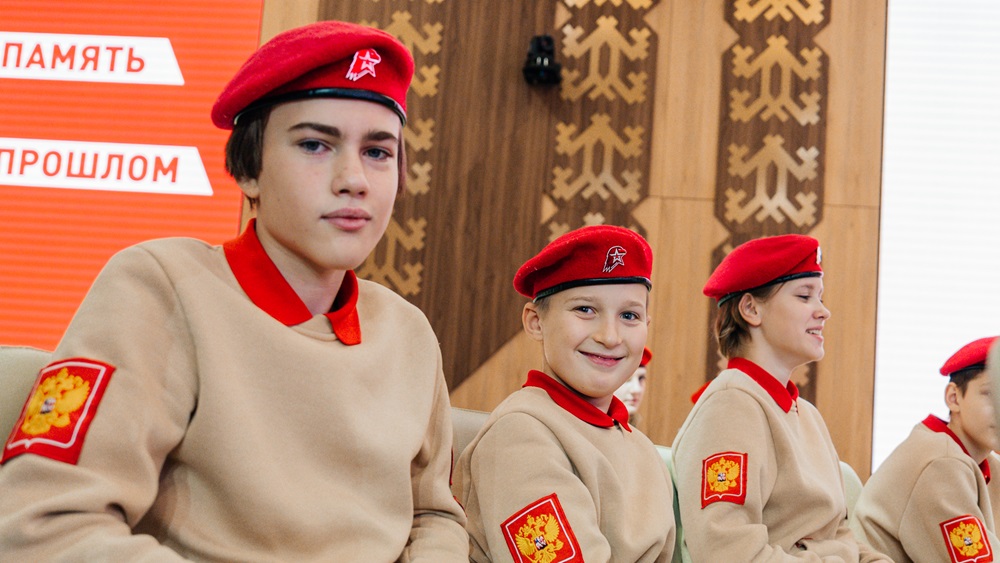
The regional rally brought together more than 160 young people, mentors and local headquarters leaders. It opened at the National Centre RUSSIA in Yugra in the year marking the Yunarmiya movement's tenth anniversary.