

A major anniversary programme: celebrations of the Russian Theatre Union's 150th anniversary reviewed at the Bolshoi Theatre
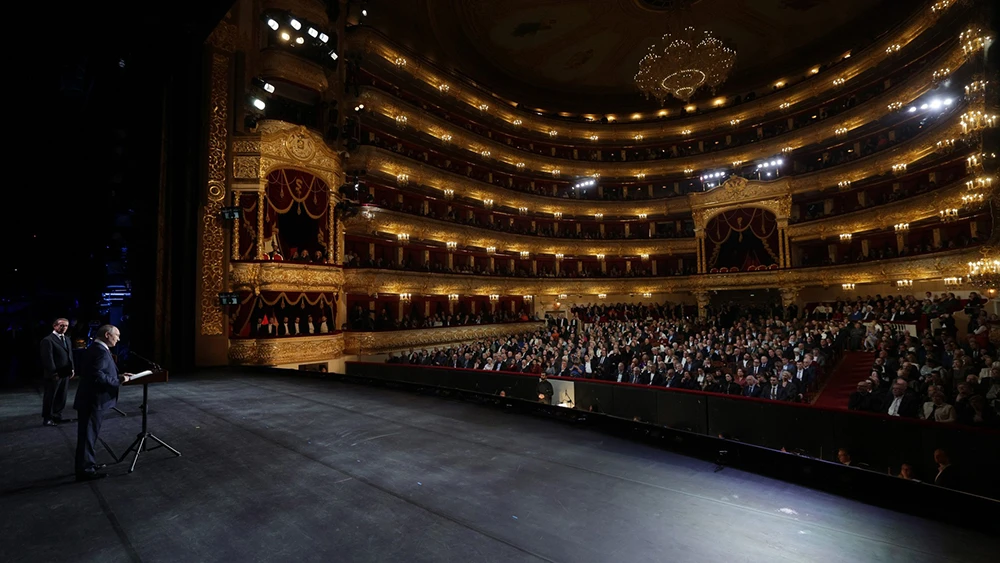
A ceremonial gathering marking the Russian Theatre Union's tenth congress and 150th anniversary was held on 22 October at the State Academic Bolshoi Theatre of Russia. The event was attended by the President of the Russian Federation, Vladimir Putin. The head of state announced that the Russian Theatre Union would be awarded the Order "For Merit in Culture and Art" and that the organisation would regain its historical name, the Russian Theatre Society.
The President of Russia, Vladimir Putin, emphasised that around 600 professional theatres in the country currently receive state support, something no other country in the world provides. He also noted that theatre, as it continually develops, brings together all forms of art: literature, music, painting and dance. He stressed that in Russia, theatre is revered and loved, listened to and trusted, and that people take pride in and admire its celebrated actors, directors, playwrights and artists.
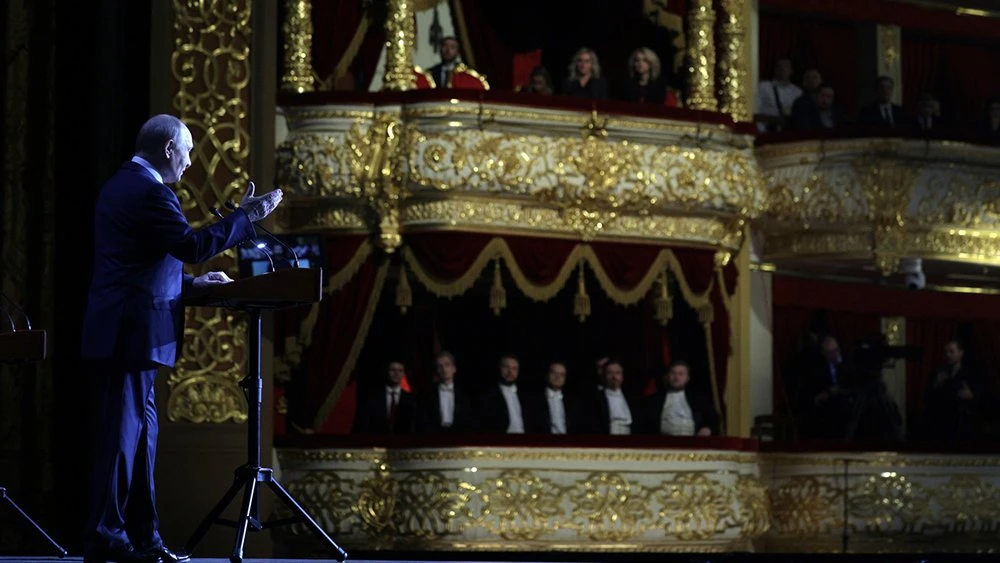
"Today, theatre is becoming even more relevant, with productions selling out not only in the capital's theatres but also in many regional theatres. I would emphasise that, as I have already said, the vast majority of our professional theatres are publicly funded, through federal, regional, city or municipal budgets. This is extremely important for strengthening the shared cultural and humanistic space and the unity of our country. At the same time, we of course welcome business investment in theatre projects. Such initiatives certainly deserve systematic support," said Vladimir Putin.
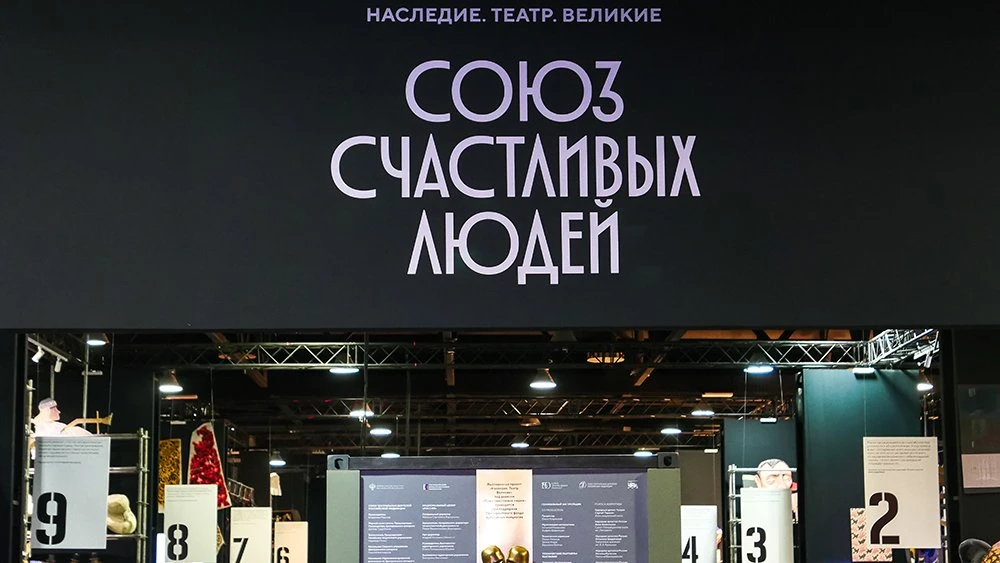
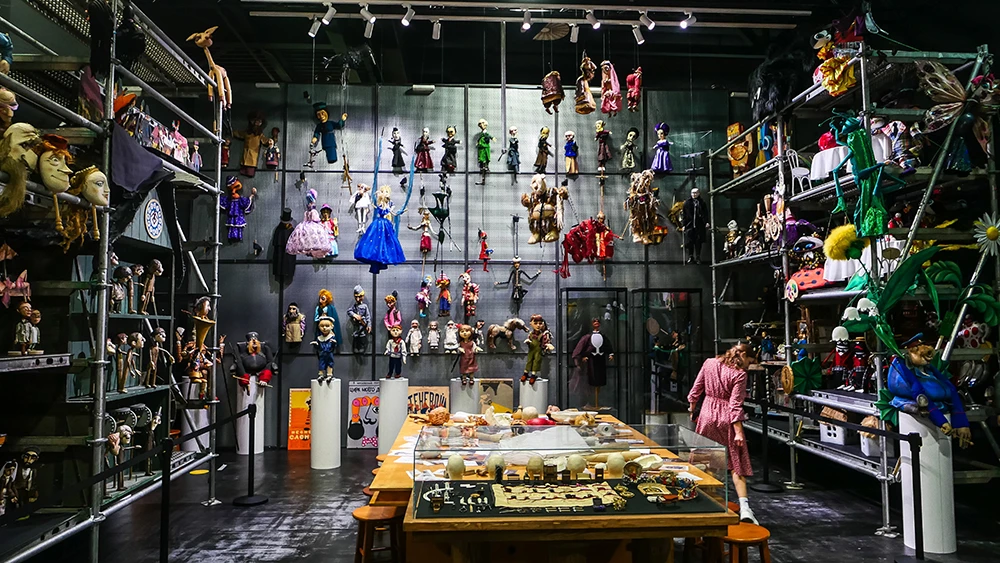
The "Legacy. Theatre. The Greats" exposition, held at the National Centre RUSSIA from 28 July to 25 September, formed part of the extensive programme celebrating the Russian Theatre Union's 150th anniversary. Over two months, more than 27,000 visitors explored the large-scale exposition, organised under the motto "A Union of Happy People". Visitors could explore independently using a personal audio guide and listen to an audio performance, or join guided groups for an interactive journey through the world of theatre professions.
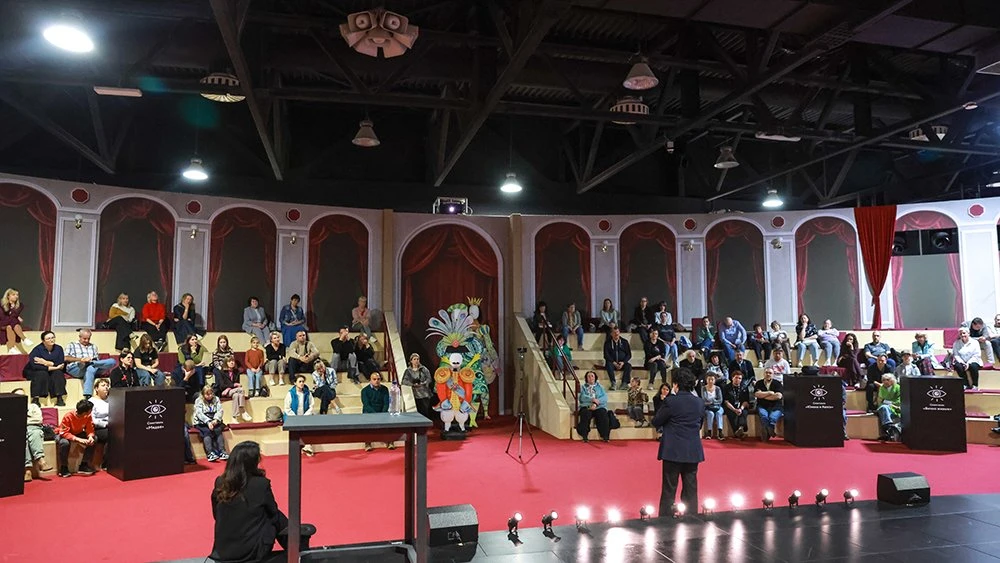
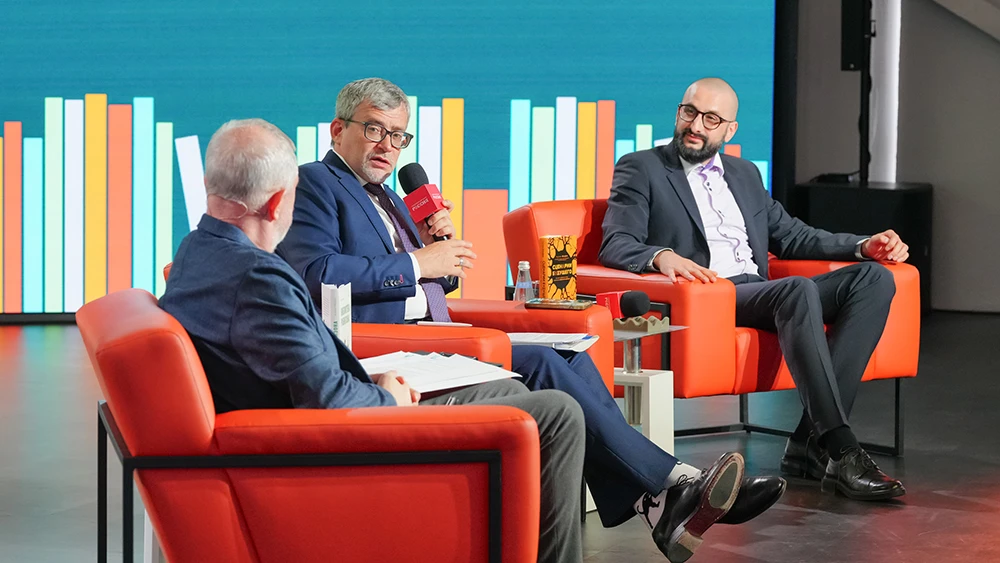
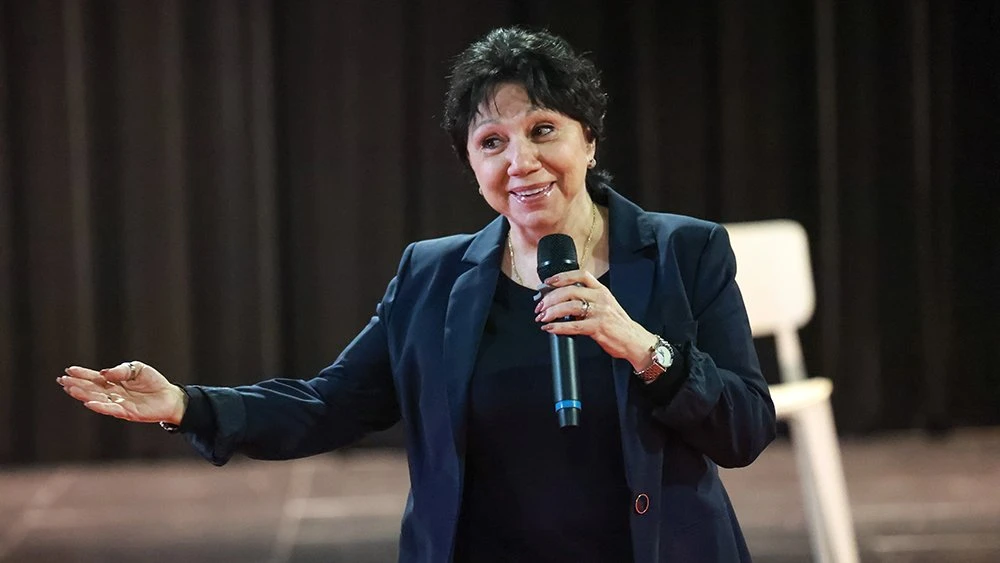
The exposition was supported by the Ministry of Culture of the Russian Federation and the Presidential Foundation for Cultural Initiatives. It hosted more than 500 guided tours and 60 educational events. For example, a meeting with Tereza Durova, Artistic Director and Chief Director of the Tereza Durova Theatre, gave guests an opportunity to speak personally with the celebrated theatre director and ask questions about her creative approach, the theatre, its productions and the company's plans.
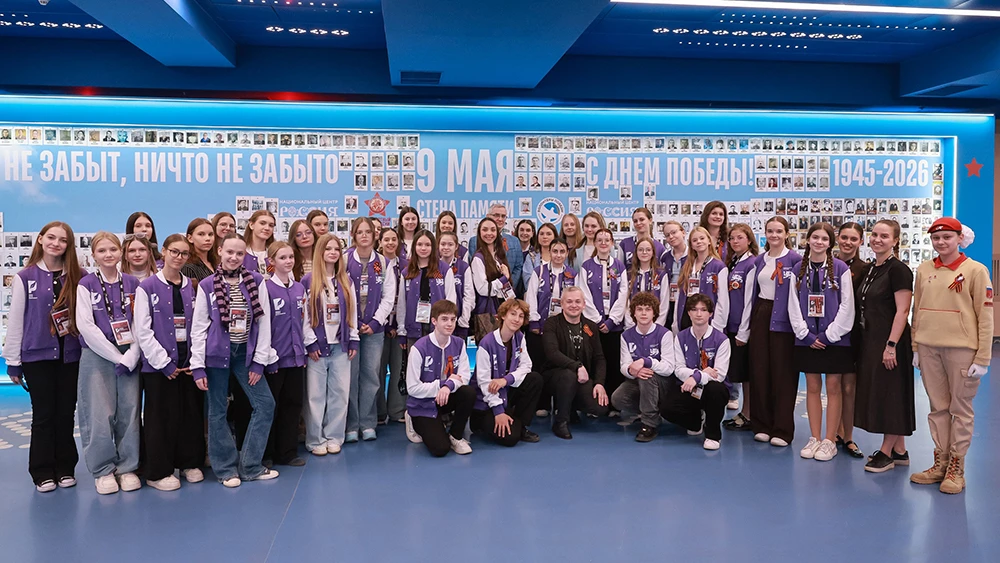
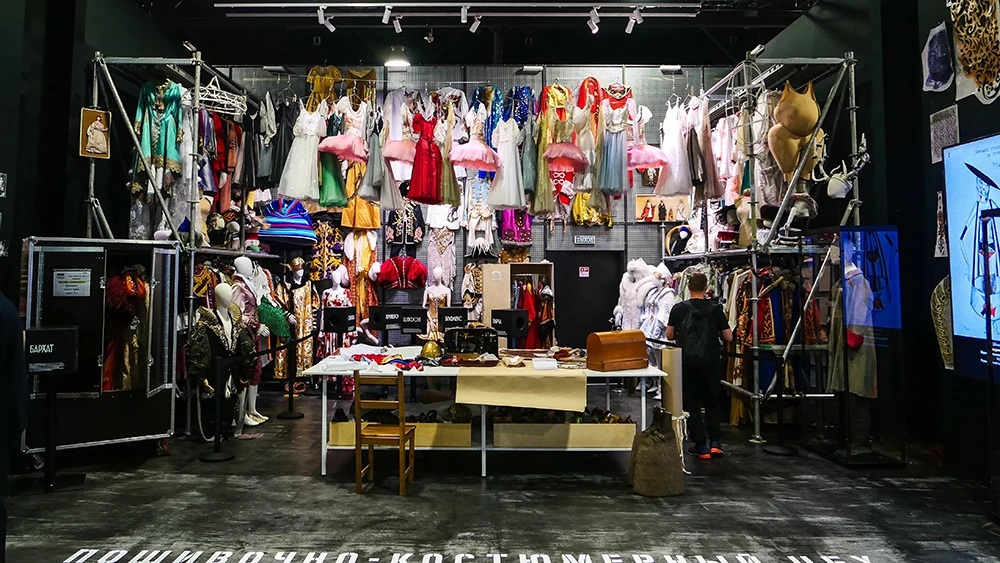
A day dedicated to the A. A. Bryantsev Youth Theatre at the National Centre RUSSIA featured lectures and workshops led by the theatre’s leading specialists. These included sessions on soft scenery, theatrical costumes, prop-making and stage make-up. Head of the Stage Machinery and Scenery Workshop Leonid Melnichenko delivered a lecture on stage machinery, while actor Konstantin Fedin introduced participants to the fundamentals of acting.
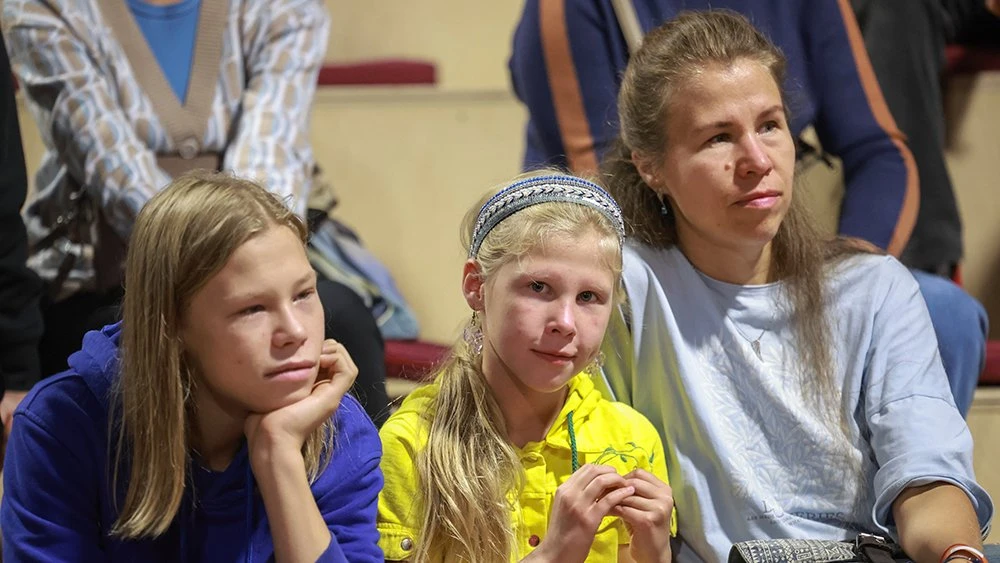
The Central Academic Theatre of the Russian Army organised a two-day festival of theatre professions. Theatre staff introduced visitors to costume and prop-making, the work of sound engineers, literary managers and stage managers, and the process of bringing a production to the stage. Actors Kirill Klimovich and Alina Trusevich led an acting workshop. The programme also included stage singing workshops with teacher Anastasia Vinter and choreography workshops with the theatre’s Chief Choreographer Olga Yakimenko. Anna Dubicheva, a puppet artist from the S. V. Obraztsov Puppet Theatre, led a series of children’s workshops on making motanka dolls.
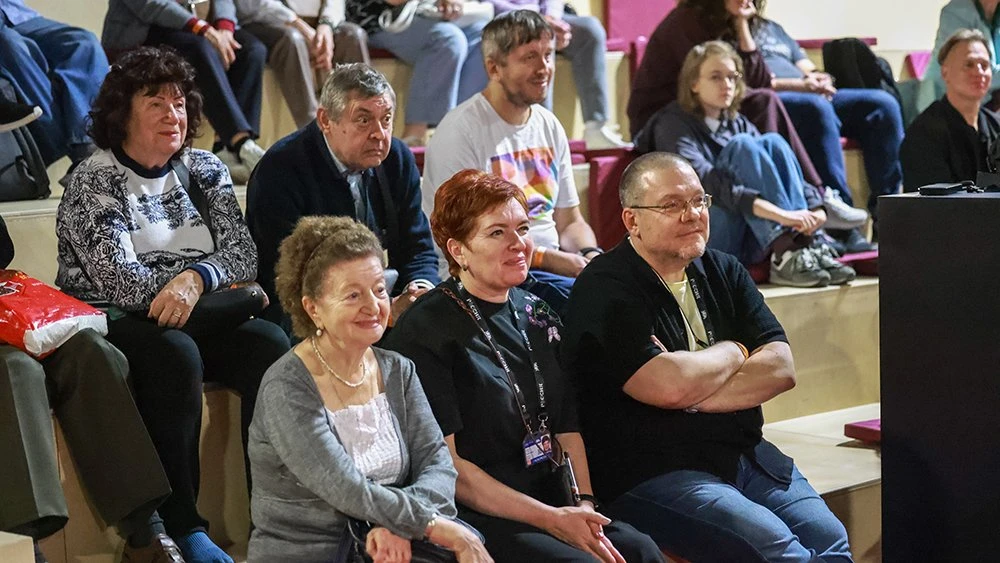
The educational programme also featured a series of lectures and workshops led by GITIS teachers. Head of the Scenography Department Anastasia Glebova discussed the role of historical and cultural legacy in shaping a production’s visual identity. Anna Rybakova demonstrated a traditional button-making technique. Senior Lecturer in Stage Costume Composition Victoria Kharkhalup delivered a lecture on the theatre of Carlo Gozzi and led a practical session on creating a fantastical reality on stage.
On 25 September, the exposition’s final day, Director of the RTU Central Research Library and Honoured Cultural Worker of the Russian Federation Lyudmila Sidorenko delivered a lecture at the National Centre RUSSIA. The audience learned about rare books in the library’s collections and their value to researchers, theatre professionals and art enthusiasts. The RTU Central Research Library was the principal source of the rare archival materials displayed in the exposition.
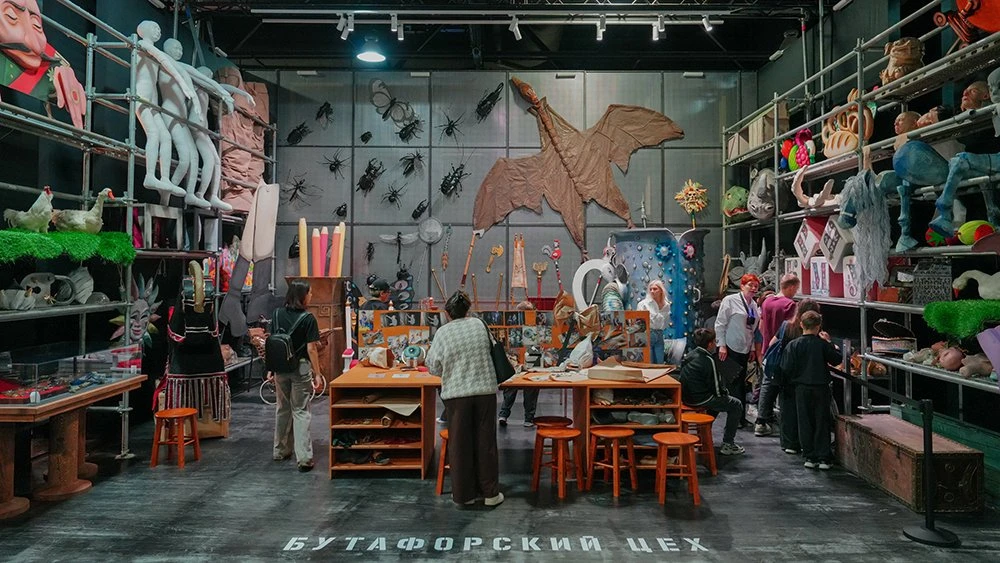
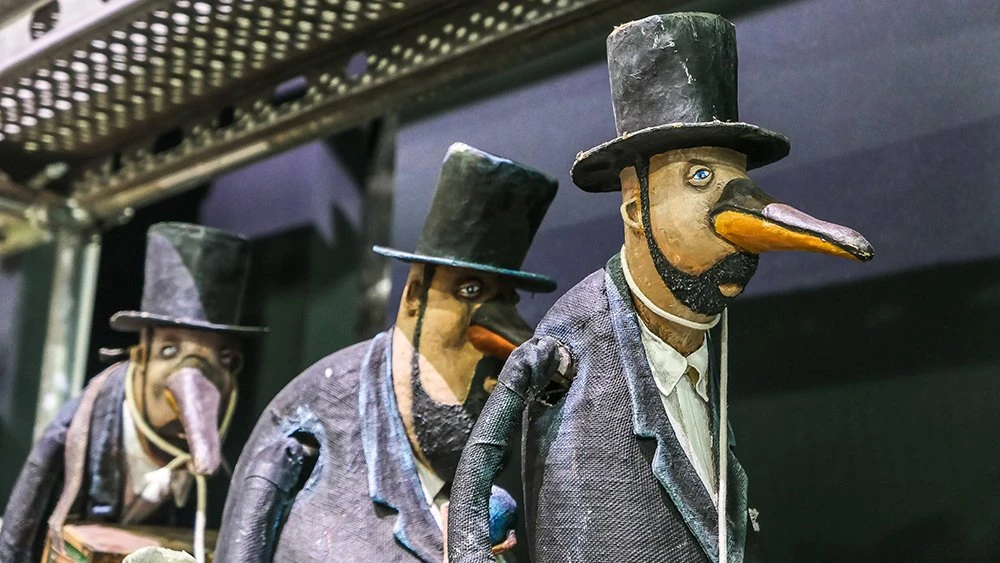
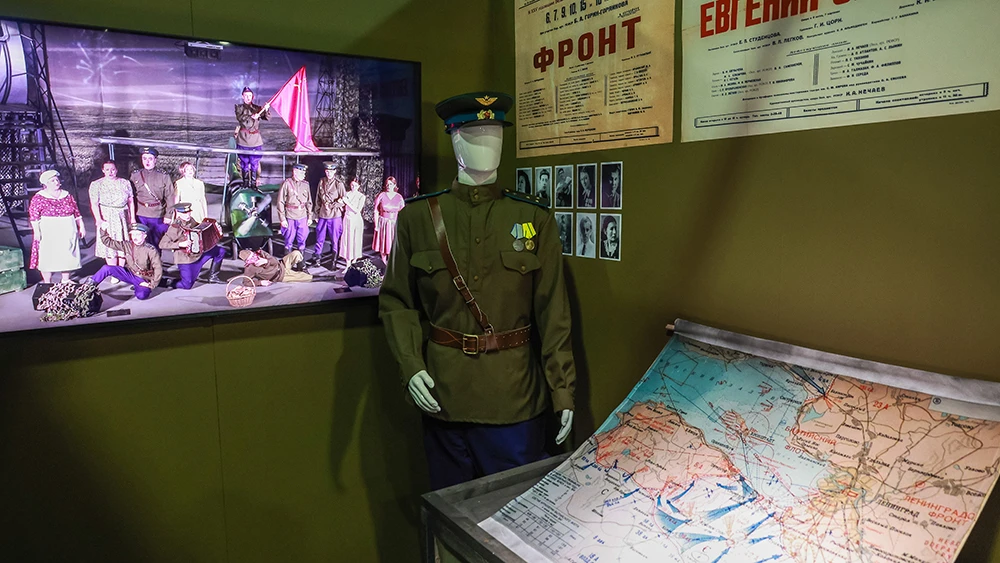
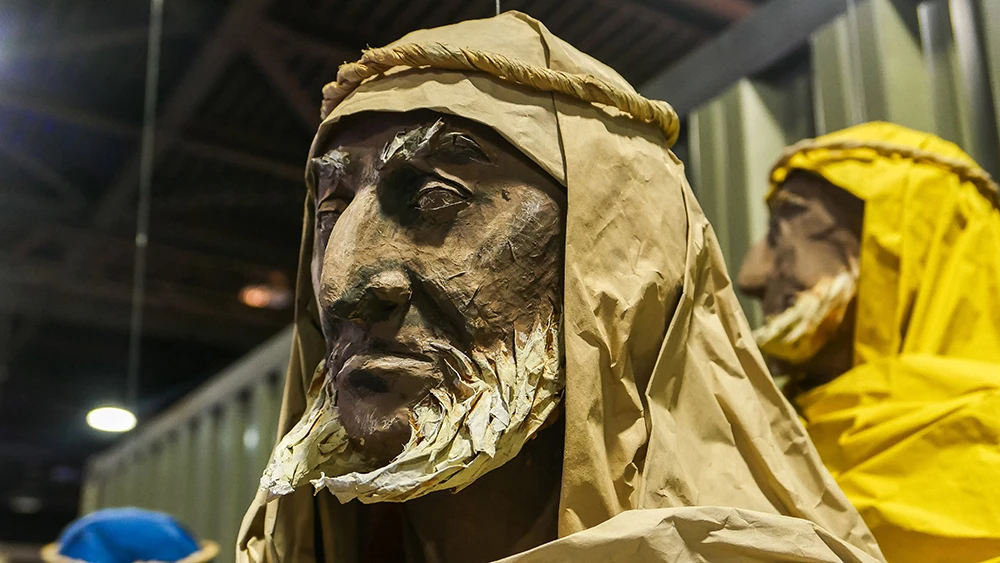
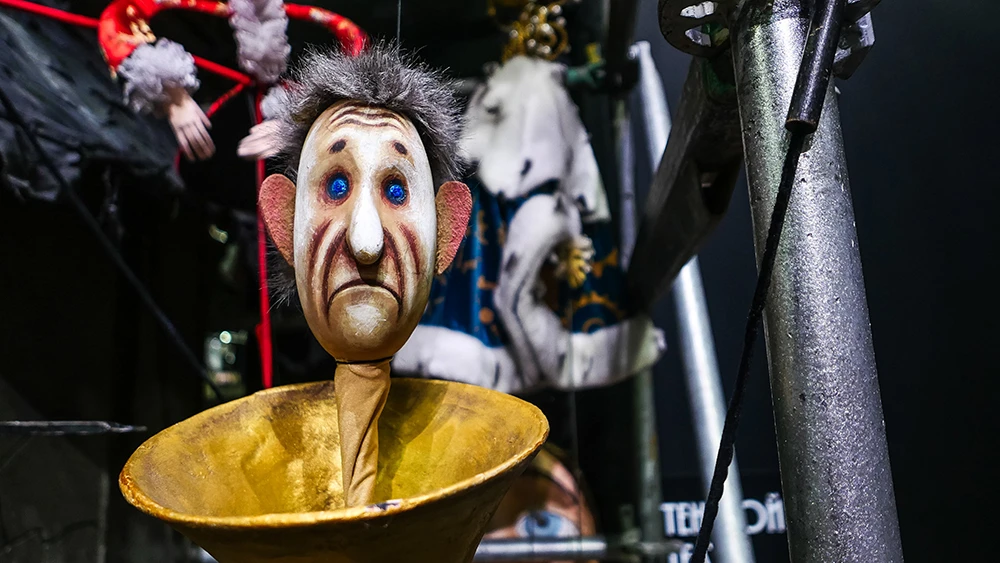
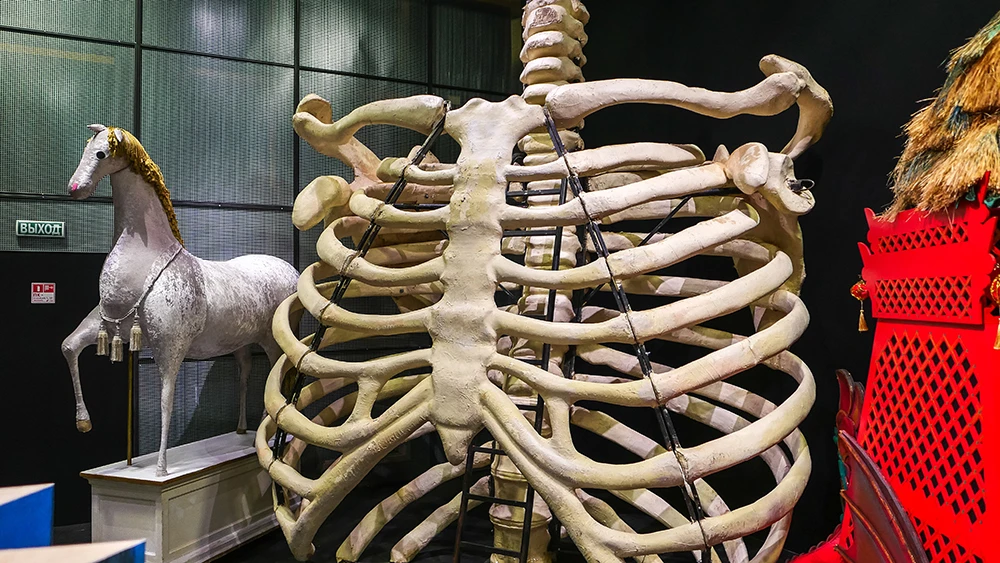
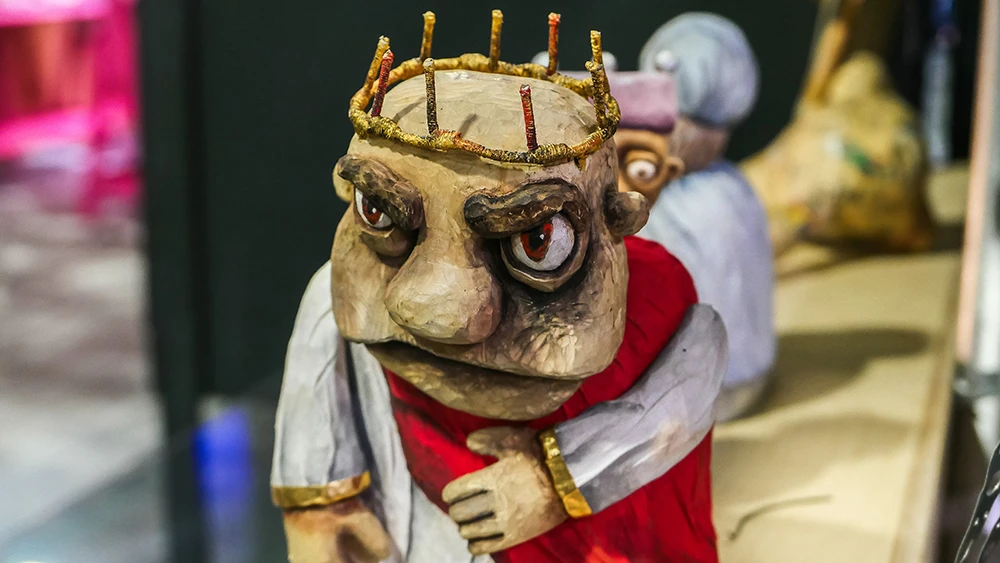
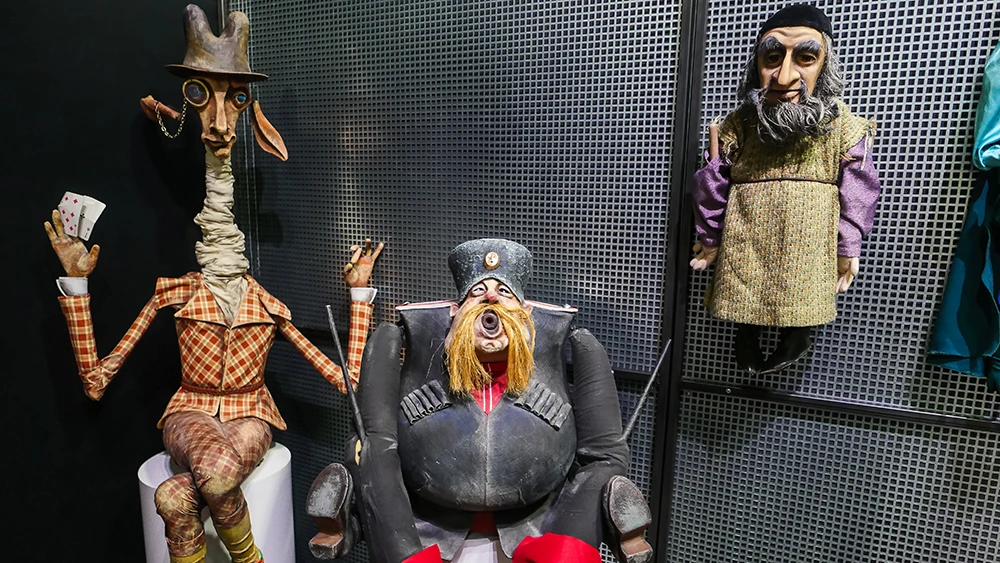
The "Legacy. Theatre. The Greats" exposition comprised 17 themed sections introducing visitors to the diversity of theatre professions and was designed as a journey through a theatre. It brought together more than 600 exhibits provided by 117 theatre organisations from 29 regions of the country. These included intricate stage sets, curtains that had become symbols of individual productions and entire theatres, and puppets beloved by audiences.
A section devoted to theatre posters formed an important part of the exposition. Visitors to the All-Russian "Theatre Poster" Exposition saw 89 objects from different eras, ranging from late 19th-century lithographs to contemporary examples. Celebrated artists whose designs became posters inviting audiences to performances included Valentin Serov, the Stenberg brothers and Nikolai Akimov.
From 18 to 24 September, the VCIOM Analytical Centre conducted a face-to-face survey of visitors to the "Legacy. Theatre. The Greats" exposition. The findings showed that 99% of respondents enjoyed the exposition, 100% acknowledged that it benefited society, and 98% would recommend visiting it. Visitors felt that "Legacy. Theatre. The Greats" helped promote state cultural priorities and traditional Russian spiritual and moral values.