

No more fear of the unknown: experts at the National Centre RUSSIA's Literary Club explain why we should read books about the future
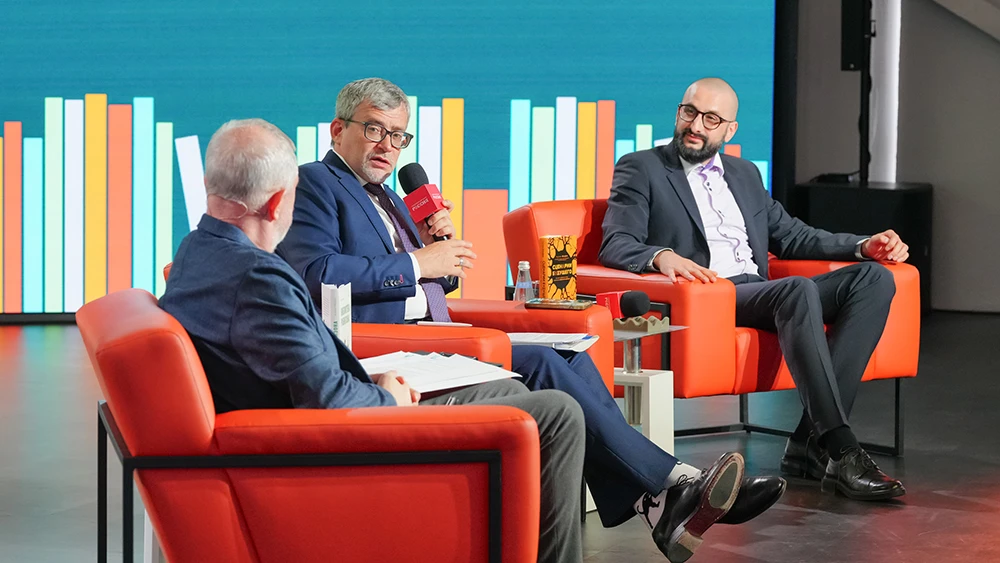
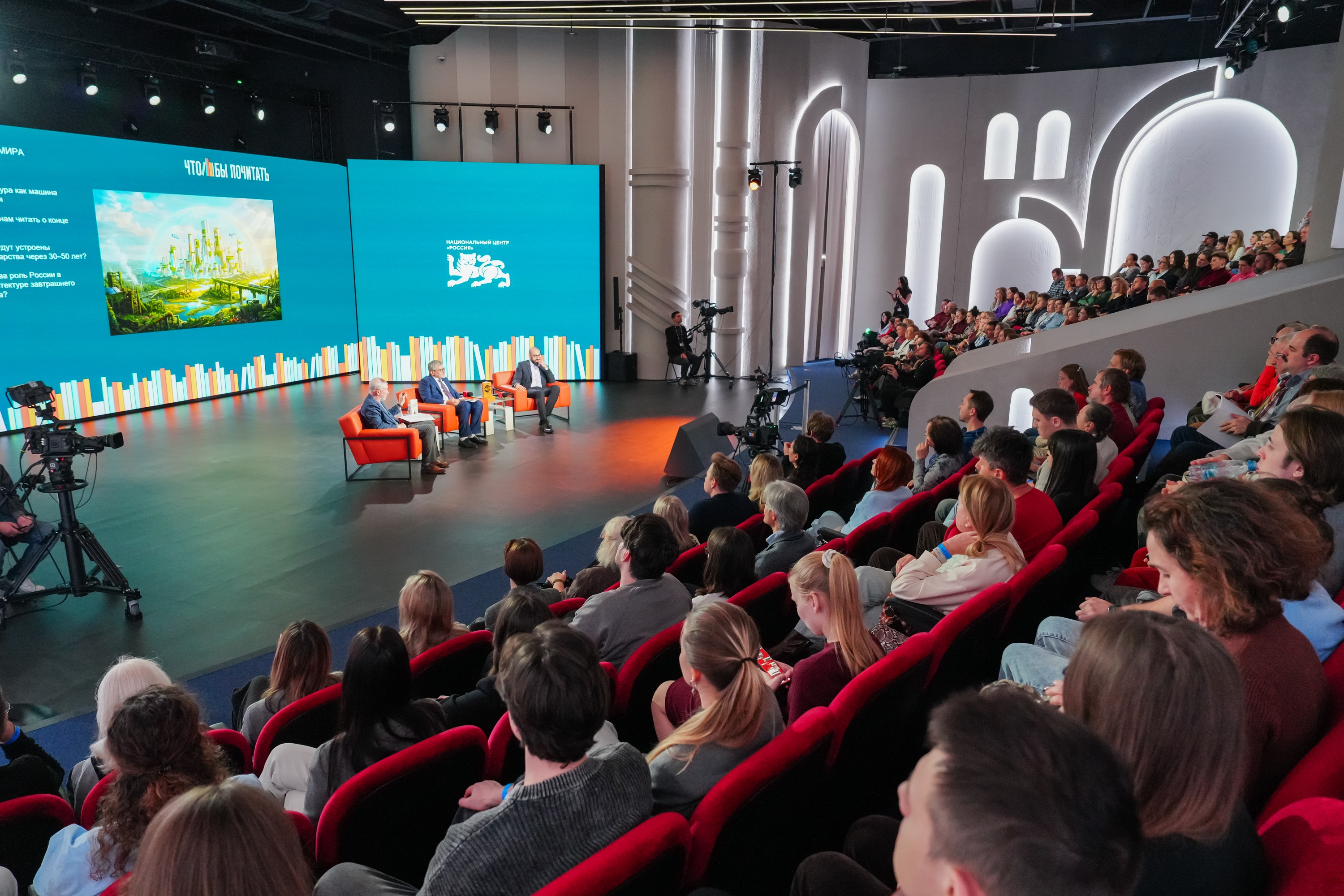
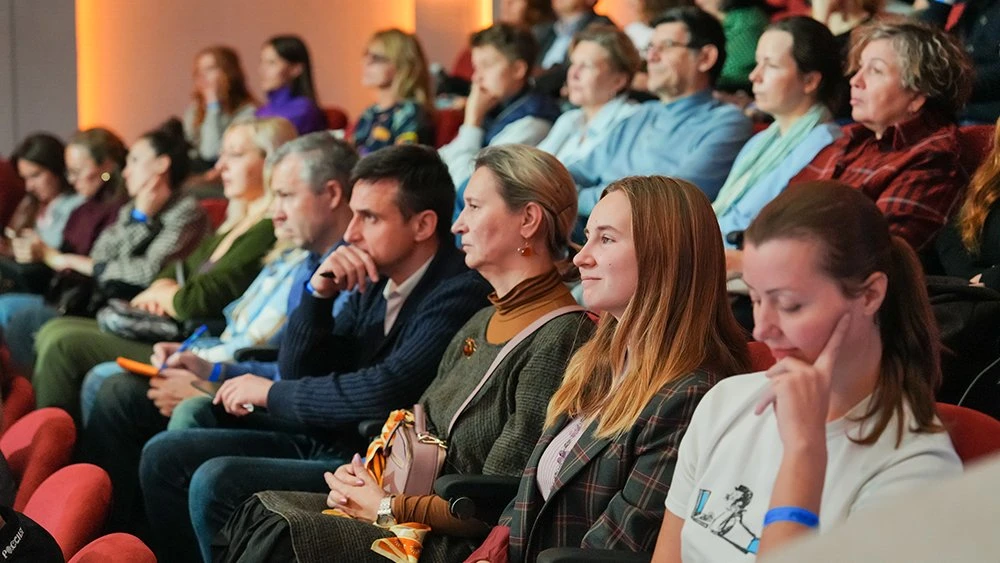
Popular science books have long offered more than entertaining stories about dinosaurs and black holes. Today, they are an important tool for stress-testing reality, an exercise in critical thinking and a foundation for personal safety in a world that changes faster than forecasts can be published. Whether popular science can help protect us from anxiety and how to distinguish real threats from online scare stories were discussed on 22 October at a meeting of the Literary Club "What to Read?! Meanings" at the National Centre RUSSIA.
Alexei Chesnakov, the Literary Club's host, author of the Telegram channel "Chesnakov. Library" and a professor at HSE University, noted that when thinking about the future, people take their cues from social media feeds and the news. These often cause anxiety, while a good book can help relieve it.
"A substantial book — whether about culture, science or a work of fiction — offers a comprehensive perspective and an opportunity to engage in dialogue with the author, reflect and relate what you have read to your own experience. So read good books: they contain far more about the future than forecasts in the media or from bloggers. While our knowledge of the future, unlike our knowledge of the past, is very limited, fiction writers often use their imagination when writing about the future — and prove more insightful than those who play it safe or are constrained by academic formats or credentials," Alexei Chesnakov said, opening the discussion.
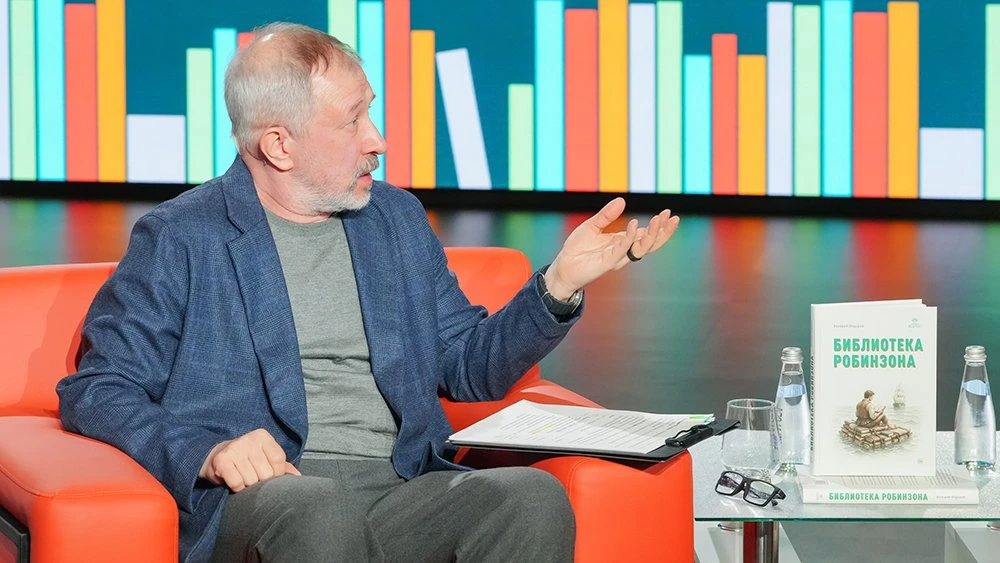
The expert added that we can only move closer to the future by imagining what will happen to us and our children. In this sense, he said, fiction takes us forward and helps us understand tomorrow.
Valery Fedorov, Director General of the VCIOM Analytical Centre, drew the audience's attention to how readers themselves are changing: passive consumption of content is giving way to active engagement with meaning, while information overload is increasing demand for a systematic approach and methodological honesty from authors. He also identified five of the most common visions of the future in the public imagination today.
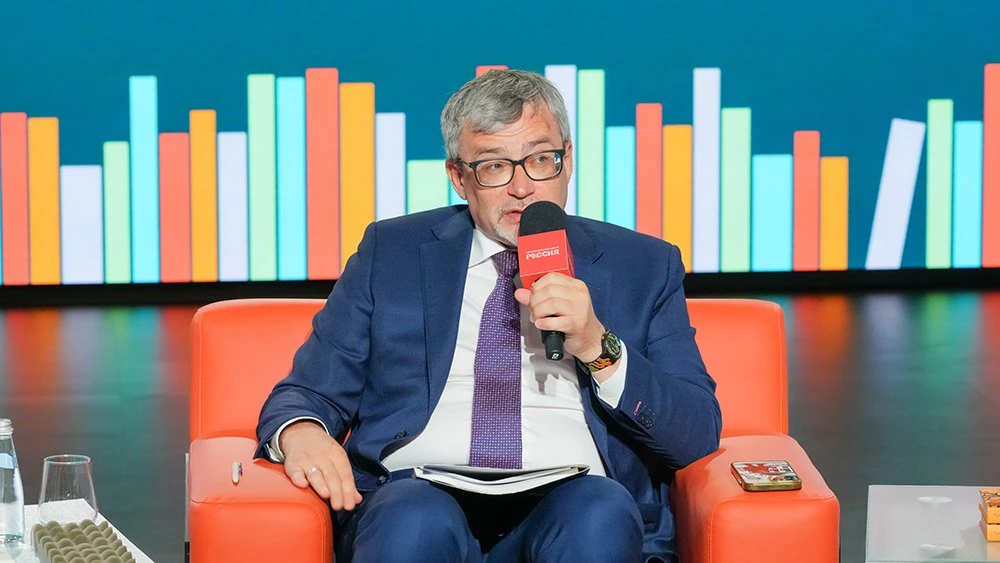
"For some, Russia is a great country, the strongest in the world and respected internationally. For others, it is a highly technologically advanced state with missions to the Moon and Mars. For a third group, it is a comfortable country where people can enjoy life. The fourth common vision is a socially supportive Russia: a caring state where everyone is protected. And the fifth is a country of complete freedom. All five visions are widespread, but no single shared vision has yet emerged. I am not sure that one is necessary, and I am even less sure that it is possible in principle. After all, we live in a very large and diverse country, in a rapidly changing world," said Valery Fedorov.
He added that different generations, from baby boomers to Gen Z, are increasingly coming together around one table for meaningful conversations about the future. In this sense, popular science books are once again becoming a shared point of reference.
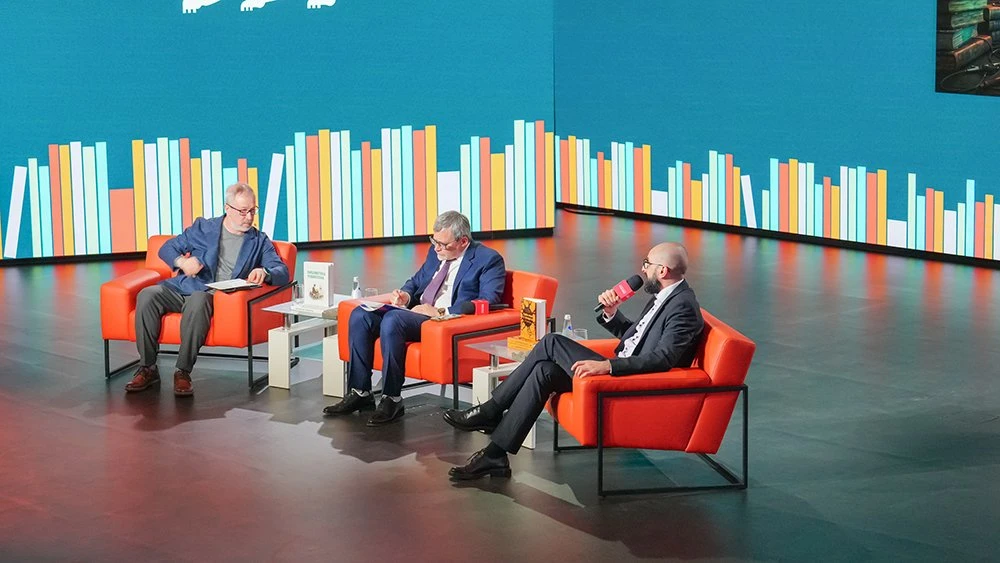
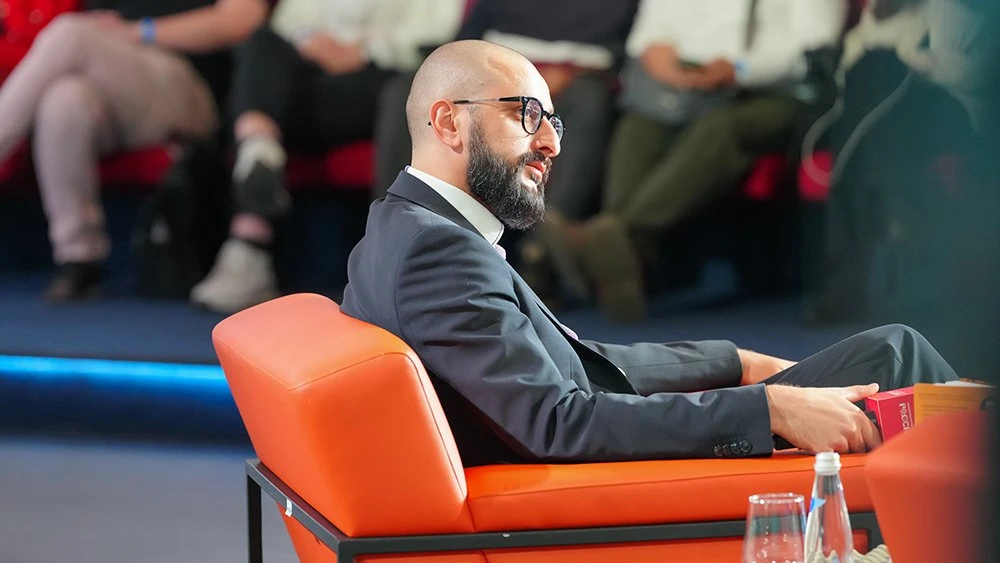
The experts agreed that fictional explorations of the future are often more accurate than scientific reports because they offer readers the experience of living through possible scenarios rather than dry statistics. Ruslan Yusufov, a futurist, Head of the Department of Social Forecasting and Modelling at the Institute of Social Architecture, and Founder and Managing Partner of MINDSMITH, suggested viewing futures studies as an exercise in thinking ahead. In his view, literature about the future works as a "time machine", allowing readers to "try out" scenarios in their imagination long before they become reality.
"I do not think a futurist should be a forecaster: a forecaster shows what tomorrow will be like, while a futurist shows what it could be like, so that we can see different scenarios and understand what we need to do to achieve the future we want. One feature of today's reality is that change has accelerated so much that institutions cannot adapt quickly enough. For example, generative artificial intelligence has only been widely available for a few years, yet questions are already being raised about whether we have become lazy, stopped learning and are ready to delegate the process of thinking," Ruslan Yusufov explained.
The expert described several potential turning points that he believes will determine what the world looks like in 50 years. These include a division into social strata, with some people retaining the ability to think and the right to choose, while others endlessly consume generated content; technology giants becoming actors comparable to states; and a retreat into metaverses where people no longer share a common context. The futurist also noted that intelligence is becoming accessible to everyone, from senior executives to schoolchildren, changing our understanding of talent and qualifications. He said the world of the future could become either a super-utopia or a dystopia, while these turning points subtly widen the Overton window (editor's note: a sociological model describing the range of ideas, opinions and positions considered acceptable for public discussion in a particular society at a given time). The individual's task is therefore to preserve a core set of values while remaining connected to contemporary life.
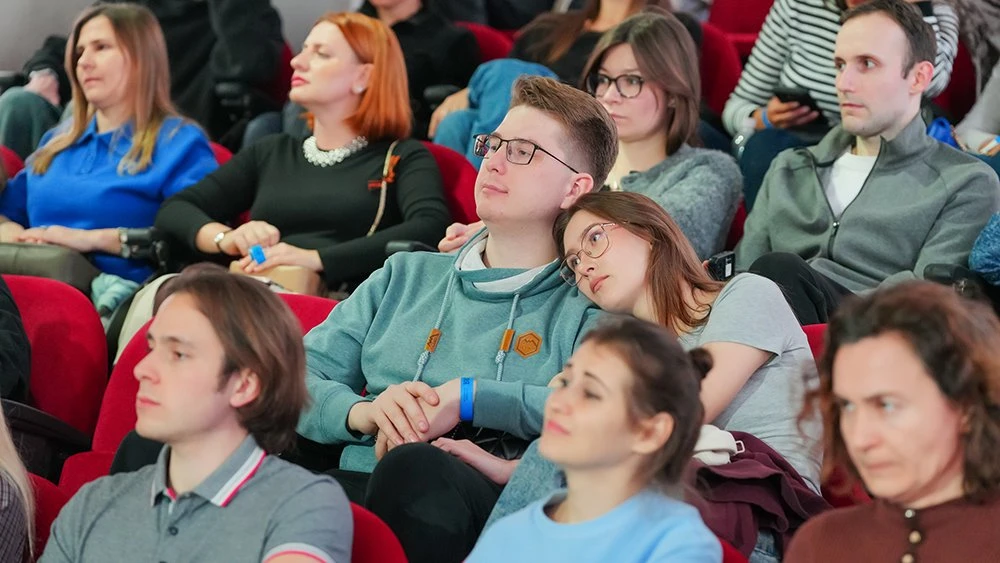
The futurist added that "scenario-based reading" has a more positive effect than endlessly scrolling through news feeds. He said it reduces the paralysing fear of the unknown, which is often stronger than the threat itself.
The discussion moved from individual scenarios to global questions: how states will function in 30–50 years, why we should read about the end of the world at all, and what role Russia will play in shaping tomorrow's world. Valery Fedorov noted that turning to apocalyptic literature is not about fascination with disasters, but about finding renewed agreement on shared values and understanding what is truly worth protecting.
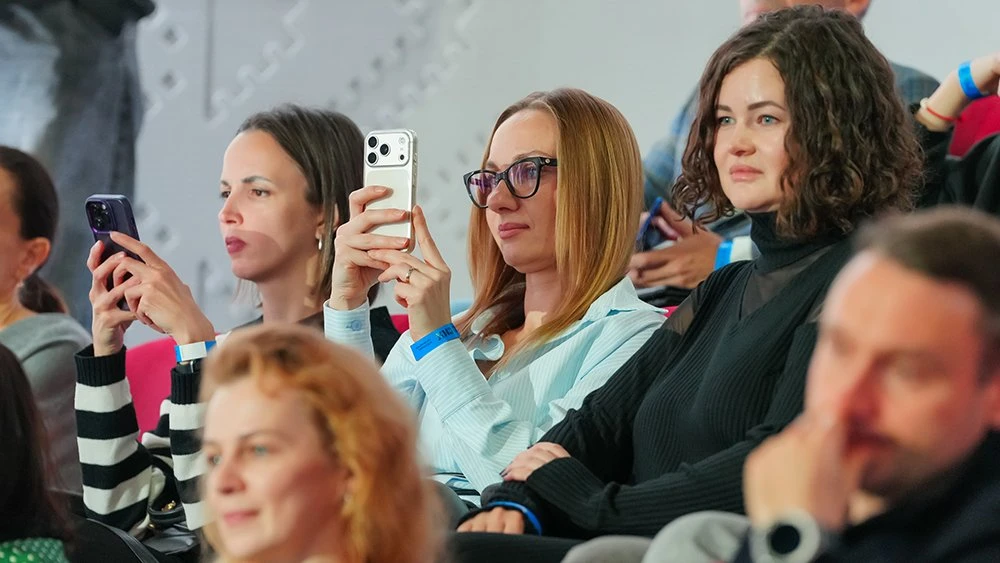
The National Centre RUSSIA's original club "What to Read?!" was created for those who see books as a key to personal development and to understanding the past, present and future. Experts and guests at this intellectual forum focus on developing a culture of reading, discussing literary legacy and exchanging ideas. Attendance at future club meetings is free, but registration on russia.ru is required. The latest schedule is available in the "Events" section.
The full recording of the meeting "Future Risks. What Should We Read to Prepare for Them?" is available via this link.