


The future lies in domestic markets and smart cities: global development trends outlined at the Open Dialogue
"Smart eco-cities" with robotic assistants, fair
BRICS+ data corridors, the tokenisation of human skills, and a
shift towards a domestic market economy — these and other ideas were discussed
by experts and young researchers during the first day of the II Open Dialogue
"The Future of the World. A New Platform for Global Growth" at the
National Centre RUSSIA.
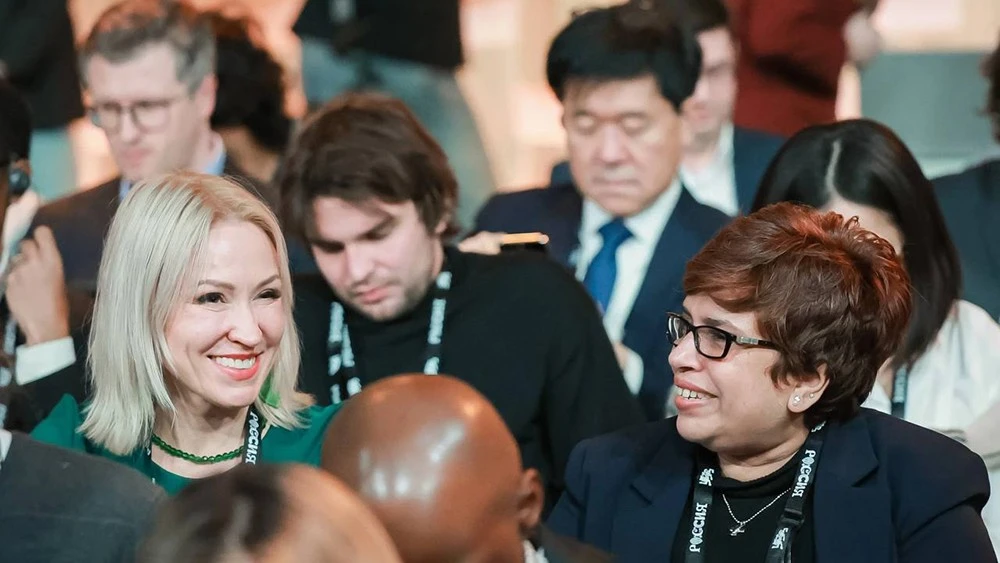
The event brought together participants from all continents
to discuss key global development trends. This year, 1,638 essays were
submitted from 98 countries, with 102 authors from 43 countries advancing to
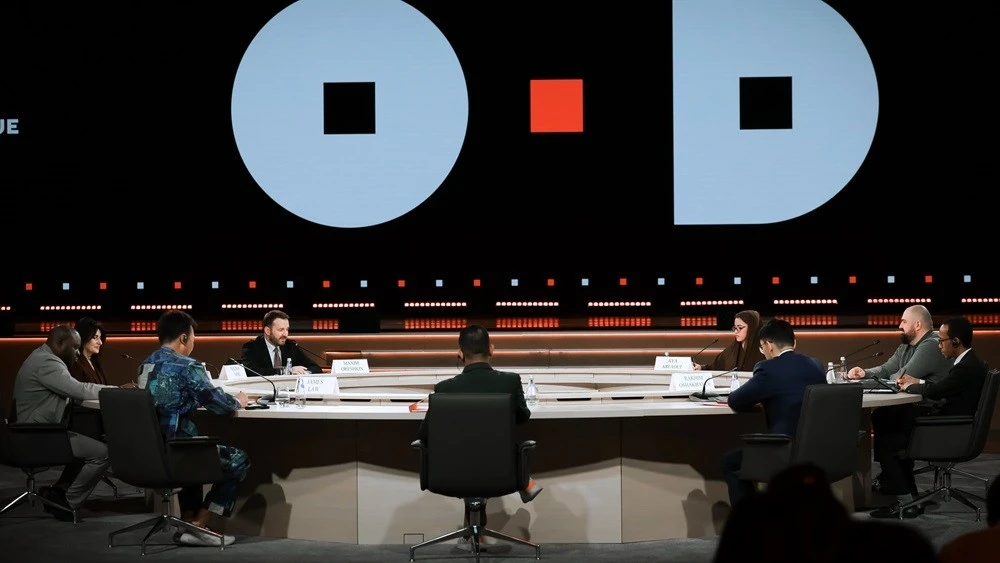
the in-person stage. On the first day, idea pitching sessions were held across
four vectors: "Investment in people", "Investment in
connectivity", "Investment in technology", and "Investment
in the environment".
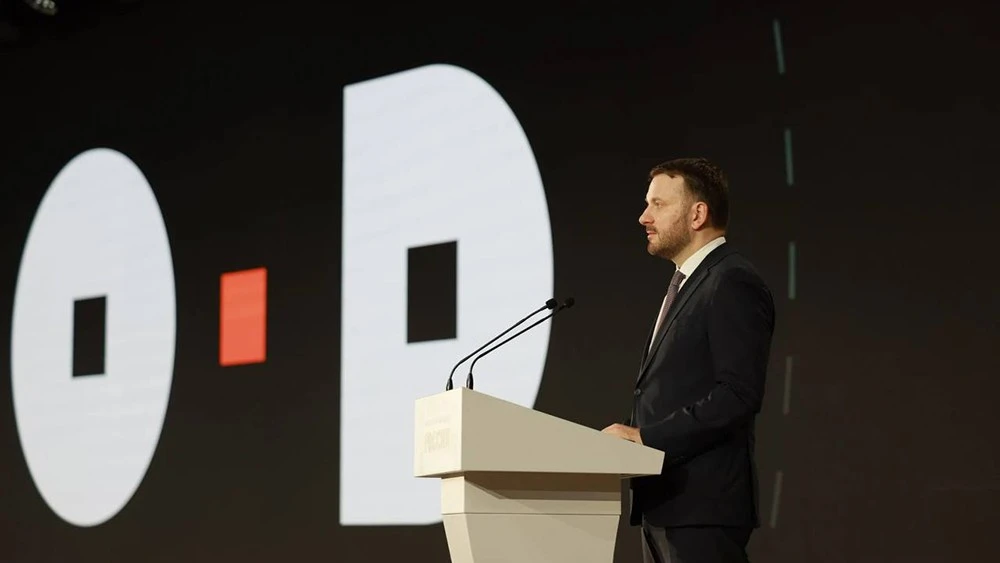
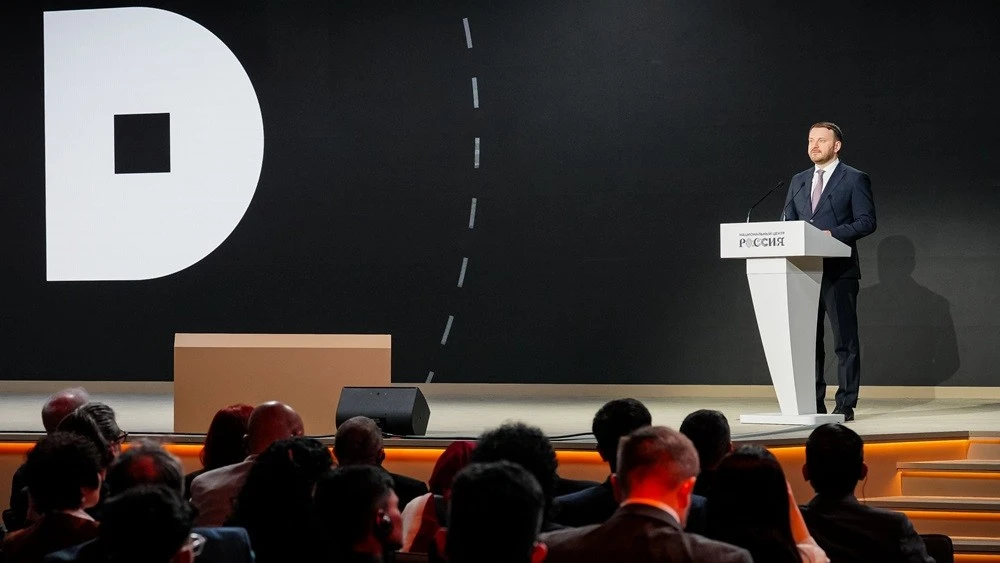
Participants of the II Open Dialogue "The Future of the
World. A New Platform for Global Growth" were welcomed by Maxim Oreshkin,
Deputy Chief of Staff of the Presidential Executive Office of the Russian
Federation and Deputy Chairman of the Organising Committee of the National
Centre RUSSIA.
"We are meeting at a time when the familiar map of the
world — economic, political and technological — is undergoing significant
change: centres of growth are shifting, connections between countries and
markets are being reconfigured, and competition between development models is
intensifying. Technology is accelerating these changes, and with it grows the
demand for solutions that not only describe problems but help move forward. We
need not abstract declarations, but proposals on how to develop human
potential. It is important to understand where an idea has real strength, what
makes it new, how well it is elaborated, whether it can be applied in practice,
and what partnerships are required for its implementation. For authors of the
essays, this format is an opportunity to test their ideas in a strong
professional environment and take the first step from an original idea to a
practical solution," said Maxim Oreshkin.
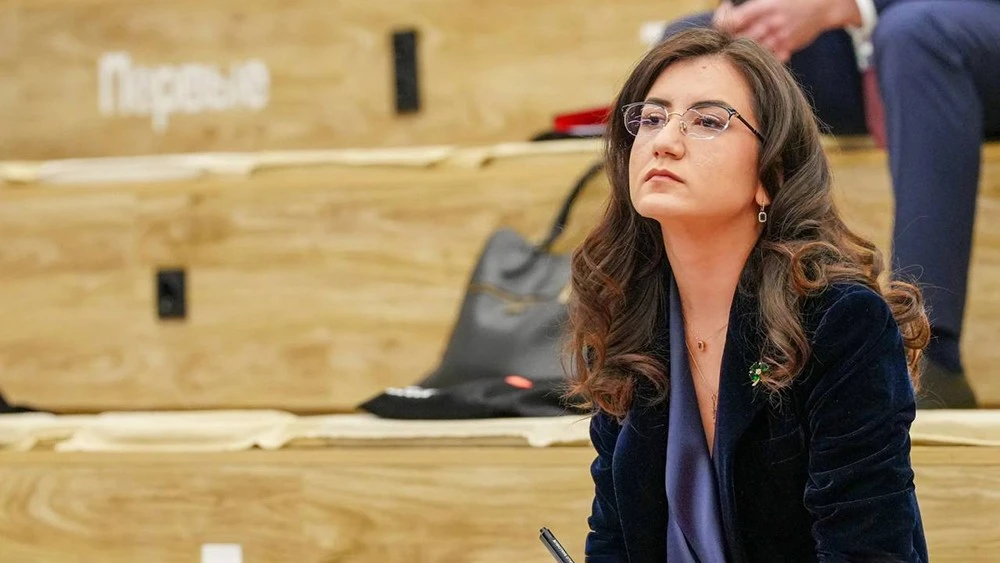
Participants presented dozens of bold initiatives. Patrizia
Boi (Italy) proposed the concept of a bio-ecological "smart city"
with autonomous energy systems and minimal waste, where part of everyday and
social care is performed by humanoid robots. Zuo Chuanchang (China) introduced
ideas for transitioning to a "domestic market economy" model, where
internal consumption becomes the key driver of growth, while Patrick Collins
(Japan) argued for the creation of strategic raw materials reserve departments
to strengthen the resilience of national currencies.
In their essays, participants also explored the role of
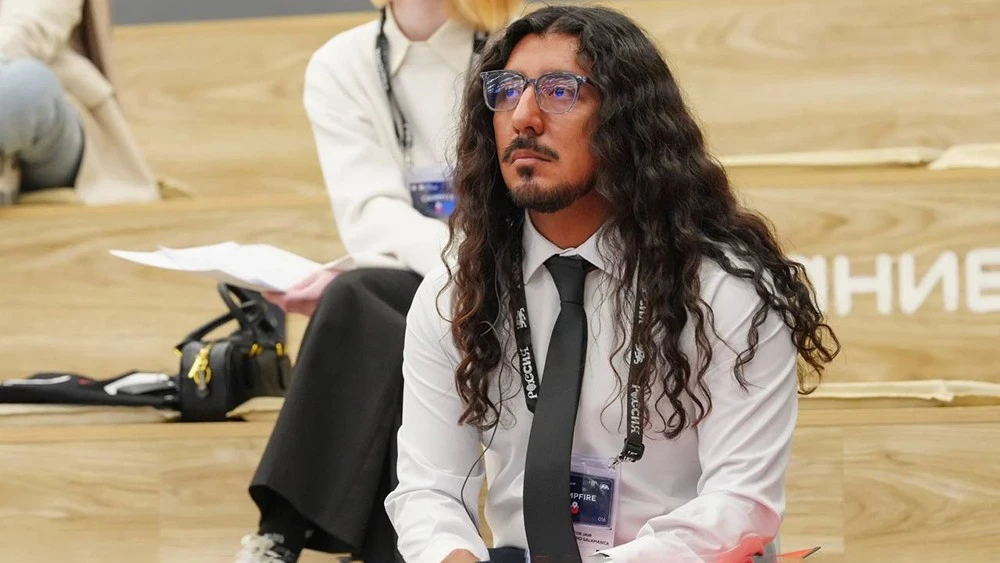
technology and human capital. Malak AbdelFattah, a lecturer at Ain Shams
University (Egypt), noted that she actively uses artificial intelligence, but
strictly as a supporting tool.
"For example, AI helps me create presentations for
students based on the text I upload, and provides both oral and written
translations. This saves time and allows me to focus on key ideas. As a result,
my work becomes more efficient: I concentrate more on analysis and content,
while routine tasks are handled by tools," the expert explained.
Following the pitching sessions, the jury selected the
strongest authors in each track. In the "Investment in technology"
vector, Mahmood Anwar (Pakistan), Ruslan Gafarov (Azerbaijan), Aya Arfaoui
(Morocco), and Sergei Kondratyev (Russia) were recognised. In the
"Investment in the environment" track, the top participants were
Tatyana Pecherkina (Russia), Milena Milic (Russia), Soumya Bhowmiсk (India),
and Darya Zorko (Belarus). In the "Investment in people" vector, the
jury highlighted the projects of Jelena Milicevic Prorokovic (Serbia), Dr.
Leonard Landois (Germany), Lubinda Haabazoka (Zambia), and Xu Weilan (China).
In the "Investment in connectivity" vector, the leading participants
included Ivan Shumilov (Russia), Francisco Tuñez (Argentina), Andres Giussepe
(Venezuela), and Solomon Gardie (Ethiopia).
On 28 April, the official opening of the Open Dialogue will
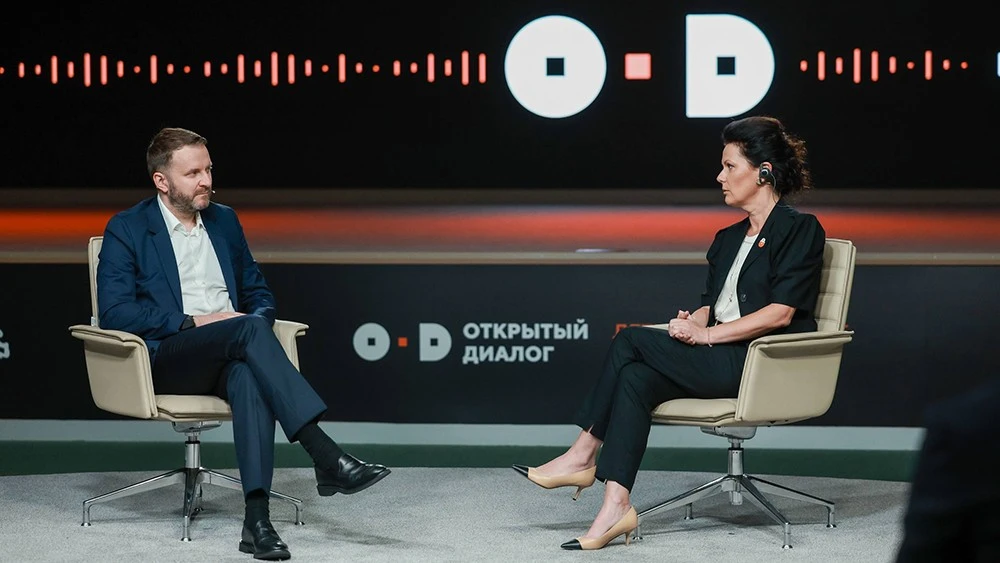
take place. Maxim Oreshkin will also present a report on global megatrends that
will shape the world economy in the near future. The finalists of the first day
will then present their concepts during panel discussions, where their ideas
will receive expert evaluation and public discussion.
Following the conclusion of the Open Dialogue, the best
selected initiatives will be included in a new analytical report which will
then be presented by the National Centre RUSSIA at major international
platforms.
The topic of the competition essay should relate to the content of the Expert Report based on the intellectual work of the participants of the II Open Dialogue.
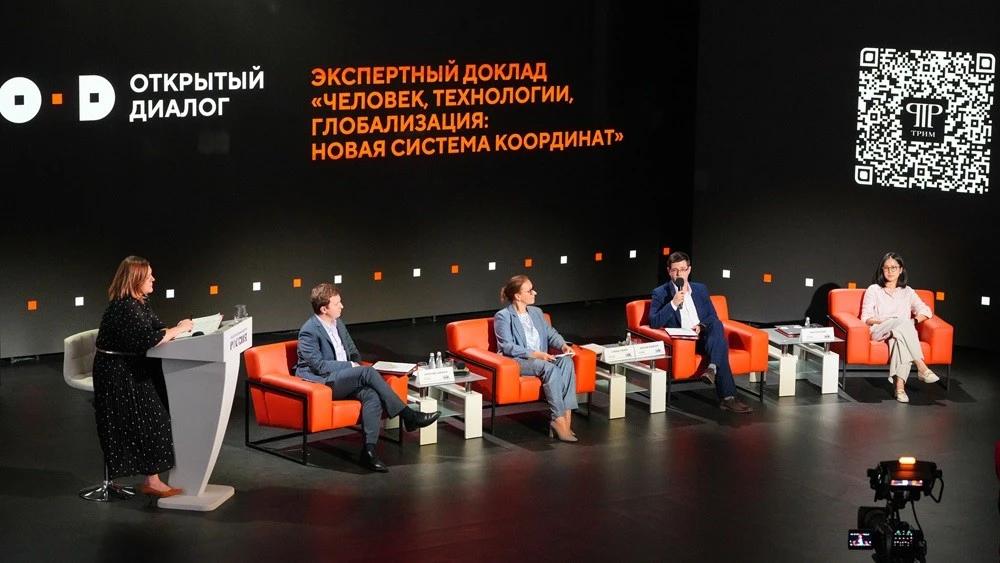
Experts from the Centre for Cross-Industry Expertise "Third Rome" analysed the discussions and essays submitted by participants in the April event.


