


Wild garlic, dandelions, and even burdock: the National Centre RUSSIA shows how weeds can become restaurant dishes
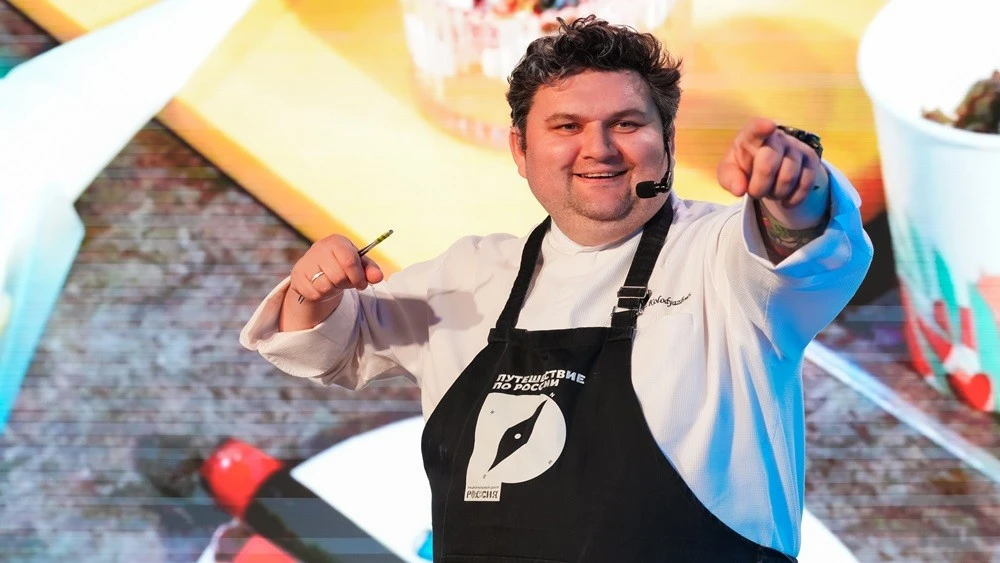
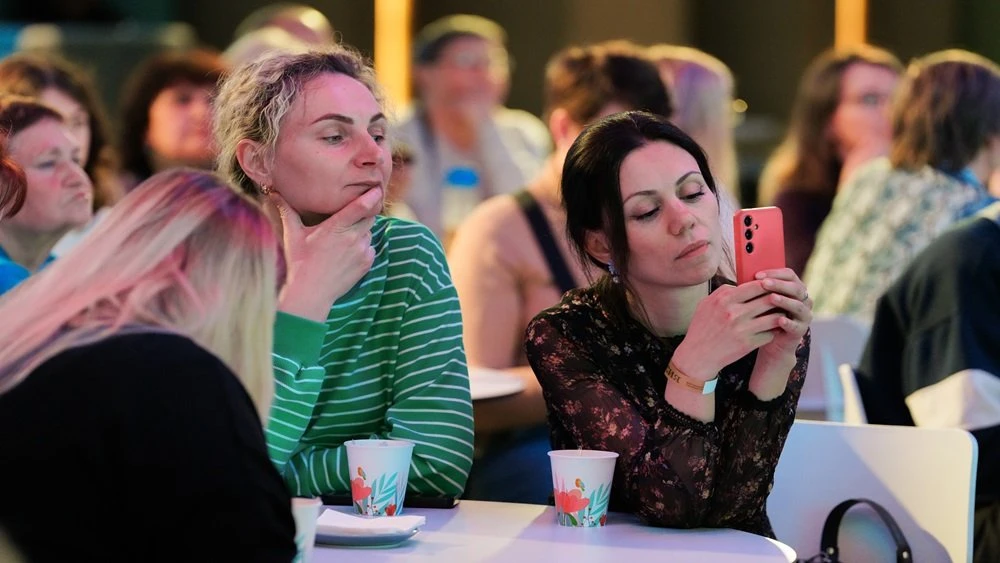
Ground elder and nettle, burdock and plantain, carrot tops and cabbage stalks can become the basis for salads, starters, and even restaurant-level desserts. Guests at the masterclass "Seasonal Cuisine: Taste of Spring", held at the Gastronomic Rows of the National Centre RUSSIA, saw this for themselves.
The masterclass was led by chef, gastrobotanist, and researcher of wild plants in gastronomy Andrei Kolodyazhny. He explained how seasonality and local ingredients help create vibrant spring dishes and why wild greens growing "literally underfoot" should be treated with the same respect as expensive delicacies.
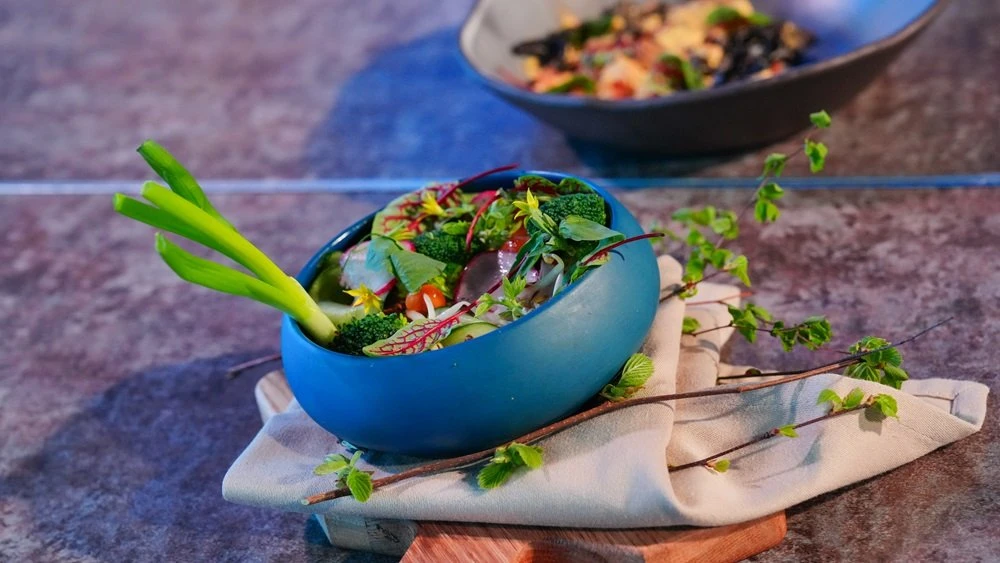
"Our grandparents used all of this: wild garlic, nettle, ground elder, plantain. This is not some exotic produce, but local plants that grow around us and can become the foundation of modern cuisine," the chef emphasised.
The first dish was a "vegetable garden" with gribiche sauce and "edible soil". On the plate, it looked like a miniature garden: broccoli, mushrooms, radishes, sun-dried tomatoes, and greens appeared to "grow" from a dark, crunchy base. The "soil" was made from dried bread, chicory, porcini mushrooms, and spices, while the sauce consisted of homemade mayonnaise with boiled eggs, pickled gherkins, and a generous amount of herbs.
Participants also learned how to cook plants that are often perceived only as weeds. For example, ground elder: the chef suggested frying young stems like asparagus or adding them to hot dishes, while wilted leaves can be dried, ground, and mixed with salt to create an aromatic seasoning for soups and borscht. He described wild garlic as the base of his favourite salad with cucumber and egg. Dandelions, he suggested, can be pickled or soaked in salted water to remove bitterness, and then used in salads and starters.
"I would really like people to see more in ingredients than what is usually assumed. Greens and wild plants play a key role in health. At least 60% of the diet should consist of fresh products — apples, greens, various herbs, vegetables. This is what gastrobotany teaches us," Andrei Kolodyazhny explained.
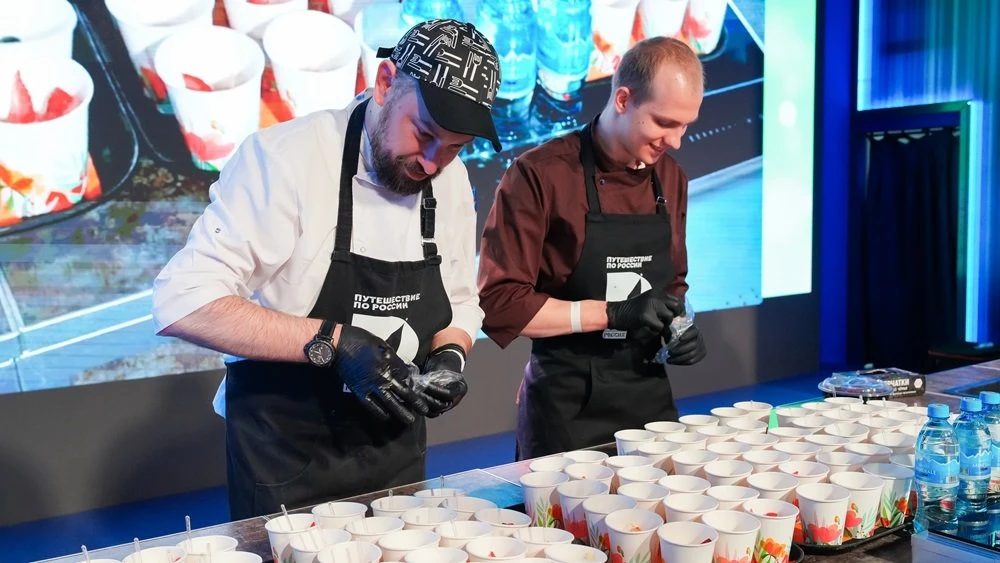
Using broccoli as an example, the chef showed how to turn the stalk into a crunchy snack: slice it thinly, marinate it in cucumber brine with vinegar, and after a few hours it takes on the flavour of a pickled cucumber. He also suggested making pesto from carrot or beet tops with aromatic sunflower oil and walnuts, and serving it on bread or with roasted vegetables.
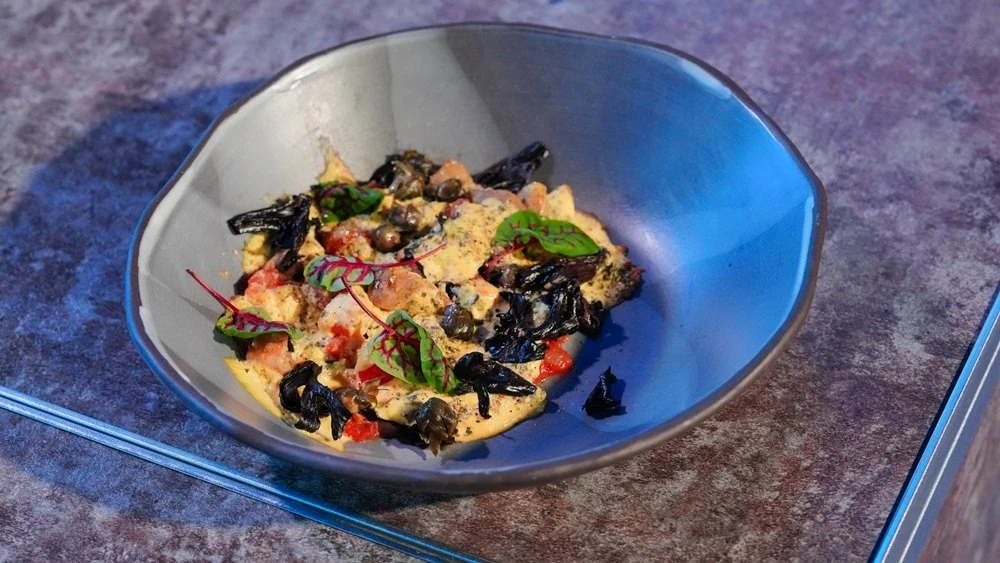
The hot dish featured rapana sea snails with black chanterelles, tomatoes, red onion, and a cheese cream with pickled dandelions. Kolodyazhny prepared the rapana using the sous-vide method at a low temperature to preserve their tender texture, while the black chanterelles were first dried and then sautéed to intensify their flavour.
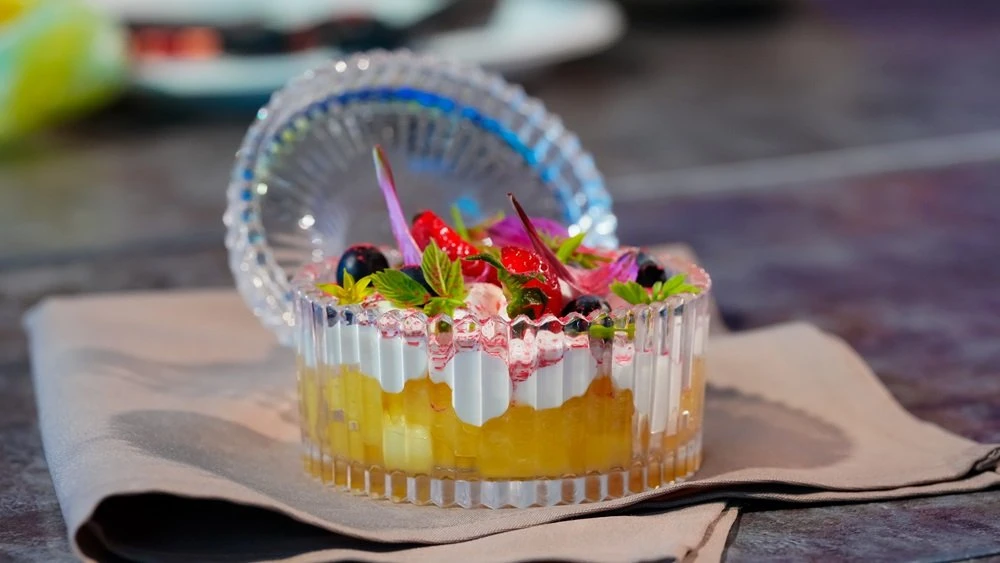
For dessert, guests were served tiramisu with porcini mushrooms and soaked apples, topped with raspberry and beet powder. The chef explained how drying and freeze-drying can be used at home to turn mushrooms and berries into powders and add them to classic desserts, transforming their taste and aroma.
"We are used to thinking that something delicious has to be rare and expensive. But here they showed how you can create complex and interesting dishes literally from plants under your feet. It is very inspiring! I never imagined that pickled dandelions could taste so good, or that tiramisu with apples could be even better than the classic version," said one of the guests, Maxim Volodin.
The masterclass "Seasonal Cuisine: Taste of Spring" at the National Centre RUSSIA demonstrated that modern gastronomy is not always about complex techniques. Truly vibrant culinary creations are born from a close, attentive look at the natural world and respect for tradition.

The National Centre RUSSIA invites visitors to a special event on 19 June dedicated to the unique rock art monuments preserved across the country.

Renowned television presenter and journalist Yekaterina Andreyeva believes that it all begins with the atmosphere within our families.
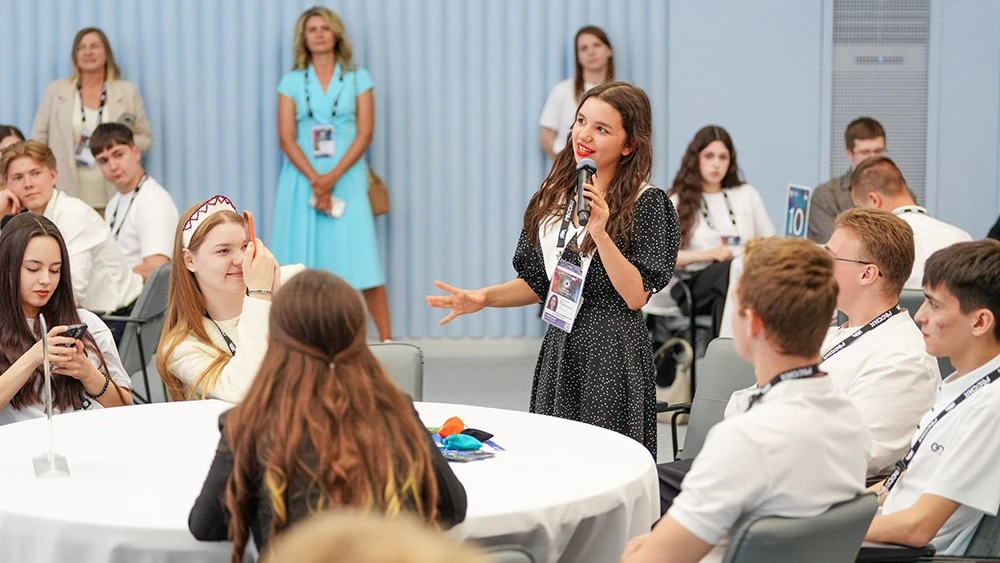
The team from the Altai Territory named "COD — Club of Open Doors" won third place in the 16–18 age category of the II Video Essay Contest "Dreams of the Future".


