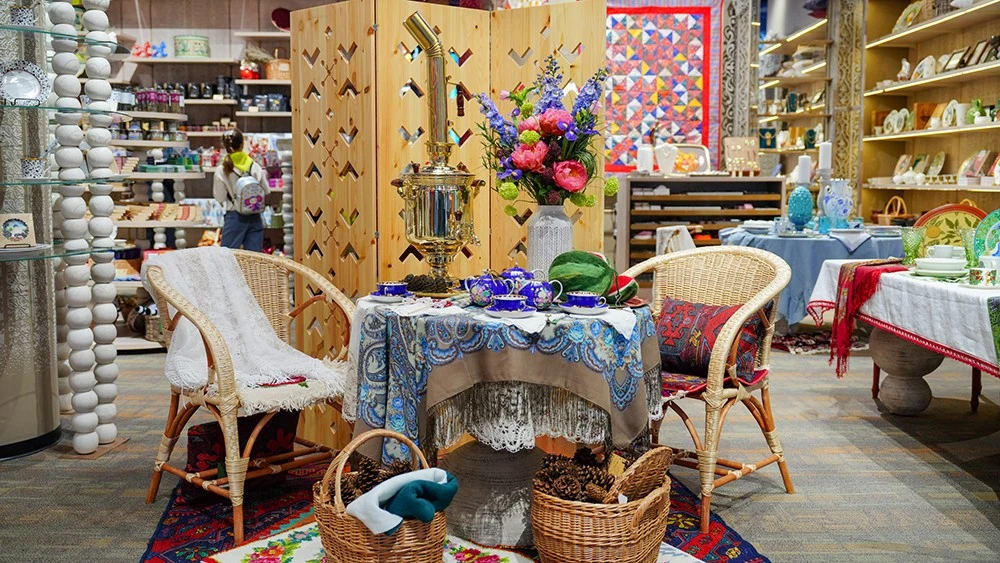
The National Centre RUSSIA congratulates the Russian Library Society on its 110th anniversary
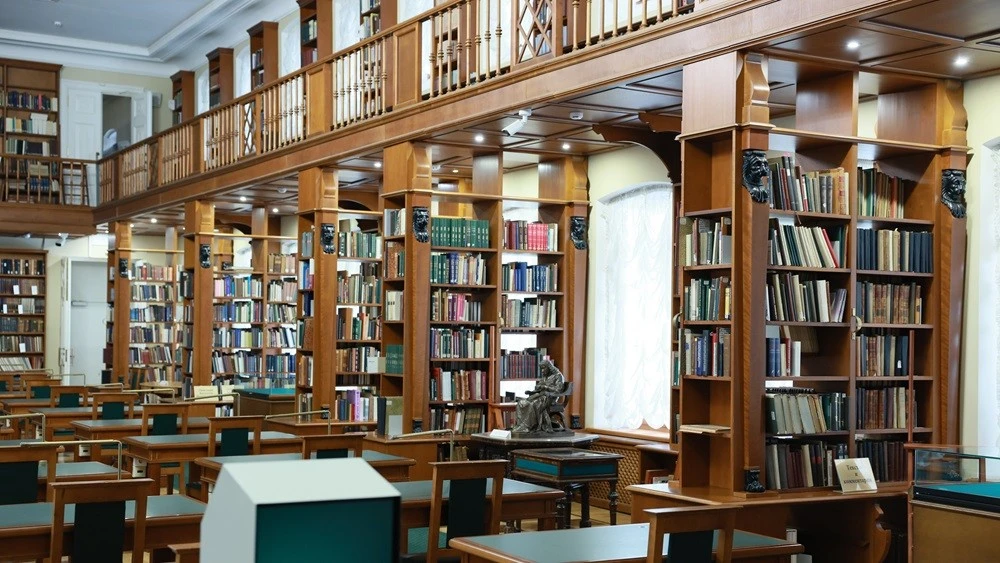
In a rapidly changing world, books and libraries continue to play an important role in society. But can the value of reading and literature be preserved in the age of rapidly advancing artificial intelligence? This question is particularly pressing today. In the year of the 110th anniversary of the Russian Library Society, the National Centre RUSSIA continues the traditions of enlightenment established by librarians and thinkers of the early twentieth century.
The Russian Library Society was founded in 1916 in Moscow. Its founders — Nikolai Lisovsky, Lyubov Khavkina, and Anton Kalishevsky — set out to develop librarianship and improve working conditions for librarians. The society published the journal "For Libraries and Librarians", organised centralised acquisition of library collections, and developed professional standards. One of the outcomes of this work was the standard catalogue card, the principles of which are still in use today.
Lyubov Khavkina played a key role in the history of the society. She organised the first national department of library science in Russia, developed a system of formal library education, founded library courses at the Shanyavsky People’s University attended by more than a thousand students, and led the first research unit for library science in the USSR. Thanks to figures like her, the country’s intellectual infrastructure — libraries — took shape, making education, science, and cultural life possible.
The anniversary is being marked by libraries across Russia, with exhibitions, lectures, and events dedicated to the history of the Russian Library Society and the role of libraries in society. In this context, the National Centre RUSSIA serves as a space where discussions about reading and the future of librarianship continue in a modern format.
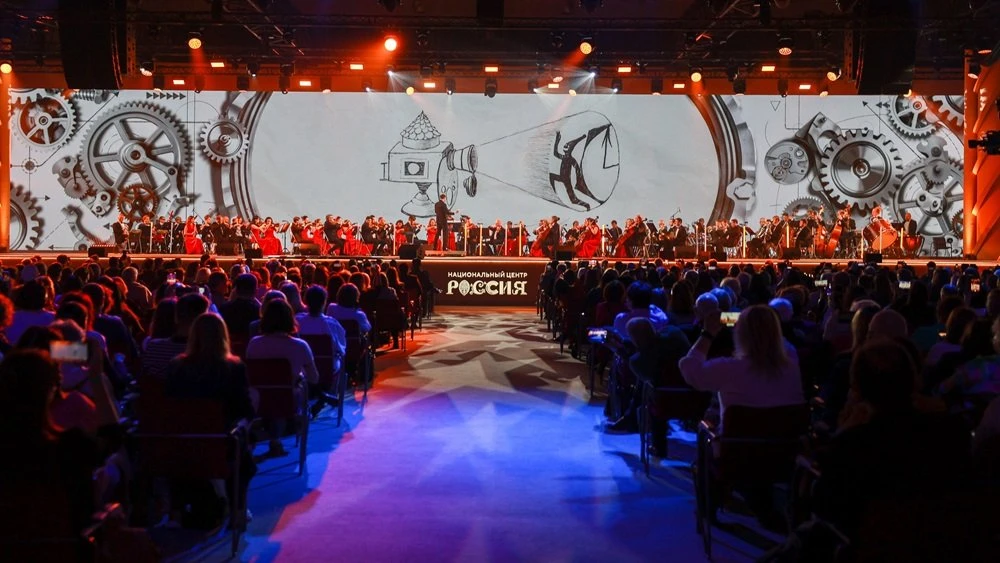
The Literary Club "What to Read?!" operates at the National Centre RUSSIA, where participants discuss new books by Russian authors, explore values, historical memory, and the future of the country, and meet writers — from established figures to debut authors. A recent meeting focused on the novel Alternative by Alexander Zhuravsky, Candidate of Theology and Candidate of History. His futurist work reflects on what Russia may become in the coming decades and how to preserve national identity in an era of rapid technological change.
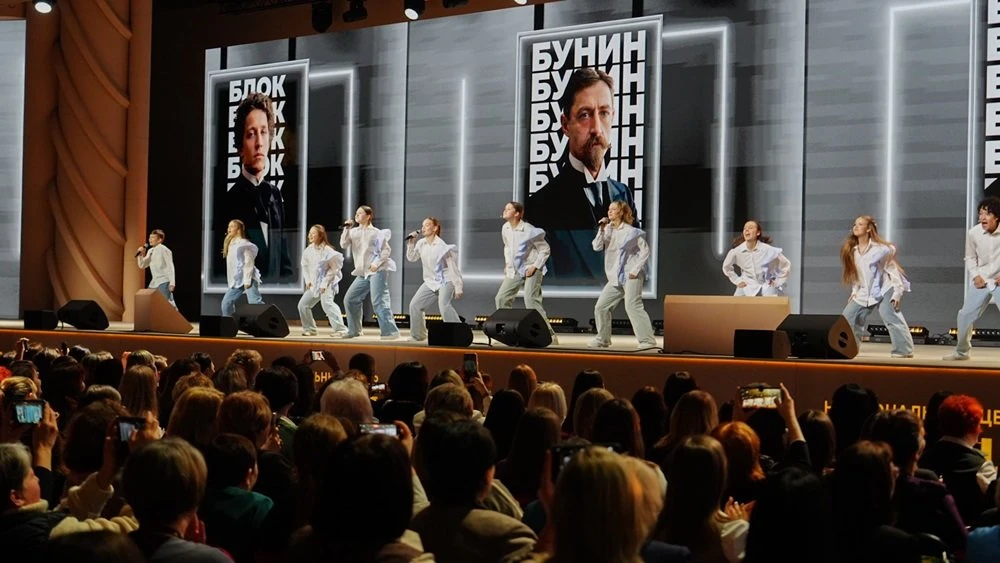
The National Centre RUSSIA also places special emphasis on science fiction. The very first exposition at the venue was "Library of the Future", where visitors could explore works by science fiction authors of the past, learn about their visions and aspirations, and see how they imagined the world 50, 100, and even 1,000 years ahead. The exposition also featured neural network-based visualisations of literary plots.
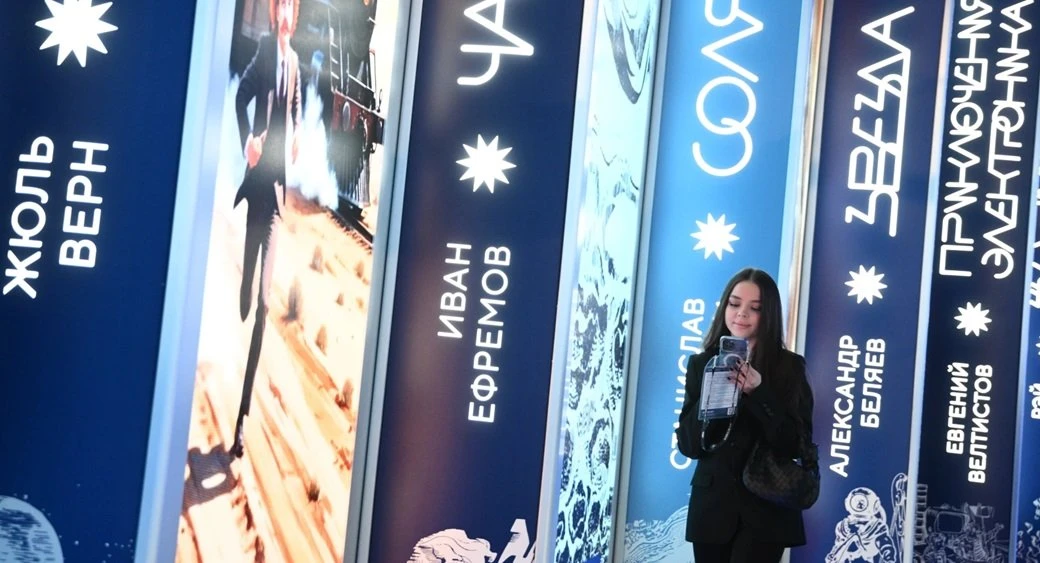
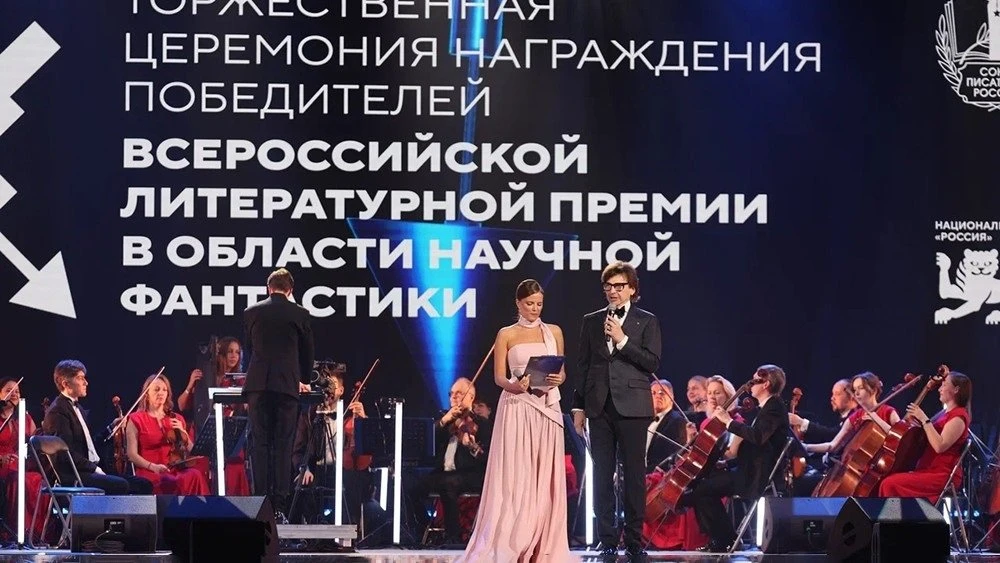
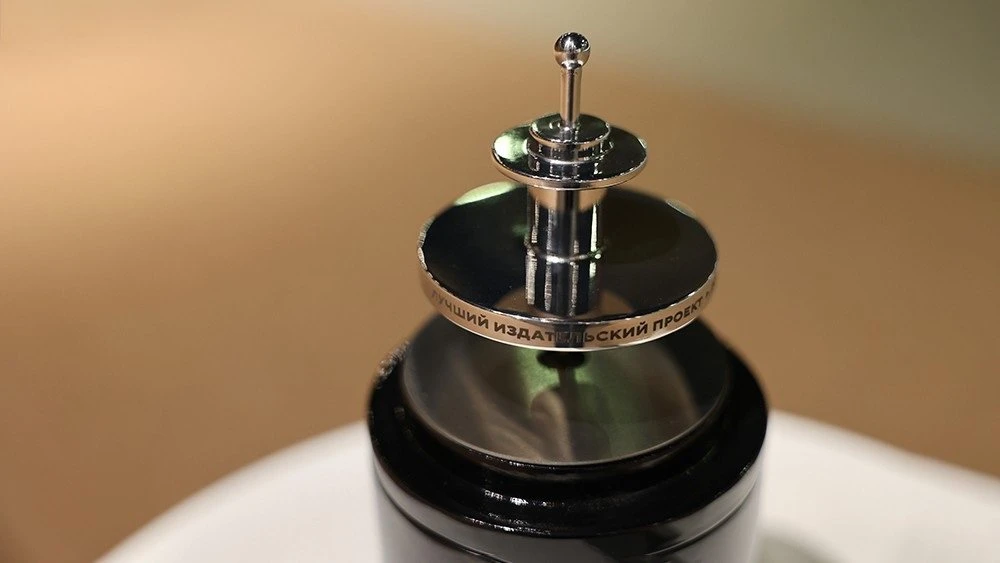
In addition, during the International Symposium "Inventing the Future" at the National Centre RUSSIA, the first Russian Science Fiction Literary Award ceremony was held. For the National Centre RUSSIA, science fiction is important not only as entertainment, but as a tool for discussing the future of science, technology, and society.
By supporting literary clubs, awards, and meetings with authors, the National Centre RUSSIA continues the tradition established by the Russian Library Society — creating a space for reading, reflection, and vibrant cultural dialogue. As it was a century ago, one thing remains essential: the country needs not only technology, but also people who can work with knowledge, ask questions, and take responsibility for the future.
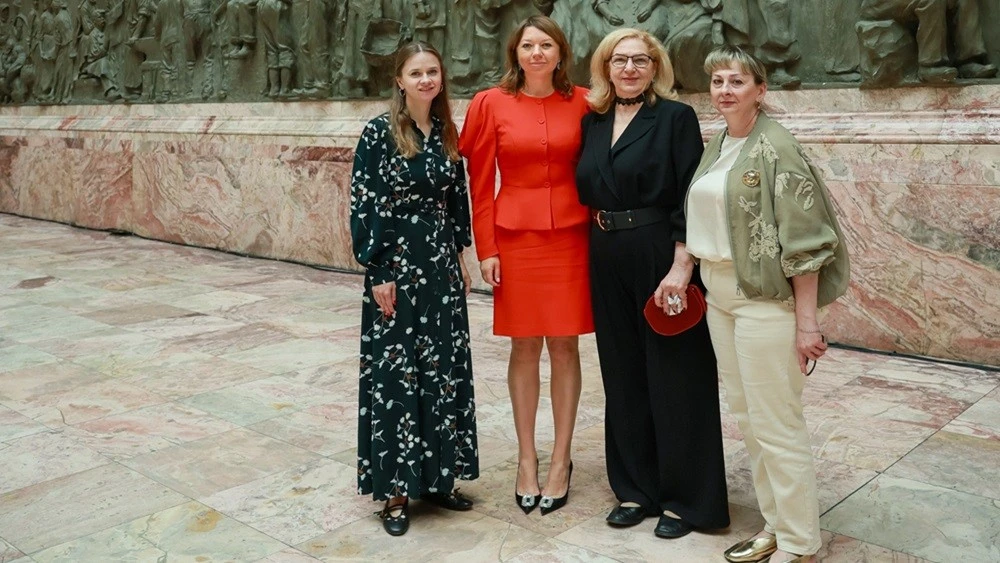
The presentation of a major international ethnographic project by the National Centre RUSSIA will be held in Zaraysk on 18 June.