


Delegation of the National Centre RUSSIA visits Chinese city with rich Russian legacy
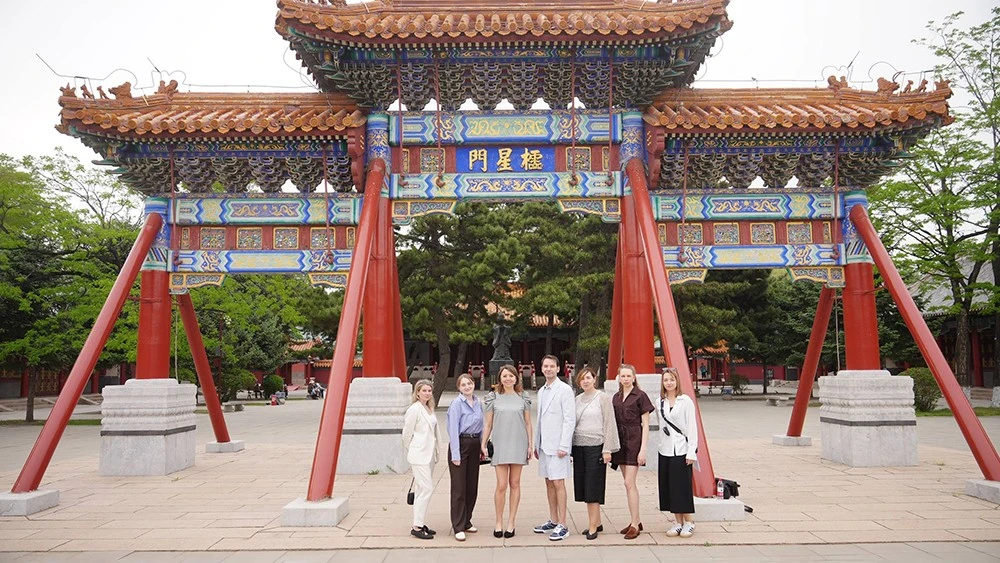
The team of the National Centre RUSSIA, headed by Director
General Natalia Virtuozova, visited key landmarks in Harbin, a city where
Russian, Chinese and European traditions are intertwined in a remarkable way.
Exploring the cultural legacy of the capital of Heilongjiang Province became an
important part of the delegation’s programme in China ahead of the 10th
Russia-China EXPO.
"The National Centre RUSSIA continues the warm
tradition of exploring cultural centres and best practices around the world. The
decision for the space to take part in the Russia-China EXPO was no
coincidence. Harbin has historically been closely connected with our country.
Here, the legacy of the Russian people who founded the city is carefully
preserved, history is remembered, traditions are honoured, and interest in
everything Russian remains strong. Every corner of the city is imbued with the
spirit of centuries-long cooperation between Russia and China. I am confident
that the products of Russian manufacturers, which will be presented at the
Department Store at the exposition in Harbin, will be in demand among our
friends from China," said Director General of the National Centre RUSSIA
Natalia Virtuozova.
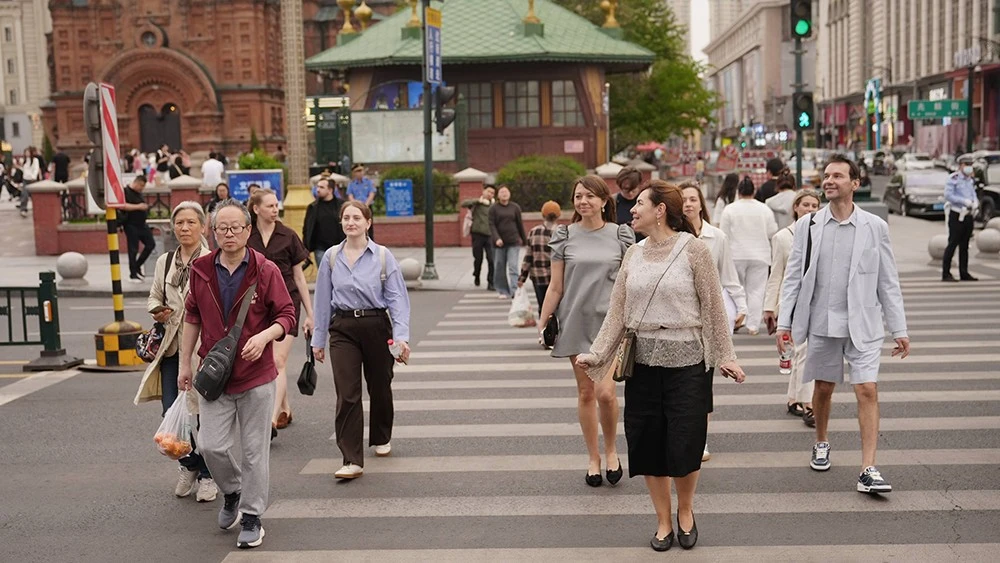
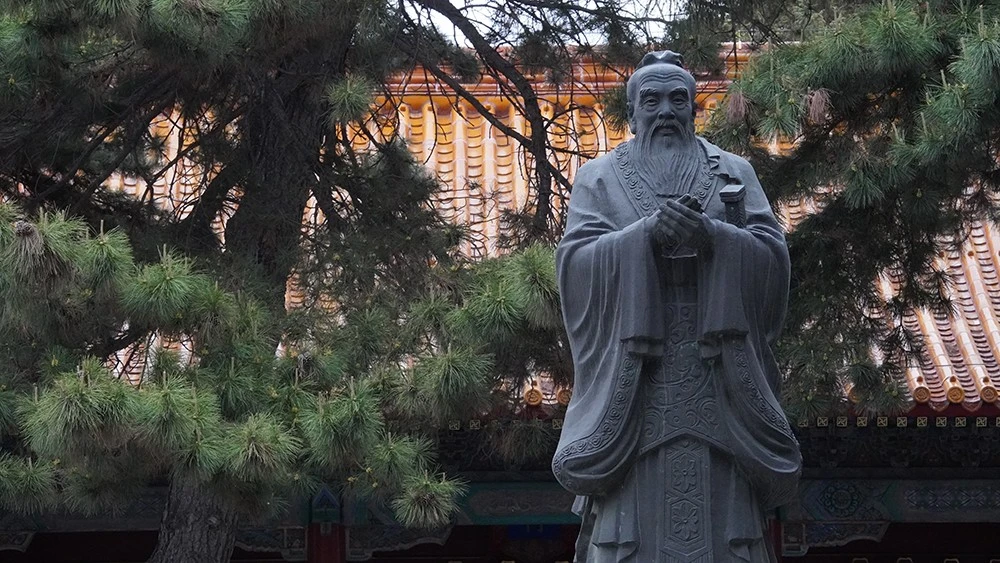
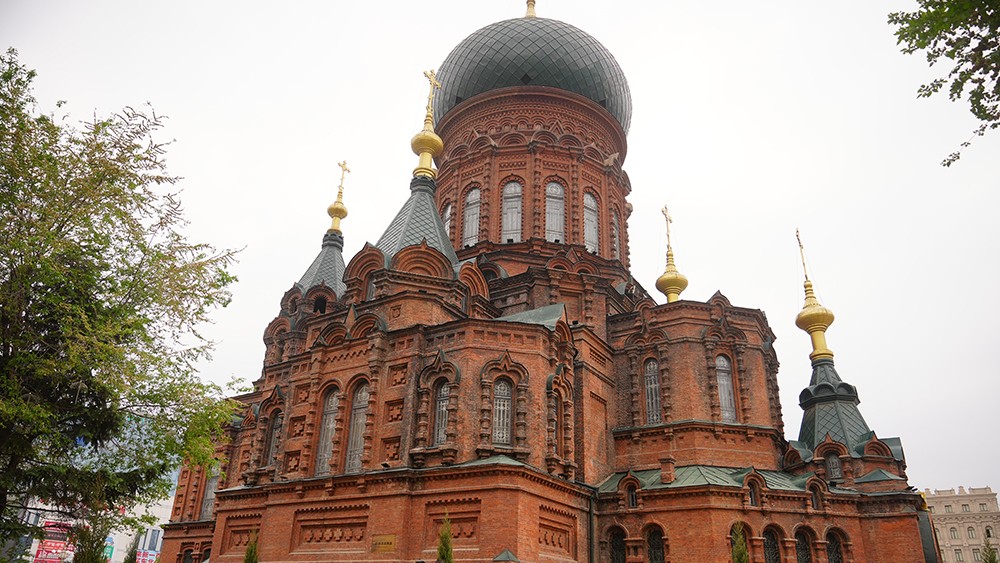
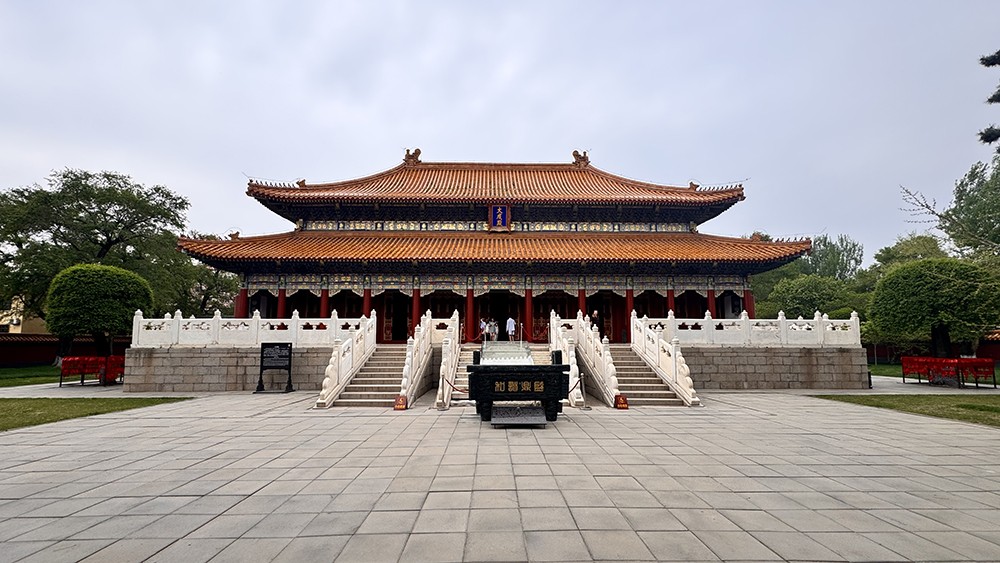
The team of the National Centre RUSSIA visited the city’s key landmarks, including the Confucius Temple, the local pedestrian street, Saint Sophia Cathedral and other iconic sites. The city’s history began in 1897 with the construction of the Chinese Eastern Railway, which was intended to connect Chita with Vladivostok through Manchuria.
"The site for the city was chosen on the bank of the
Songhua River. Local fishermen called it Harbin, which means 'a place for
drying fishing nets' in Manchu. Russian engineers, soldiers, workers and
merchants then began settling in the city. By 1903, the railway had been
completed, and the city had turned into a lively multinational centre where
Russian, Chinese, Polish, Japanese and other languages were spoken. Harbin
became a crossroads of different countries and civilisations. Russian
engineers, workers and settlers laid the foundations of the city’s development,
building churches, railway stations and hospitals. After the October
Revolution, the city became the largest centre of Russian culture in China.
Today, while walking along the local Arbat, visitors can see many signs in
Russian," said guide Irina Kravchenko.
In many ways, Russian engineers, workers and settlers laid
the foundations of the city’s development, building churches, railway stations
and hospitals. With their participation, the first polytechnic institute, which
had a Russian-Chinese character, was also established.
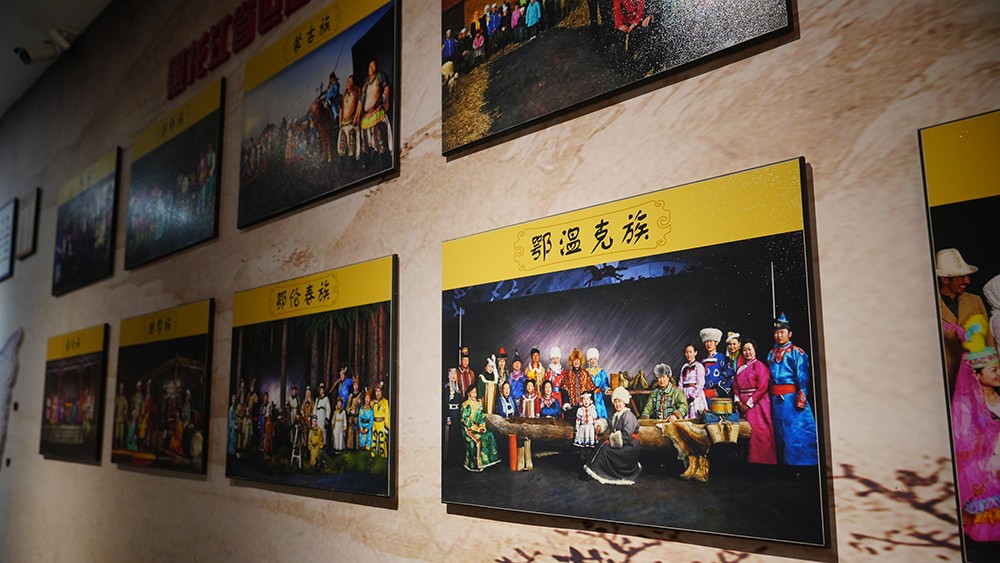
One of the stops on the route was the Heilongjiang Ethnic
Museum, dedicated to the peoples living in northeast China. The exposition
tells the story of the culture, everyday life, national costumes, traditional
crafts and rituals of the ethnic groups of Heilongjiang Province. Special
attention is paid to preserving the cultural legacy of the region’s
small-numbered peoples. The museum is considered an important centre for studying
and popularising the ethnic diversity of the country’s northeast.
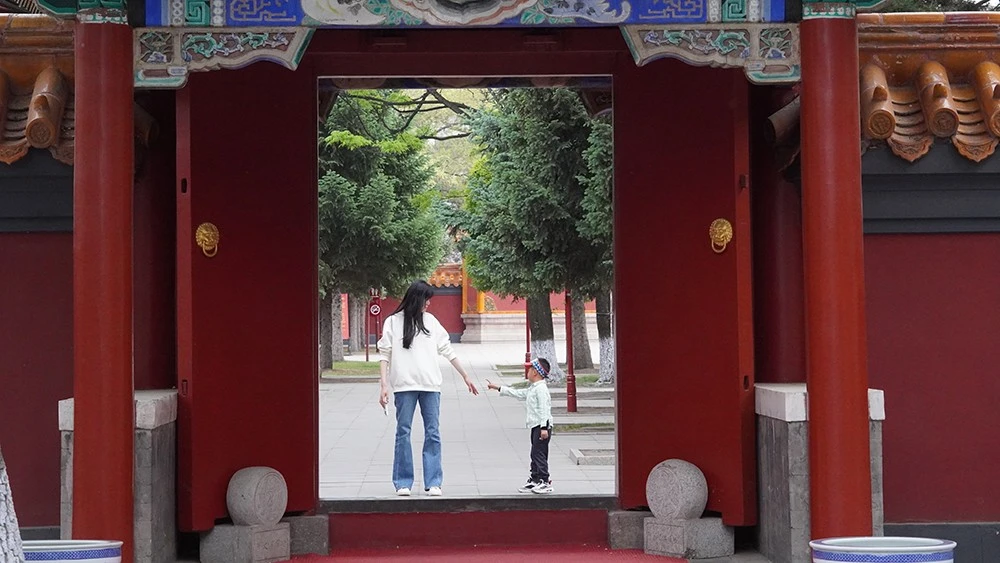
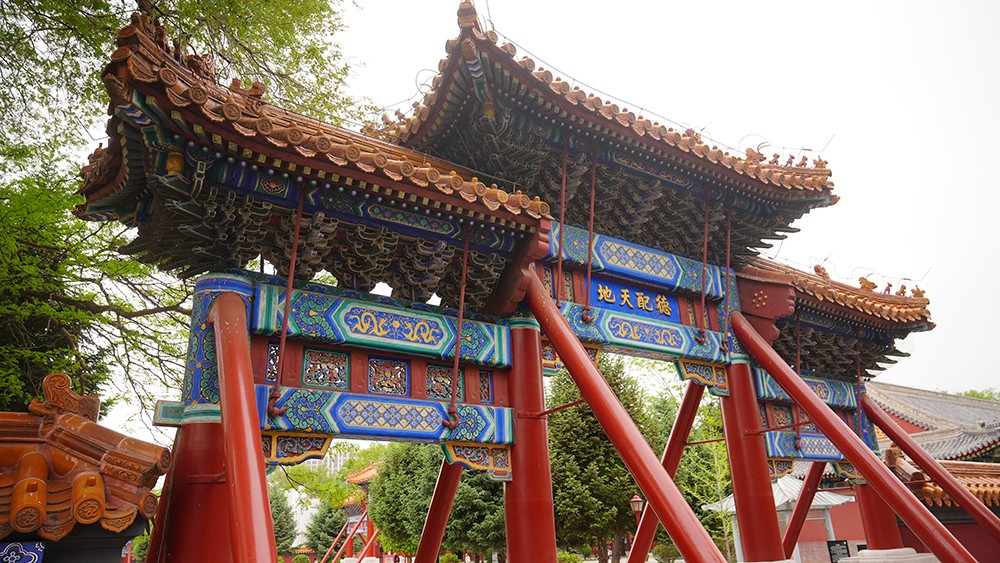
The museum grounds are home to the largest and
best-preserved Confucius Temple in northeast China. It was built in 1926-1929.
The guests saw the "Gate of Etiquette" (Kinzumen), an architectural
element with deep meaning: according to an ancient custom, everyone entering
the temple had to pass through it.
The delegation also visited Saint Sophia Cathedral, one of
Harbin’s main symbols and a monument of Russian architecture. It was built in
1907 and is now considered the largest Orthodox church in the Far East. The
building is designed in the Russian style and is more than 53 metres high.
After a major restoration, the cathedral was transformed into the Harbin Museum
of Architecture and Art, which presents materials about the city’s
multinational history and architectural legacy.
The National Centre RUSSIA will take part in the 10th
Russia-China EXPO, which will be held in Harbin from 17 to 21 May. It is one of
the largest international platforms for developing trade, economic, industrial
and cultural cooperation between the two countries. As part of the exposition,
the National Centre RUSSIA will present its flagship project, Department Store
RUSSIA. Guests will be able to discover goods by Russian manufacturers, folk
arts and crafts, and unique products from the regions of our country.
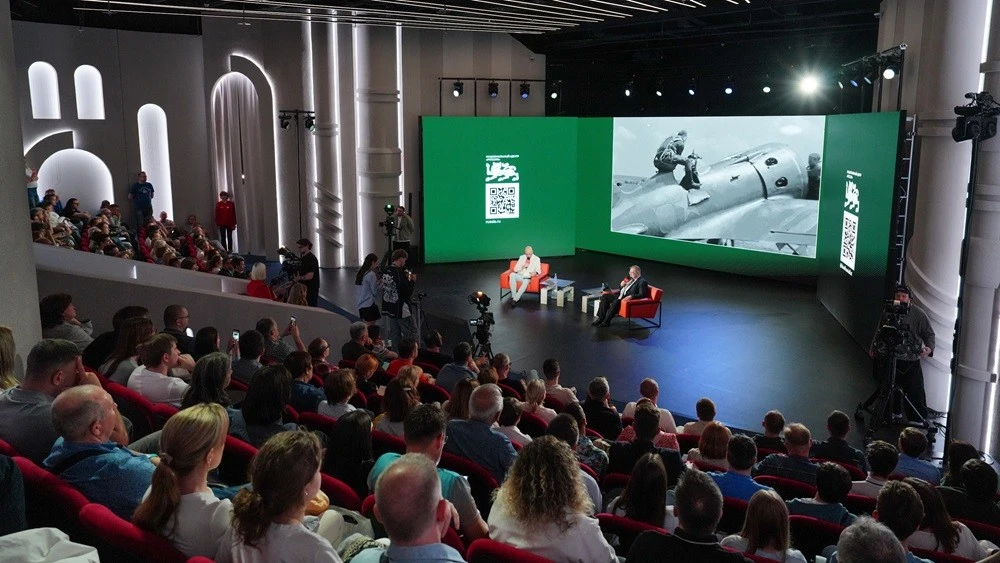
The conversation began with an examination of how Europe gradually, step by step, moved towards another major conflict after the First World War.
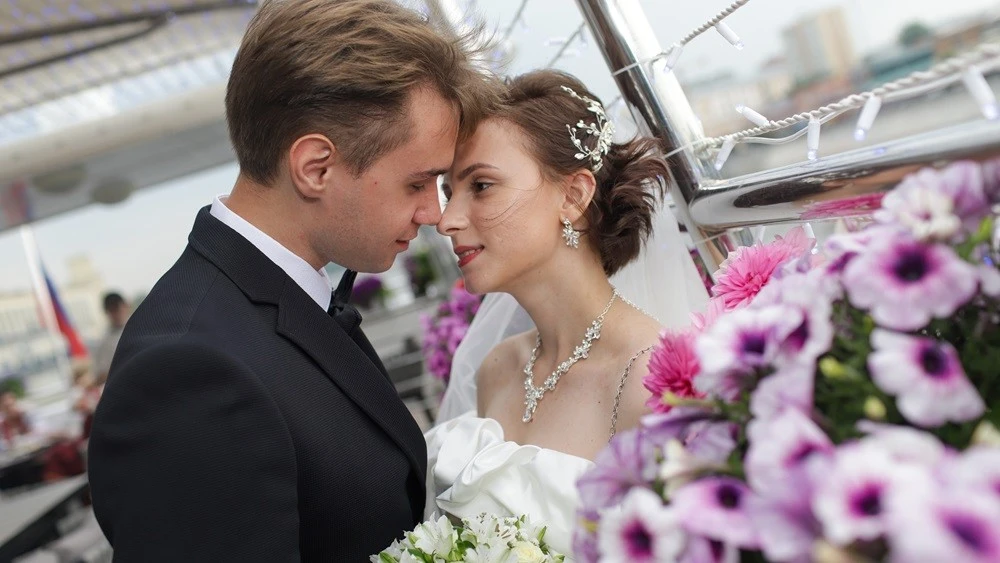
The survey was conducted from 3 to 8 June. A total of 1,712 women from across Russia took part.
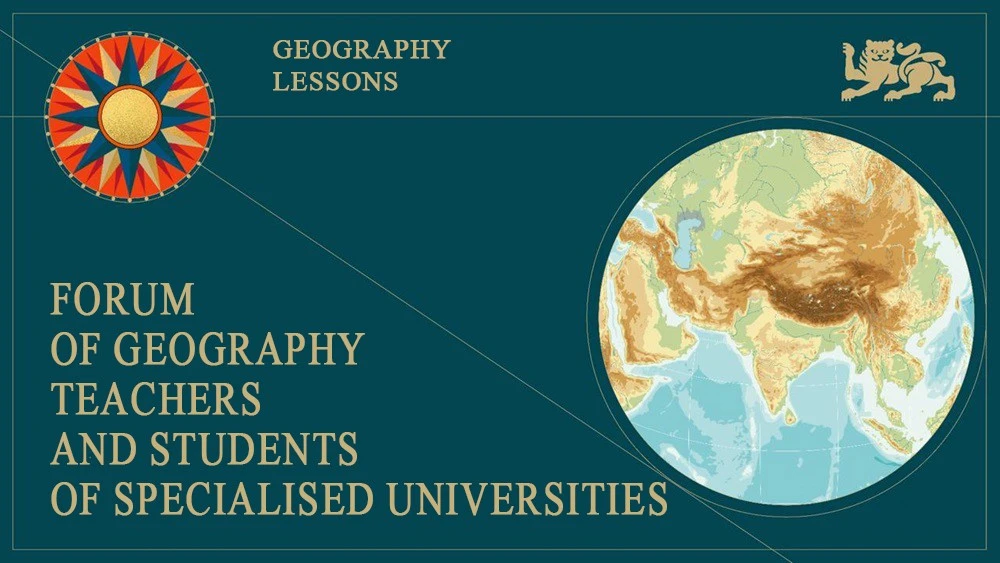
The National Centre RUSSIA will serve as the main venue for a major event in the field of education — the Forum of Geography Teachers and Students of Specialised Universities.


