


Dynamics, drama, emotions: young journalists from the National Centre RUSSIA master sports reporting
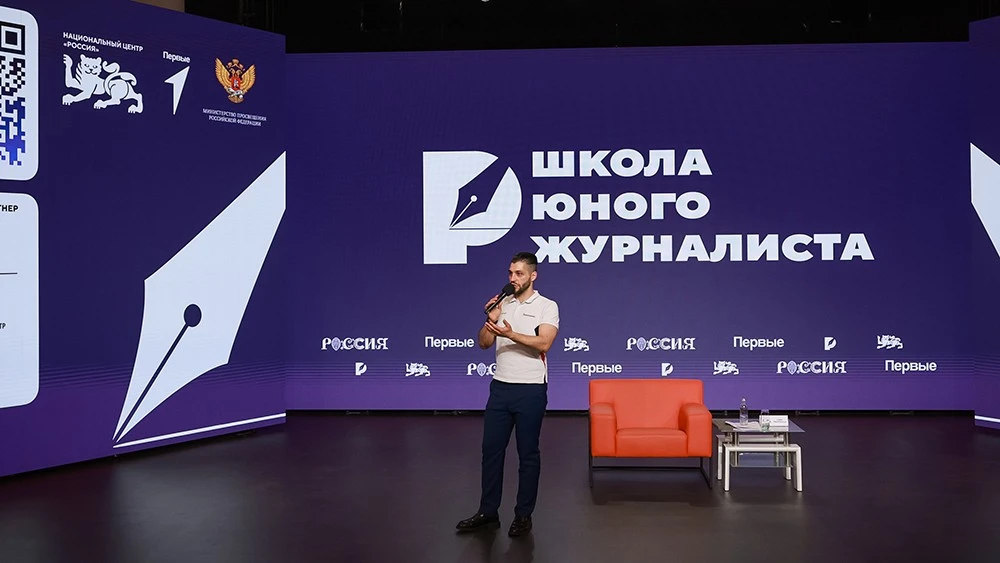
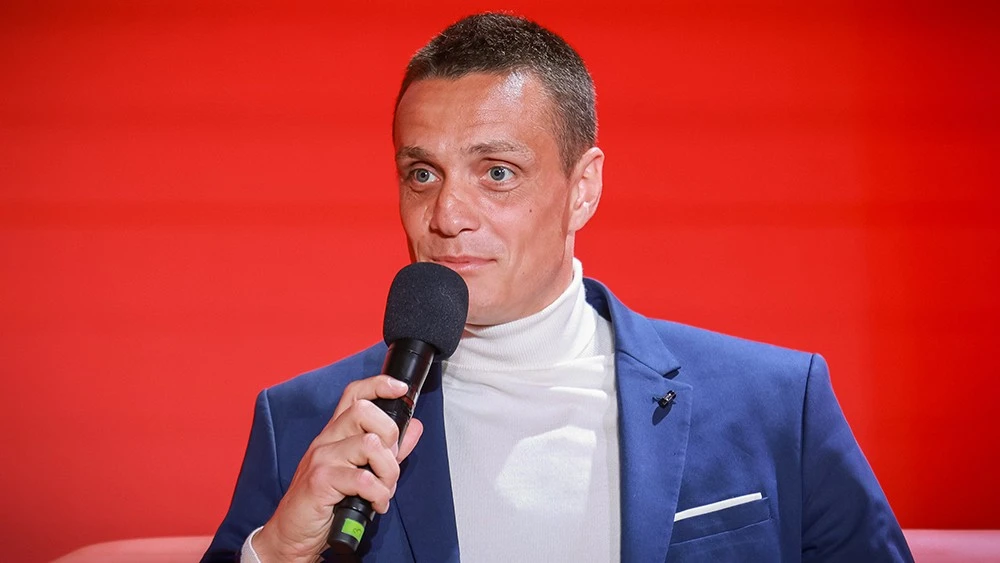
A class dedicated to sports media was held at the National Centre RUSSIA for participants of the Young Journalists School project. The session was led by TV presenter, sports journalist, and host of sports and large-scale events Givi Tvaltvadze. The students learned how sports coverage differs from regular news reporting, how sports and media exist in symbiosis, and why a reporter's task is not only to announce the score, but also to convey the energy of the game.
The session, titled "Sports Journalism: Dynamics, Drama, Emotions. Reporting from Competitions," began with a brief historical overview. The expert mentioned songs about heroes of knightly tournaments as the origins of the first sports reports, introduced the students to 19th-century publications about horse racing and hunting, and then moved on to Sovetsky Sport (Soviet Sport) publication and modern digital platforms.
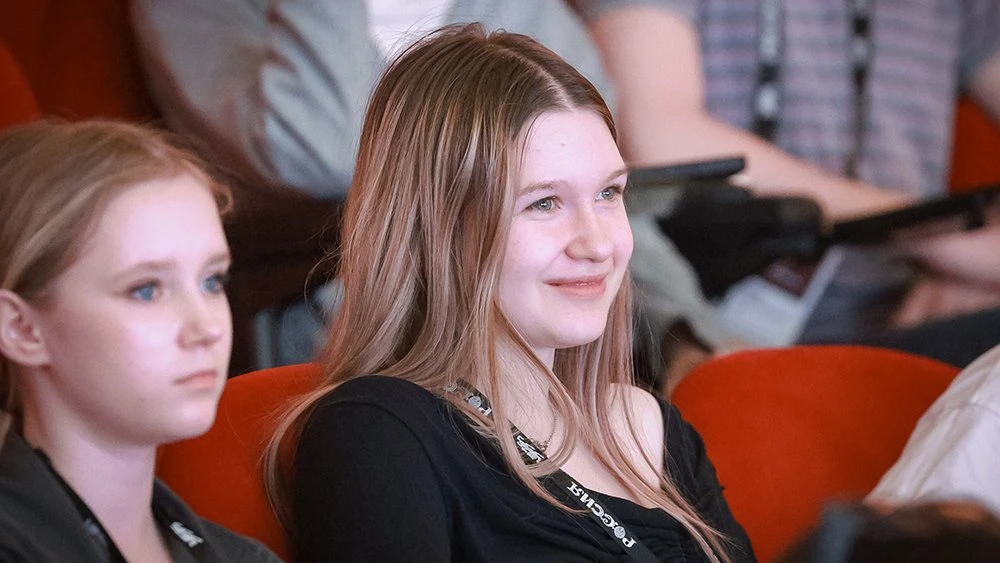
"Today, sports and media live in symbiosis. Sports teams and federations need media to attract fans, partners, and new participants. The media, in turn, cannot exist without vivid sports stories. And at the centre of this exchange stands the sports journalist, who gathers, verifies, and presents information in a way that is understandable and engaging not only for fans, but also for those who are just beginning to immerse themselves in sports," emphasised Givi Tvaltvadze.
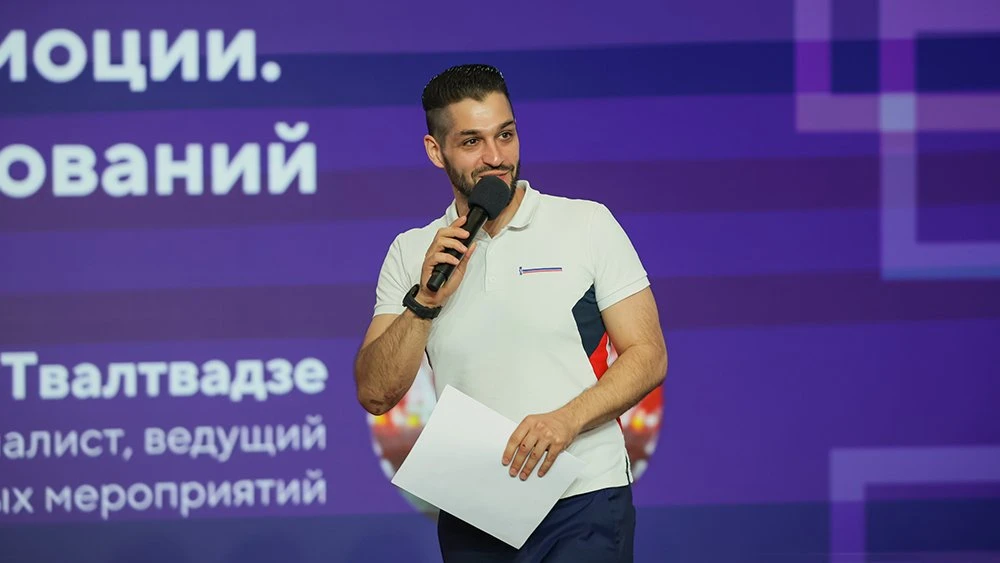
The participants discussed how a sports news piece differs from a report, interview, review, and analytical article. Using examples from the expert's own work, the students saw how a single piece can combine elements of different genres: voice-over narration with facts, live on-the-scene reporting, interview clips, and the author's personal assessment of events. Givi Tvaltvadze also spoke to the students about professional ethics and responsibility during live broadcasts.
"It is very important to remember that you are responsible for every word — both on air and in writing. If you make a mistake, the most honest thing to do is to address the audience directly and admit it. It is also important to follow ethical standards: never make things personal, ad hominem style, avoid rude remarks, and remember that when you are wearing a headset or holding a microphone, you are still a journalist. One careless phrase can cost you your reputation," the TV presenter noted.
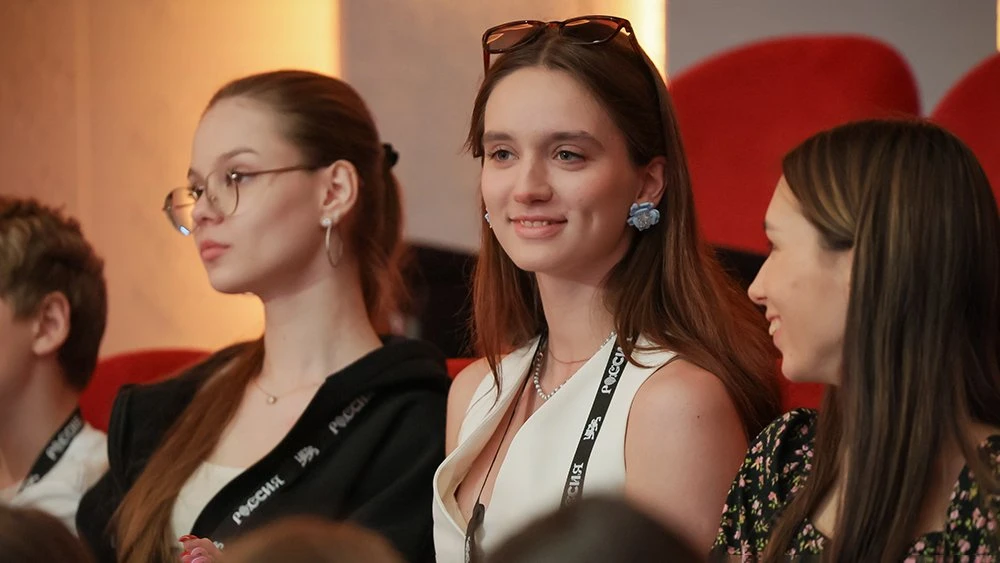
Givi Tvaltvadze explained why it is important to build contacts in the sports world from a young age — with coaches, athletes, officials, and press services. He also described how modern journalists use social media to find interesting personalities and arrange major interviews.
During the practical part of the session, participants were invited to try themselves as sports commentators. Working in pairs, they commented on fragments of a mini-football match and a fencing tournament. The students admitted that improvising in front of an audience is much harder than it seems: they had to simultaneously follow the game, choose the right words, and maintain dialogue with a co-host. The expert offered real-time advice — not to chase every movement of the ball, to find time for analysis, compare moments, recall context, and not to fear pauses if they are followed by meaningful commentary.

At the end of the session, Givi Tvaltvadze shared several practical recommendations with the young journalists: read a variety of texts — not only sports-related, but also fiction literature; pay attention to language; create a personal "stress dictionary" for correct pronunciation; and regularly engage in sports themselves.
"A sports journalist is not only someone who talks about other people's victories, but also someone who leads an active life, reads, observes, and constantly broadens their horizons. The more versatile you are, the more vivid your texts and reports will become. And most importantly — remember that your task is not simply to recount the score, but to convey the emotion, the tension, and that very drama from which sports are born," he concluded.
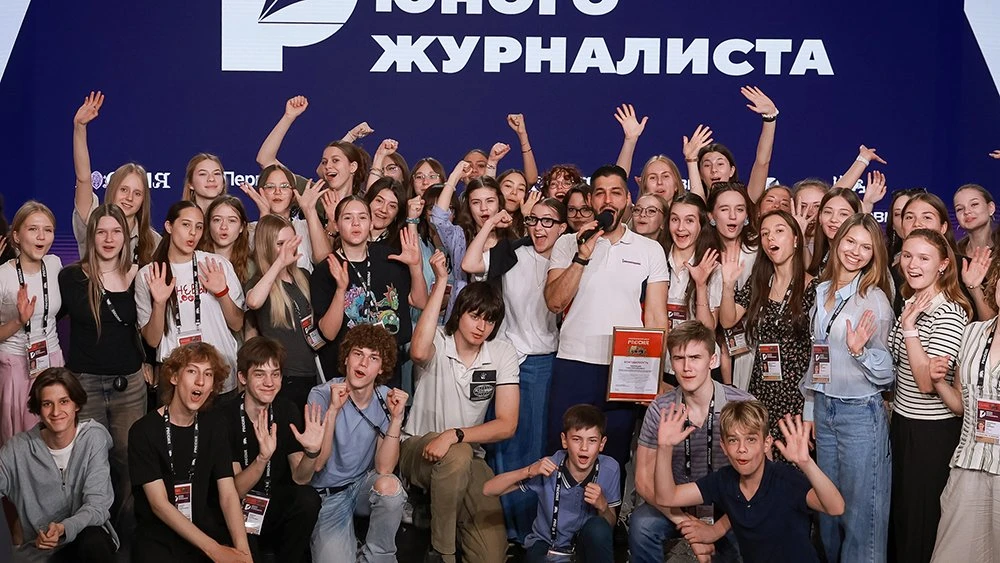
The Young Journalists School is a multi-format project of the National Centre RUSSIA. It helps teenagers gain basic professional skills, become acquainted with leading Russian media outlets and practicing journalists, learn how to work with information, and take their first steps toward a future profession. The project is implemented by the National Centre RUSSIA jointly with the Movement of the First and with the support of the Ministry of Education of the Russian Federation.
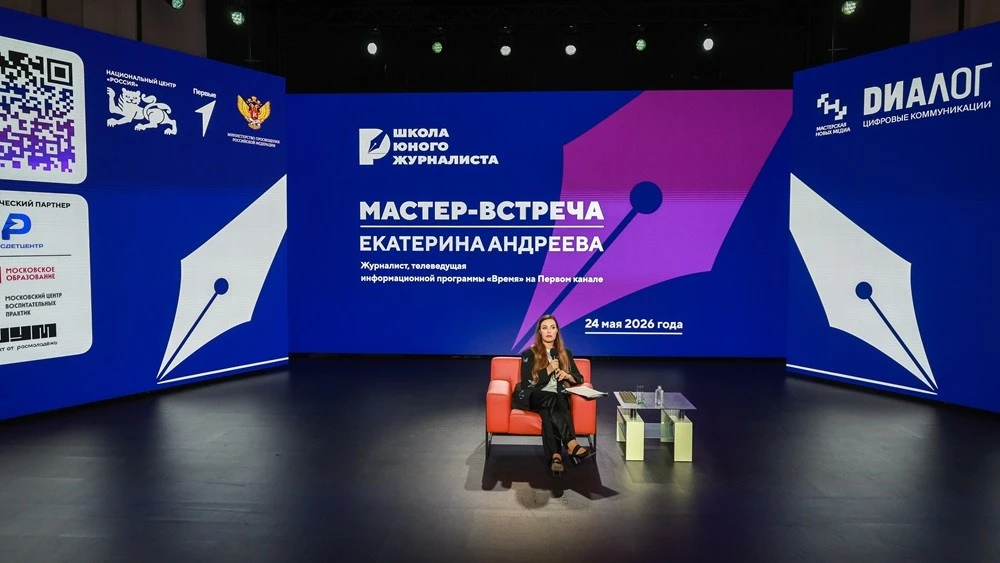
The expert shared with the students not only professional secrets, but also her personal success story.


