


Longevity as a resource: Selina Neri on the new frontier of labour and learning at the Open Dialogue at the National Centre RUSSIA
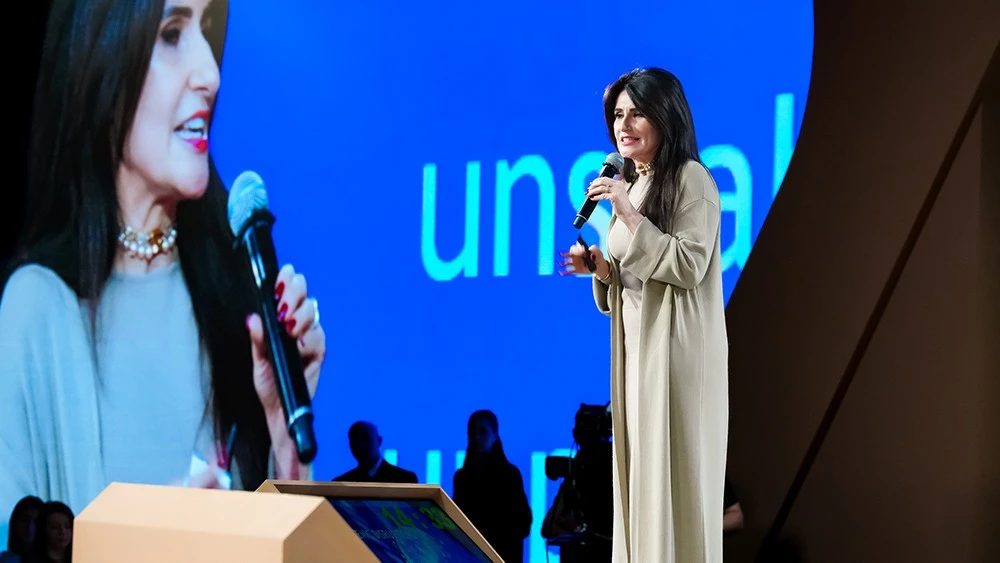
Live longer, never stop learning, always stay active, and do
not fear the world of technology and artificial intelligence. On the second day
of the II Open Dialogue "The Future of the World. A New Platform for
Global Growth" at the National Centre RUSSIA, Professor Selina Neri from
the UAE suggested viewing human capital as a new frontier of opportunities,
where every generation can build education, careers, and longevity in a new
way.
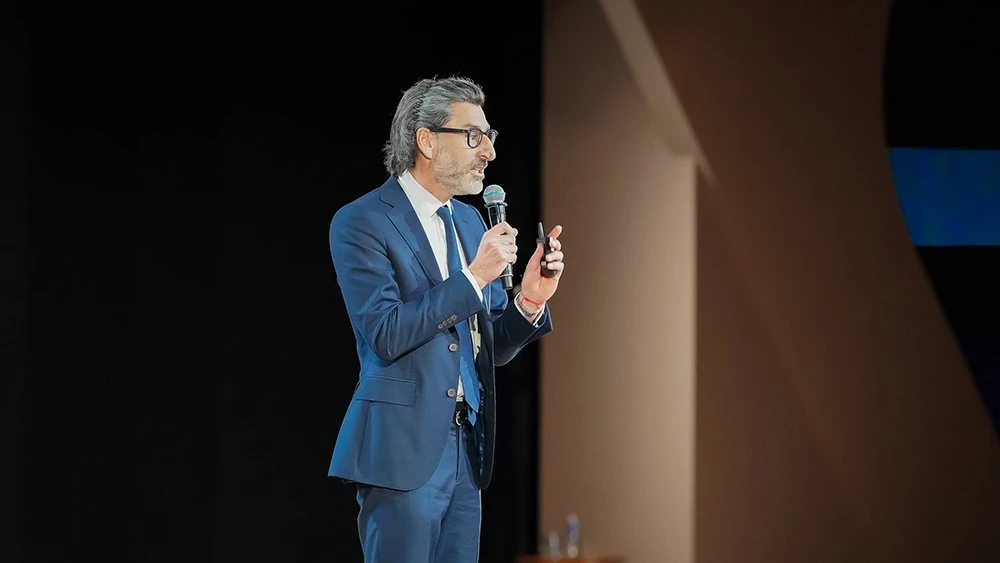
The panel pitching of the "Investments in Human Capital" track took place on 28 April at the National Centre RUSSIA. The
speaker was the co-founder, Director General, and Dean of the Future Readiness
Academy (UAE), visiting professor at the SKOLKOVO School of Management, Dr
Selina Neri. The event was dedicated to preparing people, institutions, and
educational systems for a future in which uncertainty becomes the norm and
technology changes the labour market faster than curricula and the rules of the
game can adapt.
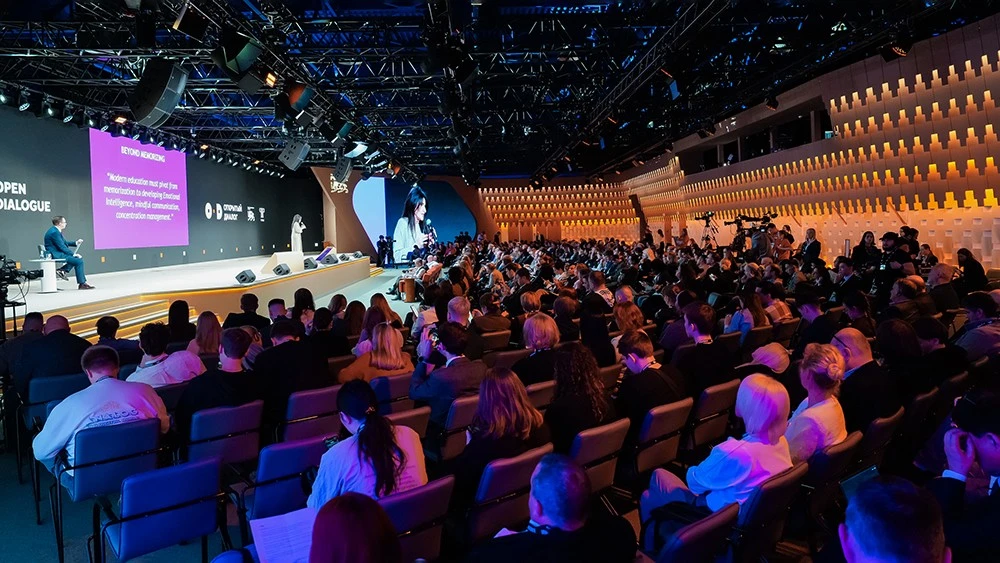
According to Selina Neri, the world has ceased to be linear
and predictable. In this reality, the task of education and institutions is to
help people learn to live and work during a long phase of uncertainty.
"Uncertainty is not going anywhere. It will change its
shape like a dress: the fabric, the colour, the size, but it will stay with us
for a long time. The question is not how to 'escape' to a stability that no
longer exists, but how to develop the qualities and patterns of behaviour that
allow us to thrive in this uncertainty," she emphasised.
One of the key themes of the speech was artificial
intelligence. Selina Neri suggested viewing AI not as a threat to jobs, but as
a reason to radically reassemble the very architecture of labour.
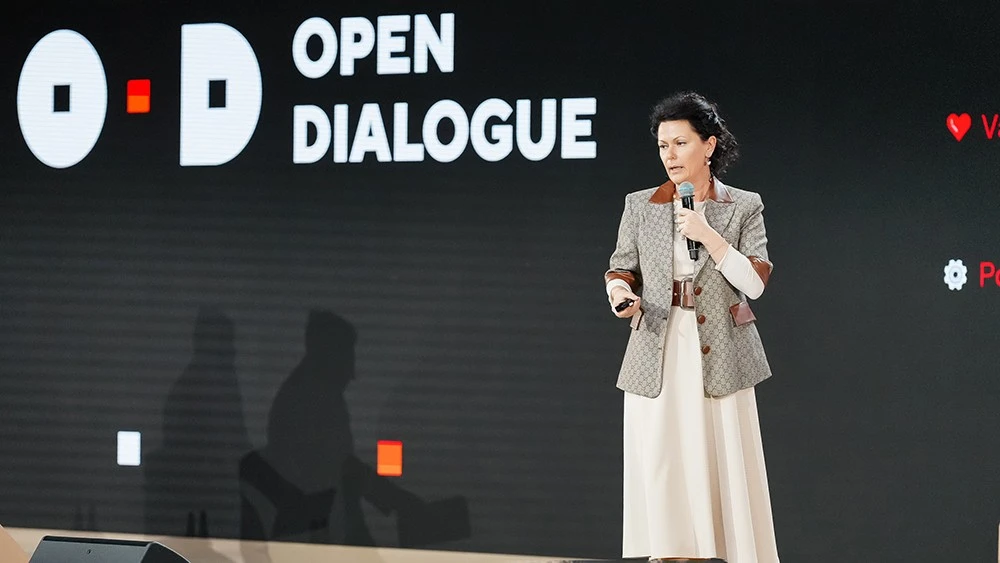
"The technology industry loves to complicate
everything, but even generative AI is just a tool. It is important that it
helps us formulate better questions and develops confidence in our own
curiosity, rather than replacing thinking," the expert highlighted.
Selina Neri proposed discussing the future not only through
the prism of children and young specialists but also through the prism of
ageing and longevity. According to her, the traditional model of "learn —
work — retire" is no longer effective in a world where people live longer
and remain active.
She stressed that longevity is not only medical progress but
also a challenge for educational systems and the labour market. People
balancing several roles and types of activity need new formats of learning and
support to remain competent throughout their lives.
Selina Neri reminded that investments in human capital are
impossible without investments in those who teach and guide others:
"Teachers, mentors, and professors change our lives. As a lecturer, I use
AI myself, but I will never hand over the most important thing to it — live
interaction and those moments that change the trajectory of my students. The
future of labour and education must be created together — by teachers and
students, employers and young specialists."
In the second part of the session, the jury of the
"Investments in Human Capital" track heard and discussed four essays
recognised as the best following the first day. Their authors offered different
answers to how societies can adapt to the demographic and educational
challenges of the future.
Serbian expert and advisor to the Union for National
Development, Affirmation and Social Dialogue (UNRAD), Yelena
Milicevic-Prorokovic, showed that demographic decline is a systemic risk for
the economy, politics, and state sovereignty. She proposed a model of
demographic resilience in which state policy is built around family support,
active ageing, and long-term strategy.
German political scientist Leonard Landois spoke about
longevity as a moral and cultural challenge. According to him, the key
investment of the 21st century is not technology but the human being — their
character, capacity for responsibility, and depth of life.
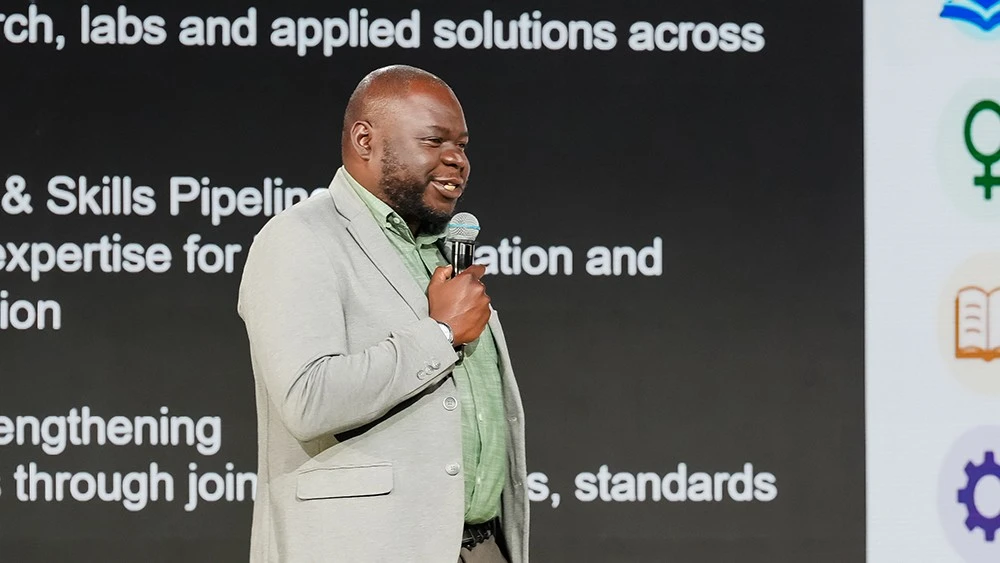
Economist and Director of the Graduate School of Business at
the University of Zambia, Lubinda Haabazoka, suggested viewing education as the
key to real cooperation and the development of human capital within the BRICS
format. He also proposed a step-by-step roadmap: from the recognition of
diplomas and the expansion of scholarships to the creation of joint programmes
and research consortia.
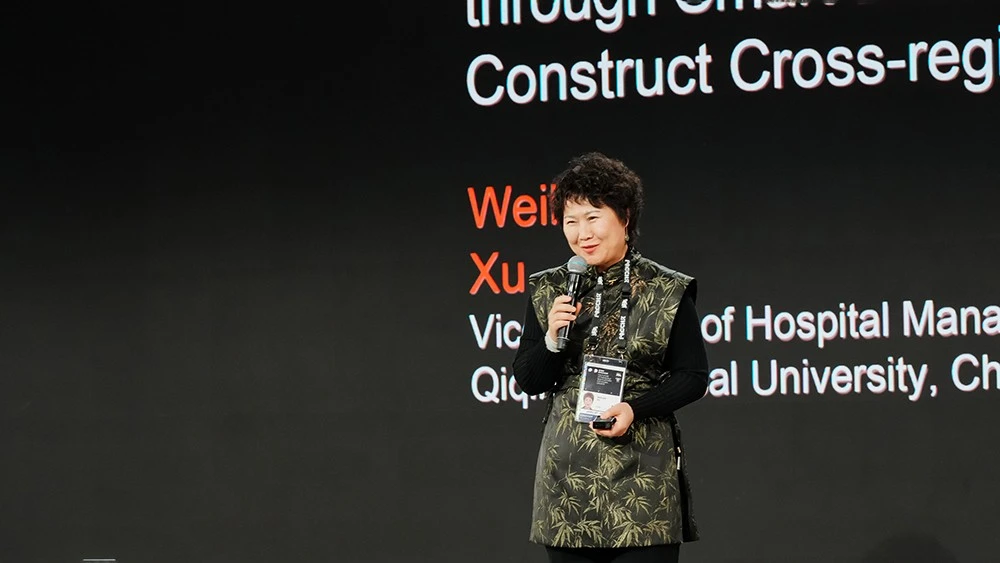
Chinese professor and Deputy Dean of Qiqihar Medical
University, Weilan Xu, presented the results of a study on "smart"
elderly care services in the city of Qiqihar. The model she proposes combines
state policy, local service stations, and digital platforms that can be adapted
to regions with similar challenges, including the Russian Far East.
By the jury's decision, Lubinda Haabazoka was named the
winner of the "Investments in Human Capital" track. He will be
invited as a speaker to the final, concluding expert dialogue.
"The education system is the common language we can
build within BRICS. If we agree on standards, start to better understand each
other's culture, and remove barriers such as sanctions and unequal access to
science, the countries of the South will have a chance to develop together.
Russia is already becoming a platform today that can mobilise us in one
direction and help build a multipolar world with equal opportunities," the
expert noted.
The final event will take place tomorrow, where the best
ideas from all tracks will be consolidated into a general agenda and will form
the basis of a new analytical report that the National Centre RUSSIA will
present at international venues.
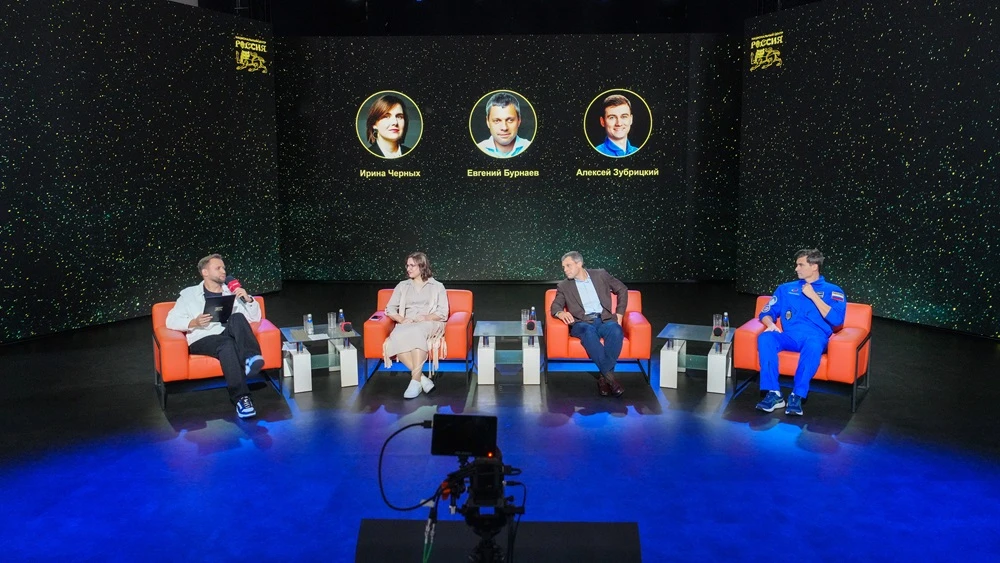
The event was hosted and moderated by producer and space exploration populariser Pavel Bugrov.
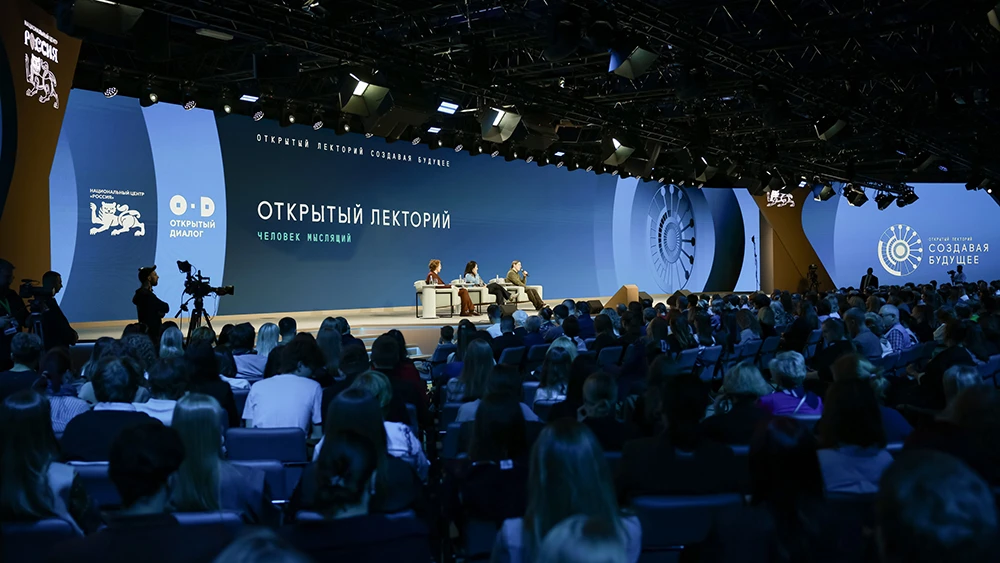
The experts discussed how the digital environment is changing the way people consume information, why it is important to maintain the ability to concentrate.
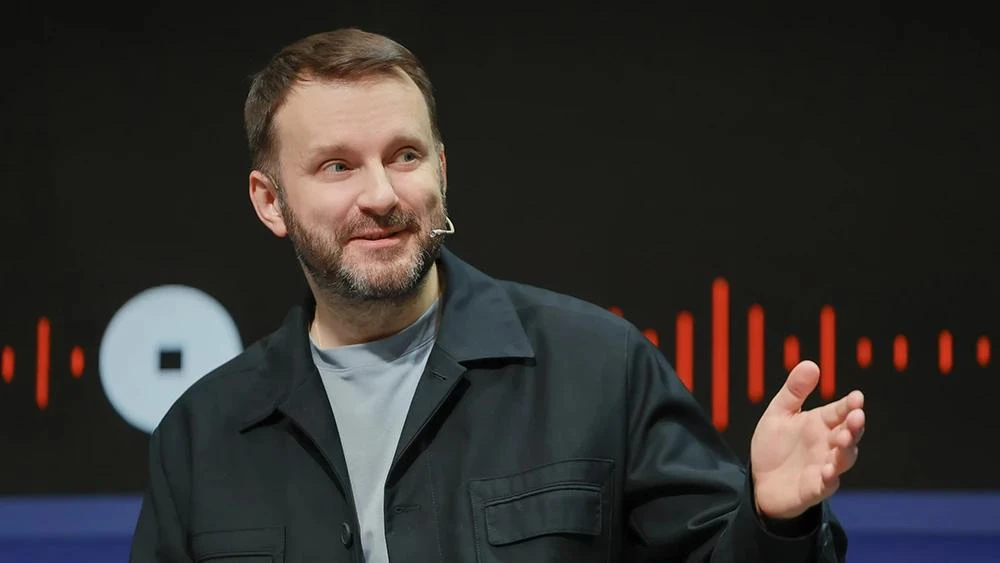
The talk was held in Yekaterinburg as part of the International Festival of Youth — 2026.


