


"Dostoevsky 205 Years On": Literary Club participants at the National Centre RUSSIA draw parallels between classic literature and the digital age
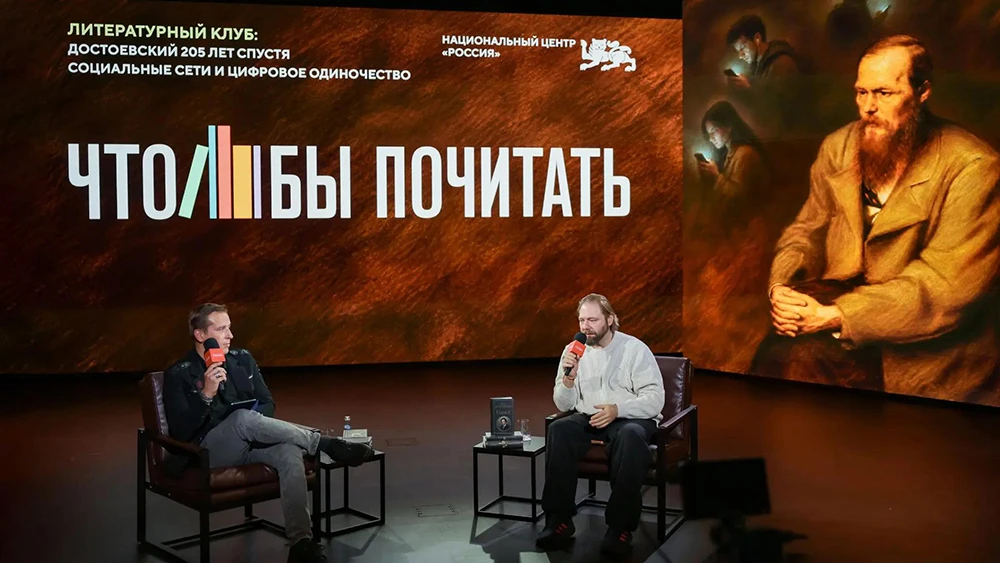
Participants
at a meeting of the Literary Club "What to Read?!" discussed digital
loneliness, freedom and faith through the work of Fyodor Dostoevsky on 19
November at the National Centre RUSSIA. Nikolai Zharinov, a well-known advocate
for art and literature, and Ivan Negreyev, a scholar of religion, invited the
audience to reflect together on the theme "Dostoevsky 205 Years On: Social
Media and Digital Loneliness". They discussed Fyodor Dostoevsky's literary
legacy, setting aside the usual school curriculum to consider how remarkably
accurately his work describes our digital reality. The meeting marked
the 205th anniversary of the birth of one of Russia's greatest writers.
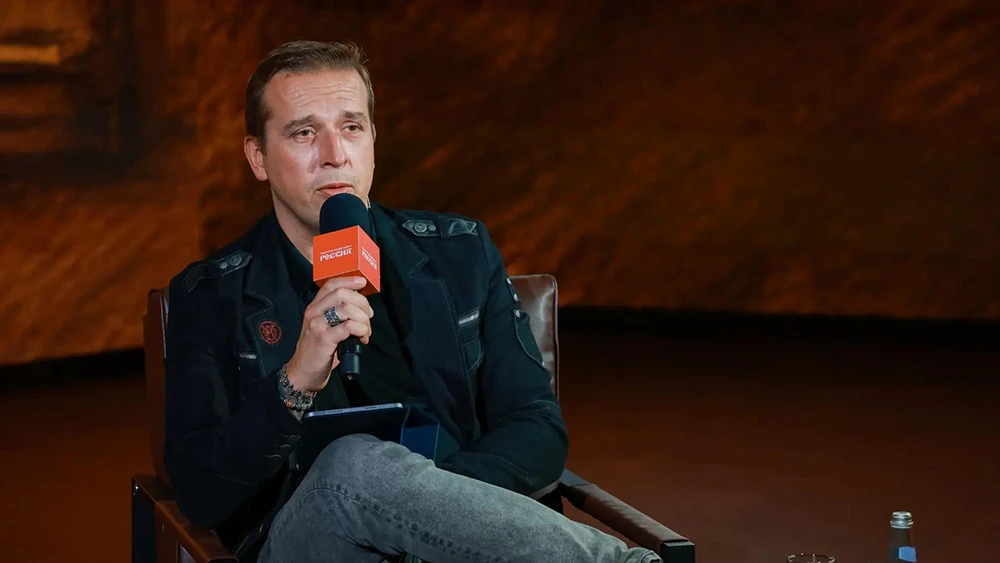
The host, Nikolai Zharinov, a Russian philologist, cultural
scholar, writer, journalist and lecturer known for bringing art and literature
to a wider audience, suggested seeing social media as a new kind of underground
— a place where people notice you while keeping their distance. He recalled
that the protagonist of "Notes from Underground" feels a painful need
for others to see him yet pushes away the very person who can understand him,
and that his encounter with Liza exposes the difference between wanting to
appear to be a saviour and being ready for genuine closeness.
"This is the sort of person who will always resist, and
even if you promise him happiness, he simply won't want it. He's completely
wrapped up in himself and his own ideas and never looks beyond them. And if you
look at, say, a hater on social media today, you'll realise he's almost exactly
like the Underground Man — a kind of person Dostoevsky described back in the
19th century," said Nikolai Zharinov, drawing a parallel with the present.
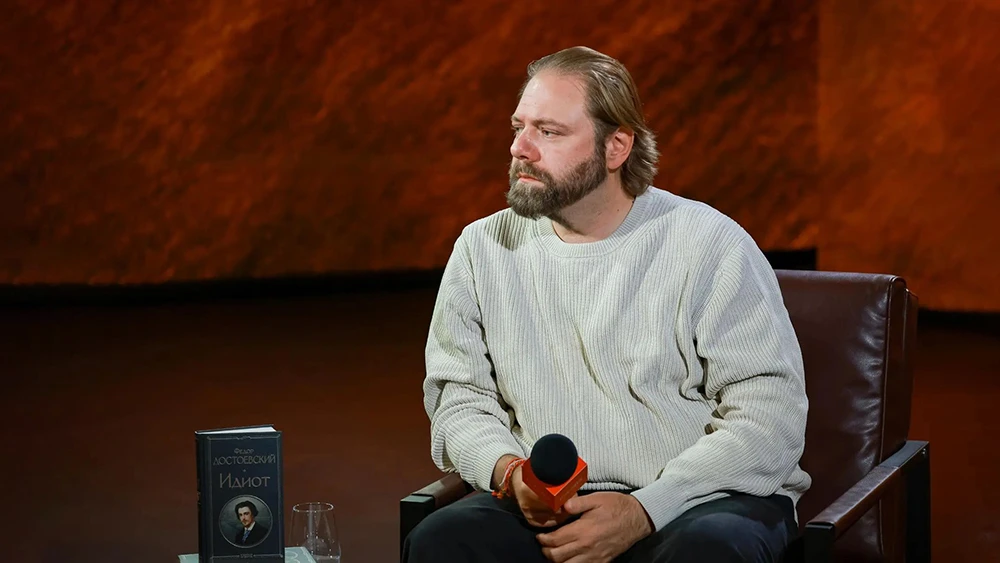
Ivan Negreyev, a scholar of religion, senior lecturer in the
Department of Theology at the Moscow Theological Academy and in the Department
of Religious Studies at St Philaret's Institute, author of a lecture series on
the history of world religions and researcher of traditional cultures,
suggested comparing the underground with a monastic cell: the former deepens a
person's hostility towards others, while the latter prepares a person to meet them.
He also discussed the religious concept of pride and explained how genuine
human encounters in Fyodor Dostoevsky's work differ from the way people in
online communities feed one another's egos.
"All of Dostoevsky's characters ask God difficult
questions, even if we divide them into good and bad characters, as we do at
school. Both the characters who openly defy God and the thoroughly gentle ones
do this. It's just that the first ask with one kind of passion, and the others
with another. I think this teaches us to be inwardly honest about how we see
God. Dostoevsky doesn't try to present religious life as some kind of glossy
image, as we'd say today. He presents it as honestly as he can. And in that
sense, all his characters ask very honest and very uncomfortable questions at
one point or another," Ivan Negreyev noted.
The second part of the discussion focused on faith that can
withstand doubt. Nikolai Zharinov reminded the audience of Fyodor Dostoevsky's
1854 letter to Natalia Fonvizina, in which the writer calls himself "a
child of the age, a child of unbelief and doubt" while remaining committed
to Christ, and cited Ivan Karamazov's protest in the chapter
"Rebellion" — the voice of a man who refuses to make peace with the
way the world is.
"Dostoevsky had good reason to say that he was a child
of doubts and contradictions. Even when we talk about his faith, it may seem
that Fyodor Mikhailovich was a hundred per cent a believer, yet we see that he
says of himself: 'I believe in God differently from the way a boy does: my
faith came through a great crucible of doubt.' And think, for instance, of what
Prince Myshkin says the moment he sees Hans Holbein's painting 'The Dead Christ
in the Tomb'. He says: 'What a terrible painting. A painting like that could make
someone lose their faith.' Perhaps those are Dostoevsky's own words, because
when he saw that painting, what he felt above all was doubt about his own
faith, something he struggled with all the time. But then it was precisely
because of his own doubts that he was able to portray such varied and utterly
opposed characters, who in many ways foretold the paths human thought would go
on to take," Nikolai Zharinov said.
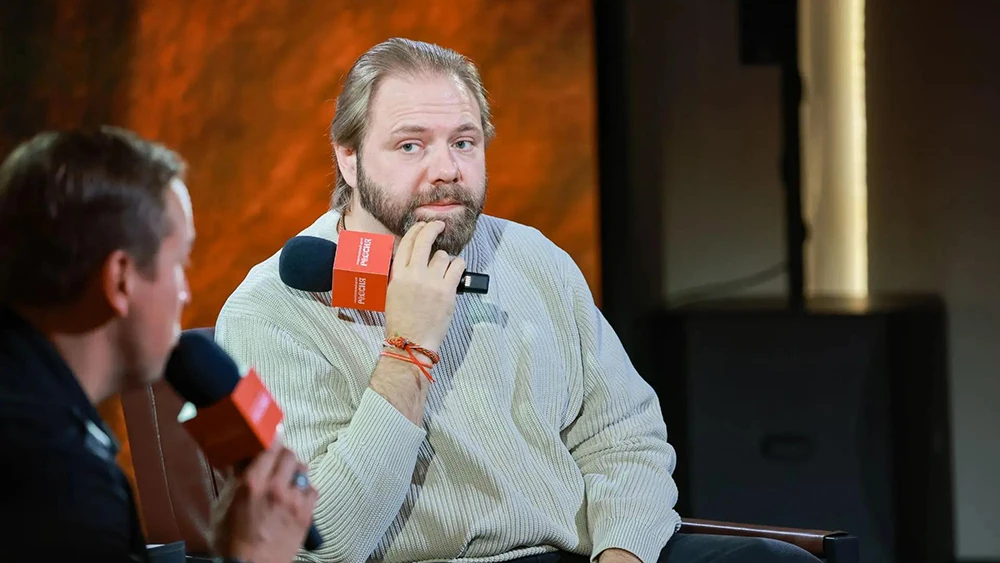
Ivan Negreyev noted in turn that Ivan Karamazov's question
does not destroy every kind of faith: it undermines some beliefs and makes
others more honest. He also warned against oversimplification: if we recast
Fyodor Dostoevsky's ideas solely in terms of psychological well-being and
explain sin as trauma and salvation as the restoration of self-esteem, their
meaning is lost.
"Perhaps an uncompromising defence of freedom runs
through all of Dostoevsky's work — a freedom that people find hard to bear and
are always looking, or would like, to replace with a more comfortable, gentler,
safer and more pleasant existence. And this is precisely what the Grand
Inquisitor talks about when he proposes a model for just such a world, where
everything is comfortable, safe and pleasant, yet the whole arrangement is
dishonest and leaves people with no freedom at all. Dostoevsky values freedom
highly, and in particular the decisions people make freely and of their own
will, including the decision to believe in God," Ivan Negreyev added.
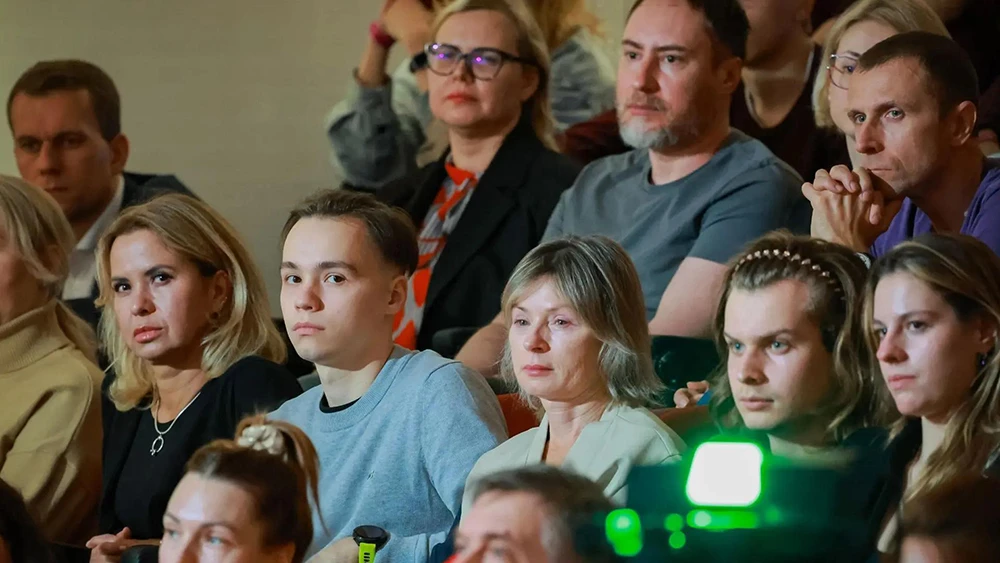
Reflecting on what the writer meant by active love, Ivan
Negreyev drew attention to an important distinction: love for
"everyone" often proves to be an illusion, while genuine love always
requires taking an active part in the life of a particular person.
"Universal love is an illusion: it simply isn't love.
I'd even put it this way: in Dostoevsky's work, the only thing that actually
counts as love is love for particular people. That's Sonya Marmeladova's love.
Hers is genuine because it deals with real life. Dostoevsky doesn't prettify
life at all. If anything, we tend to see him painting it in very dark colours.
One thing he certainly never does is try to make it look better than it is. And
life really is complicated, so when you say you love everyone, it means you
don't truly love anyone," Ivan Negreyev believes.
The final part of the meeting focused on what happens to a
person after their worst deed, as seen by Fyodor Dostoevsky. Using the epilogue
to "Crime and Punishment" as an example, Nikolai Zharinov showed that
admitting to a crime, undergoing punishment and experiencing moral renewal are
three entirely different things. Ivan Negreyev added that repentance is harder
than any punishment.

The experts also discussed how Dostoevsky's work reflects
the theme of voluntarily giving up freedom. Nikolai Zharinov linked Karamazov's
poem to today's digital recommendations, which suggest what to watch, read and
buy, and to a culture of public debate in which the need to keep proving others
wrong can itself become an addiction. Ivan Negreyev, in turn, explained how the
Inquisitor's conversation relates to the temptations of Christ in the Gospels
and suggested distinguishing between religious trust, voluntary obedience and
surrendering one's conscience to another person.
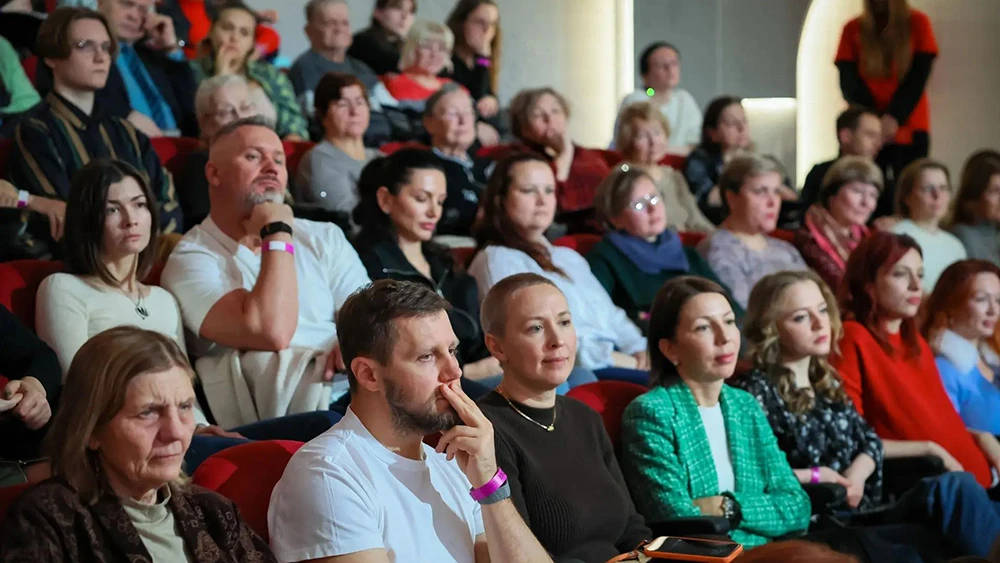
"In 'The Legend of the Grand Inquisitor', people are
offered happiness in exchange for freedom. Could this be seen as a prediction
of today's digital reality, where algorithms increasingly decide for us what to
watch, read and choose? The Grand Inquisitor tells Christ: 'We have made life
perfectly comfortable for people. They no longer have to worry about anything.'
Now look at how an algorithm works: it is designed entirely to pick up on what
interests you and give you more and more of it, even as it takes away what
little illusion of freedom you have. If Dostoevsky could observe our digital
lives today, he would be alarmed by the fragmentation of society and people's
inability to communicate: anonymity gives people far more freedom to express
themselves online, which makes exchanges more emotional and gets in the way of
understanding, and it was understanding that Dostoevsky always
championed," Nikolai Zharinov said.

The Literary Club "What to Read?!" is an original
project of the National Centre RUSSIA. It was created for people who see books
as both entertainment and a key to understanding the past, present and future.
The club's experts and guests invite readers to talk about how to foster a
culture of reading, discuss the literary legacy and exchange ideas. Upcoming
club meetings are free to attend, with registration required at russia.ru. See
the "Events" section for the latest schedule.
The full recording of the meeting, which explored how Fyodor
Dostoevsky's legacy can help us find our true selves, is available via the link.
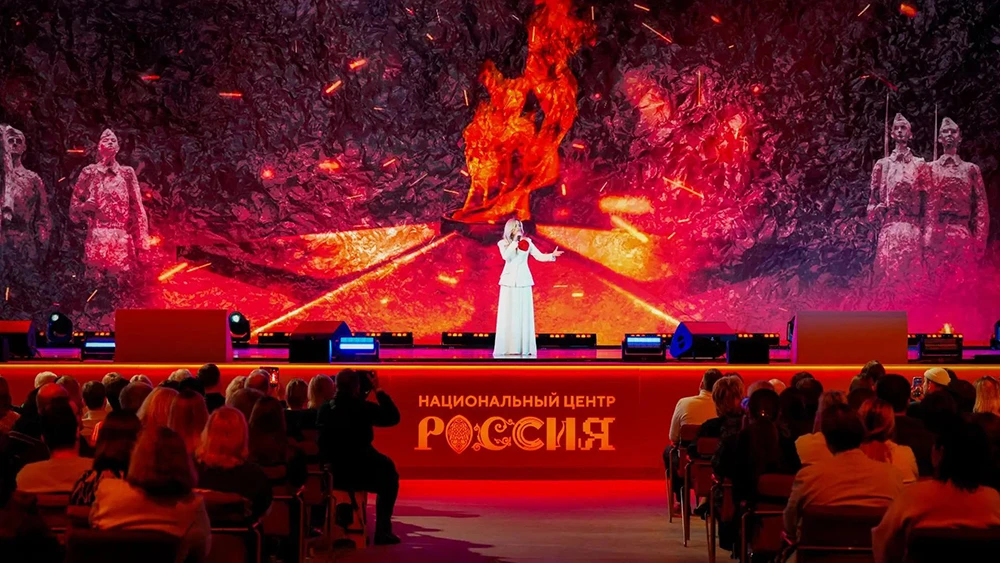
The "New Songs of Russia" gala concert was held at the National Centre RUSSIA.
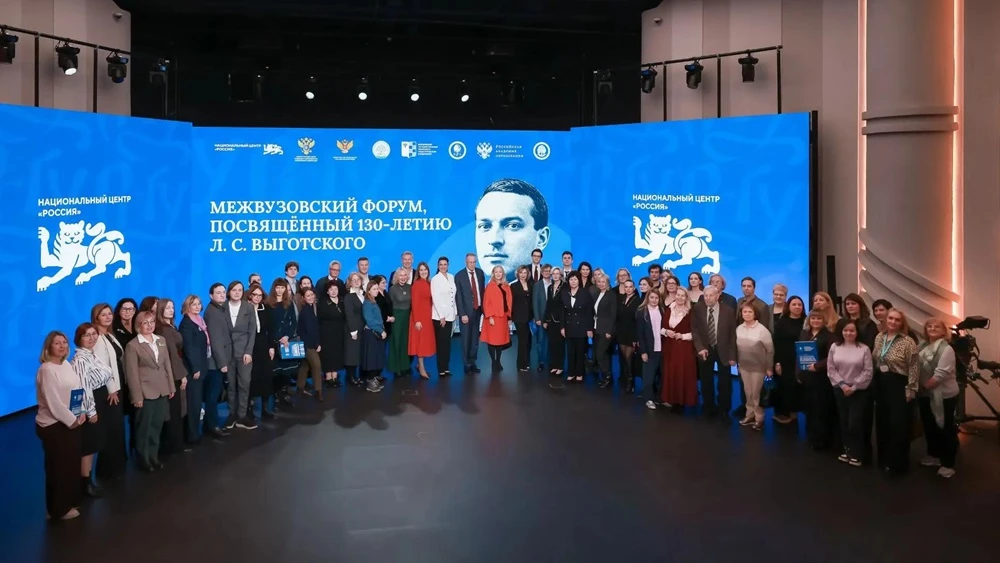
The ideas Lev Vygotsky formulated a century ago remain practical tools and a theoretical foundation for modern psychology and education.
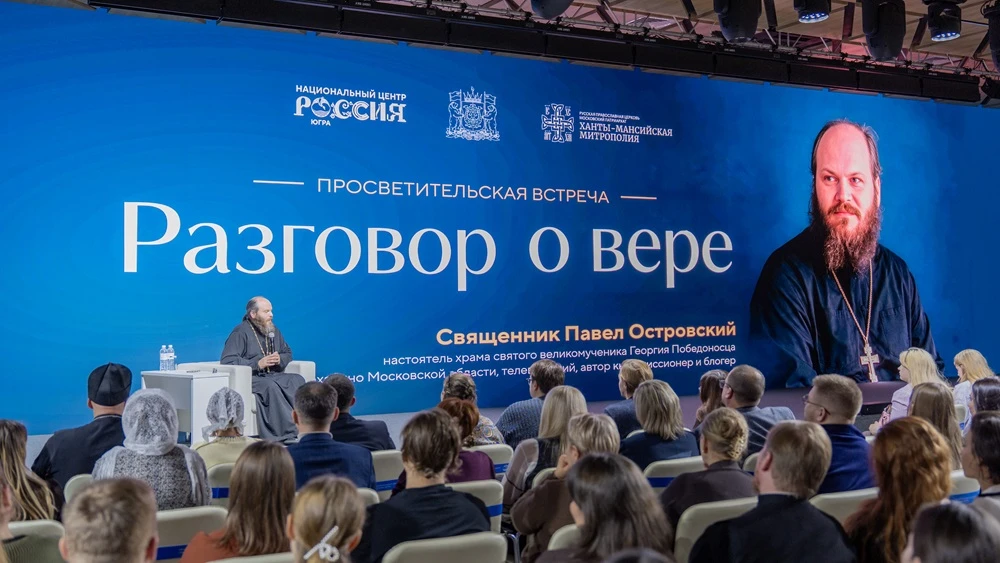
Participants discussed faith, moral principles, family, relationships between generations, and how people live and exercise their freedom in a rapidly changing digital world.


