


Vygotsky's legacy in teaching practice: International Readings marking the 130th anniversary of his birth open at the National Centre RUSSIA
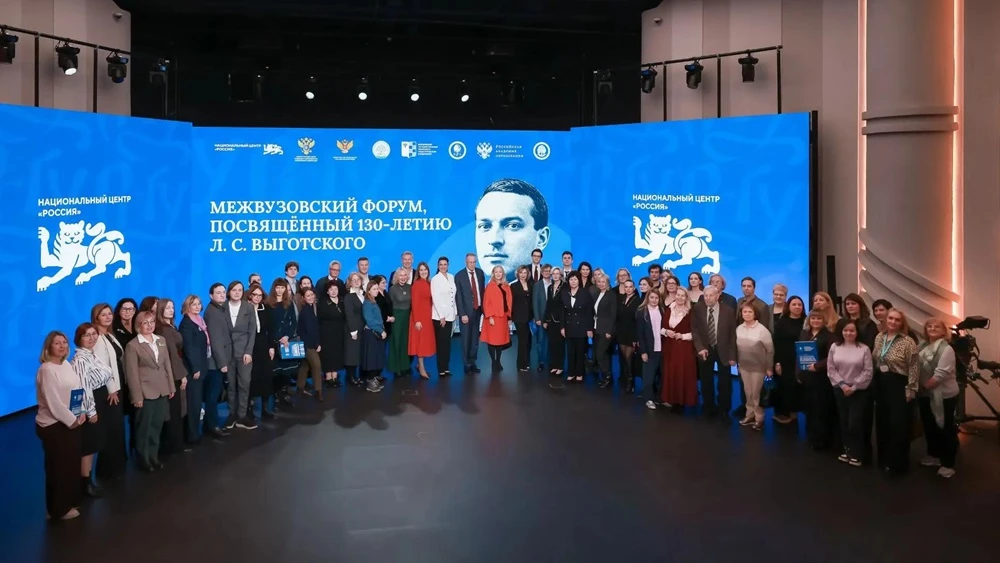
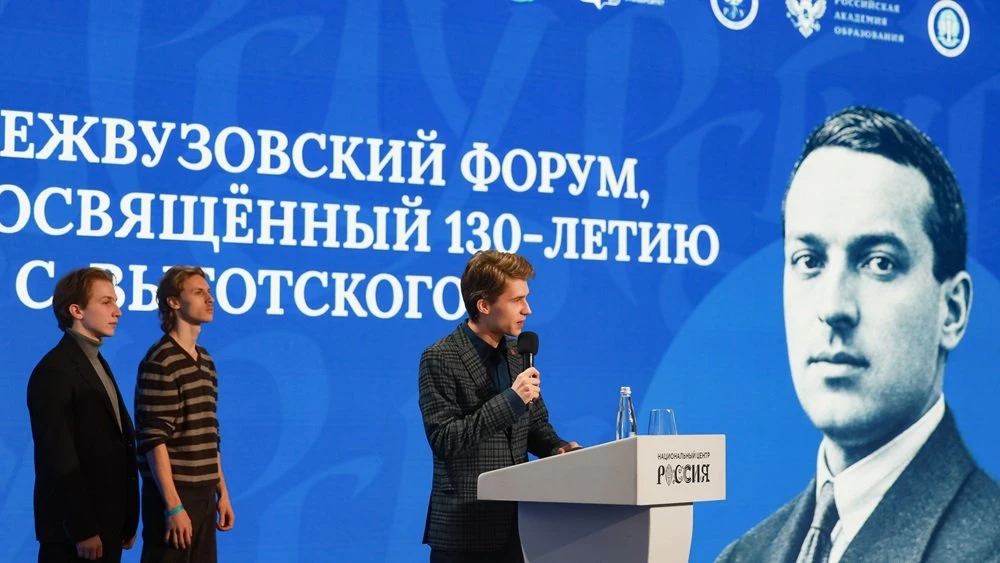
The ideas Lev Vygotsky formulated a century ago remain practical tools and a theoretical foundation for modern psychology and education. At the opening of the International Readings in Memory of L. S. Vygotsky, "The Time and Space of the Cultural-Historical Approach", educators, researchers and heads of educational organisations discussed how his ideas inform teaching, assessment and rehabilitation, teacher training, and work with children and families. The event was held on 19 November at the National Centre RUSSIA as part of the All-Russian Interuniversity Scientific and Practical Forum with International Participation "The Time of L. S. Vygotsky: From Fundamental Theory to Modern Practice", marking the 130th anniversary of the scholar's birth.
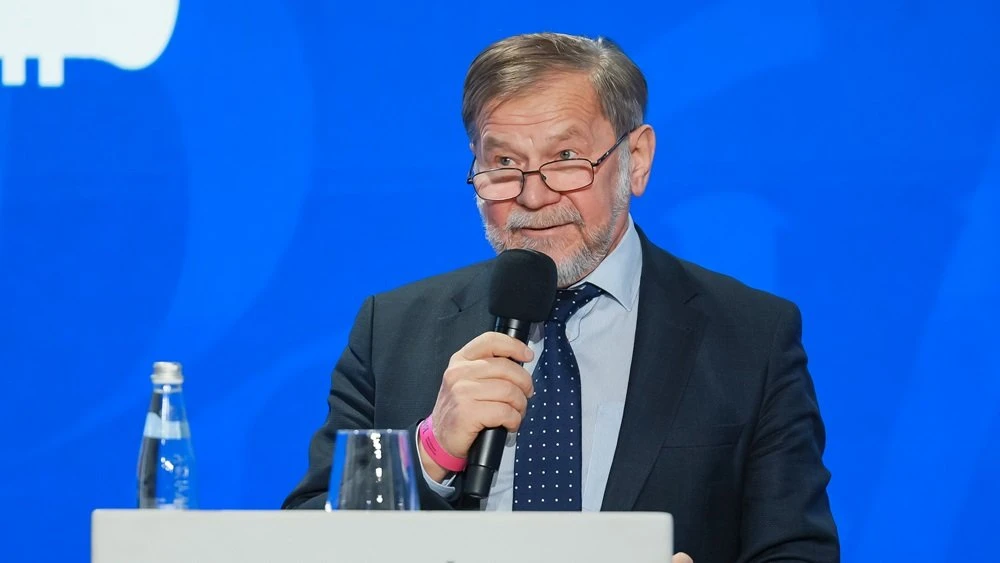
The Chair of the Presidential Council for Civil Society and Human Rights, Valery Fadeyev, addressed the guests. He noted that Lev Vygotsky's legacy continues to deepen the understanding and inspire the work of all those who study people's inner lives.
"Few schools of thought have laid the foundations of psychology worldwide, and Lev Semyonovich Vygotsky's cultural-historical school rightly ranks among the foremost. The ideas he formulated a hundred years ago helped define his era, have stood the test of time and remain key to understanding how personality takes shape and how consciousness develops in dialogue with culture and society. The name of Lev Semyonovich Vygotsky is a source of special and genuine pride for our country. He is one of the great minds whose work brought Russian scholarship in the humanities to the forefront internationally. We have much to be proud of. It is our duty to preserve and build on this intellectual legacy and make it openly accessible to new generations of researchers, educators and people in our country and around the world," Valery Fadeyev said.
He added that the Russian State University for the Humanities, which is home to the Vygotsky Institute of Psychology, plays an important part in this work.
The President of the Russian Academy of Education, Olga Vasilyeva, a historian by training, focused in her remarks on the historical dimension of Vygotsky's cultural-historical theory, which puts history at the centre of our understanding of human beings. Vygotsky argued that people both live through history and are themselves part of it. She pointed out that higher mental functions are not present in children in a fully developed form. They take shape through communication and shared activity, mediated by language, signs and cultural imagery. Olga Vasilyeva also noted how much Vygotsky achieved in a short research career. In just a decade of active research, he laid the foundations of experimental psychology and produced work that continues to shape science around the world.
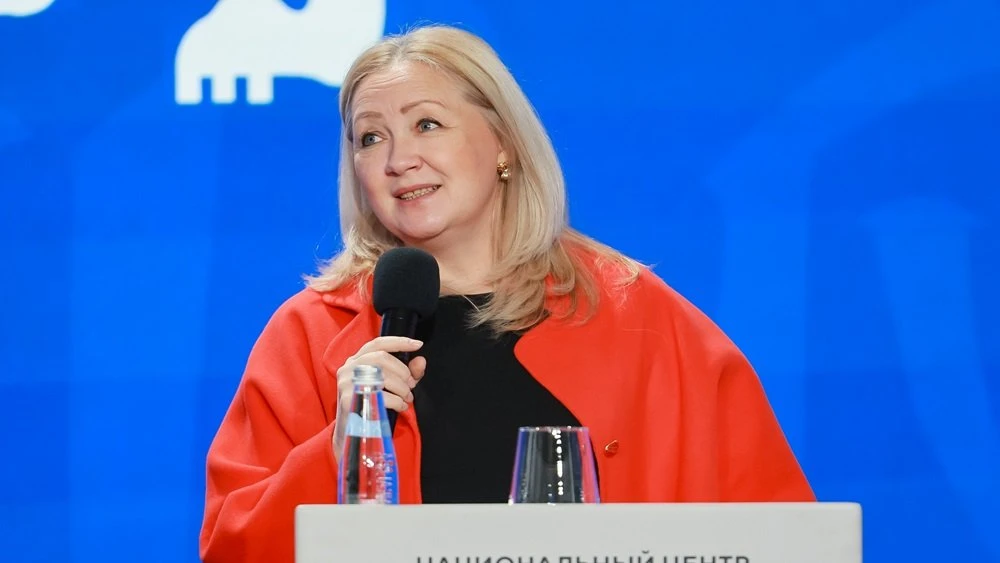
"We can see how relevant Vygotsky's ideas have proved to be. The zone of proximal development, the principle that learning and development form a unity, the concept of the social situation of development and his humanistic approaches to children with special educational needs are all tools in active use in education and psychology today. I am convinced that the Russian Academy of Education has a duty to safeguard this scientific legacy and put it into practice in school curricula, in the training of teachers and educational psychologists, and in services that support children and families. I wish all participants fruitful work, substantive discussions and new scientific ideas that will become part of a major new chapter in the history of Russian psychology and education," the President of the Russian Academy of Education said.
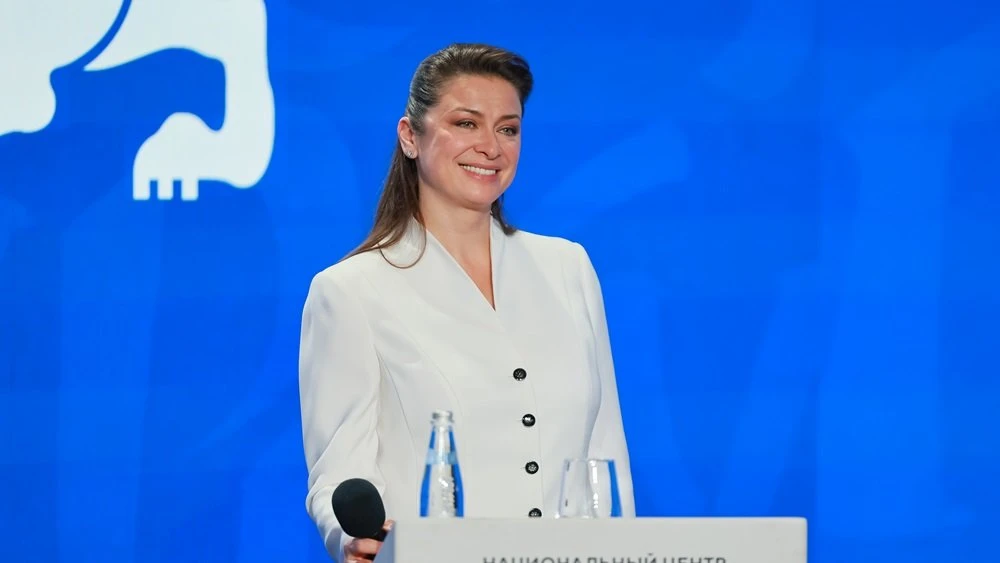
The Deputy Minister of Science and Higher Education of the Russian Federation, Olga Petrova, emphasised the international recognition of Vygotsky's scientific legacy and its importance for the future of education in Russia: "Lev Semyonovich Vygotsky's legacy is the foundation of many schools of thought, and its significance is recognised around the world as a testament to our country's greatness. When I recently spoke to colleagues in China, I mentioned that 17 November was Lev Semyonovich's birthday, and my colleagues rose to applaud. I think that shows particularly clearly how much his scientific legacy means."
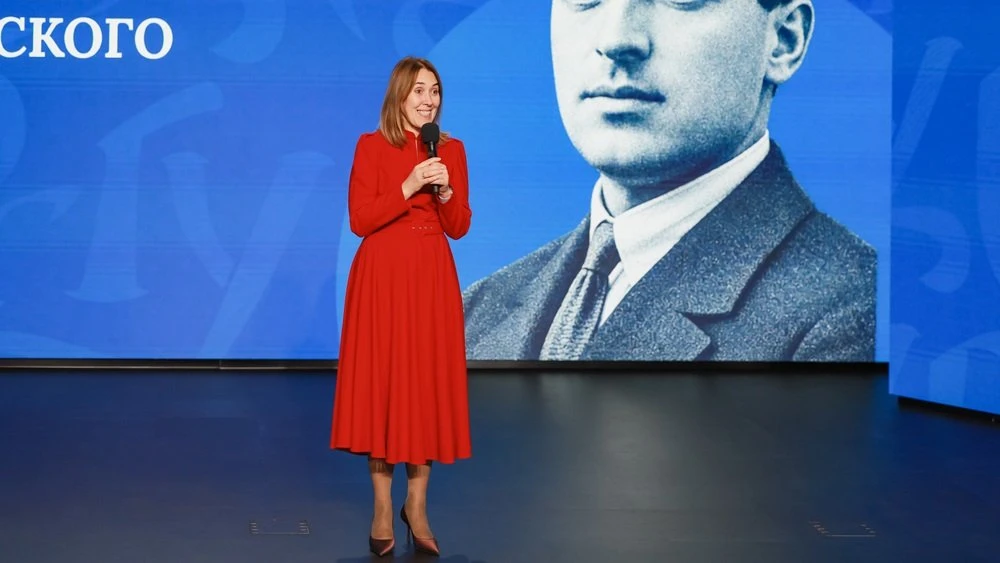
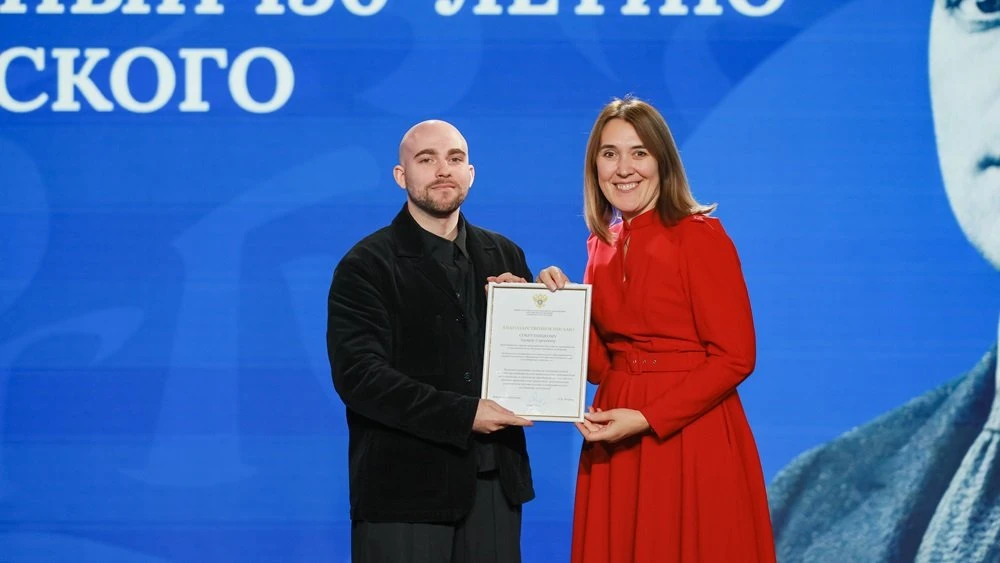
The Deputy Minister also pointed out the importance of introducing young researchers to Lev Vygotsky's work, congratulated everyone celebrating Higher Education Teachers' Day and presented letters of appreciation.
The readings aim to bring together the psychology and education communities around Vygotsky's legacy and find practical applications for the fundamental principles of his school of thought in education and social services. The Rector of the Russian State University for the Humanities, Andrei Loginov, outlined this aim and noted the particular importance of Vygotsky's legacy for the development of Russian science today.
"In the 20th century, Russian and Soviet scientists made breakthroughs in many fields that were later put into practice. Lev Semyonovich Vygotsky's cultural-historical psychology is an excellent example. The ideas he formulated and the findings of his experiments helped reshape education in our country and develop methods for assessing and rehabilitating patients," Andrei Loginov emphasised.
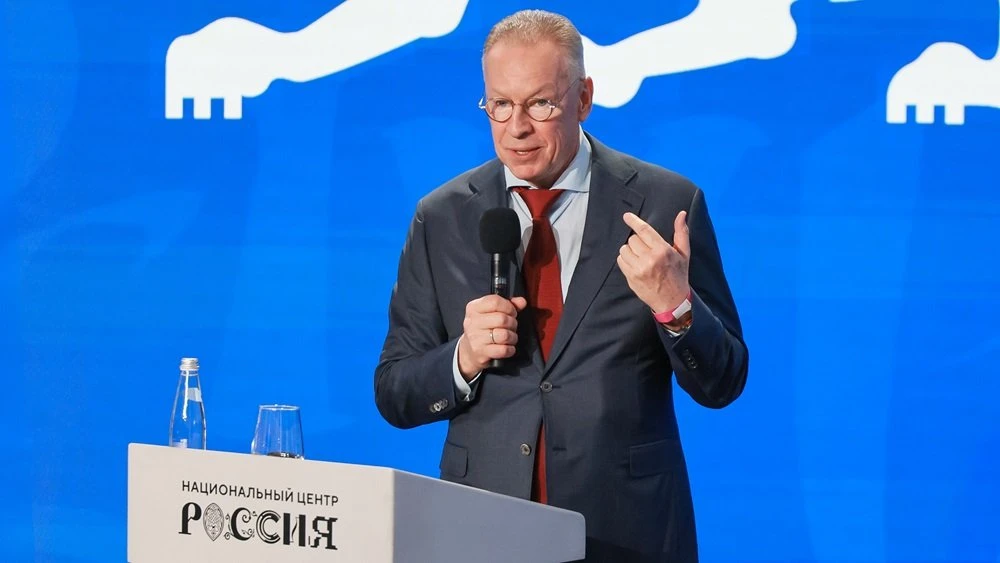
He drew attention to the need for the scientific community to work together to organise Vygotsky's body of work and advance cultural-historical psychology. The Rector of the Russian State University for the Humanities said that universities working together could establish a coherent research base and lay the groundwork for the further development of this school of thought.
At the close of the event, participants proposed including several initiatives in the final resolution to advance the cultural-historical approach and develop a new psychosocial view of the individual that takes account of people's lived experiences, relationships and opportunities in life. Priorities include establishing an international, interdisciplinary community of humanities specialists, publishing materials from round tables, conferences and talks, and launching grant contests and other forms of support for young researchers.
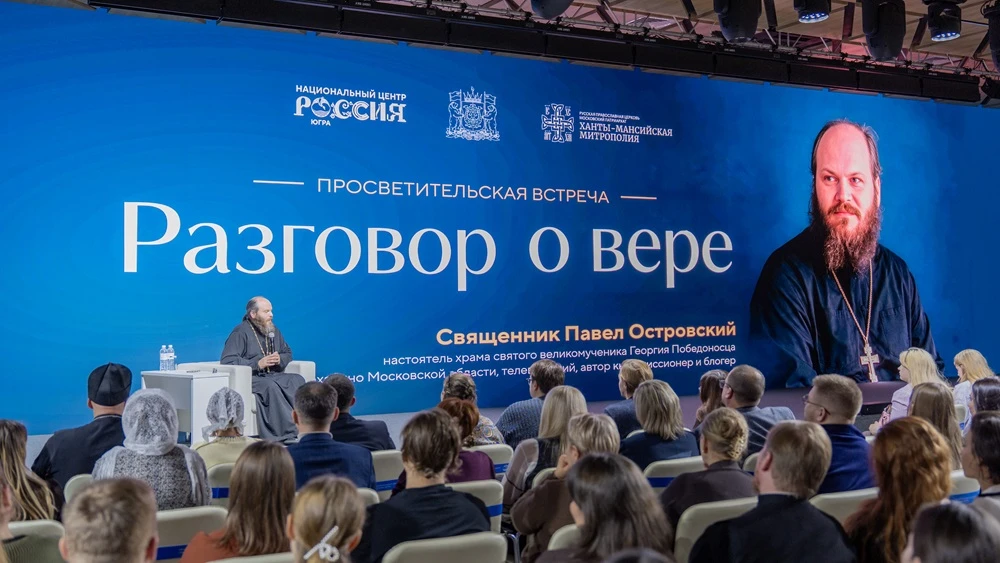
Participants discussed faith, moral principles, family, relationships between generations, and how people live and exercise their freedom in a rapidly changing digital world.
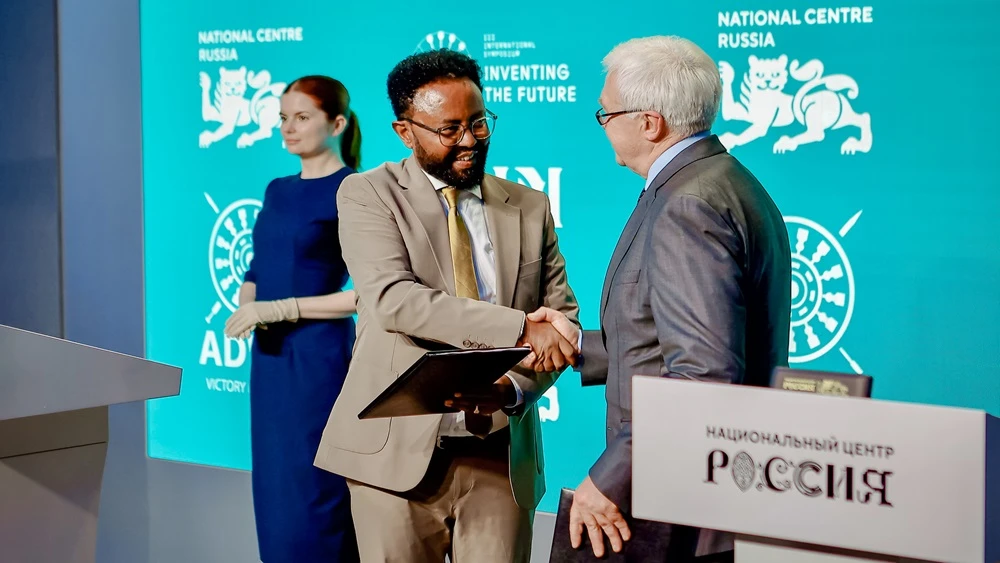
One of the main missions of modern museums is to build bridges between history and younger generations.
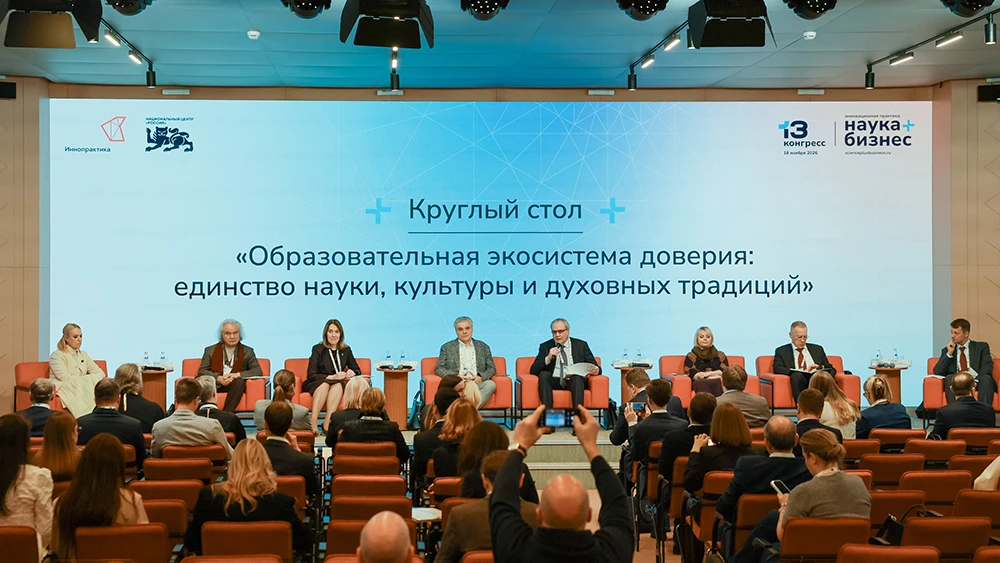
Participants discussed how to integrate the humanities into science and technical education.


