


Round table at the National Centre RUSSIA examines the role of trust in the educational ecosystem of the future
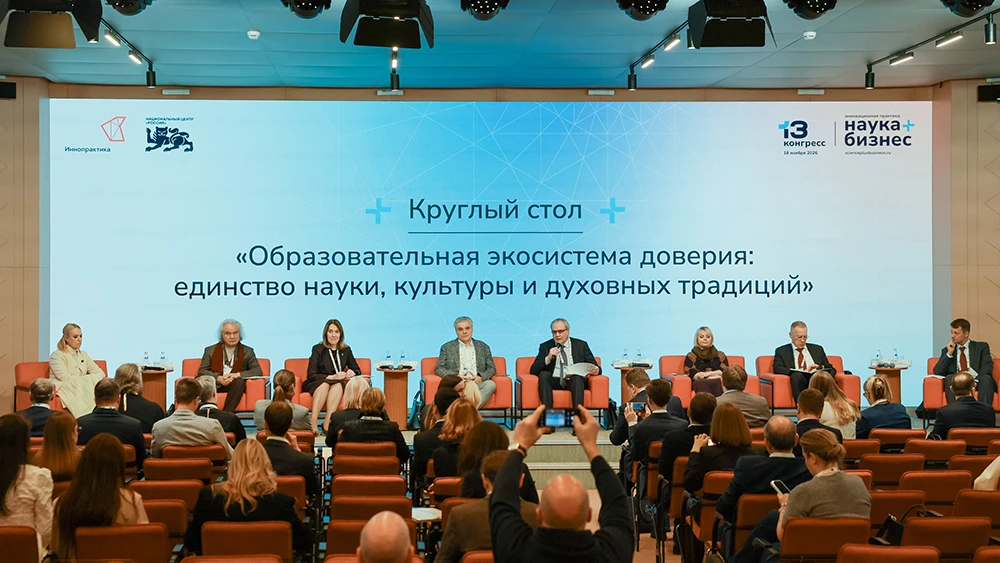
Developing
children's creative potential and shaping young people's worldviews were the
subjects of the round table "An Educational Ecosystem of Trust: Bringing
Together Science, Culture and Spiritual Traditions", held at the National
Centre RUSSIA as part of the "Innovative Practice: Science Plus
Business" Congress. Participants discussed how to integrate the humanities
into science and technical education, which cultural practices should become
part of teaching and learning, and what role universities play in helping
students become socially responsible individuals.
In the view
of Valery Fadeyev, Adviser to the President of the Russian Federation and
Academic Director of the Institute of Heritage and Modern Society at the
Russian State University for the Humanities, today's education system should
give young people professional knowledge and help them develop a coherent view
of the world, drawing on perspectives from both the sciences and the
humanities. He pointed out that even talented applicants to technical
universities sometimes struggle to name well-known artists, which suggests that
some young people have had limited exposure to art and literature.
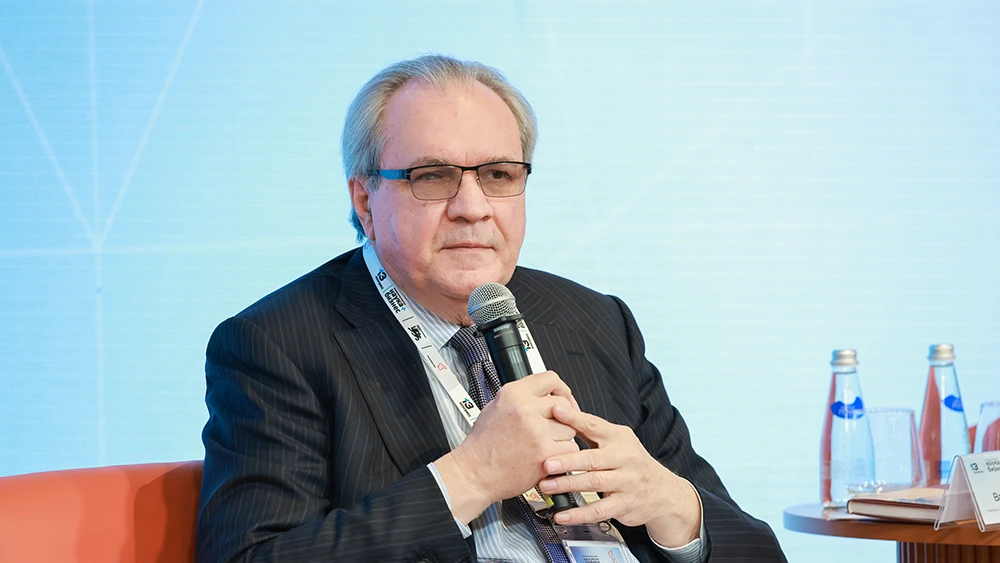
"How
much you know about a subject and how well you understand it are two different
things. If we want more art and culture in education, we'll have to find the
right balance in how we allocate teaching time. It's a delicate matter. We can't
just add some subjects and cut back on others. The education system is complex
and slow to change, so we need to proceed carefully and draw on the expertise
of education professionals," emphasised Valery Fadeyev.
Olga
Petrova, Deputy Minister of Science and Higher Education of the Russian
Federation, described how Russian higher education is creating an environment
that supports students' personal development. One way it does this is through
the "Fundamentals of Russian Statehood" course, which is part of the
first-year curriculum. It helps give students a common foundation in values,
whatever subject they choose to study.
Another initiative is the "Learning Through Service" programme, in which students apply their professional skills to issues that matter to society, with guidance from experienced mentors. They work on real needs identified by regions and employers. Olga Petrova said this experience helps young people see the practical value of their future profession, take responsibility for the results of their work and contribute to their communities. Universities are also expanding opportunities for volunteering and donation, while cultural and educational projects help students gain a deeper understanding of the country's history and culture.
"An educational
ecosystem built on trust is fundamental. That's why it's so important to create
an environment that helps students develop and gives them room for open, honest
conversation and mutual understanding. Employers are part of this system
alongside the university community, because young people need to see how their
knowledge and actions help solve real problems. Only by working together can we
create an environment that prepares professionals and socially responsible
citizens for our country," said Olga Petrova.
Olga
Koludarova, Deputy Minister of Education of the Russian Federation, outlined
how approaches to education are being reviewed at every level, from preschool
through school. She said that updating federal state education standards calls
for input from experts, teachers and parents, as well as cooperation between
government departments. A key priority remains creating an environment that
supports children's personal development and ensuring continuity between stages
of education.
Olga
Koludarova also noted that preschools are already adopting ways to introduce
children to traditions through games that encourage kindness and other shared
activities. Schools, in turn, are developing a common approach to pupils'
personal development. Among the major changes, the deputy minister highlighted
the greater emphasis on history and on spiritual and moral education, including
the study of local history and the introduction of a subject called
"Spiritual and Moral Culture of Russia". Olga Koludarova also addressed
the challenges posed by the growing use of artificial intelligence.
"The
most important thing is that technology will never replace a teacher. We must
always remember that. Teachers are the ones who can identify and tackle the
challenges facing the education system and the state. Artificial intelligence
is a technology, and we need to set rules for its use so that it remains a tool
both teachers and children can trust," emphasised Olga Koludarova.
The round
table also brought together Dmitry Zaytsev, Deputy Executive Director of
Innopraktika, Yuri Alasheyev, Executive Director of the autonomous non-profit
organisation "Transfiguration of Humanism" and Director of the Centre
for Strategic Development at the Moscow Institute of Physics and Technology, Andrei
Loginov, Rector of the Russian State University for the Humanities, Grigory
Petushkov, Vice-Rector of MIREA – Russian Technological University, Mikhail
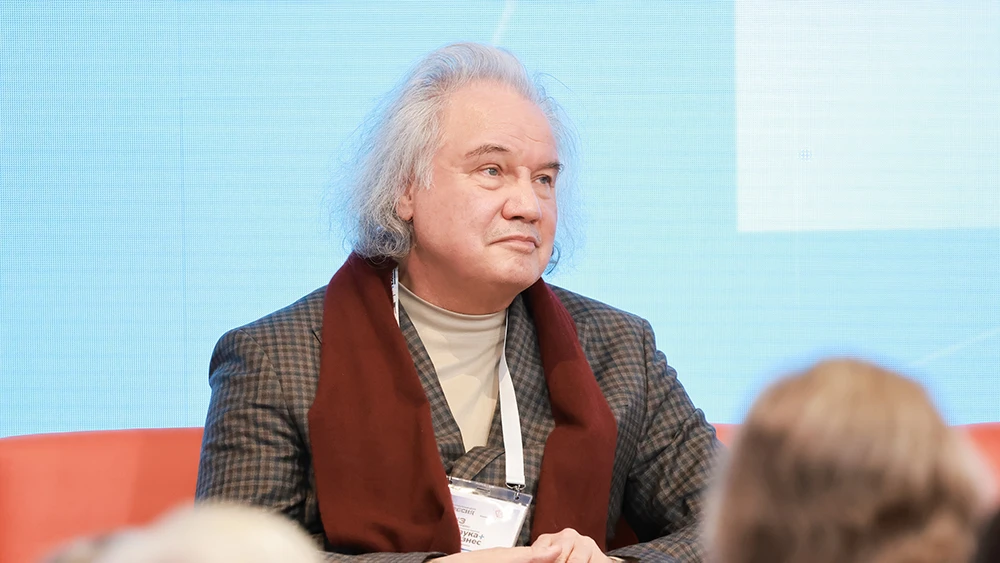
Khokhlov, Director of the Gnessin Moscow Special School of Music, and Natalia
Lokteva, Director of the ANO "Family and Homeland" and a member of
the State Council commissions on Culture and Family. The speakers discussed the
importance of teachers and mentors setting a personal example and the need to
make music, theatre, literature and other arts a regular part of education.
They paid particular attention to how the choice of creative and cultural
activities should reflect the age and stage of development of children and
students.
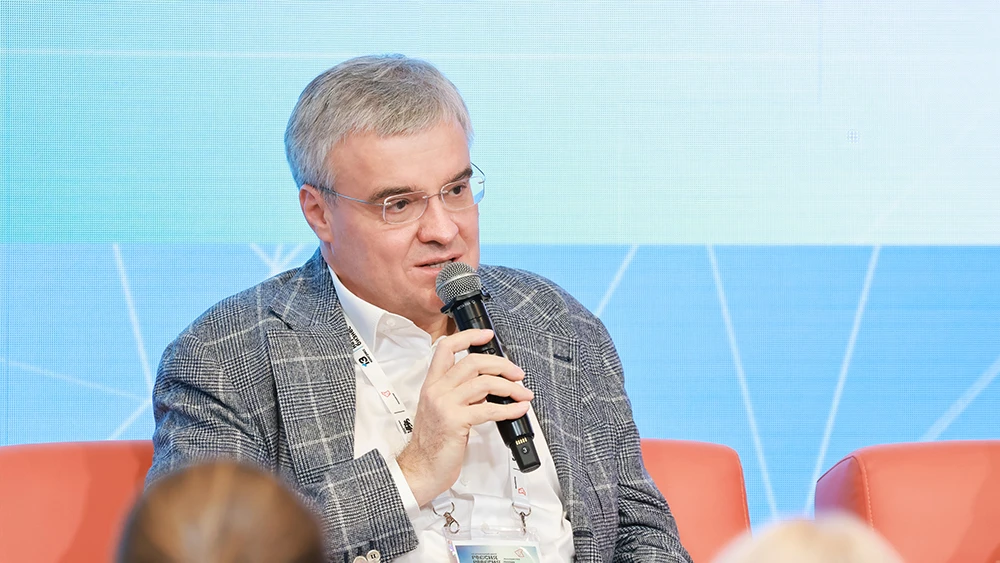
At the end of the discussion, the speakers emphasised that helping people become well-rounded individuals requires educational institutions, public authorities, and the scientific and cultural communities to work together. Social and cultural projects grounded in traditional spiritual and moral values can support this cooperation and help link professional training with the development of a worldview and a sense of civic responsibility.
Event photobank

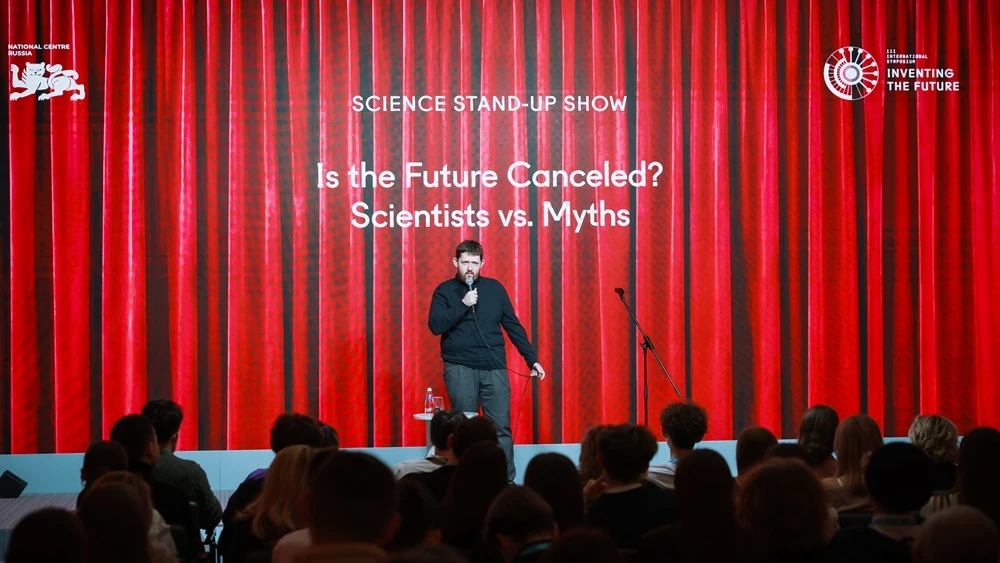
Could scientists talk about their work through stand-up comedy instead of from behind a lectern? That was the experiment tried on 13 November at the III International Symposium "Inventing the Future".
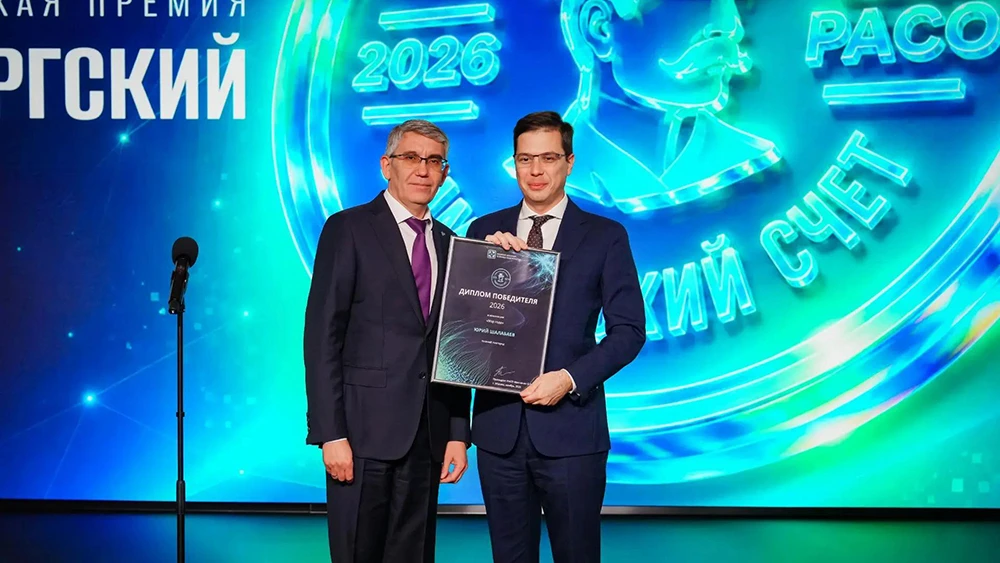
"Hamburg Score" summed up the political season. The awards ceremony was held on 18 November at the National Centre RUSSIA as part of the "PR Days-26" communications forum.
The visit to the branch of the National Centre RUSSIA was part of a programme introducing foreign entrepreneurs to the Ryazan Region.


