


Best political campaigns of the 2026 season "Hamburg Score" named at the National Centre RUSSIA
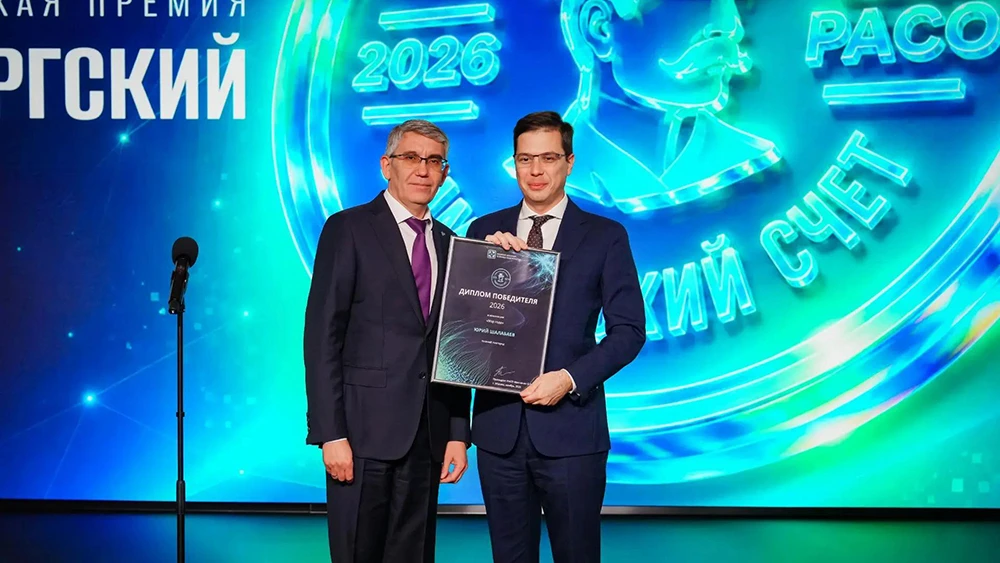
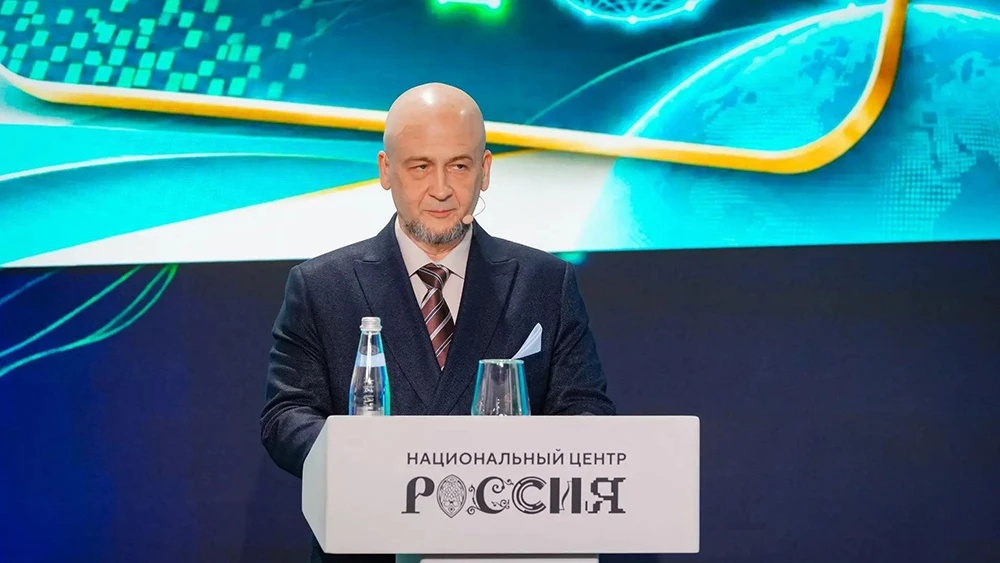
"Hamburg
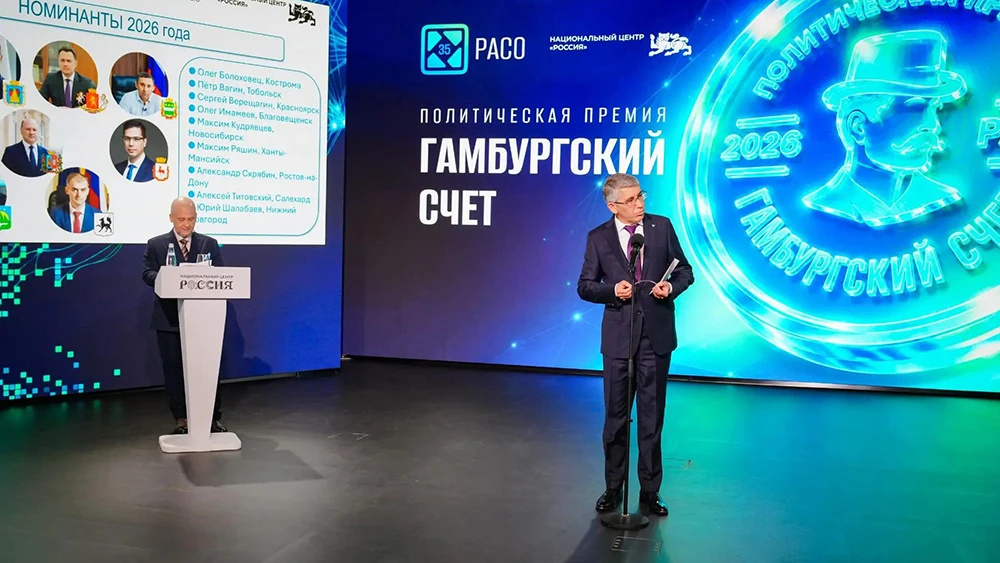
Score" summed up the political season. The awards ceremony was held on 18
November at the National Centre RUSSIA as part of the "PR Days-26" communications
forum. Established in 2016, the award is presented annually to politicians,
parties and candidates in Russia and abroad for effectiveness, use of
technology and creativity in competitive campaigns. The President of the
Russian Federation, Vladimir Putin, sent a message of greetings to the
participants.
"Congratulations
on the 35th anniversary of the founding of the Public Relations Association.
The Russian Public Relations Association is rightly regarded as one of our
country's oldest and most respected professional organisations in public
communications. It has long made a significant contribution to improving the
industry's infrastructure and strengthening its workforce, while the
Association's regular forums provide a platform for sharing experience and
discussing current professional issues. I would particularly emphasise the
Association's role in shaping national standards for responsible public
communication. It helps its members build open dialogue based on trust between
the state, society, business and the media, forge effective partnerships,
develop social architecture practices and strengthen mutually beneficial
cooperation between PR professionals in Russia and their counterparts in EAEU,
BRICS and ASEAN countries," the head of state said. The message was read
out by the Deputy Chief of the Presidential Directorate for Social Projects,
Alexei Zharich.
The Prime
Minister of the Russian Federation, Mikhail Mishustin, also sent his
congratulations: "You have come a long way over the years, and it is
difficult to overstate the Association's contribution to the development of
modern communications in our country. With your active involvement, standards
and ethical norms have gradually taken shape, educational programmes have
improved and expert assessment mechanisms have been established. Today, the
Association brings together communications professionals and representatives of
businesses and educational institutions, setting high standards for the
industry. Importantly, you are helping improve the quality of communications
services."
The
standard of entries reached a record high this season. The projects presented
to the judges were the strongest in the award's ten-year history. As the
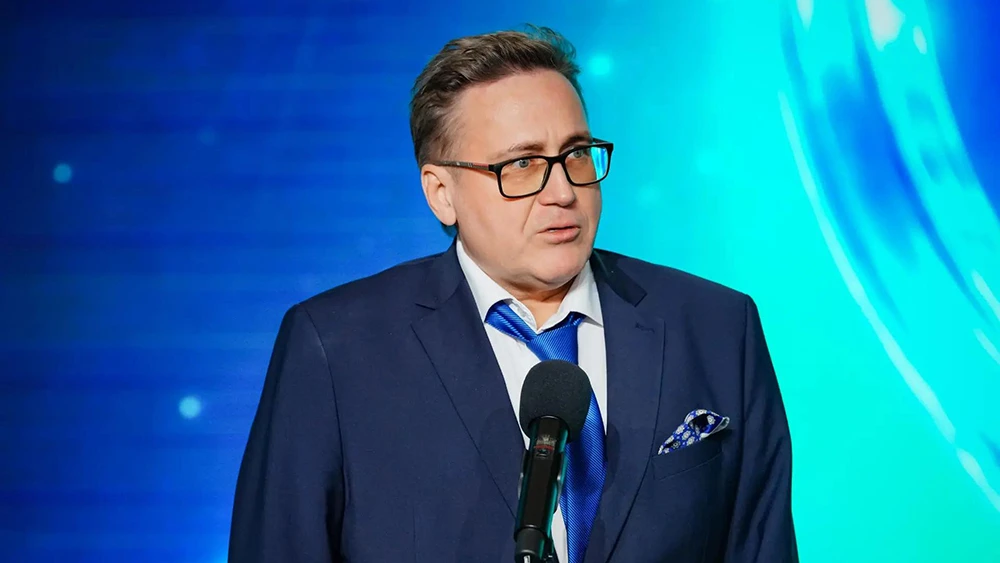
President of the Russian Public Relations Association, Yevgeny Minchenko,
stressed, much of what is happening in Russia is also happening around the
world, and this became one of the recurring themes of the season. Trends
reflected in the shortlists included unexpected choices of communication
channels, the hardening of political regimes through legal means, people from
outside politics entering the field, local referendums in the United States
opposing the construction of data centres, and calls for a more humane
approach.
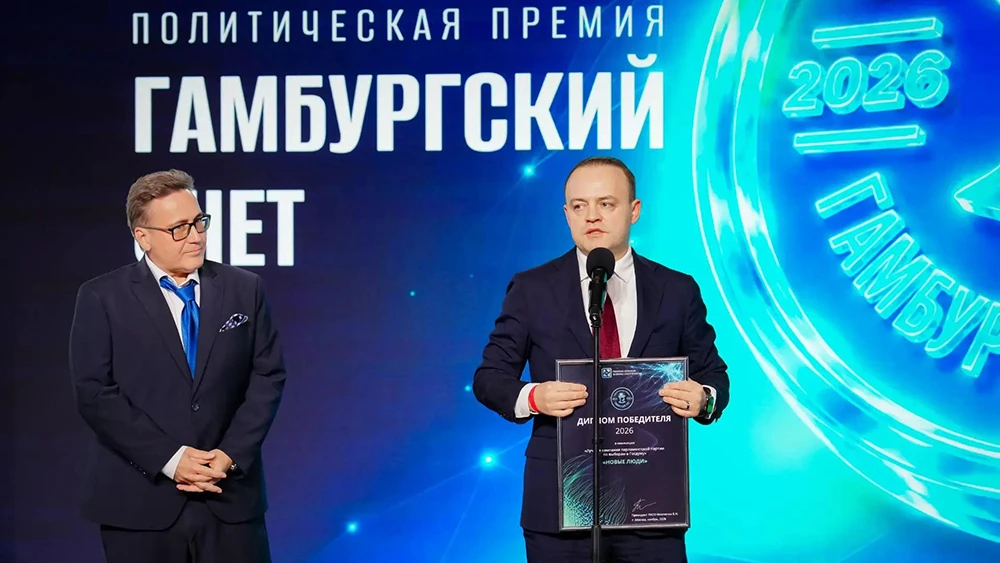
Yevgeny
Minchenko also noted that unpredictability had become the defining feature of
current trends in communications and explained how the award winners are
chosen.
"Why 'Hamburg Score'? Because we choose the best. When someone says, 'Oh, but we didn't enter,' we say, 'We don't care.' We choose the people we genuinely consider the best, and that is why everyone receiving an award today truly deserves it. What is new about this anniversary ceremony, our tenth, is that we have invited previous winners to help present the award," he stressed.

Russian
categories — municipal level
— Best
municipal campaign by the ruling party — Kaliningrad, city council elections.
— Best
municipal campaign by a parliamentary opposition party — "New
People", Petrozavodsk City Council elections.
— Best
municipal campaign by a party without parliamentary representation —
"Communists of Russia", Saratov City Duma elections.
— Mayor of
the Year — Yuri Shalabayev (Nizhny Novgorod).
— Special prize for distinctive ways of communicating directly with voters — Sergei Vereshchagin (Krasnoyarsk).
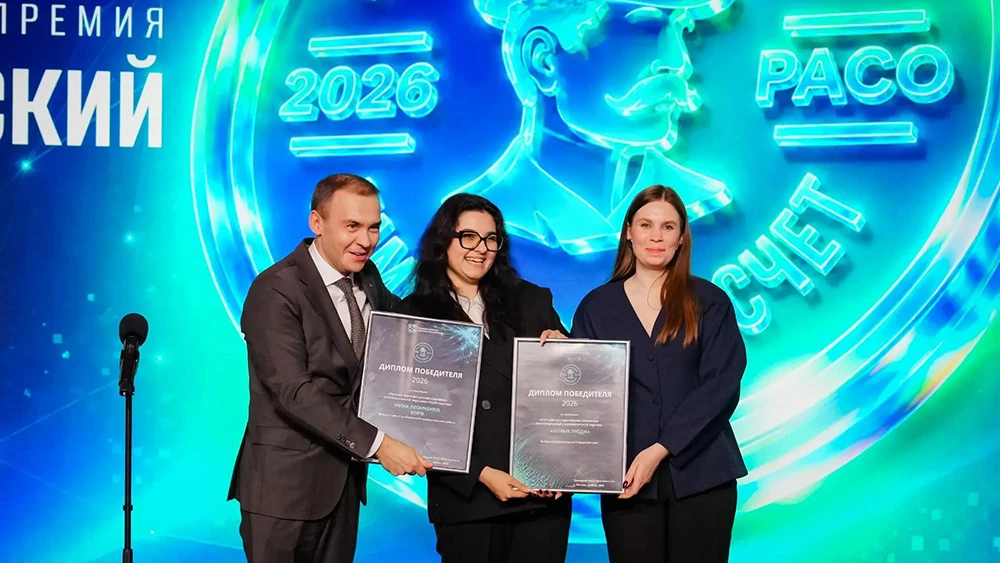
Regional
level
— Best
regional parliamentary election campaign by the ruling party — Saint
Petersburg.
— Special
prize for the greatest improvement in polling ratings — Kamchatka Territory.
— Special
prize for the use of social architecture — Sverdlovsk Region.
— Best
regional parliamentary election campaign by a parliamentary opposition party —
Communist Party of the Russian Federation, Vologda Region.
— Best
regional parliamentary election campaign by a party without parliamentary representation
— "The Greens", Saint Petersburg.
— Best
campaign by a ruling party candidate in a single-member constituency — Igor
Bryntsalov (Moscow Region).
— Best
campaign by a parliamentary party candidate in a single-member constituency —
Igor Arbuzov (LDPR, Perm Territory).
— Best
campaign by a candidate from a party without parliamentary representation in a
single-member constituency — Larisa Samodayeva ("Party of
Pensioners", Astrakhan Region).
— Best
campaign by an acting governor — Alexander Shuvayev (Belgorod Region).
— Best
campaign by an incumbent governor — Artyom Zdunov (Republic of Mordovia).
— Best
gubernatorial campaign by an opposition party candidate — no award was given.
— Governor of the Year — Dmitry Makhonin (Perm Territory).
Federal
level
— Best
campaign by a ruling party candidate for a State Duma seat in a single-member
constituency — Ilya Leontyev (Tomsk Constituency No. 180).
— Best
campaign by a parliamentary opposition party candidate for a State Duma seat in
a single-member constituency — Alexander Aksyonenko ("A Just Russia",
Iskitim Constituency No. 139).
— Best
campaign by an independent candidate for a State Duma seat in a single-member
constituency — Sergei Kurbatov (Lipetsk Constituency No. 115).
— Special
award "The Cobbler in His Own Boots" — Yelena Panova.
— Special award for the best book on political campaigning — Pavel Sklyanchuk and Valentin Bianki were listed in the presentation.
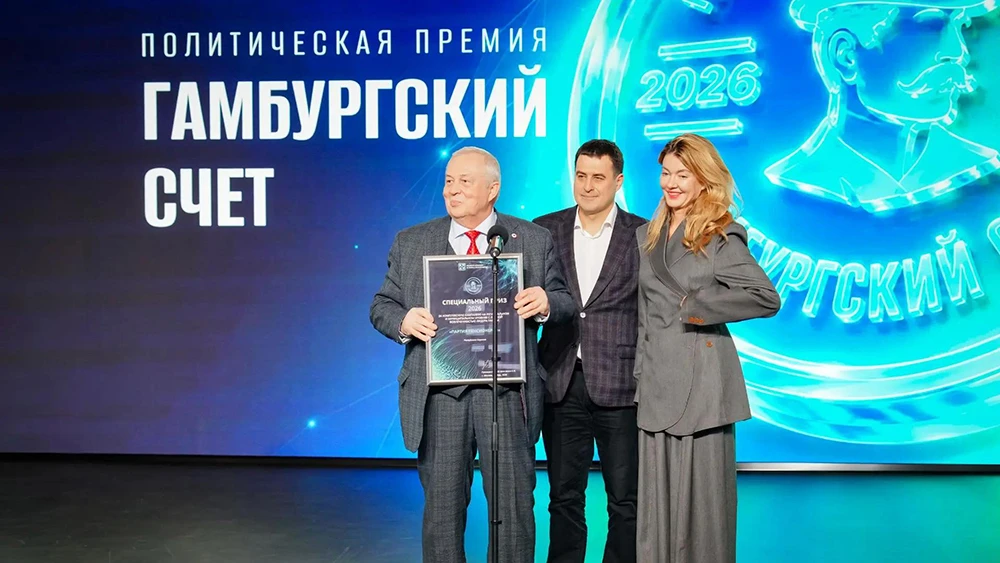
Special
prizes
— For
effectively advancing an agenda for change — Yegor Kovalchuk (Bryansk Region).
— For the
best portfolio of social architecture projects — Oleg Melnichenko (Penza
Region).
— For
taking a principled stand on migration policy — Ruslan Kukharuk (Khanty-Mansi
Autonomous Area — Yugra).
— For
exemplary communication at the federal and international levels — Vitaly
Khotsenko (Omsk Region).
— For best
representing a party in debates — Alexander Khurudzhi.
— For the
best use of social architecture techniques — Sevastopol.
— For the
best coordination of campaigns at different levels — Moscow Region.
— For a
soft landing in a difficult constituency — Oleg Novitsky.
— For a
hard-fought victory in difficult circumstances — Oleg Smolin.
— For a
comprehensive campaign in a challenging region — Mikhail Yevrayev, Anatoly Lisitsyn
and Artyom Molchanov.
— For
successfully securing the return of Russian athletes to the international arena
— Mikhail Degtyaryov.
— For many years of contributing to Russia's political stability — Gennady Zyuganov.
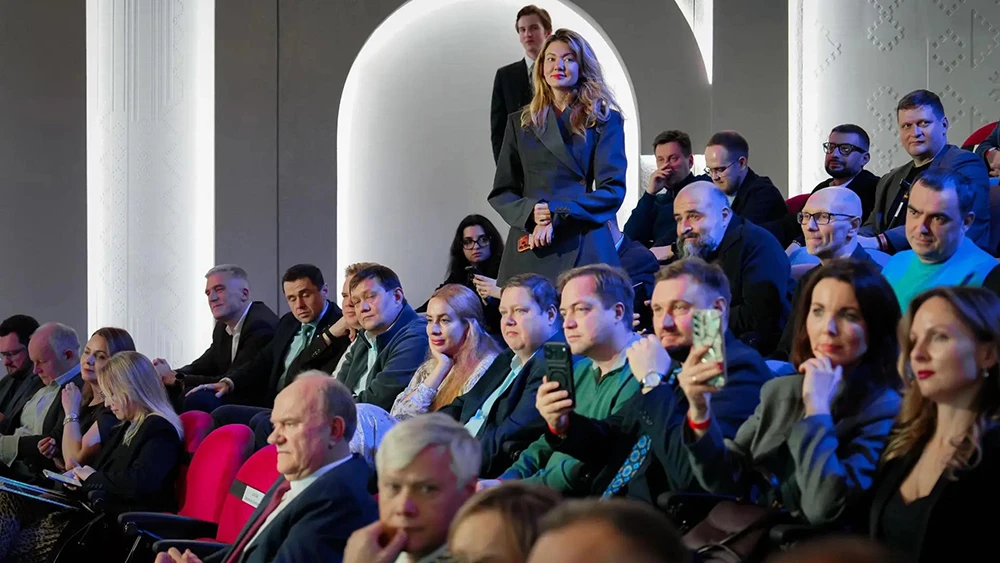
The forum's
business programme included two plenary sessions. The first, "35 Years On:
What Will Communications Look Like in the Early 2040s and Late 2060s?",
explored how artificial intelligence, robotics and biotechnology will change
society, politics and the media.
The second session, "Trends in Political and Social Technologies", brought together representatives of political parties and government, as well as consultants. The moderator, President of the Russian Public Relations Association Yevgeny Minchenko, identified the key challenges: the resurgence of hard power, the contest between states and corporations for people's attention and allegiance, artificial intelligence as a technological wild card, and the crisis facing electoral democracies.
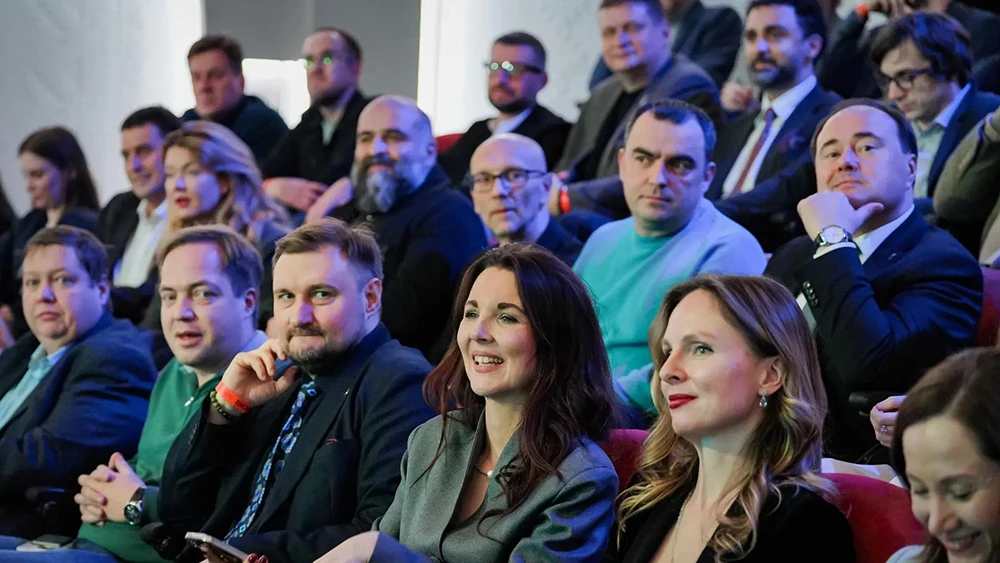
The First
Deputy Chair of the Federation Council Committee on Rules and Parliamentary
Governance and Senator of the Russian Federation, Sergei Perminov, warned that
no one had yet fully grasped the pace of change in artificial intelligence and
cited a campaign in Serbia as an example.
"Using
digital services, the students succeeded in reaching every part of Serbian
society they knew how to engage, both emotionally and ideologically <…>
On the one hand, there was youthful energy, a sense of justice and new
technology. On the other, there were tried and tested, thoroughly proven
grassroots campaigning techniques that all of us know well," Sergei
Perminov said.
He said
that governments and sociopolitical systems need their own modern algorithms,
protection against outside influence, independent content verification systems
and stronger engineering schools if they are to remain sovereign. He stressed
that voters expect a vision of the future as well as results here and now:
clean streets, clear dates for when wages will be paid and control over prices.
That demand
for results was a recurring theme of the season assessed by "Hamburg
Score". The organisers noted that much of what is happening in Russia is
also happening around the world. The tenth awards ceremony concluded two days
of online presentations of Russian projects to the judges and one day of
presentations of international projects, while the one-day "PR
Days-26" forum brought together representatives of government, political
parties, consultancy, the media and education. Its programme ranged from a
discussion of what communications will look like in 35 years to a professional
assessment of the year's political campaigns.
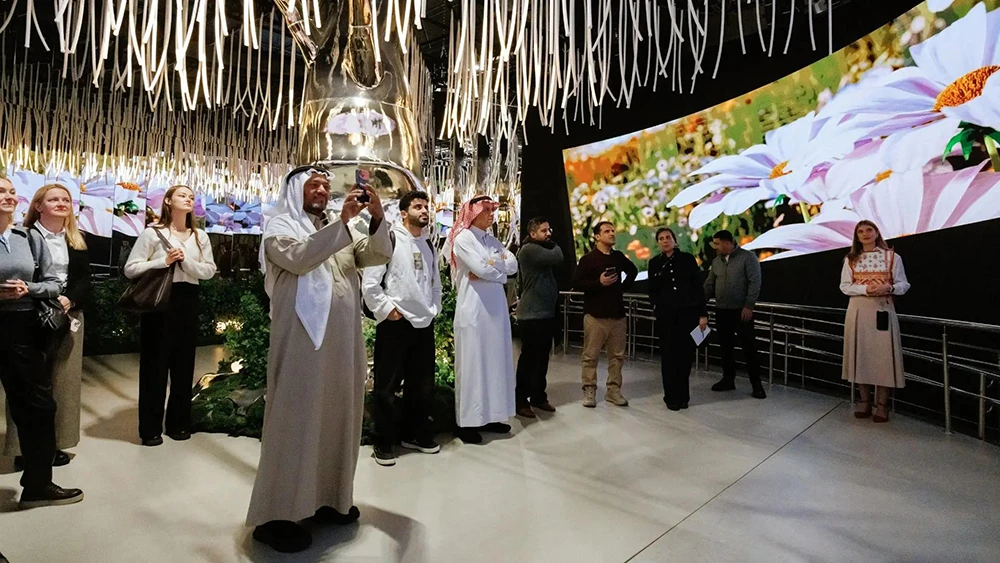
The visit to the branch of the National Centre RUSSIA was part of a programme introducing foreign entrepreneurs to the Ryazan Region.
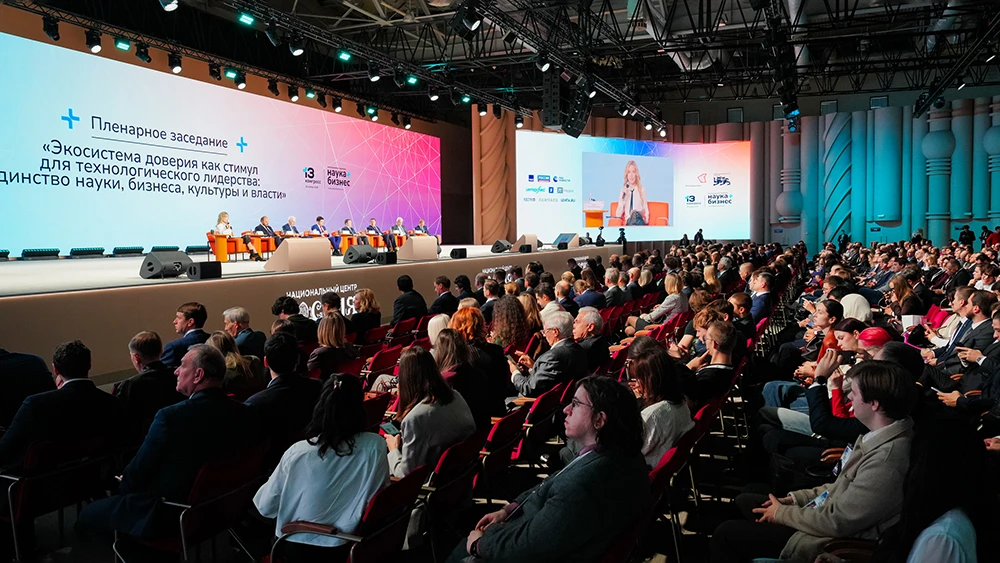
How many percentage points can trust add to GDP growth as an economic resource, and why do even the most precise agreements fail without it?

For foreign participants of the III International Symposium "Inventing the Future," its main result was not only new knowledge but also acquaintances with like-minded people.


