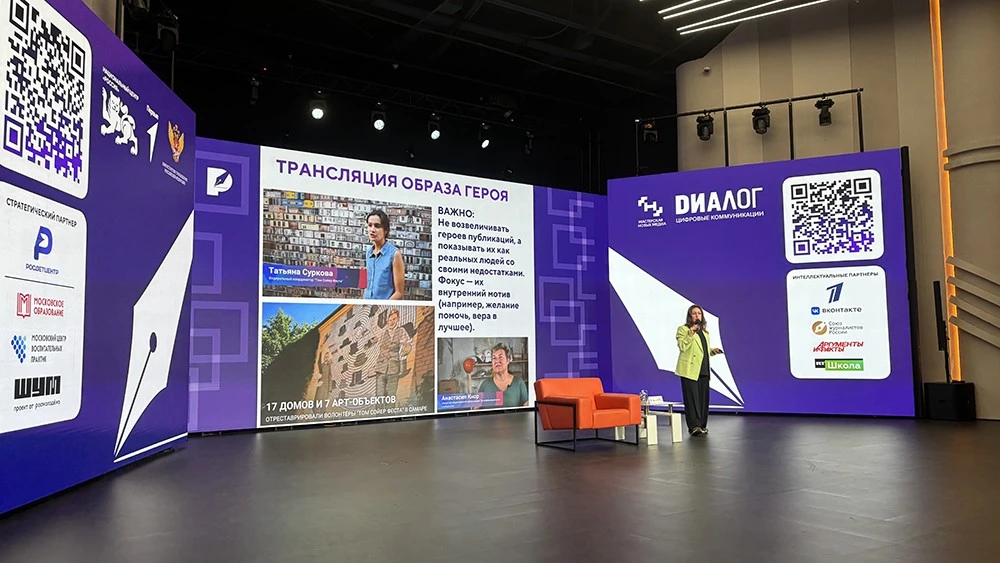
Food as part of culture: "Geography of Russia" masterclass held at the Gastronomic Rows
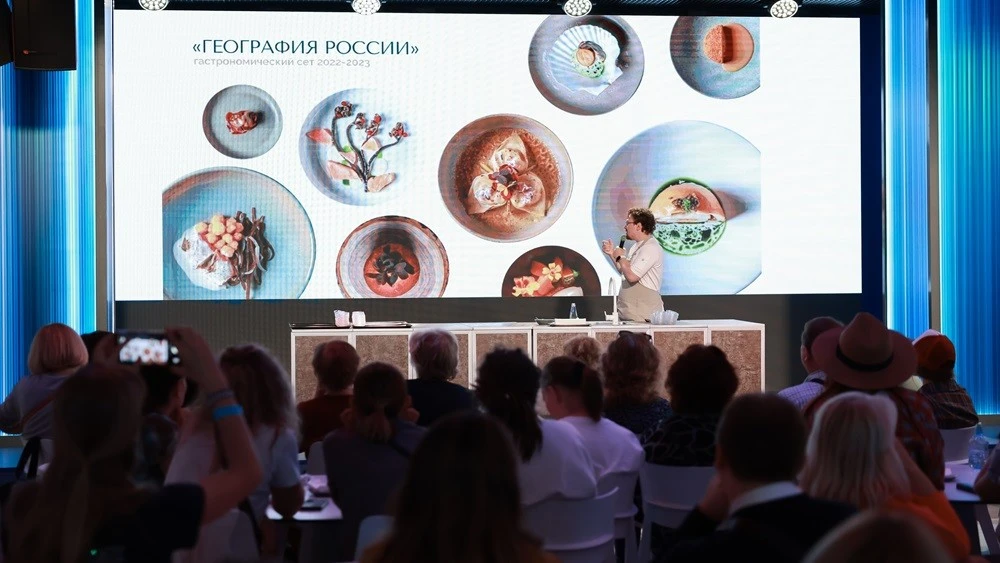
From maps and routes to recipes and products: the "Geography Lessons" exposition at the National Centre RUSSIA continued in the format of a gastronomic dialogue. A "Geography of Russia" masterclass with Alexander Volkov-Medvedev, brand chef of the Ruski restaurant, was held for guests. He showed how culinary traditions help people see the country’s regions in a new way. At the meeting, guests learned about the federal project "Geography of Russia", which the chef’s team has been running for five years.
"I have two great passions in life — cooking and travelling. 'Geography of Russia' allowed me to bring them together. We travel across the country to see where and how people eat, what they consider important, and which products are especially meaningful to them. Then we turn these impressions into a gastronomic set that guests can try at our restaurant — in effect, taking a journey through the regions without leaving the dining room," Alexander Volkov-Medvedev said.
The chef emphasised that his work focuses not only on technique and presentation, but also on understanding cuisine as part of cultural identity. At the masterclass, he recalled that many familiar "Russian" dishes — from borscht and Olivier salad to cabbage rolls and pelmeni — came from other traditions, but over time were reinterpreted and became truly popular.
"It is not so important where a dish was originally invented or what products were used there. What matters is how we borrow ideas, pass them through our own tastes, products and traditions. We take the best, transform it — and after a while it becomes home cooking, passed down from generation to generation. In this sense, Russian cuisine has no endpoint; it continues in every home and every region," the chef noted.

The participants also discussed the connection between food and personal memory. According to Alexander Volkov-Medvedev, cuisine shapes a person no less than books, cinema or theatre: "Food is part of culture. The tastes we encounter in childhood stay with us for life. Even when we move to other countries, the first thing we usually share with new people is not music or literature, but food."
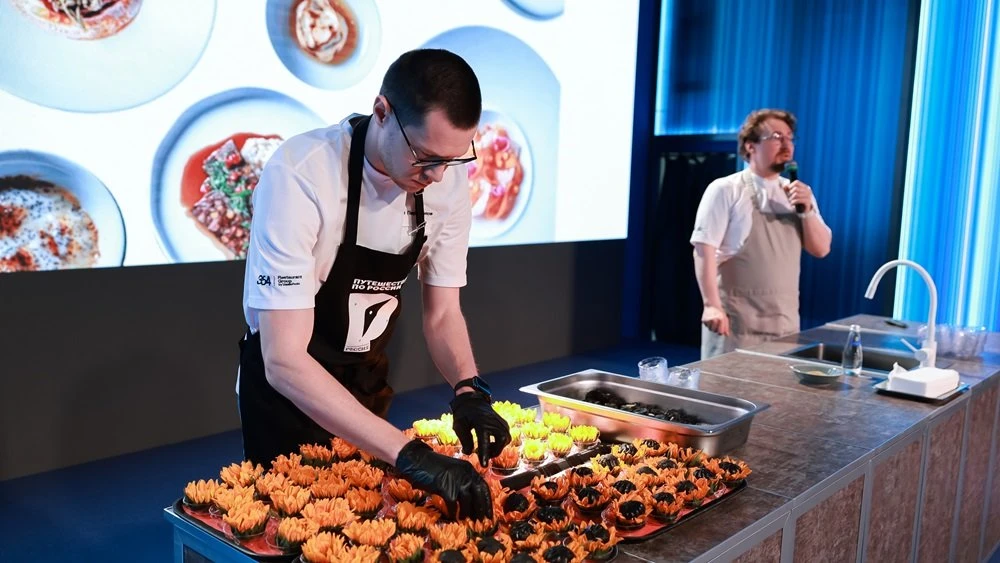
The practical part of the masterclass was devoted to two dishes from the gastronomic set of the "Geography of Russia" project. The first was "Chernozem", dedicated to Voronezh. The dish is served on a ceramic tray shaped like a sunflower — a reference to the endless sunflower fields of the Voronezh Region. At the centre is a black profiterole, reminiscent of the souvenir dessert "chernozem", which visitors to the region bring back from the local market.
Inside the profiterole is a cream made from baked potato and cream reduced with wild mushrooms, as well as barrel-pickled cucumbers and smoked zander. This combination is no coincidence: it is made up of products that are historically and symbolically important for the region — from cucumbers once supplied to the tsar’s table to fish from local rivers and wild mushrooms.
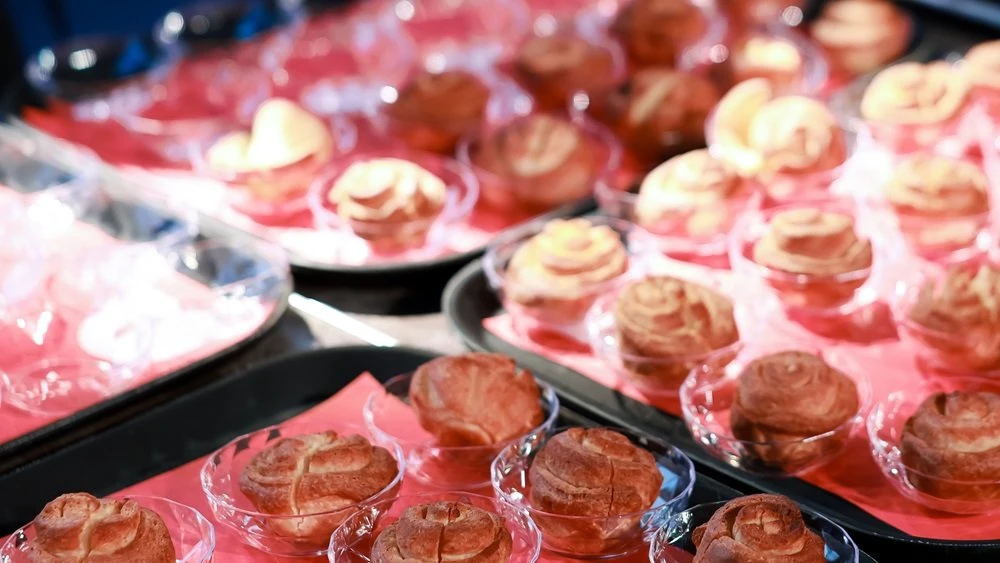
The second dish was the dessert "Honey", representing Ufa and the Republic of Bashkortostan. The republic is known for its traditions of wild-hive beekeeping, where wild bees settle in tree trunks, and people take only part of the honey without disturbing the natural order.
This idea is reflected in the composition of the dessert: yeast pastry, generously layered with butter and honey, is soaked in honey syrup and baked until it develops a caramel crust. It is served with ice cream made with cream and Bashkir honey, and sprinkled with bee pollen.
"For the first time, I heard so many stories over one dinner: from Roman legionaries and the origins of shchi to Bashkir wild-hive honey and Karelian pearls. It feels as though you are not just tasting food, but travelling. Now, when I look at the map of Russia, I remember not only cities, but also flavours," masterclass participant Igor Safronov shared.
The "Geography of Russia" masterclass continued the educational work of the National Centre RUSSIA, held as part of the "Geography Lessons" exposition. In this context, gastronomy appeared not as a separate field, but as another language for telling the story of the country, its people and traditions — from the Far Eastern shores to chernozem (black soil) fields and honeyed Bashkir meadows.
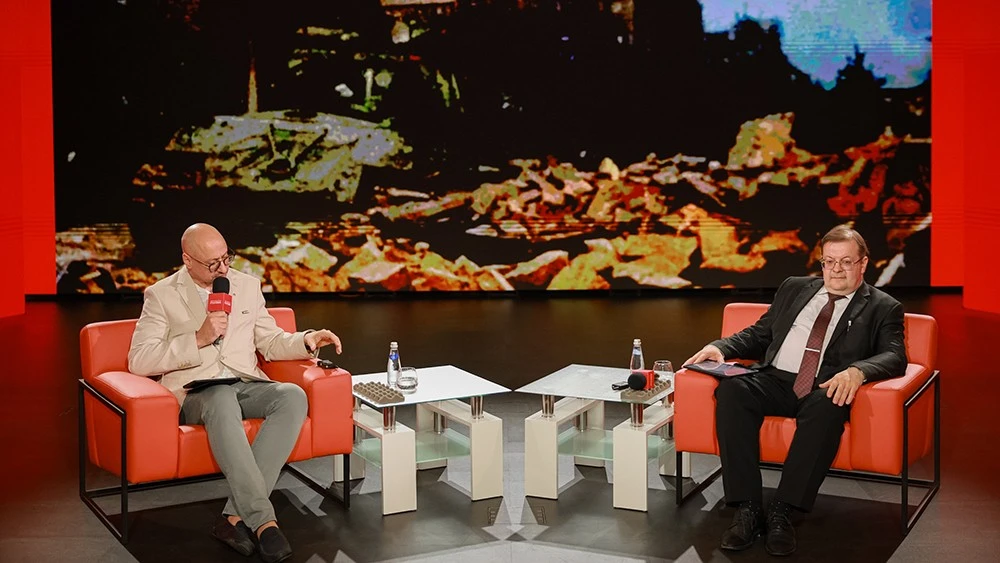
A new cycle of historical meetings and lectures dedicated to great events of our past began on 22 May at the National Centre RUSSIA.