


Unity between Russia and China: from centuries-old traditions to the National Centre RUSSIA stand in Harbin
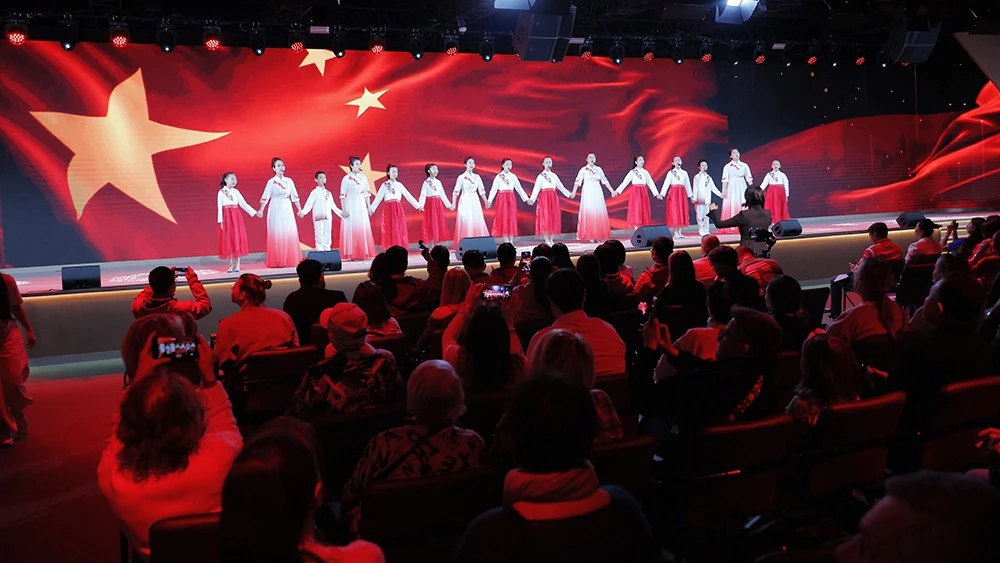
At first glance, Russia and China may seem completely different: they have vast self-sufficient territories, distinctive languages, unique peoples and cultures. But if you look more closely, the two countries have far more in common than it might appear. And it is not only about the shared state border stretching for thousands of kilometres.
Peace and freedom as shared values
Both countries know very well what it means to defend their land. The Great Wall of China, built over centuries, and the ancient Russian fortresses on distant frontiers are clear historical proof that concern for national security has never been accidental in either country. Russia and China have repeatedly demonstrated that freedom and independence are not empty words. One need only recall how our peoples fought together against Japanese militarism even before the large-scale events of the Second World War began.
From 1937 to 1941, the Soviet Union supplied China with tens of thousands of aircraft, artillery guns and machine guns, as well as ammunition, equipment and supplies. And in every family here, people know how to wait, believe and persevere. It is no coincidence that the Russian-Chinese Treaty of Good-Neighbourliness, Friendship and Cooperation, which has officially formed the foundation of relations between Russia and the People's Republic of China since 2001, includes an important clause on the "protection of each other's state unity and territorial integrity".
"It is not about words": the Russian soul and the Chinese character
There are also many similarities in the character of Russians and Chinese people. Both are unaccustomed to excessive pathos, prefer to speak to the point, and judge friendship not by words but by actions. People in both Russia and China respect the older generation, stand by loved ones in difficult times, remember their historical roots, and carefully preserve and pass on their traditions.
Cultural parallels are equally noticeable. In both Russia and China, tea is not simply a drink but an entire ritual. In China there is the Taoist gongfu tea ceremony, while in Russia there are long tea gatherings with baranki (bagels) and a samovar. Yet the essence is the same: to slow down, feel warmth and harmony, and have heartfelt conversations with family and friends.
Festivities in both countries are family-centred occasions with festive meals and guests, and many celebrations are genuinely shared. A vivid example is the large-scale celebration of Chinese New Year in the Russian capital. We are also united by our love of culture, especially theatre and poetry. During the cross-cultural Year of Russia and China in 2024, more than 200 cultural and artistic events of all kinds took place across Russia, including performances by metropolitan and regional theatres, expositions, forums, fairs and much more.
Art lovers in China enthusiastically memorise the works of Pushkin, while Russians carefully practise writing Chinese characters in order to better understand the culture of this ancient civilisation.
A new format of friendship at the RUSSIA EXPO
The closeness between our peoples is vividly reflected in the space of the National Centre RUSSIA. During the International RUSSIA EXPO, the Chinese delegation was among the most active and numerous international groups. The venue hosted dozens of joint business meetings, while the Eurasian Integration Forum featured a large-scale "Russia-China Dialogue". Young creative ensembles from China also attracted particular attention at the International Festival of Theatre Schools of the BRICS+ countries, held as part of the EXPO.
Today, the National Centre RUSSIA continues the traditions of Russian-Chinese friendship. Seven Chinese art universities presented more than one hundred works at the "Legacy for the Future" exposition, which opened on the very first day of the Centre's operation. The project's official opening ceremony featured an honoured guest from China — Ma Sai, Rector of the Academy of Arts and Design at Tsinghua University.
The Lecture Halls of the National Centre RUSSIA regularly hold events dedicated to the history and culture of the two countries, while the expositions help visitors to trace the journeys of travellers who historically connected Russia and China.
The National Centre RUSSIA stand in Harbin as a continuation of dialogue
On the opening day of the International Industrial Trade Fair INNOPROM-2025, the Chinese delegation was the largest among foreign guests visiting the Department Store at the stand of the National Centre RUSSIA. The quality of the products presented there was highly praised by Mr. Yu Qun, Chairman of the Harbin Foreign Economic and Trade Group.
Very soon, from 17 to 21 May, the National Centre RUSSIA itself will for the first time be presented in the People's Republic of China. Visitors to the 10th Russia-China EXPO in Harbin will have the opportunity to discover the flagship Department Store project, purchase unique products and souvenirs from various Russian regions, and take part in masterclasses dedicated to Russia's traditional folk arts and crafts.
In addition, the National Centre RUSSIA will present an exclusive collaborative project between a Chinese brand and Russian artist and designer Lisa Anisimova. This creative partnership will continue the cultural dialogue between Russia and China through the language of haute couture and contemporary art.
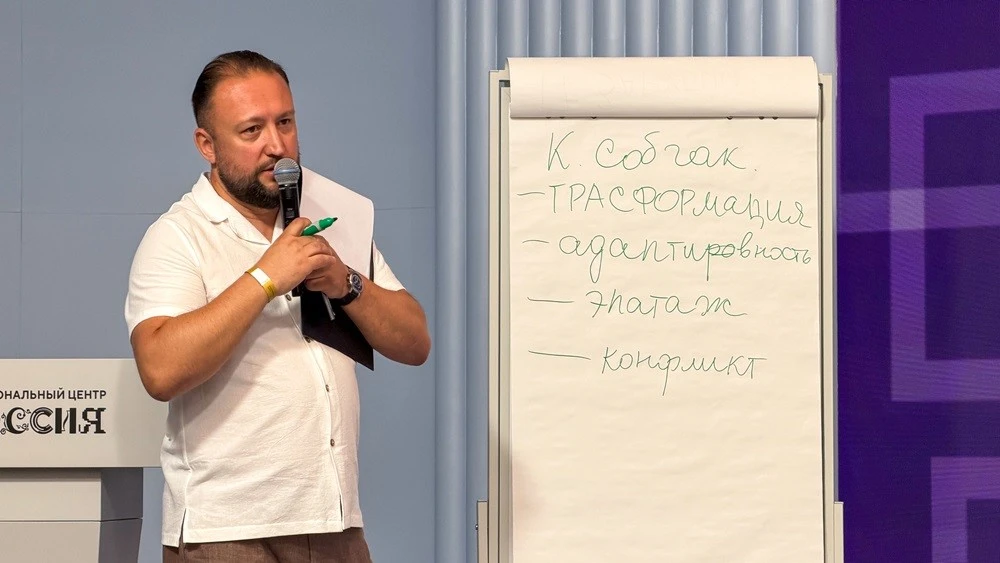
The expert was Vadim Ampelonsky, Development Director at Synergy Corporation, journalist, PR specialist and strategic communications expert.
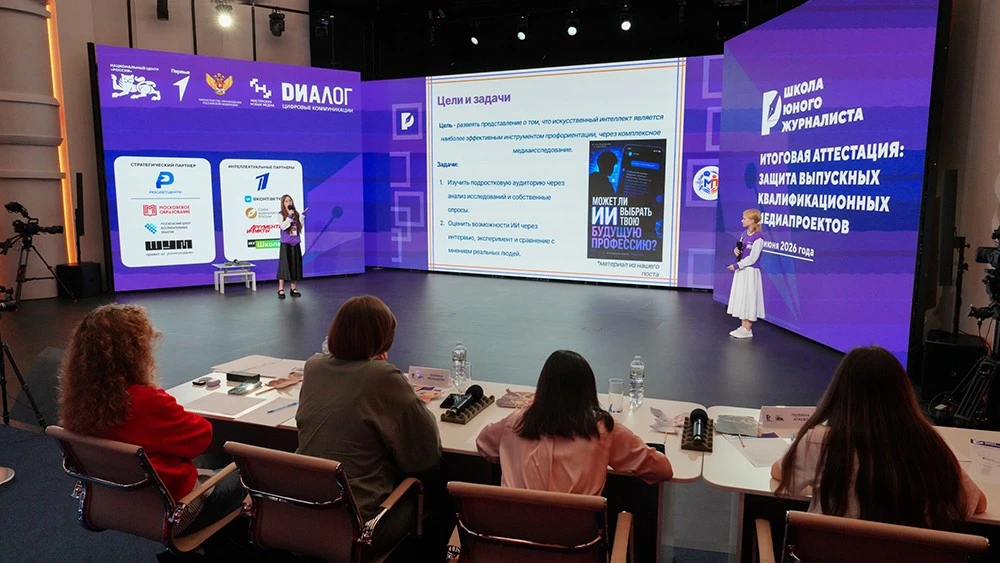
The Young Journalists School is a multi-format educational project of the National Centre RUSSIA.
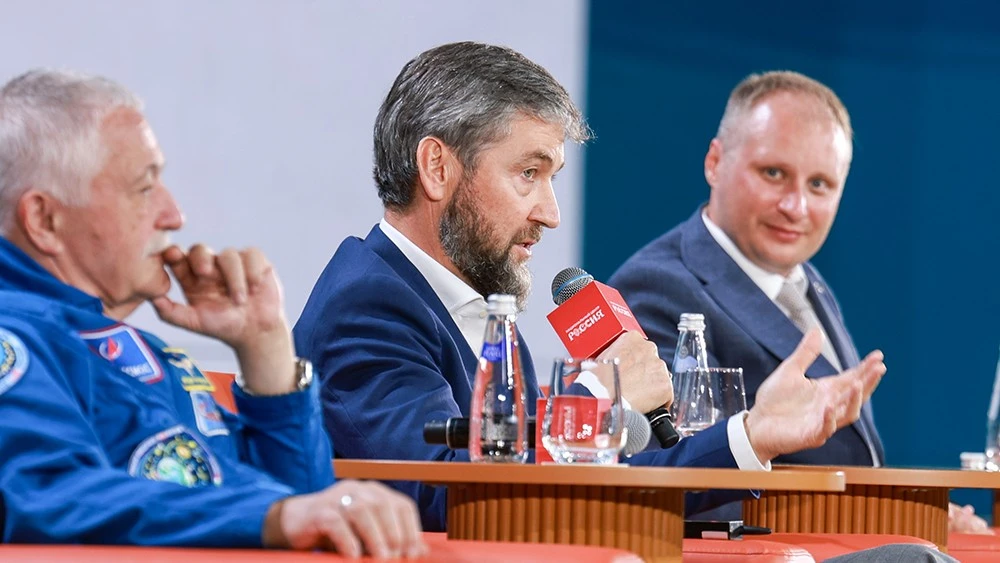
The Forum of Geography Teachers and Students of Specialised Universities was held at the National Centre RUSSIA on 25 June. It brought together more than 800 participants from all federal districts.


