


Science fiction writers and futurists draw up "drafts of the future" at the National Centre RUSSIA
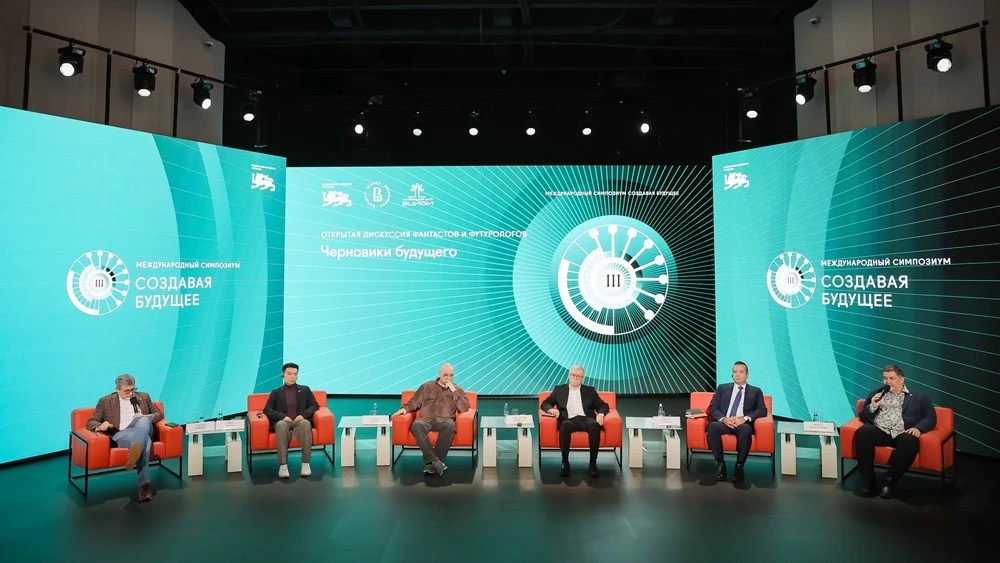
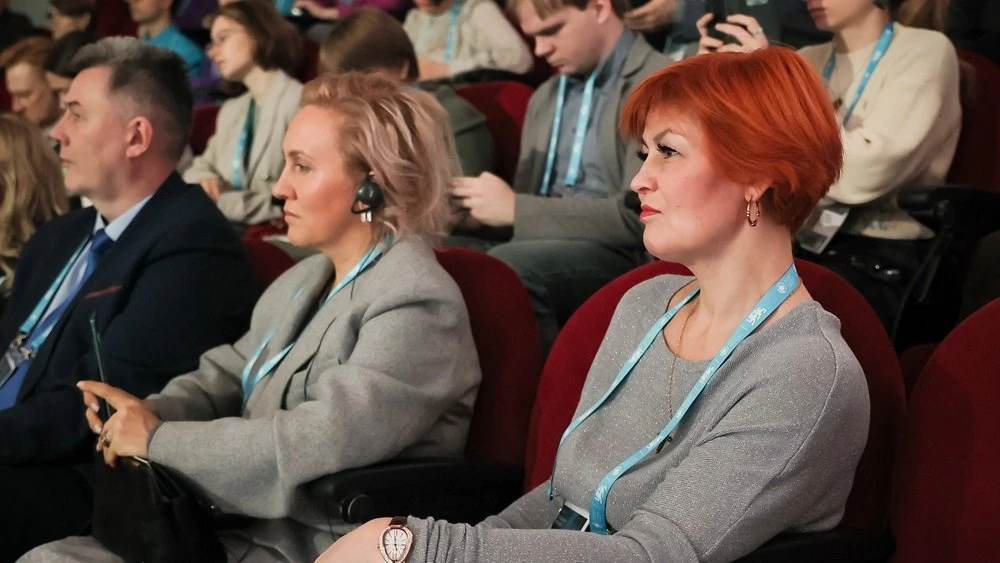
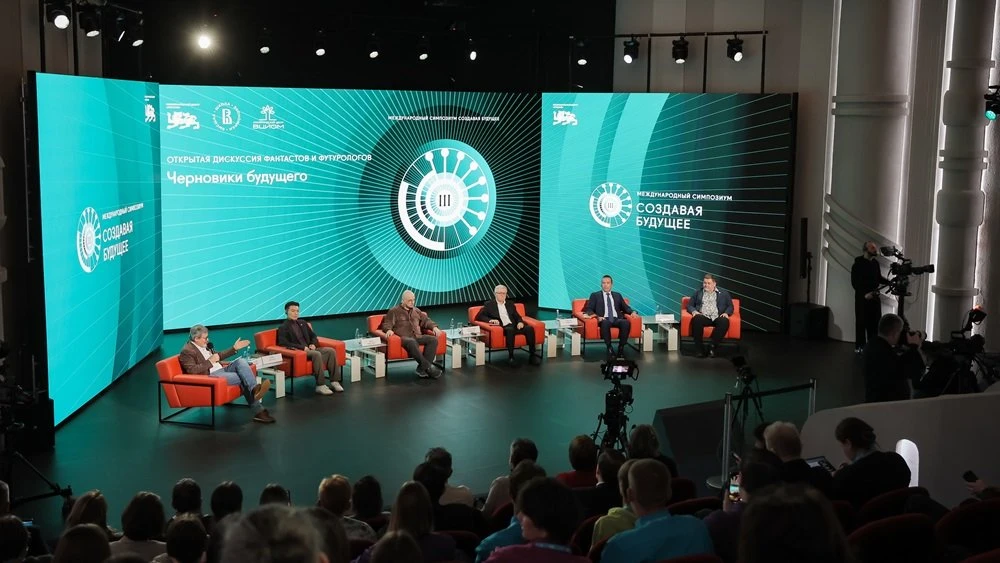
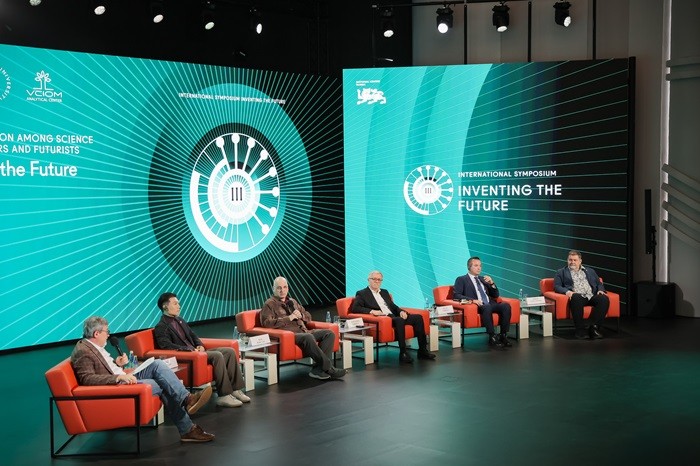
How can ideas from science fiction serve as a "stress test" for foresight models, and how can writers and futurists work together to develop visions of the future? Participants explored these and other questions at the open discussion "Drafts of the Future". The event was held on 13 November as part of the "Human and Values" track of the III International Symposium "Inventing the Future". It was co-organised by HSE University and the VCIOM Analytical Centre.
The discussion between science fiction writers and futurists was moderated by Valery Fedorov, Director General of the VCIOM Analytical Centre and Dean of the Faculty of Social Sciences and Mass Communications at the Financial University under the Government of the Russian Federation. The discussion opened with remarks from Sergei Lukyanenko, a science fiction writer, screenwriter, board member of the Union of Writers of Russia and member of the Civic Chamber of Russia.
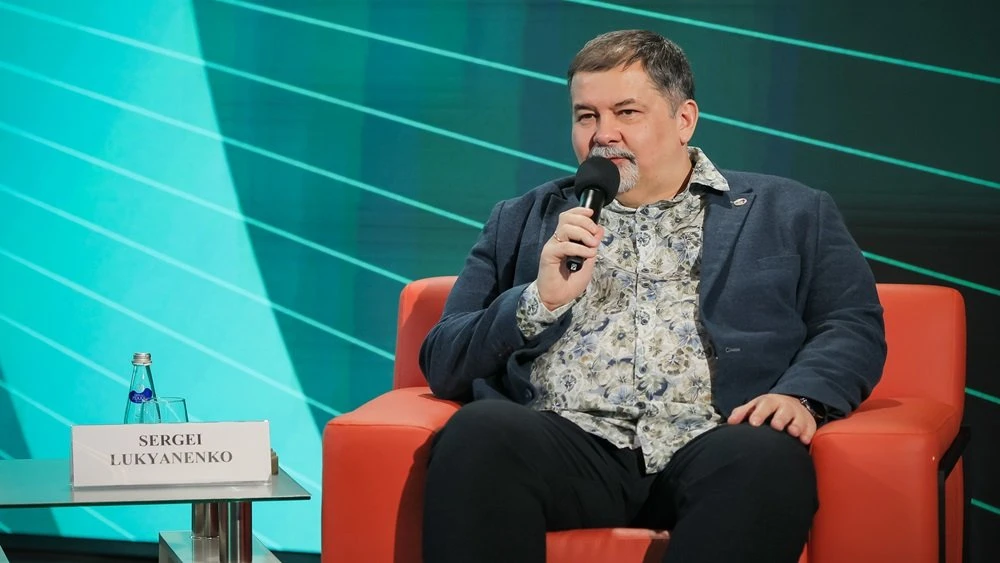
Asked about the mission of literature in an age of global change, the author of popular novels said the main task of science fiction was to warn humanity of the challenges that technological advances will bring and offer ethical guidance for the future.
"The main task of a science fiction writer is to spot dangers ahead and use fiction to warn people about them. We face a difficult choice. We can't stop developing artificial intelligence, or we'll start losing the economic and military race. At the same time, we're growing more dependent on it and risk losing sight of why we should keep developing as human beings. Think of Isaac Asimov. He depicted neural networks as robots that served people while robbing them of the will to live and develop. So science fiction today has to do more than frighten us. It has to make us think about how we can remain human once we hand the controls over to machines," said Sergei Lukyanenko.
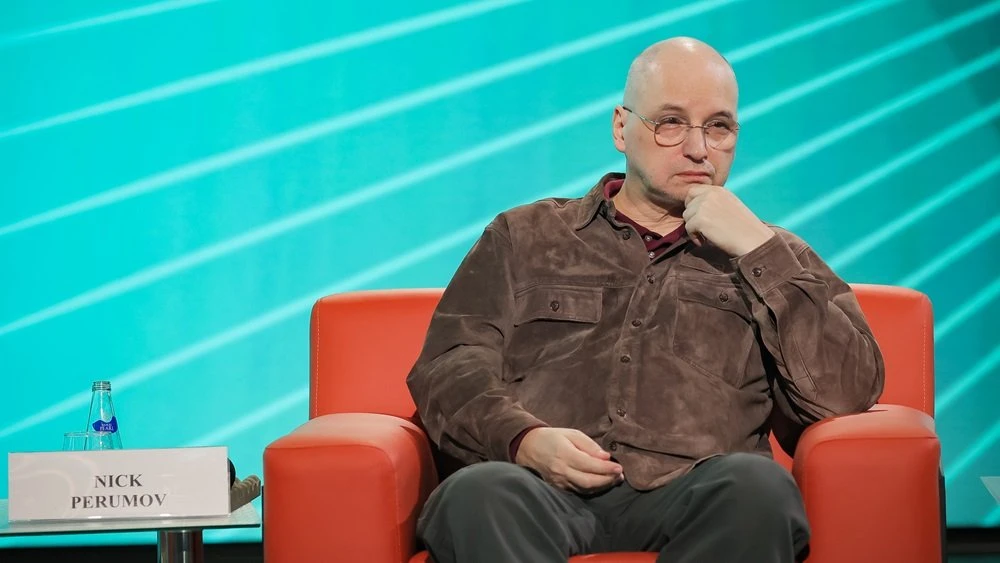
Nick Perumov, a writer who has twice won Russia's "Science Fiction Writer of the Year" award and also received the "Best Science Fiction Writer in Europe" award, asked what values society should draw on in the face of demographic change and proposed looking for a solution in a new social contract.
"For years, the promotion of careers and individual success worked well around the world. But those values really have lost their meaning and been discredited. In my view, a new social contract could be a fitting response to today's demographic challenges. Families undertake to raise children, and the state, in turn, guarantees them an entirely new level of prosperity and support. It's a pragmatic response to the challenges of the future that will allow us to preserve our human identity," said Nick Perumov.
Taking up the theme of global dialogue, Chen Qiufan, a science fiction writer, President of the Chinese Science Fiction Writers Association and co-author of the bestseller "AI 2041", noted that science fiction had moved beyond predicting the future and become an important tool for understanding the possibilities of the present. In his view, to break free from the negative scenarios imposed by Hollywood, Russia and China need to create their own alternative narratives about the future.
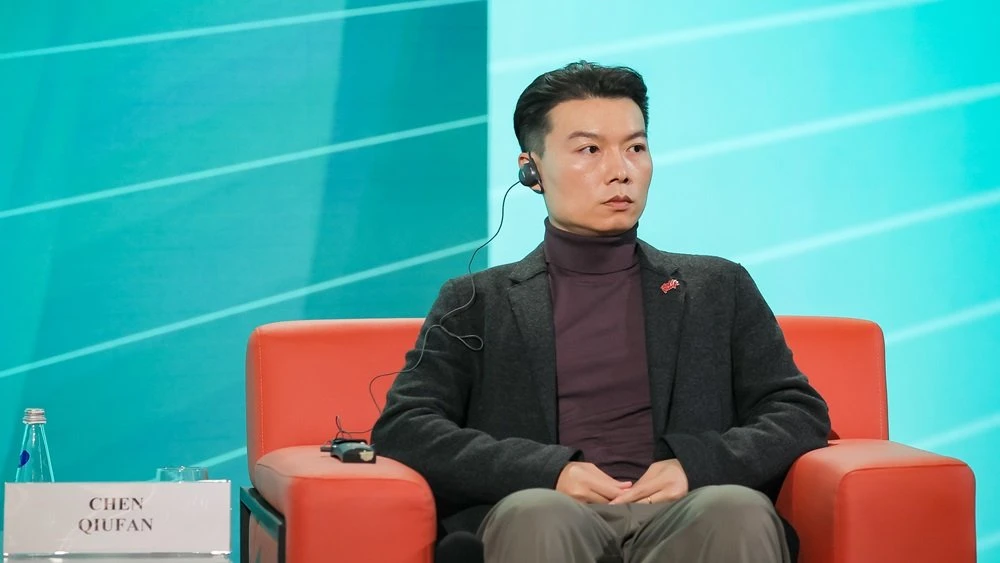
"Today, the main task of science fiction is to help people make sense of what's happening here and now, with prediction playing a lesser role. Behind the reality we're familiar with lie many different paths, and we need to show people that range of possibilities and how we can create a future we'd want to live in ourselves. Right now, our imagination is trapped by Hollywood cliches. As soon as someone mentions artificial intelligence, we immediately think of 'Terminators', and it feels as though there's no other option. To start thinking differently, though, we can draw on the ideology and culture of Russia or China and create our own convincing story of the future, one that is brighter and more constructive," suggested Chen Qiufan.
Ozcan Saritas (Turkey), Director of Foresight Research and Strategic Planning at Rochester Institute of Technology Dubai and Editor-in-Chief of the international academic journal "Foresight: The Journal of Futures Studies, Strategic Thinking and Policy", said artificial intelligence had moved beyond science fiction and now demanded that humanity adapt and change physically and cognitively. He said that human biological limitations, including the need for sleep and rest and the slow pace at which people process information, are becoming the main obstacle as digital systems advance rapidly. Ozcan Saritas therefore urged people to start thinking now about the medium-term future and learn to set limits on algorithms to keep critical infrastructure firmly under human control.
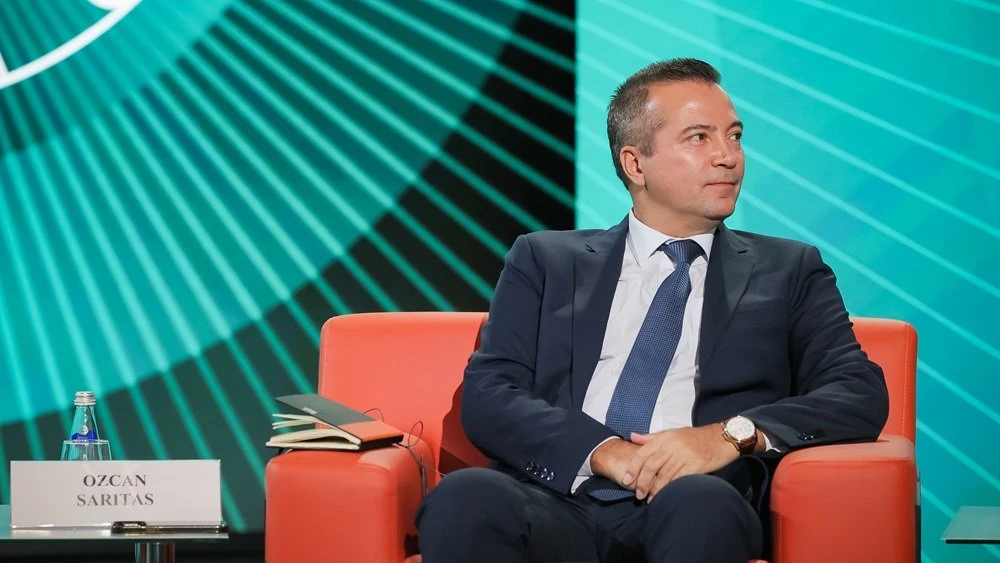
"Artificial intelligence has already advanced to the point where science fiction and reality are blurring. As a lecturer, I see a worrying sign. Students have already accepted that AI is smarter than they are and use it to produce standard answers. We still control technology for now, but we'll soon reach a stage where AI becomes a full partner in decision-making. For the first time in history, we're grappling with technology instead of nature, trying to keep pace with it. Information goes out of date faster than a lecture can be delivered, so traditional education could disappear. The main challenge for the future, then, is to improve our own cognitive and physical abilities so that we can control technology rather than letting it control us," said Ozcan Saritas.
Jean Paul Pinto Morales (Ecuador), a professor at UTEG University and a researcher in strategic foresight, science fiction and innovation processes, added that science fiction is an essential tool for teaching people to make decisions under uncertainty and when national security needs to be strengthened. In his view, its ability to offer alternative scenarios is critical to the survival of countries. Using Latin America as an example, Jean Paul Pinto Morales showed how dependence on global monopolies makes countries vulnerable. Russia's success in developing its own brands, he said, demonstrates that it is possible to build a resilient economic model.
"Science fiction and futures studies help us teach students to think about the future. I study security, and literature allows us to build a model for strengthening it. In science fiction, we can identify consequences that conventional foresight methods cannot account for. Science fiction also gives us the most important thing of all — an alternative. Latin Americans can't imagine life without American brands, and if those brands disappeared, there would be a crisis. Here in Russia, I saw an alternative, and that's wonderful. We need to do more work on speculative design, and that will help us understand what the future might look like," said Jean Paul Pinto Morales.
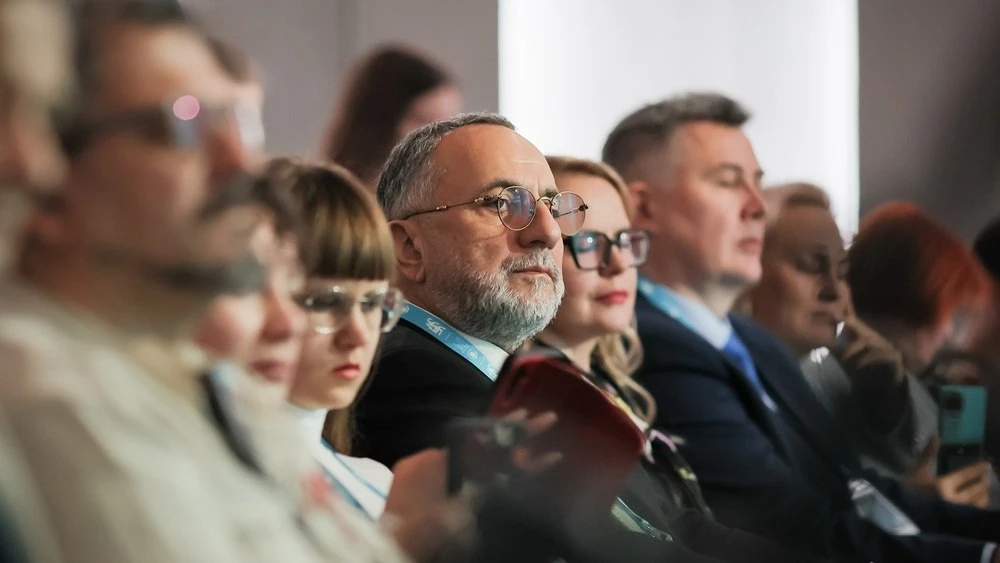
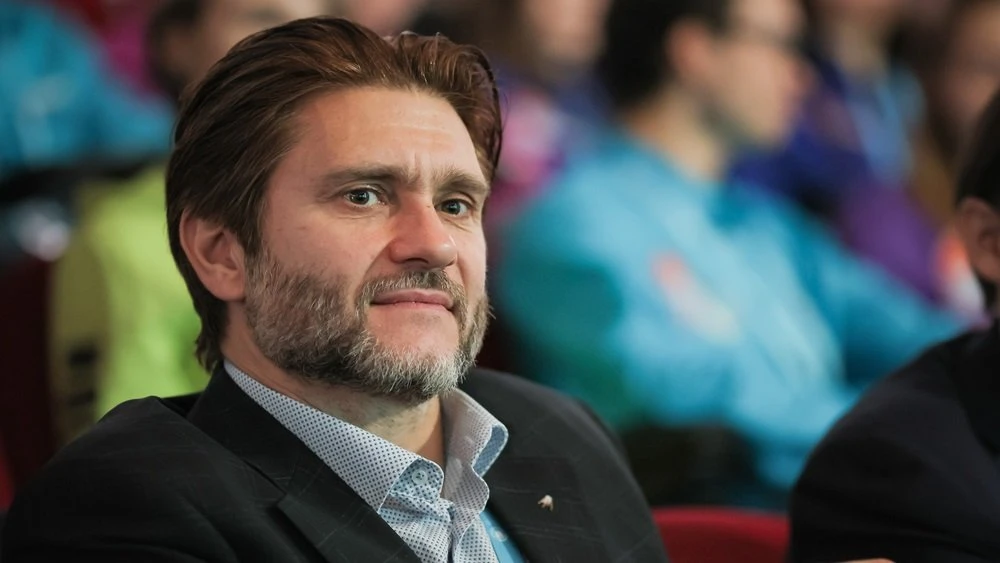
Other participants included Ruslan Yusufov, a futurist, Head of the Department of Social Forecasting and Modelling at the Institute of Social Architecture, and founder and managing partner of MINDSMITH, and Alexander Chulok, Director of the Centre for Science and Technology Foresight at the Institute for Statistical Studies and Economics of Knowledge at HSE University. They were joined by Alexander Sokolov, Director of the Foresight Centre and Deputy Director of the Institute for Statistical Studies and Economics of Knowledge at HSE University, Head of the UNESCO Chair in Futures Studies at HSE University and a tenured professor at the university, and Yevgeny Kuznetsov, a futurist and co-founder of the Digital Evolution Ventures fund.
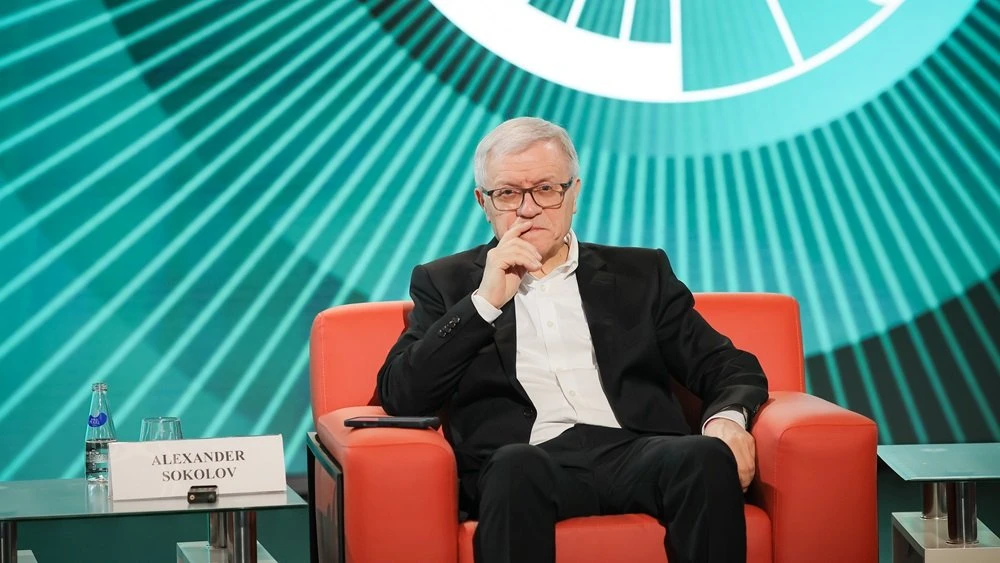
Participants concluded that the era in which futures studies and science fiction developed in parallel had come to an end. They identified areas for further collaboration that would bring analytical forecasts and imaginative visions together in a shared agenda. This will help identify topics for joint research and develop new literary projects grounded in scientific data.
The III International Symposium "Inventing the Future" is an original project of the National Centre RUSSIA. It is organised on the instructions of the President of the Russian Federation, Vladimir Putin, as part of the Decade of Science and Technology. It is part of the ecosystem of the Open Dialogue "The Future of the World. A New Platform for Global Growth", which the National Centre RUSSIA also runs on the instructions of the head of state. This year's Symposium is being held on 12–13 November 2026 with more than 8,000 participants from 109 countries, including statespeople, scientists and researchers, heads of corporations and business alliances, representatives of the creative industries and public organisations, and young professionals.
Event photobank

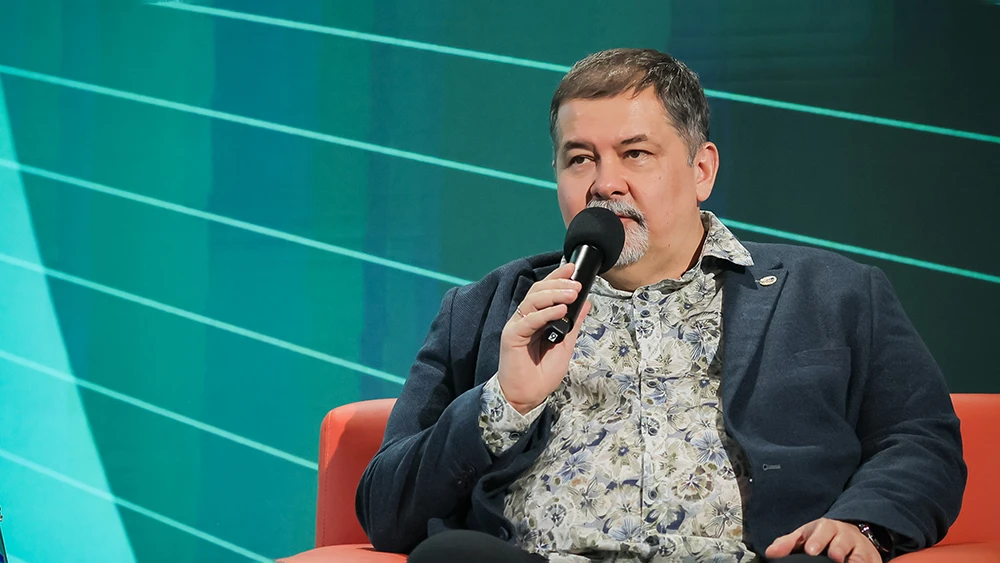
The ceremony for the II All-Russian Science Fiction Literary Award will take place on 13 November at the National Centre RUSSIA as part of the III International Symposium "Inventing the Future".
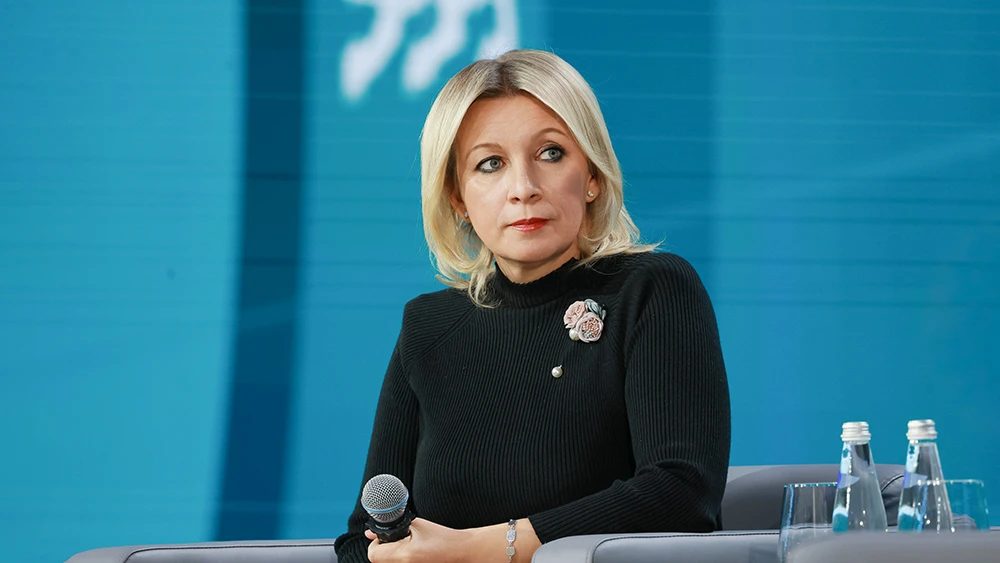
School pupils, university students and young professionals learnt what knowledge and personal qualities help people cope with rapid change and received practical advice.
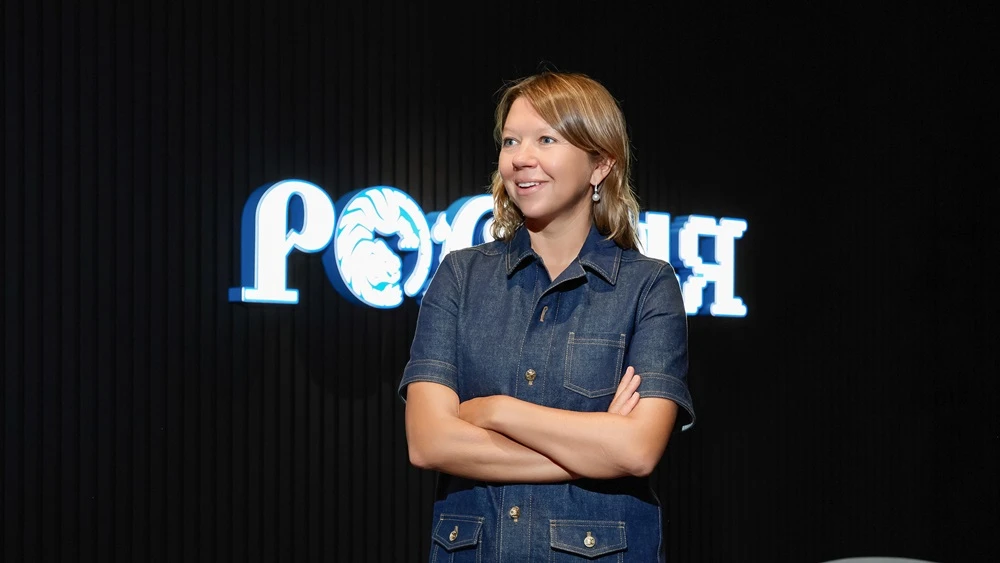
The Young Artisans School will open next year at the National Centre RUSSIA, where children will discover folk crafts and learn to make things that carry the maker's heart and the traditions behind them.


