


Sergei Lukyanenko explains how the Science Fiction Award helps model the future
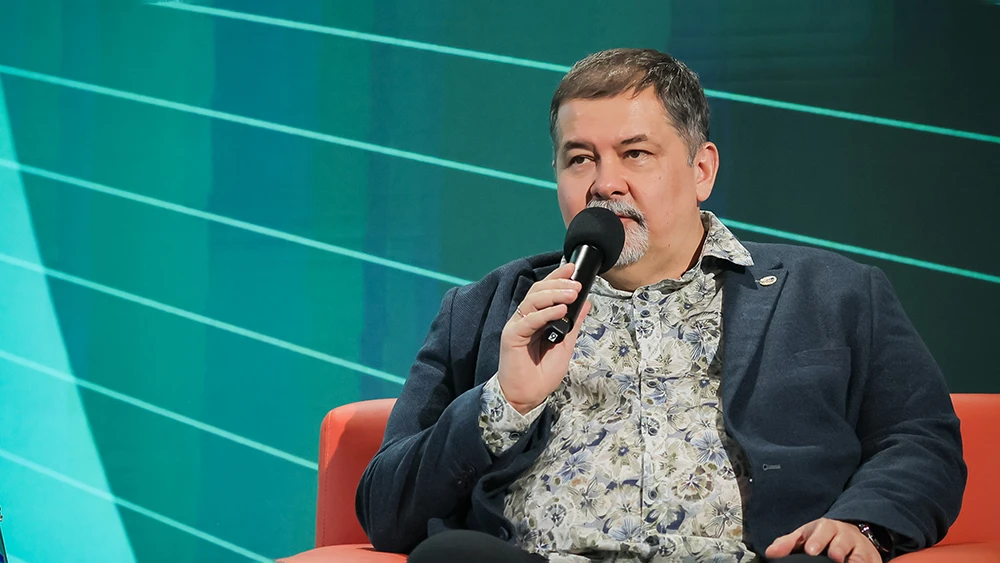
The
ceremony for the II All-Russian Science Fiction Literary Award will take place
on 13 November at the National Centre RUSSIA as part of the III International
Symposium "Inventing the Future". Ahead of the ceremony, the Writers'
Union of Russia, the National Centre RUSSIA's partner on the project, published
an interview with the chair of the award jury, science fiction writer and
screenwriter Sergei Lukyanenko. He discussed the aims of the project and
highlighted the central role of science fiction in modelling the future.
Sergei Lukyanenko believes that science fiction is enjoying a renaissance. Once
seen simply as entertainment, it is once again a vital tool for making sense of
the future. It provides a basis for social forecasting and encourages people to
think about the consequences of technological progress and other trends shaping
humanity.
"In my view, the main purpose of science fiction is to pick up on emerging
social, political and cultural trends and predict what might happen ten, twenty
or more years from now. For example, what will the world look like when all
those children grow up who, from the age of two, sit in their pushchairs
watching an endless stream of thirty-second clips on a smartphone instead of
cartoons? Any doctor or psychologist knows that this kind of pastime shapes the
way children think in a very particular way, and does little to develop their
cognitive abilities. Science fiction should explore these dangers, tell people
about them and make them ask themselves, 'Is this the future I want for myself,
my children and my grandchildren?'" warns Sergei Lukyanenko.
The All-Russian Science Fiction Literary Award was established in 2025 by the
National Centre RUSSIA and the Writers' Union of Russia. It supports work by
contemporary authors writing in a genre with a rich tradition established by
Alexander Belyayev, Ivan Yefremov and the Strugatsky brothers. The award brings
new writers to readers' attention and helps tell stories about the future of
humanity, society and technology.
More than 30 books made this year's longlist in the main category,
"Fiction". Established names in the genre, including Vasily
Golovachyov, Vadim Panov, Eduard Verkin and Shamil Idiatullin, feature
alongside newcomers such as Nadezhda Ozhigina, Yelena Kuleshova and Artyom
Bentsler. Awards will also be presented in "Translation" and "Visual
Image", in the new category "Children's and Young Adult
Fiction", and in the special category "International
Recognition".
The shortlists for each category and the names of the 2026 winners will be
announced at 19:00 on 13 November. Special prizes will also be presented by the
publishers Eksmo and AST-Azbuka, the Expert Institute for Social Research, and
the Institute of Social Architecture, a separate division of the presidential
platform "Russia — Land of Opportunity".
The full interview with jury chair Sergei Lukyanenko is available on the
Writers' Union of Russia website.
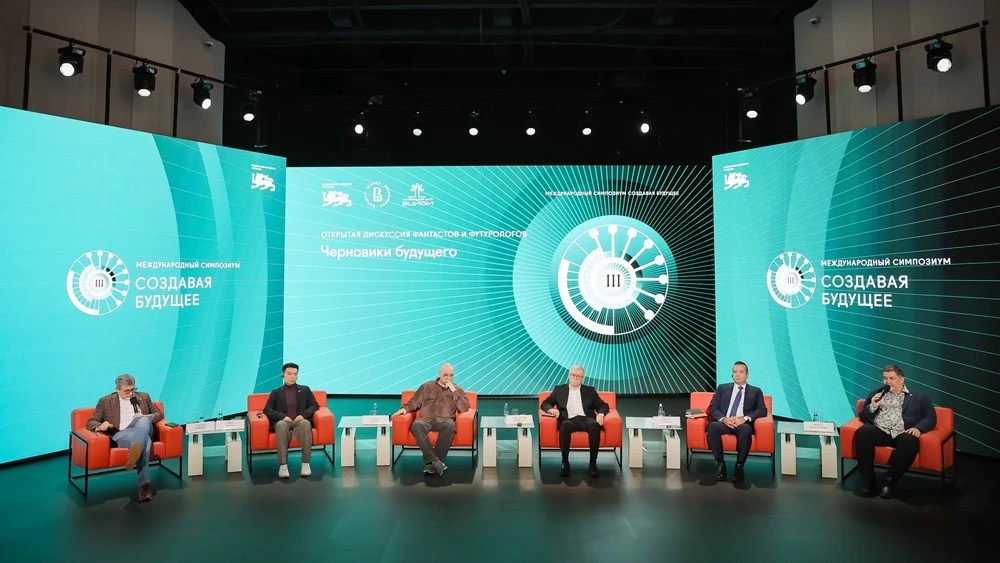
The event was held on 13 November as part of the "Human and Values" track of the III International Symposium "Inventing the Future".
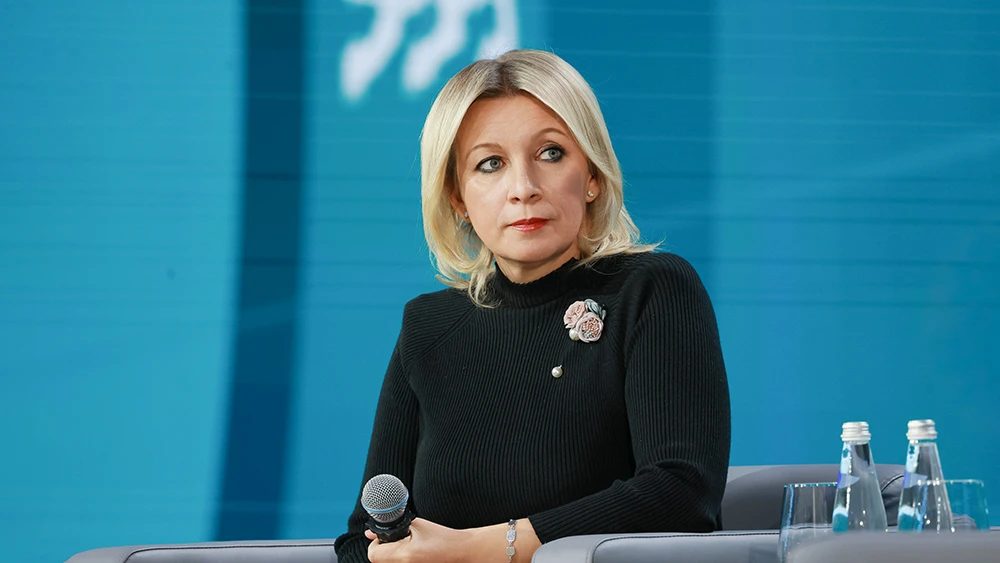
School pupils, university students and young professionals learnt what knowledge and personal qualities help people cope with rapid change and received practical advice.
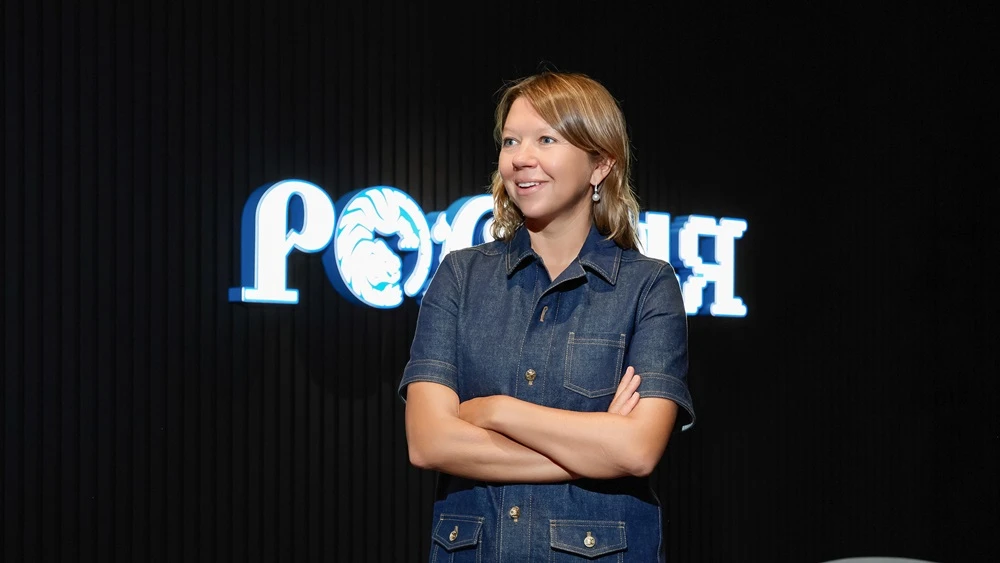
The Young Artisans School will open next year at the National Centre RUSSIA, where children will discover folk crafts and learn to make things that carry the maker's heart and the traditions behind them.


