Fyodor Konyukhov: "My clothes still smell like little penguins"
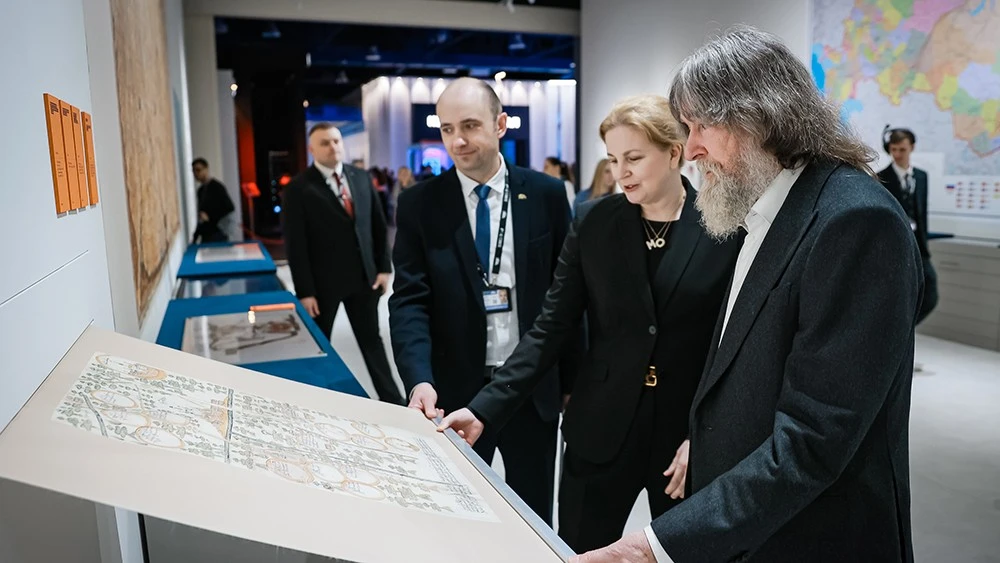
One of the key speakers at the session "Geography of Travel", held as part of the Open Lecture Hall "Inventing the Future: Geography" at the National Centre RUSSIA, was renowned traveller and member of the Russian Geographical Society, Fyodor Konyukhov. He said that he had arrived at the National Centre RUSSIA almost immediately after returning from Antarctica and admitted that he had already begun to miss the icy continent.
"I have just returned from Antarctica. I left on 26 March and left my little penguin friends there. My clothes still smell like them. I lived surrounded by penguins, elephant seals and fur seals, and I saw whales approaching the shore. I consider myself the happiest person because I had the chance to live alongside such remarkable creatures. I even discovered dinosaur bones there. Now I already miss Antarctica and want to return — not for four months, but for all nine," Fyodor Konyukhov shared.
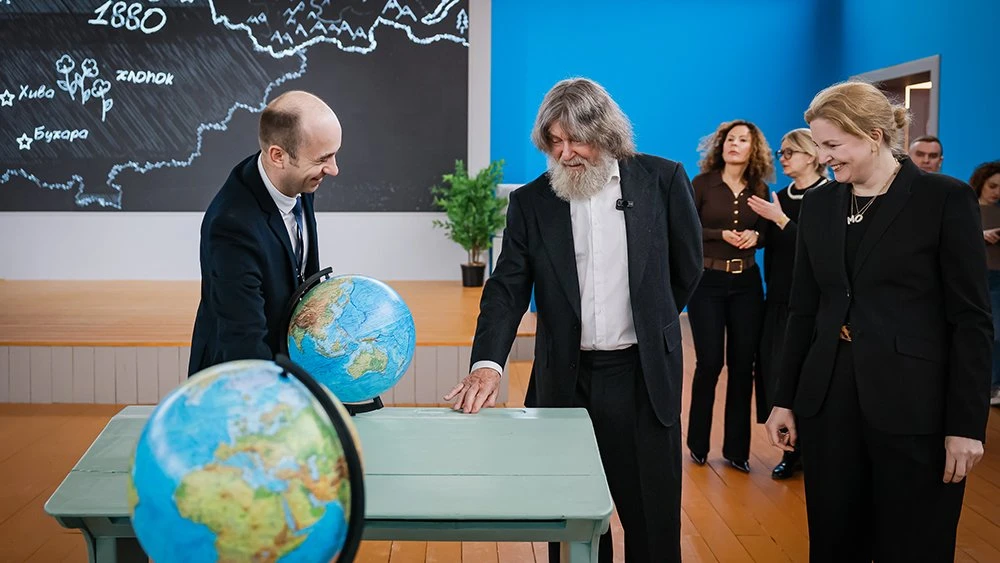
Throughout his life, the famous explorer has visited Antarctica many times, first travelling there in 1995. Over the years, he has witnessed clear signs of climate change: "In the past, the coastline was mostly covered with moss and glaciers, but now grass is beginning to grow and mushrooms have appeared. It is obvious that the climate is warming. Birds also play a role in these changes: for example, terns migrate from Chukotka to Antarctica and back. This affects the spread of organisms in the region."
At the same time, Fyodor Konyukhov noted that there are also positive developments in Antarctica that inspire cautious optimism. Nature is gradually recovering after decades of intense human impact.
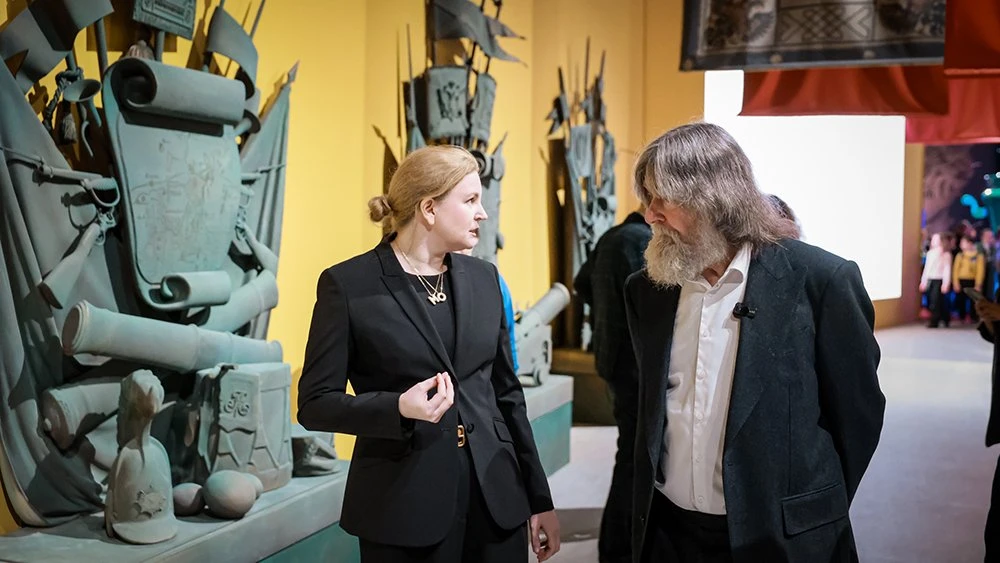
"Over the past decades, the state of Antarctica’s wildlife has improved significantly. In the 1980s, whaling and the capture of penguins were still taking place, whereas now these species are protected. As a result, whale populations have grown considerably, and the ecosystem as a whole has become richer compared to 30–40 years ago. That is why it is important to send more scientists there — including botanists — to study new plant species and understand the mechanisms behind these changes," he added.
According to the traveller, people often do not understand the importance of long and meticulous research in remote regions. It may seem more practical to focus on more immediate concerns, but without such work there would be no major discoveries or true understanding of how the world functions.
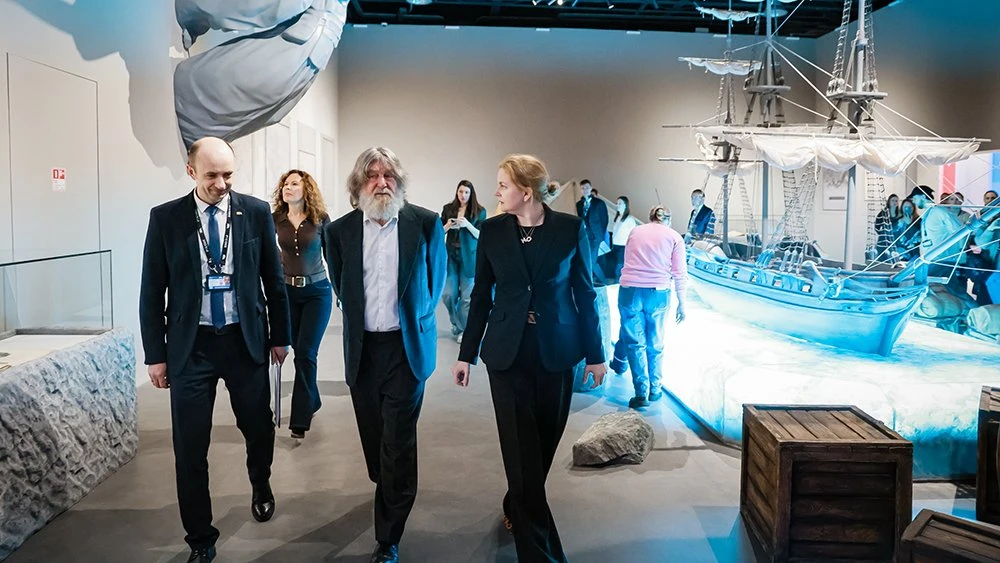
"During my recent expedition to Antarctica, I had an instrument installed there that uses satellite data to measure how Antarctica is separating from Smolensk Island: the island is shifting by two centimetres. Sometimes people call me and ask: 'Fyodor, who needs this? Why are you sitting there for four months with penguins, watching Antarctica move by two centimetres a year when there is so much work to do here?' But all of this is very important," the explorer concluded.
The Open Lecture Hall "Inventing the Future" is the educational track of the International Symposium "Inventing the Future". It is held quarterly and brings together experts from different countries to jointly develop positive scenarios for the future. The speakers’ ideas form the basis of neural videos, which audiences can evaluate, becoming co-authors of inspiring concepts for societal development.
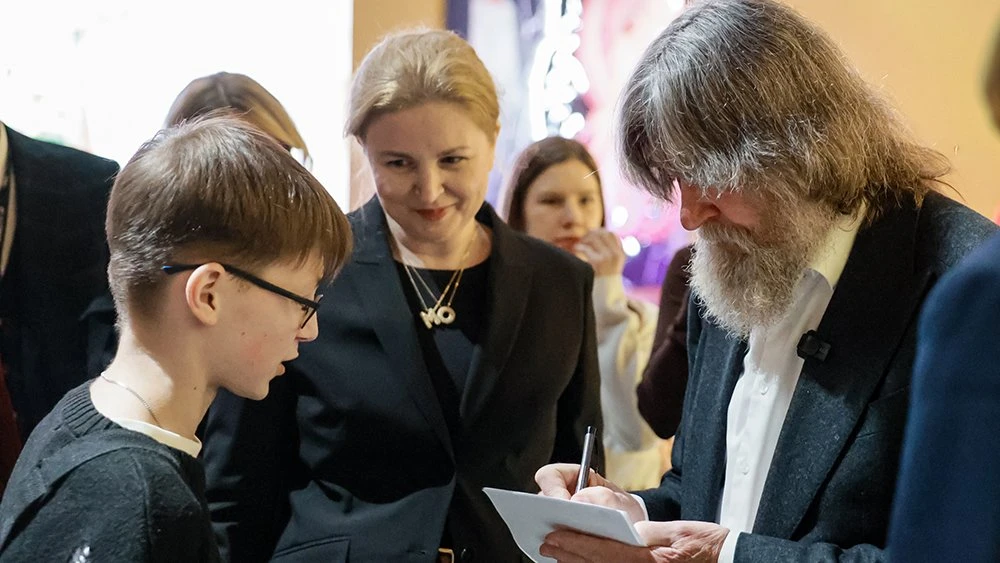
A recording of the expert session with Fyodor Konyukhov and other events of the Open Lecture Hall "Inventing the Future: Geography" is available on the website russia.ru in the "Livestreams and Videos" section.
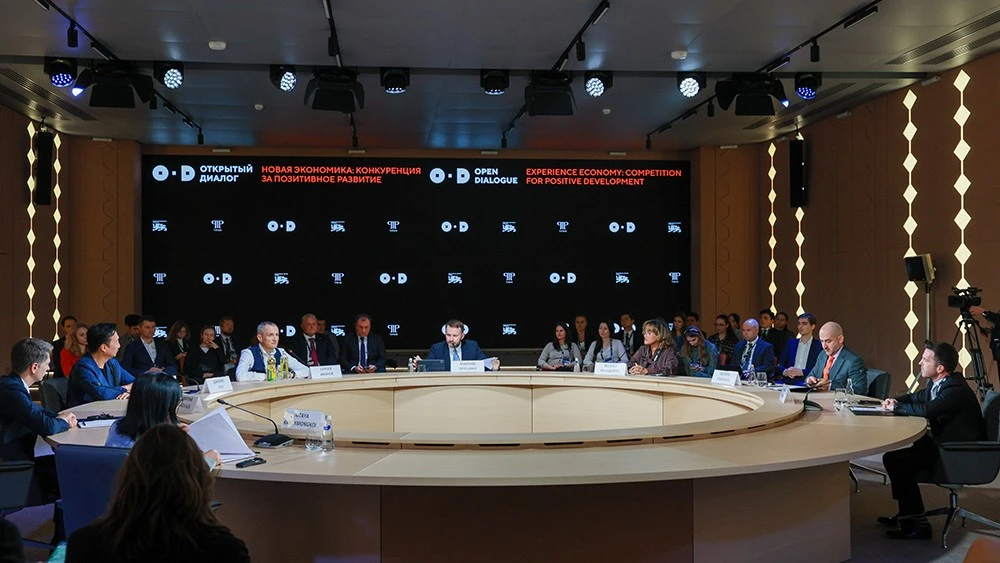
From 27 to 29 April, the National Centre RUSSIA will host the II Open Dialogue "The Future of the World. A New Platform for Global Growth".