The phenomenon of women’s literature discussed at a meeting of the "What to Read?!" club
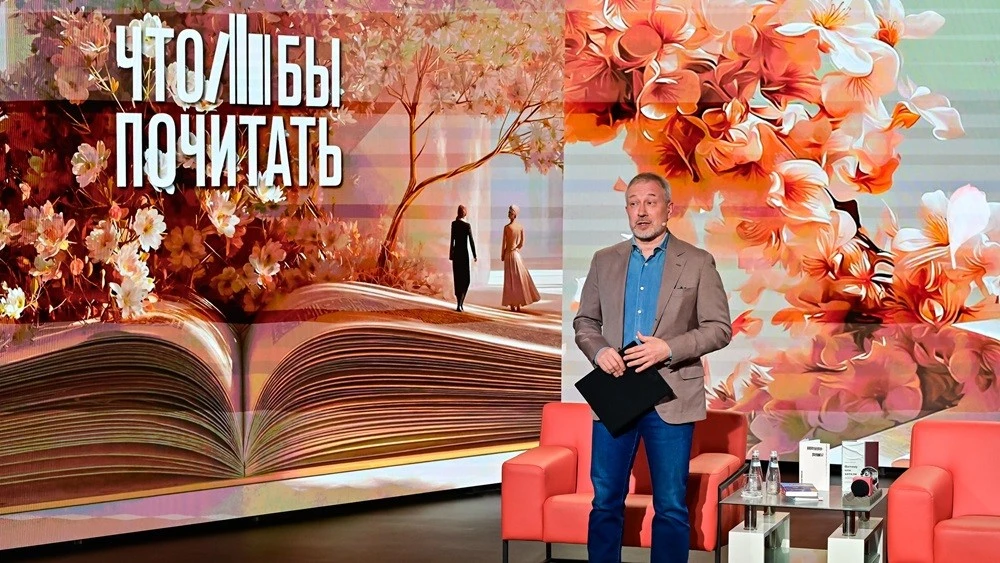
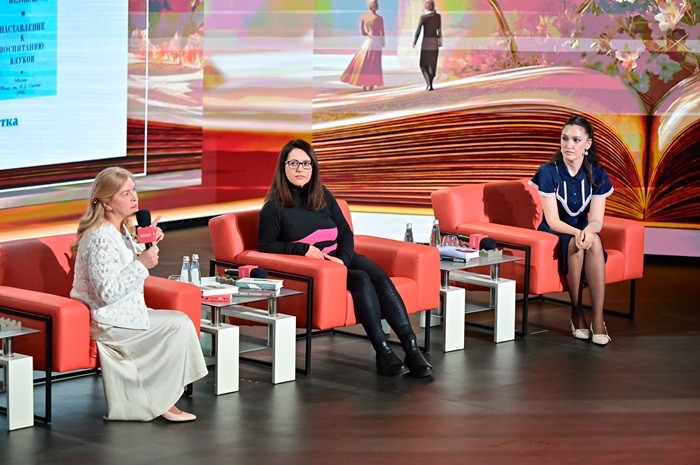
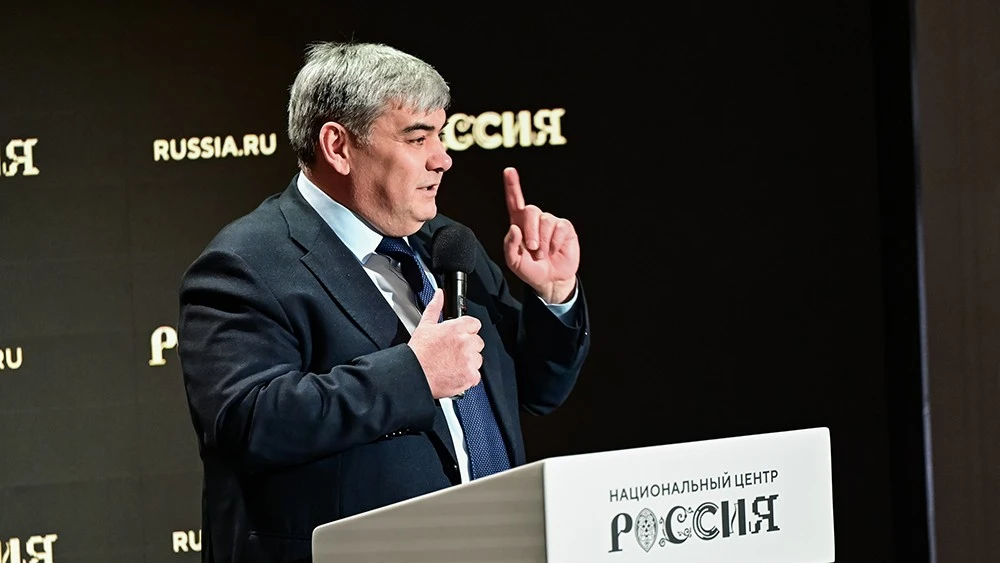
On 20 March, the National Centre RUSSIA hosted a meeting of the Literary Club "What to Read?!" on the topic "Women in Literature and Around It". Participants discussed how reading preferences have changed, what is meant today by the concept of "women’s literature", and what makes the female voice in fiction distinctive.
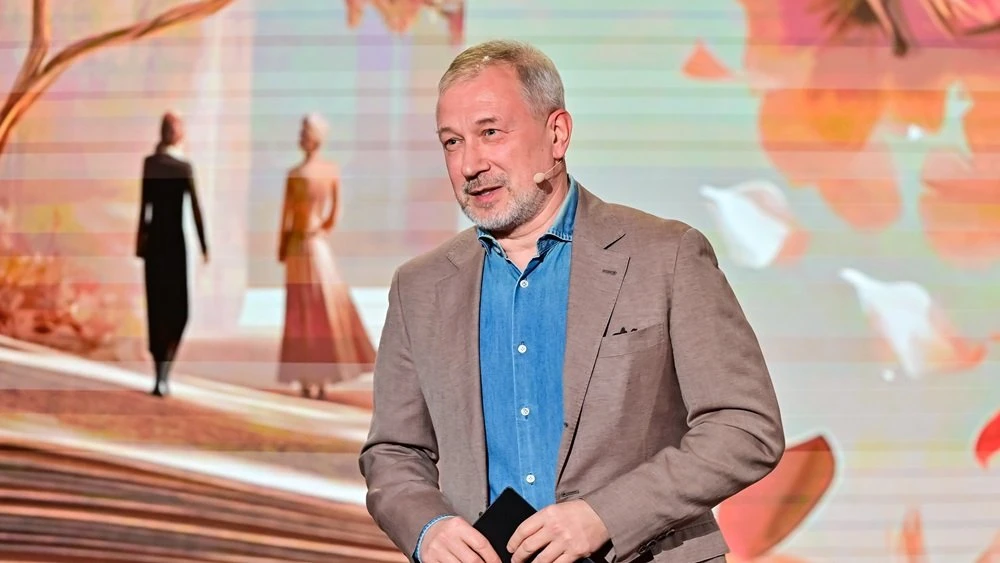
"Today we are talking about women’s literature — about women authors and female characters. This topic is often remembered only on 8 March. But the holiday passes, while women remain. Their stories remain, their voice, their place in culture and poetry," noted the moderator of the meeting, Head of the Academic Council of the Centre for Political Conjuncture, Professor at HSE University, and author of the Telegram channel "Chesnakov. Library", Alexei Chesnakov.
Lecturer of the Russian society Znanie, Natalia Urbanskaya, suggested looking at the image of women in Russian literature from a historical perspective — from the 12th century to the present day. According to her, even in Ancient Rus’ texts, using the example of Yaroslavna from "The Tale of Igor’s Campaign", a woman appears not only as a suffering wife, but also as a figure of will and strength. Addressing the elements — wind, sun, and water — Yaroslavna does not ask, but demands, and the world, as conceived by the author, responds to her call.
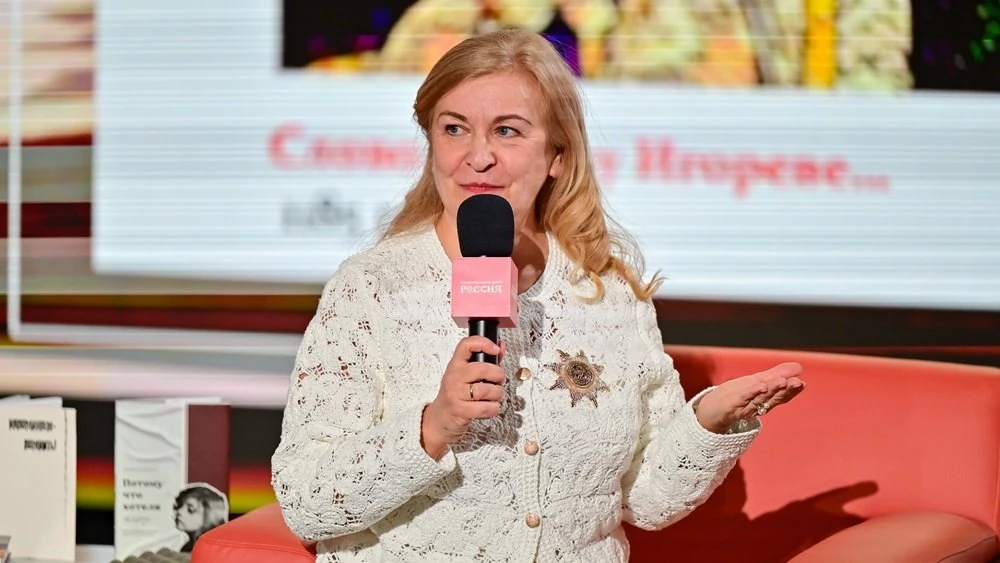
Natalia Urbanskaya added that "The Tale of Peter and Fevronia" introduces another type of heroine — Fevronia, not of noble origin, but endowed with inner wisdom and moral strength. Her choice — loyalty, love, and fidelity to inner truth — becomes a kind of code of Russian literary tradition.
Developing the theme, Natalia Urbanskaya turned to the figure of Catherine the Great, who became for her subjects a symbol of the "Russian soul". The Empress not only governed the state but also shaped the cultural code of the era. In her "Instruction", she outlined principles that influenced not only the structure of the state but also the style of literary writing. According to the speaker, these ideas were reflected in the prose of Derzhavin, Fonvizin, and other authors.
Speaking about the difference between male and female writing, Natalia Urbanskaya emphasised different approaches: "A man, by his nature, is a conqueror, a defender, a hunter — he acts. His texts are about action, achievement, construction. When a woman writes — as a mother, sister, or wife — she expresses empathy and compassion. Women’s writing is filled with kindness and sympathy."
According to the expert, texts by men and women may address the same themes but emphasise different aspects of human experience. At the same time, as poet and writer Margarita Pankratova (Rita Ritorika) noted, this division has largely lost its relevance in the modern world.
"For me, there is no such thing as women’s or men’s poetry, especially in the 21st century. There is no female pain, no female love, no female fear — there is only accumulated human experience," she said.
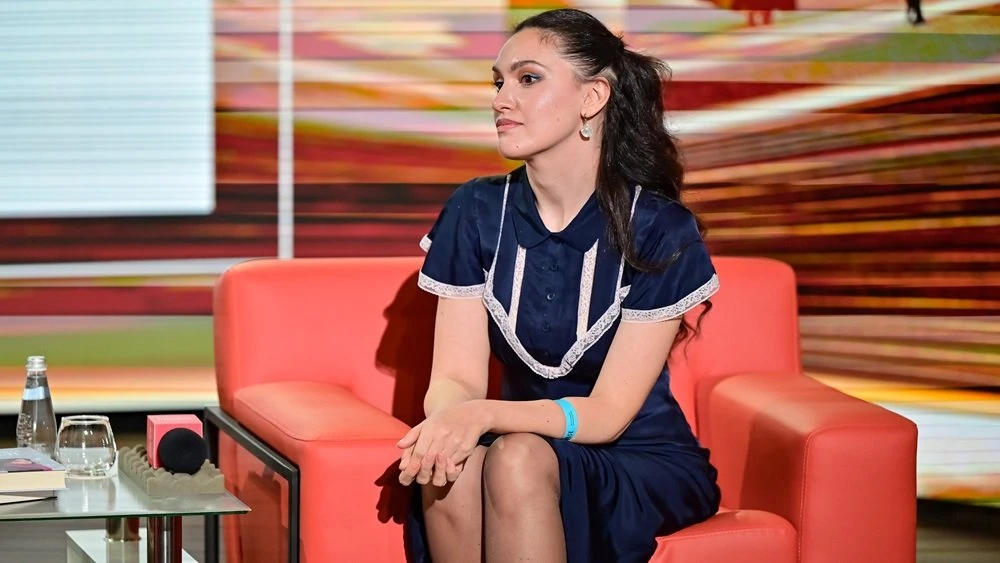
According to her, a poet of any gender lives with a heightened perception of the world, but it is important that this sensitivity does not destroy, but creates. Emotions should not become an end in themselves, but a foundation for meaningful work with the text, without sacrificing the well-being of family and loved ones.
Margarita Pankratova also spoke about another aspect of a writer’s work. According to her, a contemporary woman author often combines creative activity with family and professional responsibilities, which shapes a unique experience and influences the content and tone of texts, making them closer and more understandable to readers.
Literary scholar and writer Yelena Afonina offered a more nuanced view: strict features of "women’s writing" are difficult to define today. In her opinion, the differences lie not so much in form as in experience and perspective.
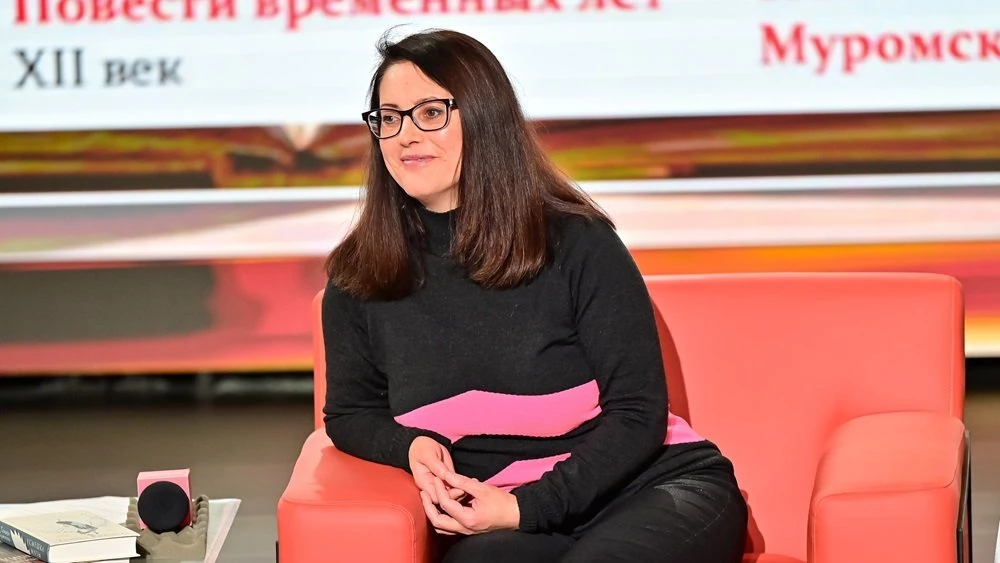
"What may differ is the angle of vision, the attitude to the same things, the heroine’s sense of self in a given situation. Some experiences, by their nature, can only be lived through by a woman, and from this an особый emotional and semantic framework emerges," the speaker explained.
According to the editor, the cultural phenomenon of women’s literature lies in the fact that today every woman has a full range of opportunities for self-expression.
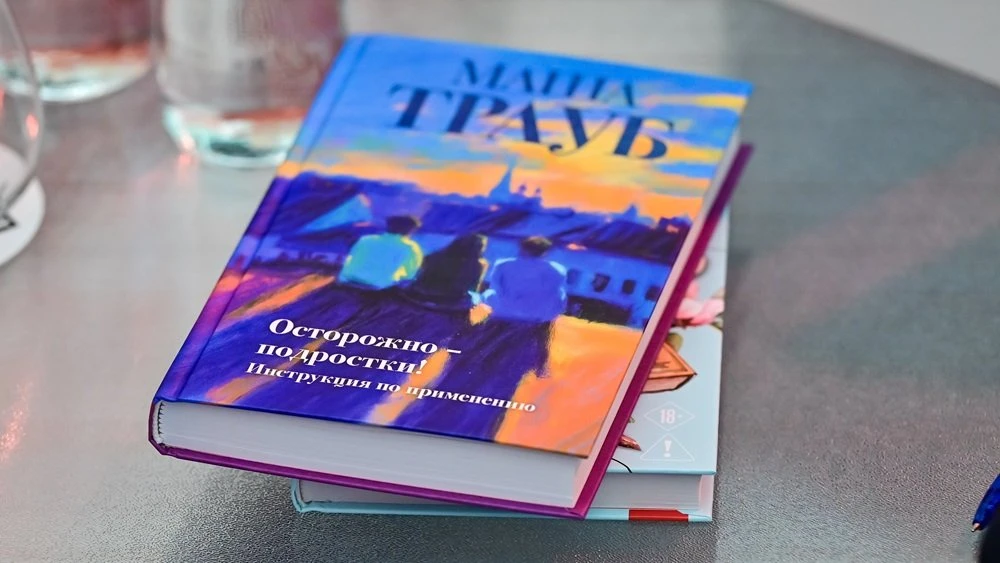
"A woman today can write her own stories, build a community of readers, and through this find her purpose. The most important thing is not to keep stories in a drawer, but to share them, to build your own community, and to find people for whom they matter," she added.
Speaking about the present, participants noted that interest in literature remains strong despite the influence of the digital environment. In their view, reading today is not just a way of obtaining information, but a form of personal experience and inner dialogue — with the text, the author, and oneself.
Participants concluded that literature today performs not only an aesthetic function, but also an important supportive one. Literary texts allow people to slow down, reflect on what is happening, and feel a sense of connection — especially in a fast-paced, information-saturated world.