


Final of the All-Russian Theatre Train project: two trains meet in Moscow
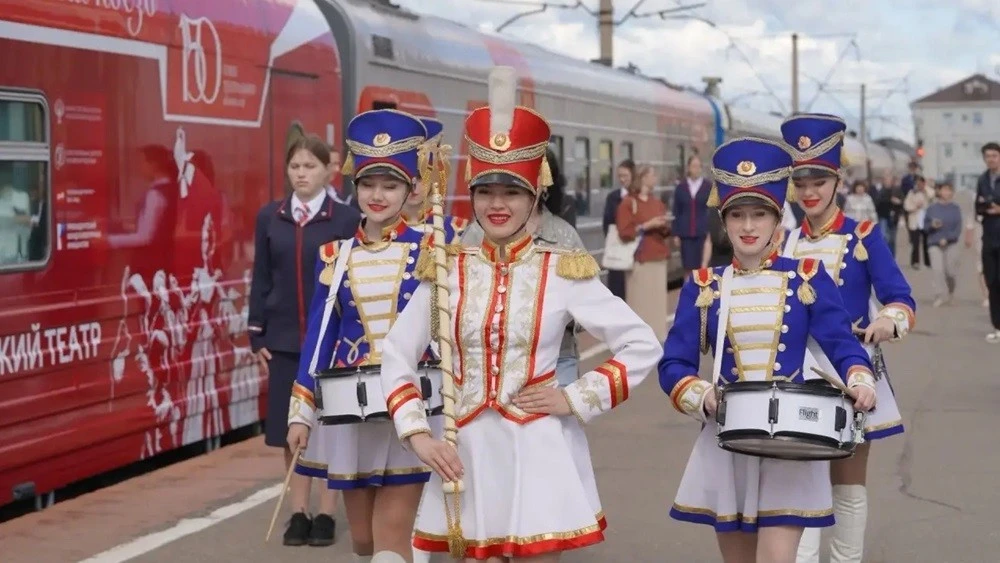
A ceremony welcoming the two Theatre Trains from Vladivostok and Sevastopol was held on 30 June at Kievsky Railway Station in Moscow. The event concluded a major all-Russian cultural and educational project marking the 150th anniversary of the Union of Theatre Workers of the Russian Federation. The project finale at Kievsky Railway Station became a symbolic point where the two routes, which had crossed the entire country, came together. The eastern train travelled along the Trans-Siberian Railway and the Baikal-Amur Mainline, through Siberia and the Urals, while the southern train travelled through Crimea, Kuban, the Don and central Russia.
The Theatre Train is a touring marathon that began in May 2026. The eastern train departed from Vladivostok on 12 May, while the southern train left Sevastopol on 27 May. Over 50 days on the route, the trains covered thousands of kilometres and stopped in 42 Russian cities.
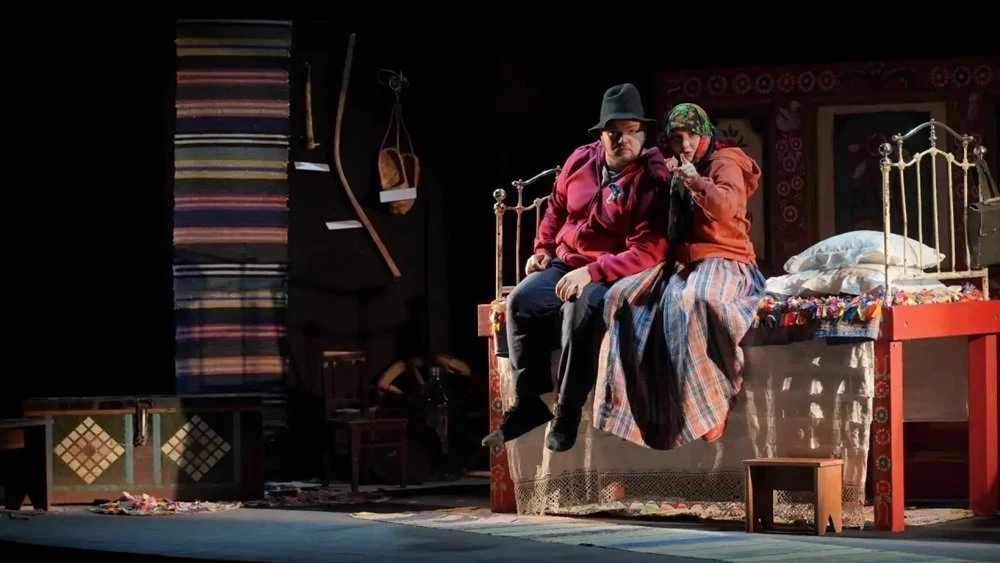
More than 5,000 artists from 115 theatre companies took part in the project. Over the course of the journey, 280 performances of various genres were staged, including drama, opera, ballet, puppet theatre and street performances. Each stop hosted a two-day theatre festival, featuring performances by visiting companies, appearances by local troupes, educational lectures, workshops and creative meetings. Interactive zones and expositions dedicated to theatre history and theatre professions were organised at railway stations.
The Chairman of the Union of Theatre Workers of Russia, Vladimir Lvovich Mashkov, addressed the participants and audiences.
"Throughout its journey, the Theatre Train set both major and small records in every city where it stopped. The artists saw Lake Baikal from two sides — from Ulan-Ude and Irkutsk. In Yekaterinburg, they marched with an orchestra along the city’s main streets, carrying the flag of our Theatre Train; in Volgograd, they laid flowers at the Eternal Flame on Mamayev Kurgan and paid tribute to those who defended the Motherland. On the southern route, more than 6,000 people came to welcome the Theatre Train in Samara and Rostov-on-Don. Almost as many came on the eastern route, in Tynda and Chita. Over the entire journey, 130 performances were held in our theatre carriage. Even during a technical stop at Sosnovye Rodniki station, the Bratsk Puppet Theatre staged its performance at the request of the village residents. Friends, you have shown that theatre can unite artists and audiences even when thousands of kilometres separate them. Thank you, to all the artists and all the spectators, for this celebration of theatre!" he said.
The Director General of the Presidential Foundation for Cultural Initiatives, Roman Vladimirovich Karmanov, emphasised: "Today, we have witnessed not simply the finale of a large-scale tour, but a truly historic moment. Two Theatre Trains arrived at Kievsky Railway Station at the same time, linking Vladivostok and Sevastopol, and the project has become one of the landmark events in the year of the Union of Theatre Workers’ 150th anniversary. Two months, numerous cities, performances in each of them, and 5,000 artists — these figures are impressive, but there is something greater behind them. In Samara and Rostov-on-Don, thousands of people came to welcome the train, while in the small settlement of Sosnovye Rodniki, artists from the Bratsk Puppet Theatre gave a performance right during a technical stop at the request of the audience. This is art for the people, and it knows no geographical boundaries. It was precisely because of this significance and importance for people that the project received a grant from the Presidential Foundation for Cultural Initiatives. Culture must be accessible to everyone, regardless of whether they live in a metropolis or a small town. And the Theatre Train succeeded in bringing culture closer."
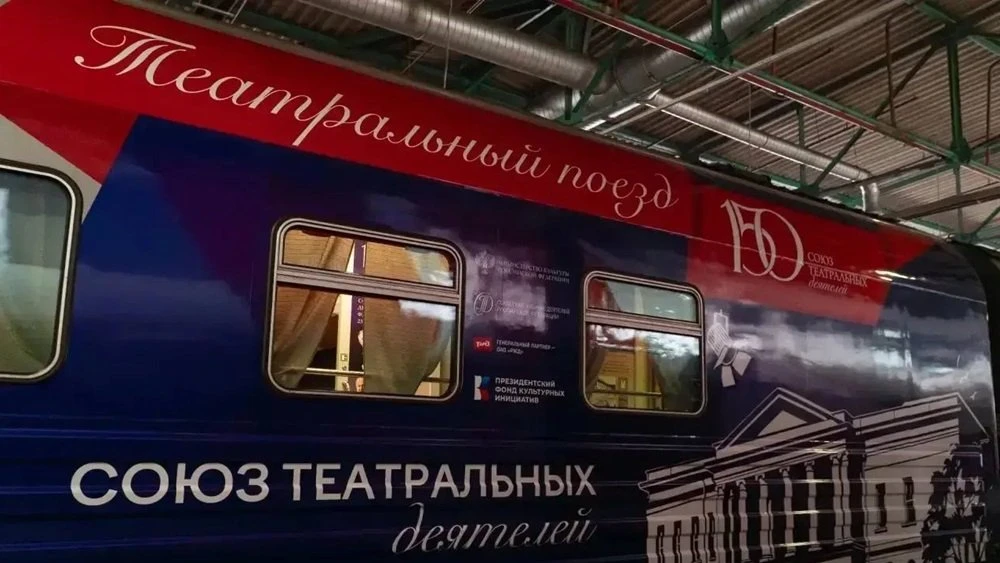
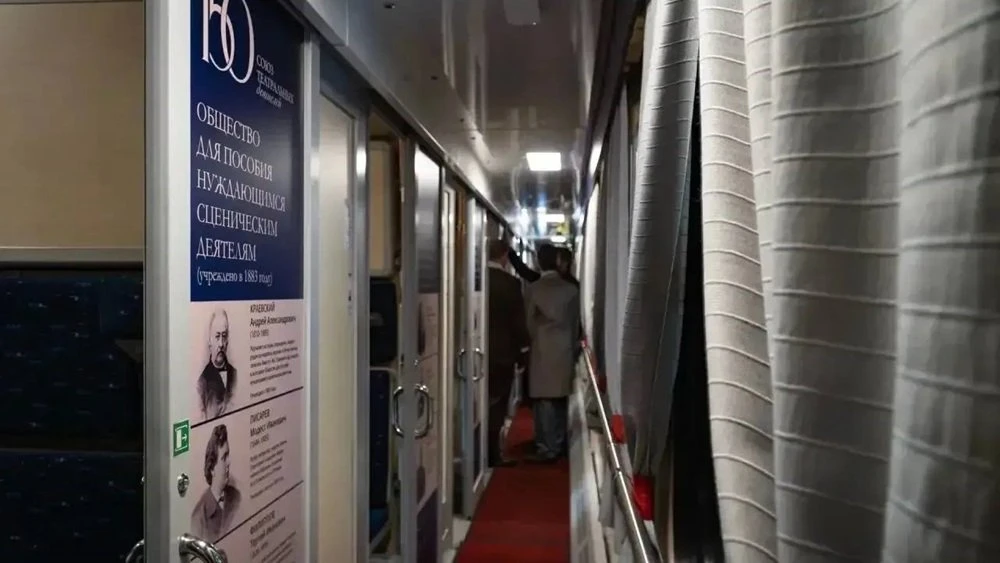
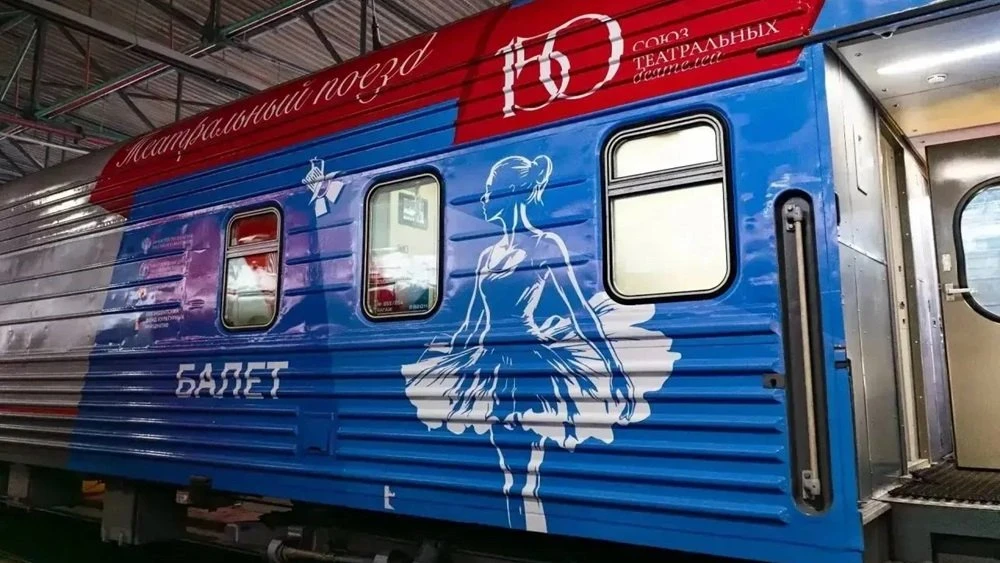
The trains were given unique themed designs: each carriage was branded in the style of different areas of the performing arts — drama and musical theatre, ballet, puppet theatre and scenography. A special feature of the project was the theatre carriage, a specially equipped space with a full stage, a dressing room and an auditorium seating 21 people. Key quotes and symbols expressing the project’s idea, "Theatre Unites", were placed on the train bodies. The appearance of the trains became the marathon’s calling card, recognisable at every station along the route.
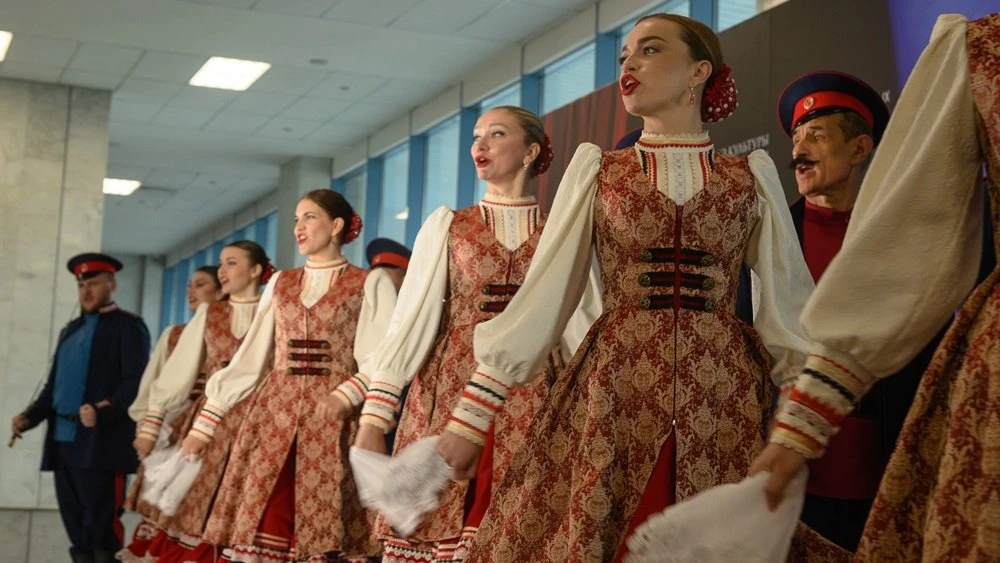
The next project marking the 150th anniversary of the Union of Theatre Workers of the Russian Federation will be the exposition "Legacy. Theatre. The Greats", held under the motto "A Union of Happy People". It will run from 28 July to 11 October 2026 at the National Centre RUSSIA on Krasnopresnenskaya Embankment in Moscow. The exposition will explore the past, present and future of theatre in Russia and will become the central event of the anniversary year. The project is being implemented with the support of the Presidential Foundation for Cultural Initiatives.
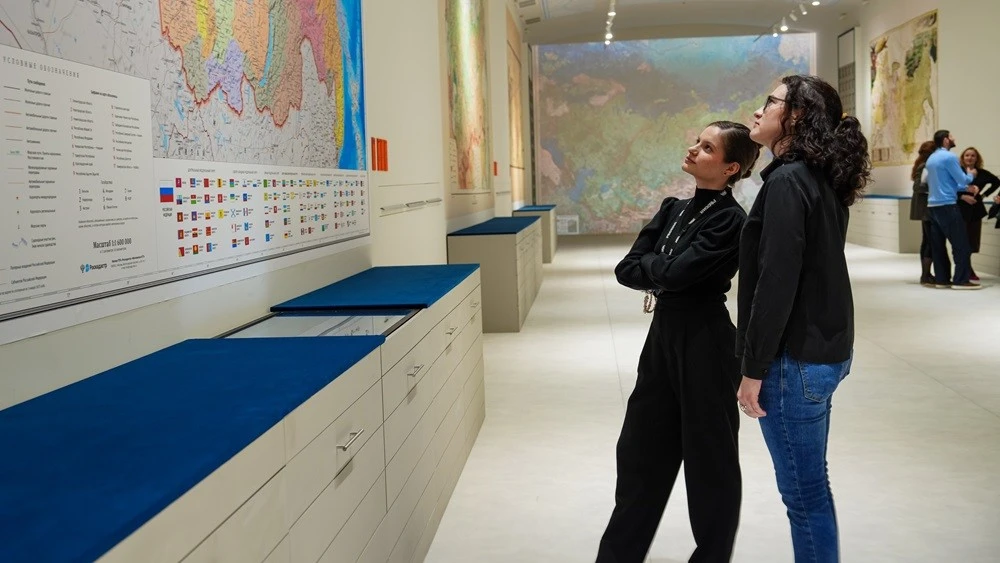
Over the course of the project, the National Centre RUSSIA became a point of attraction for teachers, schoolchildren, students and everyone who sees the rich history of our country behind maps and atlases.
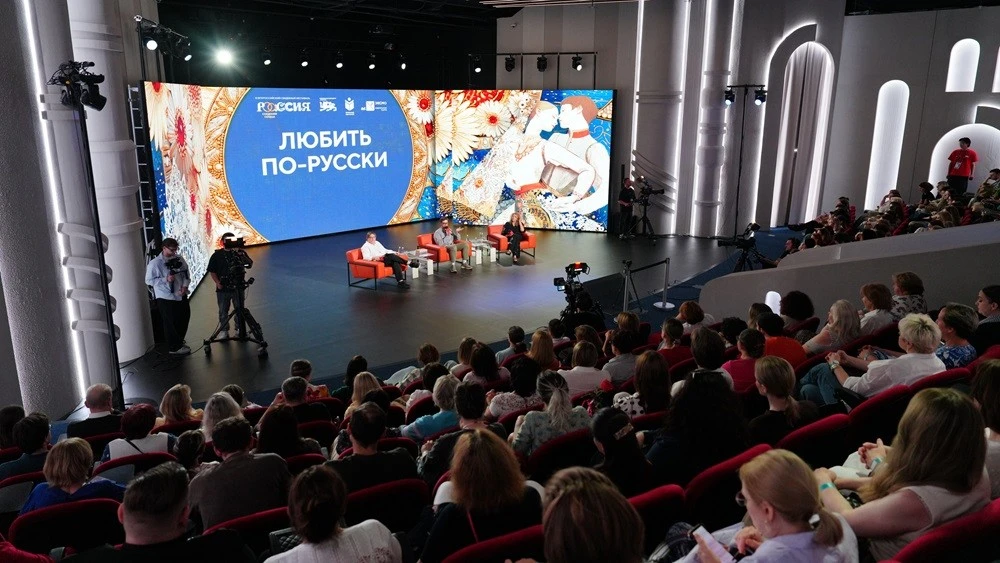
On the eve of the III All-Russian Wedding Festival, the "Loving the Russian Way" conversation offered guests an opportunity to combine personal experience with psychological knowledge.
The III All-Russian Wedding Festival, which will take place on 8-9 July at the National Centre RUSSIA, will unite truly loving hearts.


