


Forum "Architecture Code of Russia" brings together leading experts at the National Centre RUSSIA
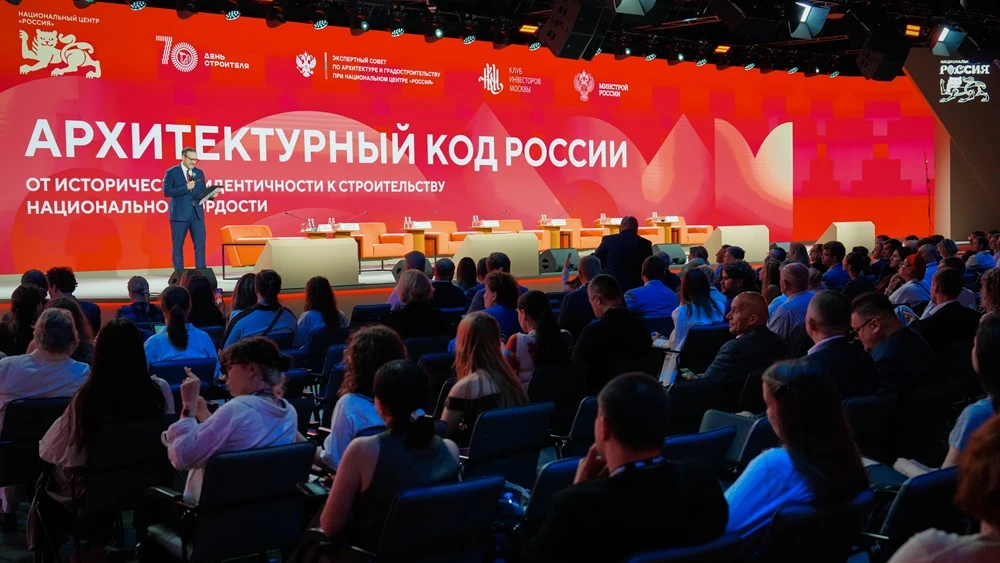
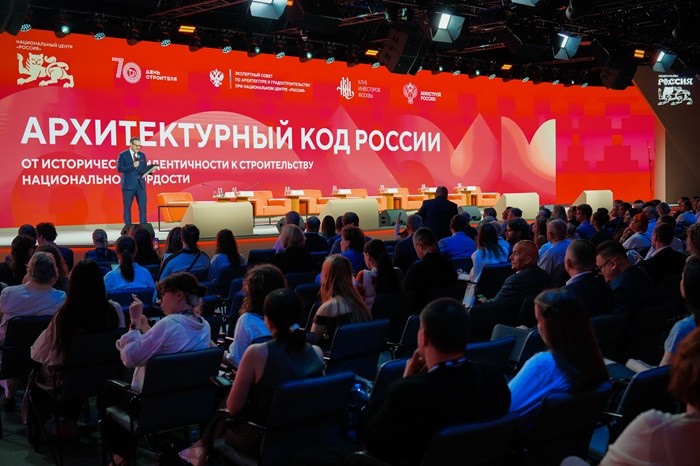
The forum "Architecture Code of Russia: From Historical Identity to Building National Pride" has opened at the National Centre RUSSIA. Representatives of government authorities, the professional architectural community, the investment and construction sector, leading specialised universities and industry experts came together to develop a systematic approach to shaping Russia's distinctive architectural identity and to discuss how cultural legacy can be preserved within the urban environment while enabling the construction industry to continue its development.
"The country's construction sector, which this year marks its 70th anniversary, continues to demonstrate steady growth despite the challenges it faces. The key focus of our work has become the Infrastructure for Life national project, which for the first time covers the entire range of infrastructure needed to improve quality of life. Housing is its central element. All subsequent plans for territorial development and job creation are built around it. In recent years, we have succeeded in maintaining a high pace of residential construction. For four consecutive years, more than 100 million square metres of housing have been commissioned annually across the country. Alongside quantitative indicators, we are paying close attention to quality. The President has instructed us to improve the quality of the living environment in 2,160 anchor settlements by 30% by 2030. This is an extremely ambitious goal that encompasses every area and type of infrastructure required to create favourable living conditions for people," addressed participants Marat Khusnullin, Deputy Prime Minister of the Russian Federation.
Forum participants were also welcomed by Irek Fayzullin, Minister of Construction, Housing and Utilities, who shared the latest achievements of the construction sector.
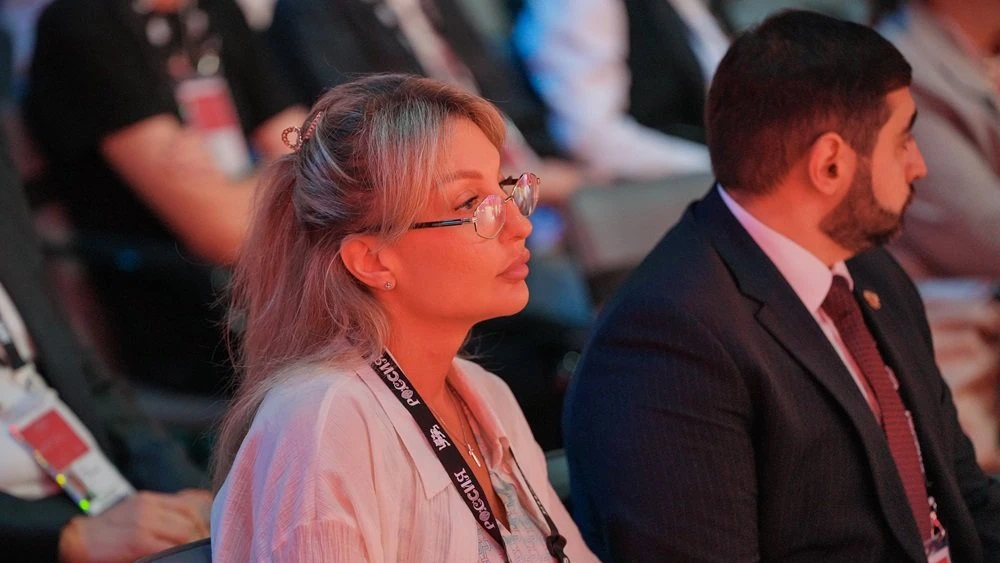
"Russia's construction industry continues to develop successfully. Last year, 108 million square metres of housing were commissioned, and the objectives set for the regions this year are no less ambitious. One of the Ministry's key priorities remains the creation of a comfortable, welcoming and safe urban environment. Our federal project named "The Development of a Comfortable Urban Environment" has proven highly effective precisely because of citizens' active involvement. Public participation is an essential tool that enables us to build cities where people genuinely want to live, work and raise children. Our country possesses an exceptionally rich historical and cultural legacy, as well as remarkable regional diversity in architectural traditions and landscapes. We must make the most of this advantage and support its further development. I am convinced that through the joint efforts of our professionals — architects, designers, builders, representatives of civil society and government, we can create an environment that truly inspires pride in our country," said Irek Fayzullin.
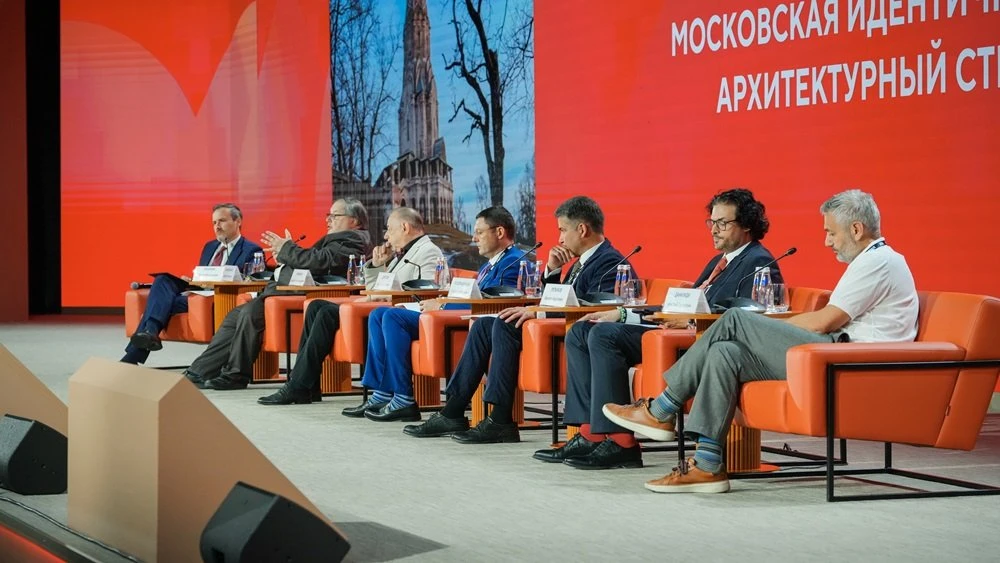
The forum programme featured three thematic sessions. The first, "Moscow's Identity and Architectural Style", focused on finding a balance between historical legacy and contemporary architectural solutions. Experts discussed the relationship between Moscow's historic fabric and new-wave architecture; where the line should be drawn between the capital's high standards and bold experimentation; and whether Moscow's approach to urban development could serve as a model for other major metropolitan areas. The session centred on achieving harmony between continuity, scale, rhythm and the visual character of cities that preserve their recognisable identity while embracing the future.
Dmitry Shvidkovsky, President of the Russian Academy of Architecture and Construction Sciences and Chairman of the Expert Council for Architecture and Urban Planning at the National Centre RUSSIA, stressed that the search for national identity cannot be reduced to individual stylistic approaches.
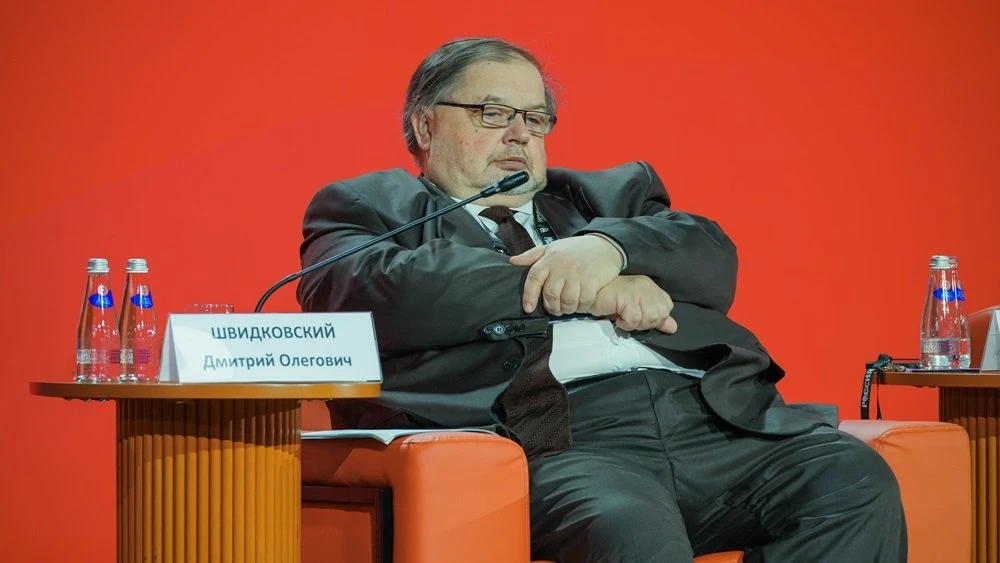
"Some see national identity in architecture in the so-called Russian style, based on the decorative traditions of past eras and now predominant in church architecture. Others, taking a more practical view, see it expressed through the dynamism of the avant-garde and motifs of folk art. In reality, however, it is about bringing together the major milestones of Russia's construction culture over the past thousand years. It is a synthesis of the achievements given to us by different eras: Christianity under Saint Prince Vladimir, when our country embraced the ideas of ancient Mediterranean architecture; the period of the development of the Tsardom of Moscow, when the Russian Renaissance transformed architectural imagery; the technological and cultural breakthroughs of Peter the Great and Catherine the Great; and the accomplishments of the Russian avant-garde, Soviet classicism and Russian modernism. Combining these achievements within our architectural identity provides the foundation for envisioning the architecture of Russia's future," Dmitry Shvidkovsky said.
Vladislav Preobrazhensky, Executive Director of the Moscow Investors Club Foundation and Chairman of the Board of the Expert Council for the Architecture and Urban Planning at the National Centre RUSSIA, noted that developers increasingly see public demand for architecture, design and building materials that reflect a distinctly Russian identity.
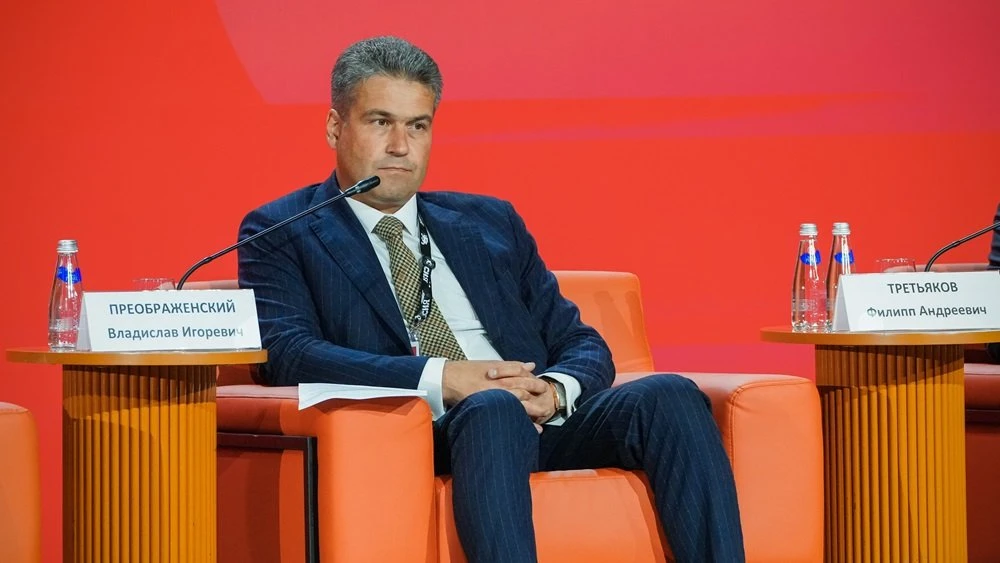
"To understand the scale and depth of this demand, we plan to conduct a nationwide study of how citizens perceive elements of national identity in the urban environment and architecture. In residential construction, this will allow us to assess whether people are willing to choose housing developments that incorporate symbols reflecting Russia's achievements — in other words, whether they are prepared to vote with their wallets for such projects. Our colleagues have already prepared pilot proposals for the symbols to be used," Vladislav Preobrazhensky emphasised.
The session also featured remarks by Vasily Tsereteli, President of the Russian Academy of Arts; Andrei Chernikhov, Academic Director of the Architecture programme at the National Research University Higher School of Economics (HSE University) and Professor at the International Academy of Architecture; Philipp Tretyakov, Vice President of the Kortros Group of Companies; and Ignaty Danilidi, Director General of A101 Group.
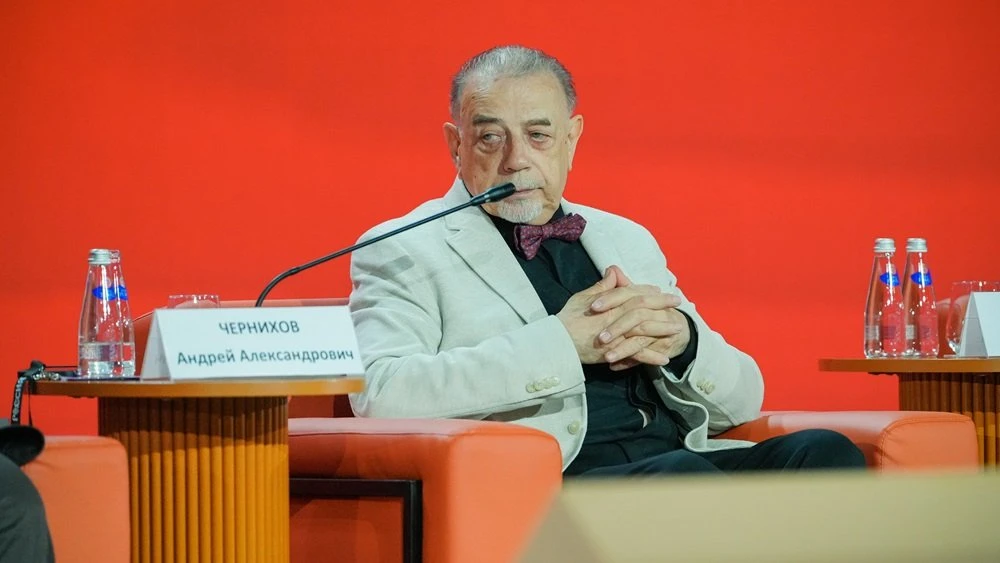
Participants in the second session, "Developing Russia's Architectural and Urban Planning Code as a Driver of the Construction Industry", examined the architectural and urban planning code as a tool for strengthening the country's technological and values-based sovereignty. Discussions focused on how to establish common principles without suppressing regional diversity and architectural distinctiveness. Experts addressed the role of federal standards in creating high-quality urban environments, the possible impact of the architectural code on investment attractiveness of the territories and development economics, and the relationship between urban planning and quality of life.
Andrei Nazarov, Prime Minister of the Government of the Republic of Bashkortostan, noted that the architectural and urban planning code should reflect the country's technological and values-based sovereignty.
"Architecture has always been more than construction — it is materialised politics and ideology. Today, Russia stands at a historic crossroads, and we are shaping our own architectural and urban planning code that will strengthen the country's technological and values-based sovereignty. Bashkortostan is already contributing to this effort. We have built modular infectious disease centres in record time — within 50 to 55 days — and this experience has since been replicated in ten Russian regions. Our construction specialists have mastered high-speed building techniques, achieving a pace of three storeys per month. At the Inter-University Campus in Ufa, we brought together the expertise of five universities and the academic research community on a single site, creating a space where ethnic identity exists alongside advanced technologies. We are not catching up — we are creating our own system of coordinates, and we are ready to share our experience as we work together to develop an architectural formula for the entire country," said Andrei Nazarov.
Olga Ivannikova, Deputy Chair of the Government of the Primorye Region, continued the discussion on people-centred urban planning solutions and the role of a high-quality urban environment in preserving the regions' human capital.
Maria Sinichich, Deputy Minister of Construction, Housing and Utilities of the Russian Federation, stressed that the architectural code must be embedded at the stage when urban planning decisions are made.
"The architectural and urban planning code must be taken into consideration at the decision-making stage: in master plans, integrated territorial development projects, design briefs and architectural competitions. A territory's identity is shaped by its landscape, history, scale, materials and way of life. For the Ministry of Construction of Russia, the outcome of this work is an improved quality of the living environment across 2,160 anchor settlements, which are home to 75% of the country's population. Our goal is to improve this indicator by 30% by 2030 and by 60% by 2036," Maria Sinichich emphasised.
The session also featured presentations by Nikolai Shumakov, President of the Union of Architects of Russia, Alexei Kapustin, Director of the Centre for Classical and Traditional Architecture at the Moscow Institute of Architecture (MARCHI), and Alexei Raskhodchikov, Chairman of the Board of the Foundation named Moscow Centre for Urban Studies "Gorod".
The third session, "Regional Experience and the Diversity of Russia's Architectural Forms", explored how natural, climatic, cultural and historical characteristics shape regional architectural language, and what should be done to avoid standardisation and uniform development. Particular attention was paid to scaling up successful regional approaches at the national level without sacrificing local identity. The participants shared successful examples of creating distinctive architectural identities; discussed the role of regional architecture in developing tourism, strengthening local identity and fostering a sense of pride among residents; and explored the importance of master plans, public participation, and local schools of architecture in shaping the character of modern cities.
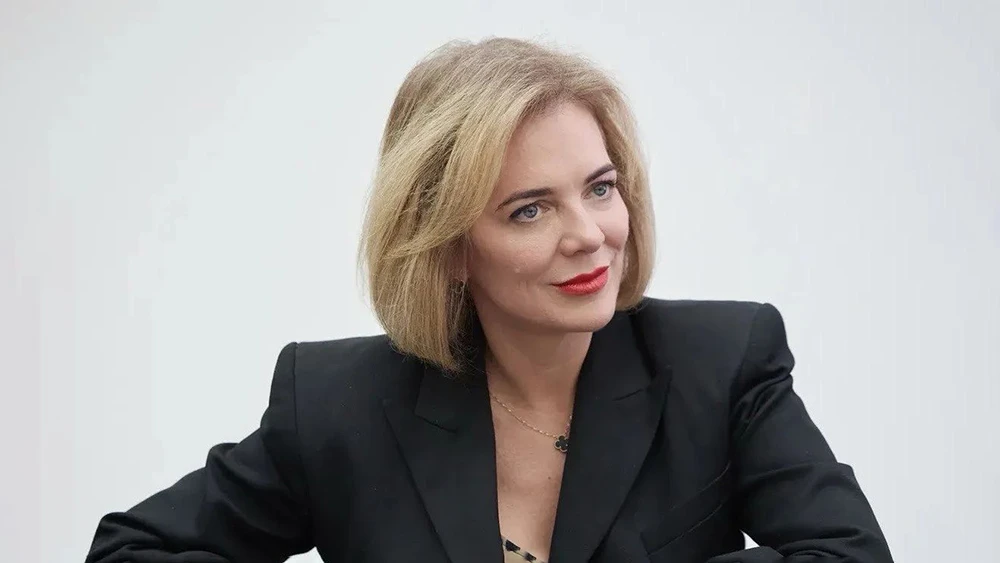
Chief Architect of the Moscow Region, Deputy Chair of the Expert Council Alexandra Kuzmina spoke about how master planning and integrated territorial development mechanisms help preserve the local identity of territories.
"Thanks to the effective use of tools and mechanisms for integrated territorial development, the quality of housing construction in the Moscow region has reached a fundamentally new level. All residential complexes implemented in the Moscow region in accordance with regional standards, in terms of quality characteristics, correspond to the 'comfort' level and above. The stage of preparing the draft decision on integrated territorial development provides a unique opportunity to ensure the formation of a development narrative for the territory. In order to preserve the diversity and local identity of the country's territories, we propose considering the possibility of amending federal legislation to include requirements for the development of a master plan as an integral part of the decision on integrated territorial development for all constituent entities of the Russian Federation. If the composition and contents of the documents include a section dedicated to justifying the project from the perspective of history, the context of the place, and what might be called the 'literature of development' — shaped by the architect together with the municipality, experts, and urban communities at the stage of preparing the draft decision on integrated territorial development, and then this section forms the basis of the master plan, which would be an integral part of the decision on integrated territorial development — I believe we could identify the values and meanings of the territory and say that we are creating a way of life, rather than erecting a monument to mortgage lending," said Alexandra Kuzmina.
Architect of the Future at VEB.RF, Managing Partner of Strelka KB Sergei Kuznetsov linked the search for a contemporary Russian architectural language with technological development and a new understanding of traditional materials.
"Russian architectural code is born not from copying historical forms, but from combining modern technologies with what has historically been characteristic of Russia. One of the most obvious examples is wood: a material traditionally associated with our country, which, thanks to modern technologies, can become the basis for a new, recognisable Russian architecture," noted Sergei Kuznetsov.
Further, Alexei Almazov, Director General of FSK Region; Ruben Arakelyan, Head of WALL Architectural Bureau; and Kirill Sayenko, Director General of Veselovka Experience, presented the most interesting regional practices. They demonstrated how integrated development, work with the legacy, and the unique characteristics of resort territories shape each region's own path.
The session was concluded by Artyom Dedkov, Deputy Head of the Moscow City Department of Urban Planning Policy, who emphasised that the modern-day Russian style is defined not by a single form, but by the freedom of exploration.
"Now is the time to find new solutions — and that is the Russian style, not in form, but in spirit," noted Artyom Dedkov.
An important part of the event will be the presentation of the Russian National Architecture and Urban Planning Awards. The authors of the best projects and initiatives shaping the country's architectural identity will receive honours in the following categories: "For Creating Favourable Conditions for Industry Development", "Industry Vanguard", "National Architecture", "National Urban Planner", "City of the Future", "Guardians of Legacy", and "For Advancing Effective Dialogue Between Government and the Professional Community".
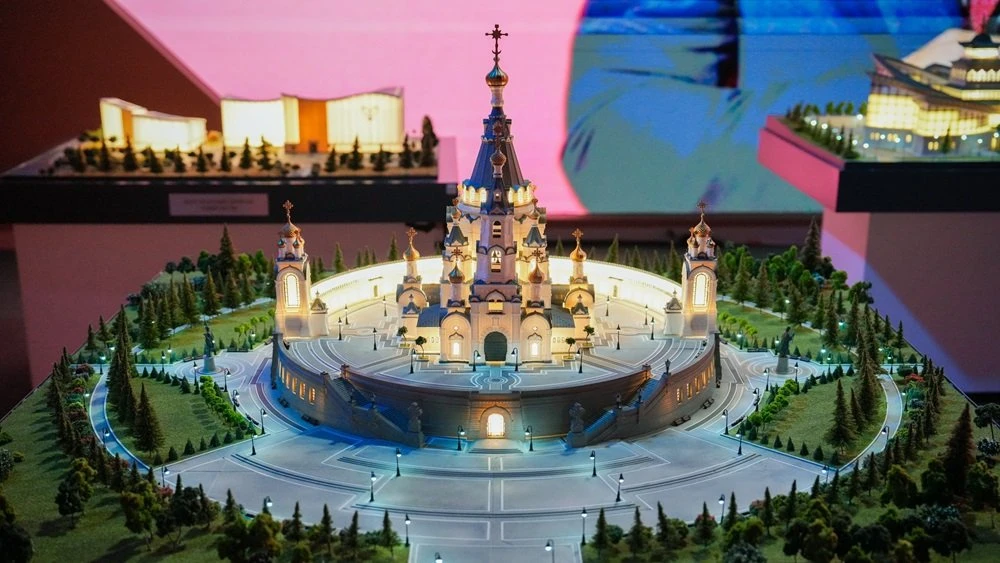
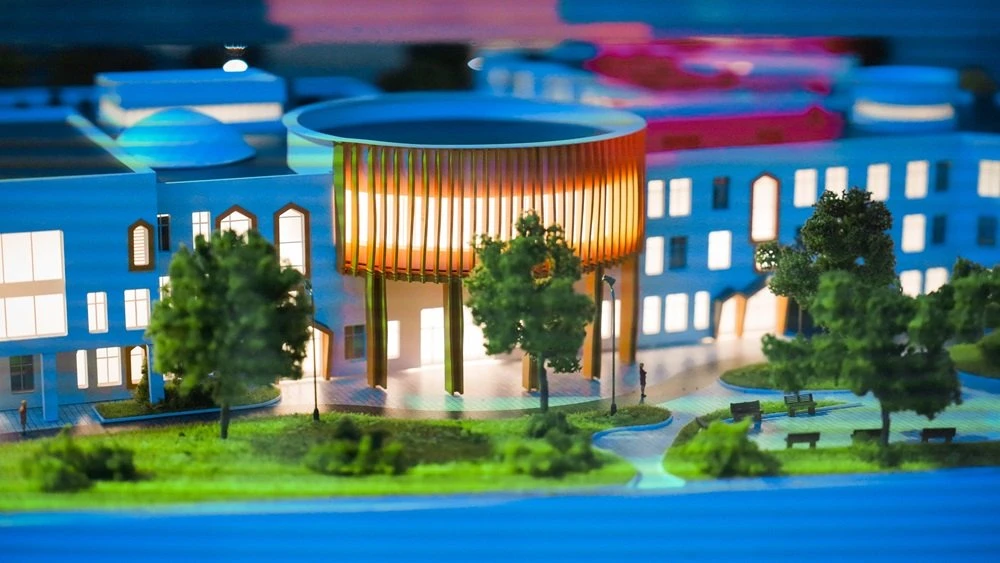
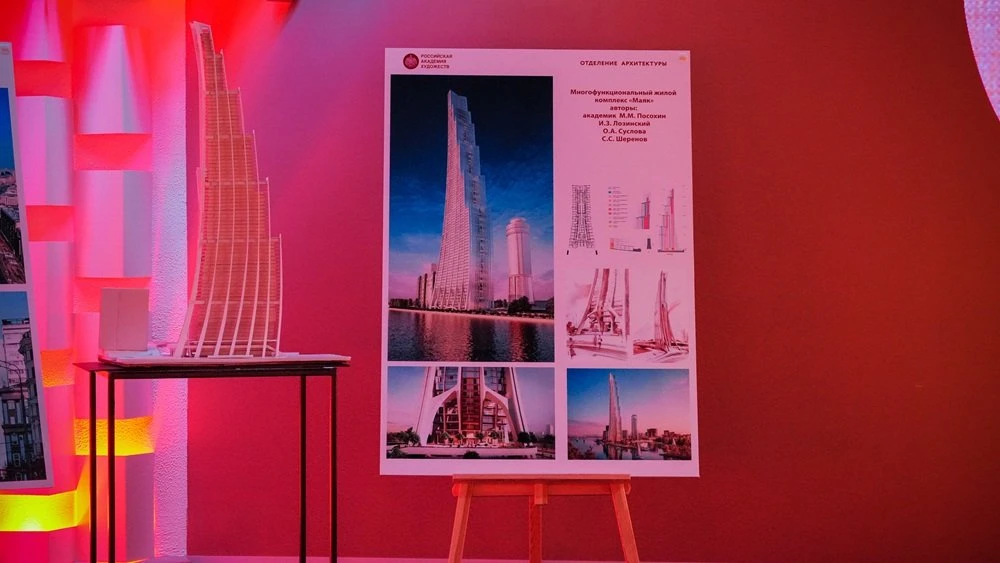
Throughout the day, participants and visitors will also have a chance to explore an exposition of projects and materials dedicated to Russia's architectural code, featuring displays by regions and developers as well as models of landmark architectural projects.
Event photobank

Architecture is an art form that people interact with constantly: it is impossible to distance yourself from it or simply ignore it.
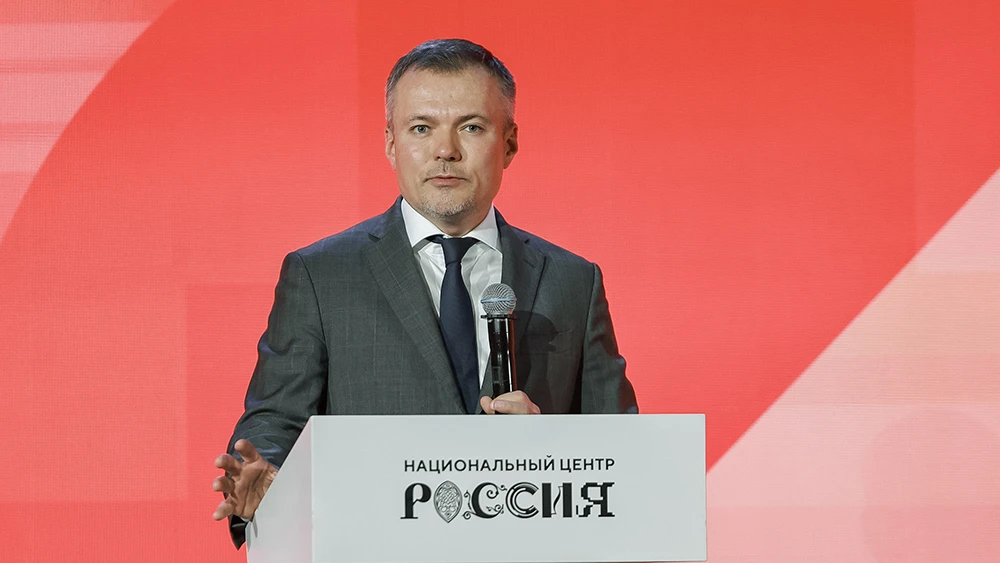
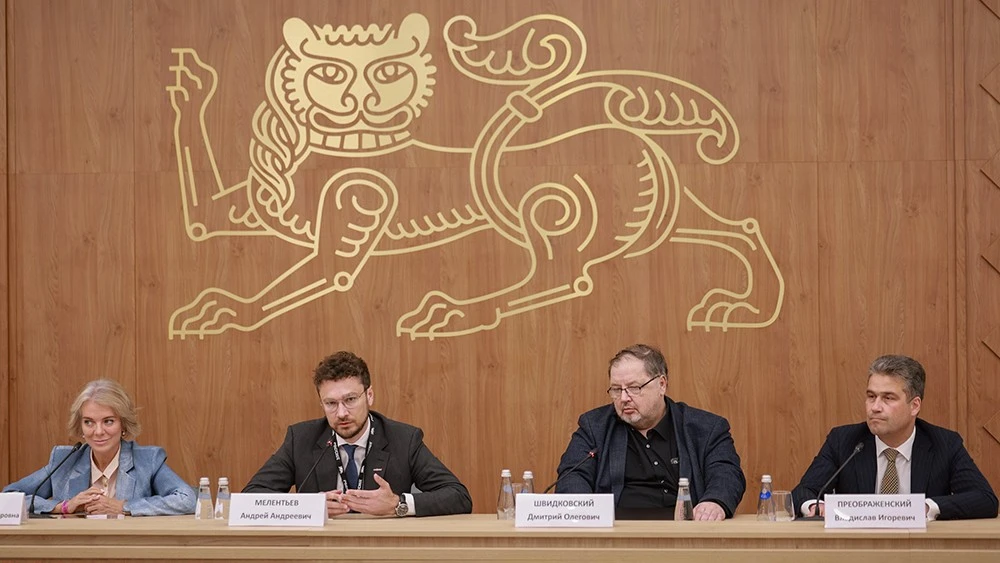
Participants in the meeting of the Board of the Expert Council for Architecture and Urban Planning discussed the development of the country’s sovereign architectural and visual code.


