


National code for the country's architectural and spatial identity presented at the National Centre RUSSIA
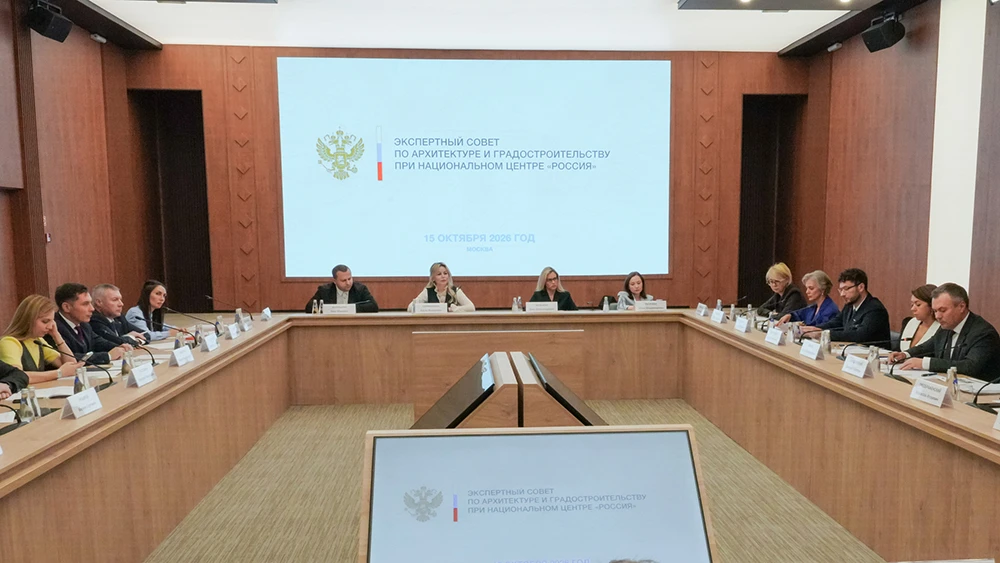
A meeting of the Board of the Expert Council on Architecture and Urban Planning was held on 15 October at the National Centre RUSSIA, where approaches to developing a national architectural code and the country's spatial identity were presented. Participants discussed how to reflect historical legacy, cultural traditions and regional distinctiveness in contemporary architecture, and how to ensure that the principles developed are applied in construction and urban development.
"The Expert Council on Architecture and Urban Planning, as part of the National Centre RUSSIA, focuses on two principal areas. The first is Russia's national identity: ensuring that architecture and the construction industry contribute to strengthening people's pride in being Russian citizens. These are essential ideological tools rooted in the history of Russian civilisation, its traditions and its talented master builders and architects. The second area of our Council's work is shaping the image of modern Russia for decades to come through the buildings and structures of the first quarter of the 21st century, when the country became one of the world's most highly developed and technologically advanced nations, offering comfortable living conditions throughout its territory," said the Deputy Chief of the Presidential Directorate for Social Projects, Alexei Zharich.
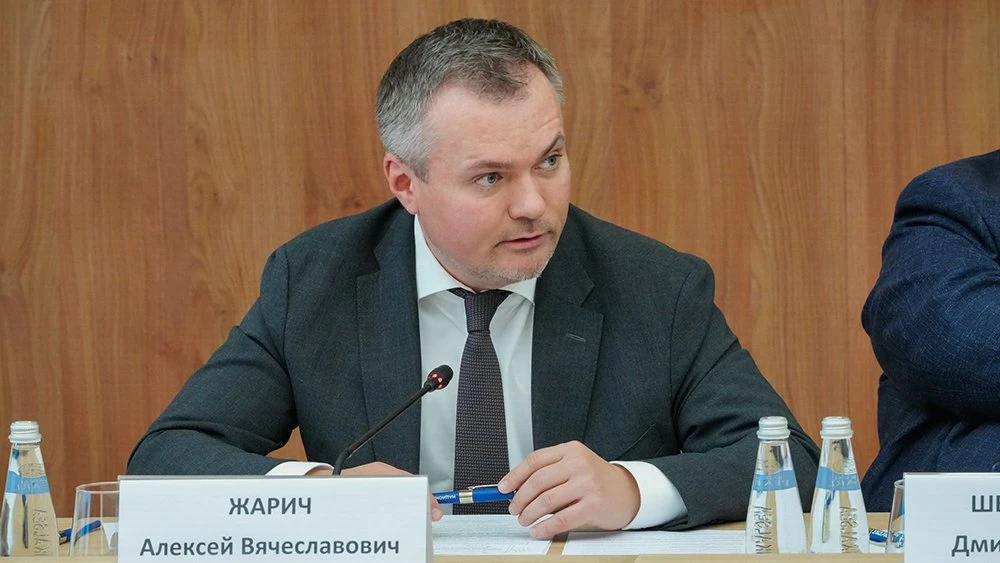
He also stressed that the discussion of Russia's architectural code must lead to concrete projects. Work has already begun, for example, on the "National Code of Russia's Architectural and Spatial Identity".
The Director General of the National Centre RUSSIA, Natalia Virtuozova, said that the venue is always delighted to support the Council's initiatives and help shape architectural trends that transform the appearance of our cities. She noted that the designs of both the National Centre RUSSIA in Moscow and its branches naturally combine respect for culture and traditions with contemporary requirements.
"The Architectural Council at the National Centre works to make architecture an important part of shaping national identity and the image of modern Russia. Our work has helped revive the appeal of all things Russian and interest in our country's culture, history and traditions. This idea is reflected in our premises in Moscow and the future building, as well as in the branches in Vladivostok, Krasnoyarsk, Khanty-Mansiysk and Ryazan. They all set new architectural standards, combining contemporary solutions with respect for cultural legacy. Such spaces transform cities, highlight the uniqueness of the regions and their connection with Russia, and help maintain continuity between the past, present and future," noted the Director General of the National Centre RUSSIA, Natalia Virtuozova.
The Chair of the Expert Council and Rector of the Moscow Architectural Institute, Dmitry Shvidkovsky, thanked the Council's members for their systematic work and stressed the growing need for methodological guidance and expert support in shaping the urban environment. He said architecture should meet contemporary expectations of comfort while also reflecting the country's spiritual and artistic traditions.
"Our Council is already moving from discussion to concrete action. It is important to find a contemporary architectural language that will preserve and revive traditions and make them part of everyday life. As Academician Sergei Averintsev said, tradition cannot be lost — it must be invented. Today, the combination of traditional experience and contemporary architectural language is becoming increasingly evident," noted Dmitry Shvidkovsky.
During the discussion of the national architectural code concept, Dmitry Shvidkovsky stressed the need for a systematic approach to shaping the urban environment, combining historical legacy, regional architectural traditions and modern technologies. He said architecture should meet functional requirements while also reflecting society's values, maintaining historical continuity and giving Russian cities a recognisable appearance.
"The national architectural code must embody values and meaning expressed through space, take account of the historical and cultural characteristics of different places, and draw on regional architectural traditions. Our task is to combine preservation of the past with a vision of the future, and tradition with innovation. A city should be perceived as an artistic whole, rather than a collection of separate buildings. This is how we can create contemporary architecture that reflects our values, speaks of our time and shapes a recognisable image of Russia," emphasised Dmitry Shvidkovsky.
The Deputy Minister of Construction, Housing and Utilities of the Russian Federation, Alexei Yeresko, presented a report entitled "From Comfort to Meaning: Integrating the Cultural Code into the Contemporary Urban Environment". He stressed that shaping the urban environment requires consideration of both residents' basic needs and the cultural identity of each place.
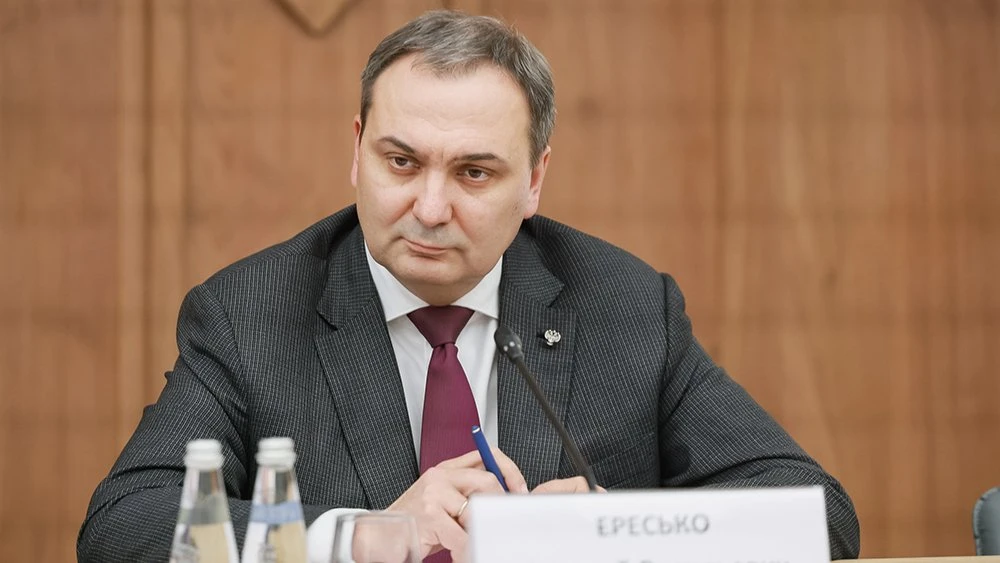
"Through our systematic work with the regions, we have arrived at a central principle: a contemporary urban environment is about more than basic comfort; it is also about meaning that reflects our identity. Integrating historical legacy, the visual language of folk crafts and a distinctive design code makes Russia's cultural code a natural part of people's everyday lives," shared Alexei Yeresko.
The Deputy Chair of the Expert Council and Chief Architect of the Moscow Region, Alexandra Kuzmina, presented the interim results of joint work with PIK Group to integrate elements of local identity into standard residential developments. The focus is on finding solutions that make architecture more expressive and diversify the urban environment without significantly increasing construction costs.
"We understand that industrialised construction requires everything to work as a system: we need solutions that can be applied consistently while maintaining a diverse environment. But the next important step is bringing art back to façades. This is particularly relevant to educational, cultural and sports facilities: artistic elements can transform an ordinary building while also giving it meaning and conveying the values and characteristics of its location," said Alexandra Kuzmina.
The Academic Head of Architecture at HSE University and Professor of the International Academy of Architecture, Andrei Chernikhov, discussed how historical and architectural analysis can contribute to developing a contemporary architectural code for Russia. His presentation also addressed the development of architectural styles in Siberia and the Far East in the context of preparations for Krasnoyarsk's 400th anniversary in 2028.
"To define a style for contemporary Russian architecture and develop the country's architectural and urban planning codes, we must draw on historical experience. As architectural styles, from the architecture of ancient Rus to Constructivism, spread across Siberia and the Far East, they acquired new features and took on a nationwide significance," explained Andrei Chernikhov.
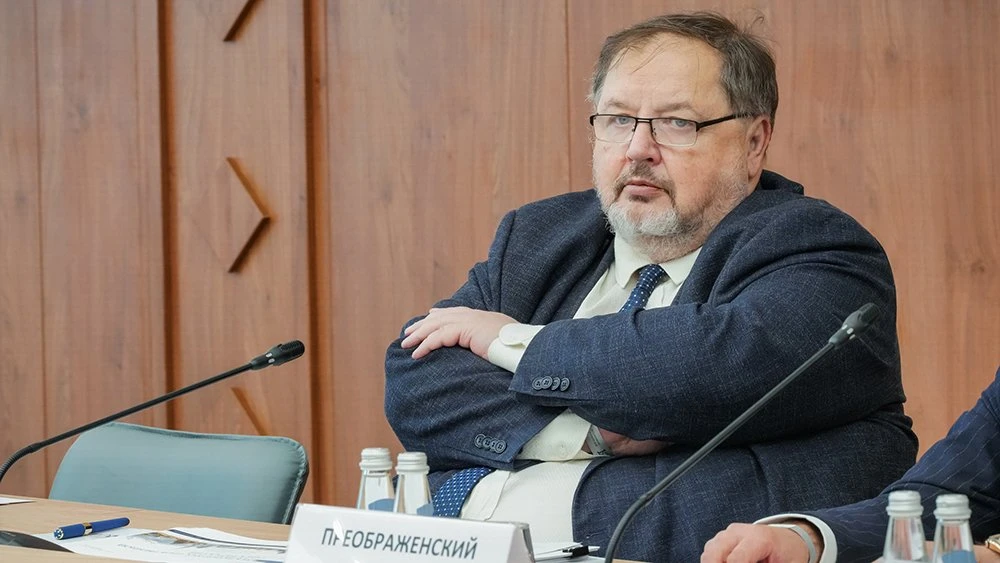
The Chair of the Board of the Expert Council and Executive Director of the investment promotion foundation "Moscow Investors' Club", Vladislav Preobrazhensky, presented an approach to using national identity, values and the country's achievements as a foundation for architectural and urban development.
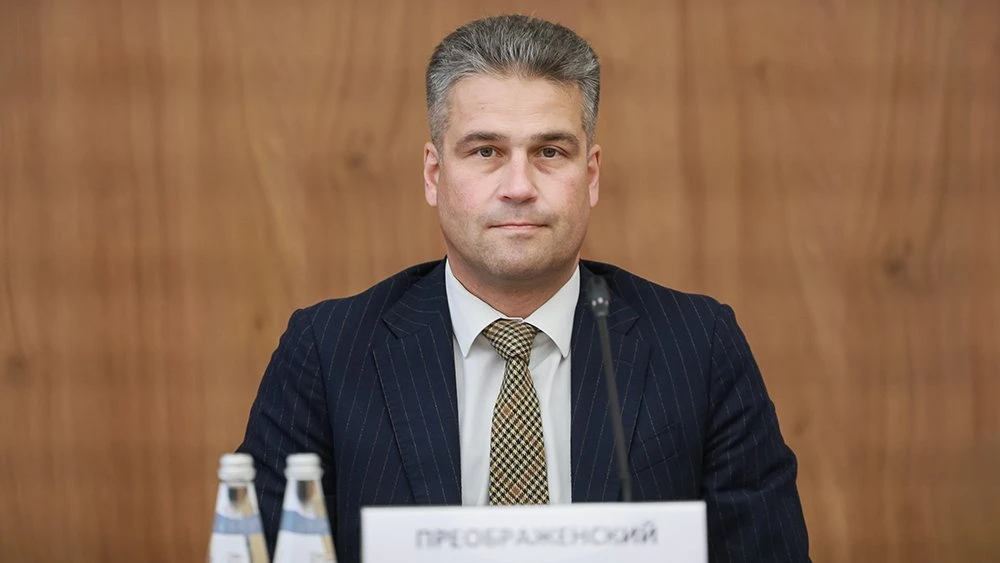
"Work on the national architectural and urban planning code is entering a new phase. A study of the history of Russian architecture has informed collections of architectural solutions that will provide a starting point for the design of buildings and public spaces. The range of options they offer will make it possible to reflect the distinctiveness of Russia's regions and create a contemporary environment that respects the country's history and traditions," said Vladislav Preobrazhensky with confidence.
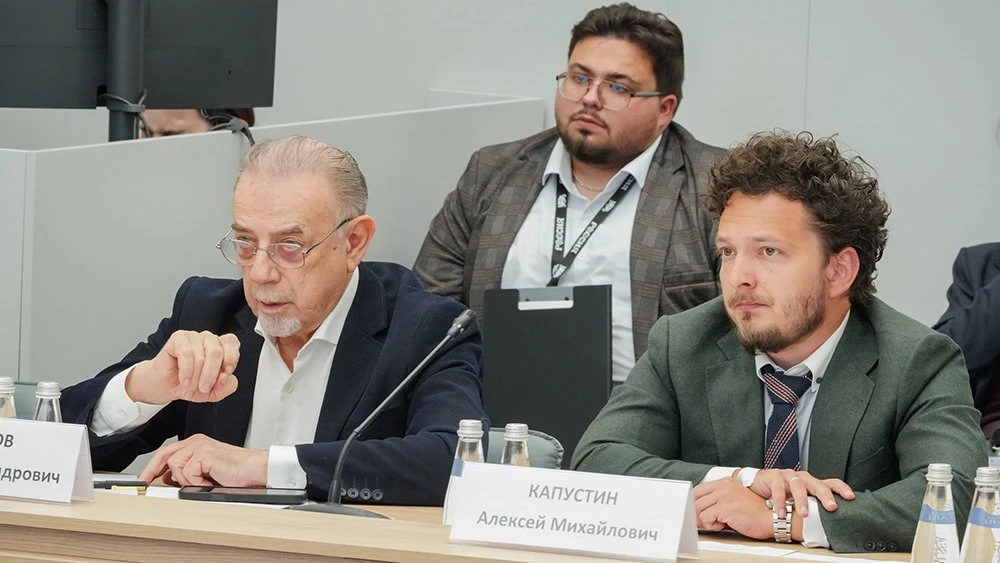
Continuing the discussion, the Director of the Centre for Classical and Traditional Architecture at the Moscow Architectural Institute, Alexei Kapustin, noted the need to restore artistic expression to architecture and draw on Russia's cultural traditions.
"If we move away from anonymous mass development and revive architecture and urban planning as arts rooted in the deep traditions of our country's culture, this will give fresh impetus to spatial development across our great country," said Alexei Kapustin.
The Chair of the State Duma Committee on Construction, Housing and Utilities, Sergei Pakhomov, supported the proposed concept for a national architectural and urban planning code and noted the need for legislation to enable its implementation. Once specific measures have been approved, the Council will work with relevant specialists to prepare a list of the necessary regulatory amendments, taking account of existing legislation on architectural practice.
"As soon as we approve the list of measures, we will prepare a list of the necessary regulatory amendments. Changes will be needed to regulations at various levels, but they are feasible and logical, and we are already considering them at this early stage. We need to strike a balance that will restore architects' role in shaping the urban environment and give our cities a new appearance," emphasised Sergei Pakhomov.
A separate topic at the meeting was the architectural identity of Blagoveshchensk, one of the key cities of the Russian Far East, located on the border with China. The Head of ANO "Amur Region Centre for Territorial Development", Pyotr Strelets, presented an approach to shaping the city's architectural character that takes account of its historical legacy, its location on the Amur and its role in developing cross-border cooperation.
"Our aim is not simply to impress by building glass skyscrapers with no national identity. Our task is to present the face of Russia: distinctive, cultured, rooted in tradition and mindful of its history. Blagoveshchensk is one of the key cities of the Russian Far East, and its architectural character should reflect this role. This concerns both the urban environment and the image of Russia seen by our neighbours and visitors to the city," said Pyotr Strelets.
The Council's Secretary and Head of UGVK, Andrei Melentyev, discussed the Council's work and prospects for developing the national architectural code.
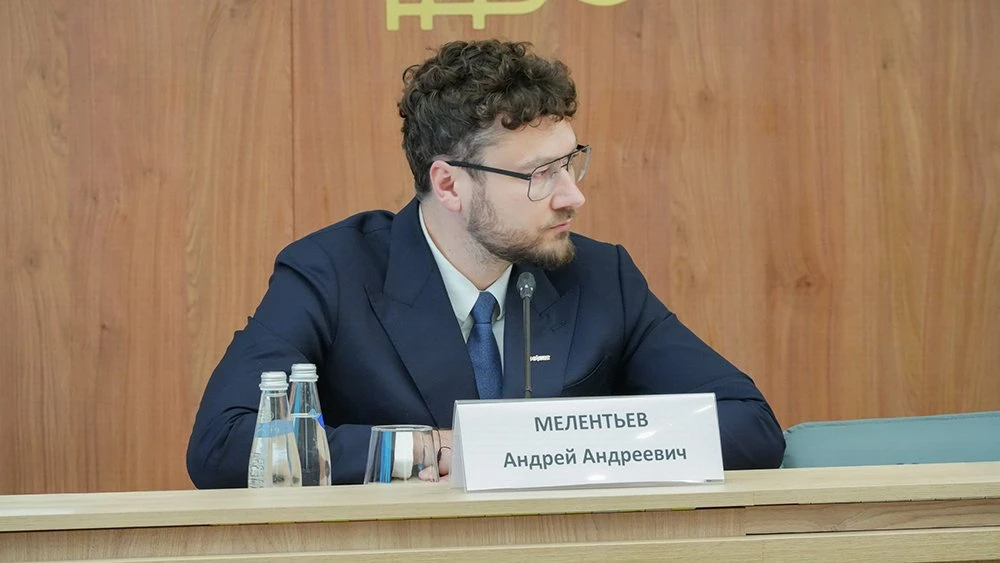
"Architecture is indeed a strategically important resource for the state. Our task is to develop a national architectural code that will define the country's appearance for decades, and perhaps centuries, to come. This is a joint endeavour by architects, developers and regional representatives to create distinctive architecture that reflects Russia's national identity. Further information about the Expert Council on Architecture and Urban Planning, its areas of work and opportunities to participate is available on the official website of the National Centre RUSSIA," noted Andrei Melentyev.
During the open discussion, members of the Expert Council considered proposals for the further development and practical application of the national architectural code. Key areas include combining historical legacy with modern construction technologies, developing an architecturally expressive environment, reflecting regional characteristics and finding solutions suitable for mass construction.
The Expert Council's work aims to develop a coherent approach to Russia's architectural and spatial development that combines contemporary requirements for the urban environment with historical experience, cultural traditions and regional distinctiveness.
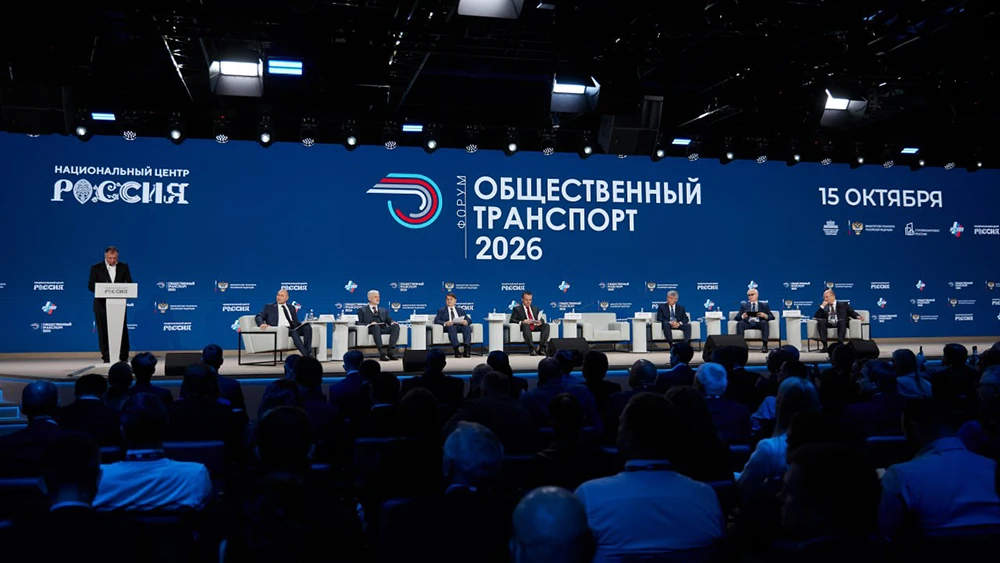
The plenary session "The Federal Project 'Public Transport Development': From Technological Momentum to a Better Quality of Life" was held at the National Centre RUSSIA.
The Russian State Library for Young Adults is holding the All-Russian Youth Contest for Illustrated Stories (Comics) "Tales of the Northern Winds".


