


"The borders of our country never end": "Geography Lessons" to be held at the National Centre RUSSIA

In April, the National Centre RUSSIA will present a new
exposition project, "Geography Lessons" — a large-scale journey
across the map of a civilisation-state whose borders, as President Vladimir
Putin once remarked, "never end." The exposition is dedicated to the
thousand-year history of the country’s spatial development and shows how
geography shaped Russia as a unified territory and a shared home for many
peoples, cultures and languages.
Across several thousand square metres of the National Centre
RUSSIA, visitors will see authentic historic maps, political and thematic
atlases, digital models, globes, and maritime and astronomical instruments. All
exhibits come from the collections of the Russian State Library, the Russian
Geographical Society, the archives of the Ministry of Defence, Lomonosov Moscow
State University, the Moscow State University of Geodesy and Cartography, and
other institutions.
"Geography Lessons" is directly aligned with the
objectives of the Strategy of the State National Policy of Russia until 2036,
approved by Presidential Decree — strengthening the unity of the peoples of the
country, the state-forming role of the Russian people, and a shared civic
identity while preserving ethnocultural and linguistic diversity. The
exposition demonstrates how a shared territory, common economic interests,
unified governance and spiritual values have for centuries shaped the
integrated space of the Russian state.
The project also serves as a visual illustration of the
President’s words that patriotism, a sense of belonging to the destiny of the
Motherland and responsibility for its future arise from knowledge of the
country’s history and geography, as well as its cultural and natural heritage.
The eight halls of the exposition form eight chapters of a larger narrative:
about Russia’s lands and borders, seas and rivers, routes and roads, resources,
and about how the country is seen from abroad and how it positions itself on
the map of the world.
The route begins in the entrance gallery of historic maps of
Russia, where visitors can see how the country’s borders changed over the
centuries. Visitors then move into the space devoted to exploration, dedicated
to Russian pioneers and explorers, and continue along the country’s routes —
from early trade paths and postal roads to high-speed transport corridors that
have connected the vast territory of the country. From earthly expanses, the
narrative turns to the starry sky: a separate hall explores outer space and the
history of space exploration. Another section — the hall of Russia’s natural
wealth — is a particular source of pride for our country.
The geography classroom will take visitors back to childhood
and the school years. The exposition also invites guests of the National Centre
RUSSIA to see how Russia has been portrayed abroad. The final hall tells the
story of how the country has defended its borders and protected its interests
over the centuries. Various maps and caricatures will be displayed there.
The curator of the project, Semyon Mikhaylovsky, emphasises:
"This exposition is, in essence, a story about the land on which we are
destined to live while developing its immense riches; about natural diversity,
resources, the discovery of new territories, routes and roads, seas and rivers,
celestial bodies, and about how others see us and how we see ourselves in the
space of the globe."
The exposition is designed for a family audience and for
schoolchildren aged 9–16. Partners of "Geography Lessons" include the
Russian Geographical Society, the Russian State Library, Lomonosov Moscow State
University, the Moscow State University of Geodesy and Cartography, the Federal
Archival Agency, the Central Naval Library, and other organisations.
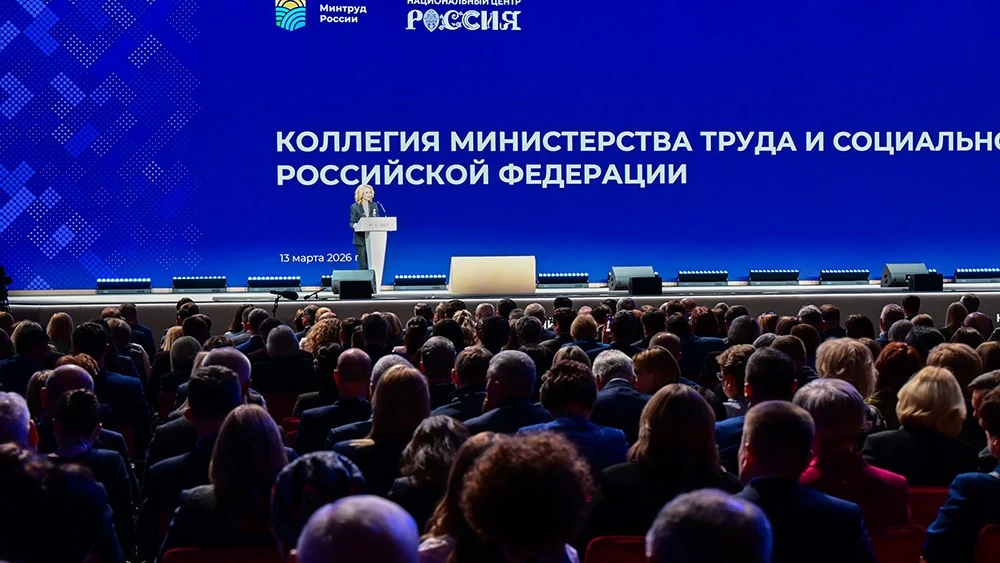
An Expanded Board Meeting of the Ministry of Labour and Social Protection of the Russian Federation took place at the National Centre RUSSIA on 13 March.
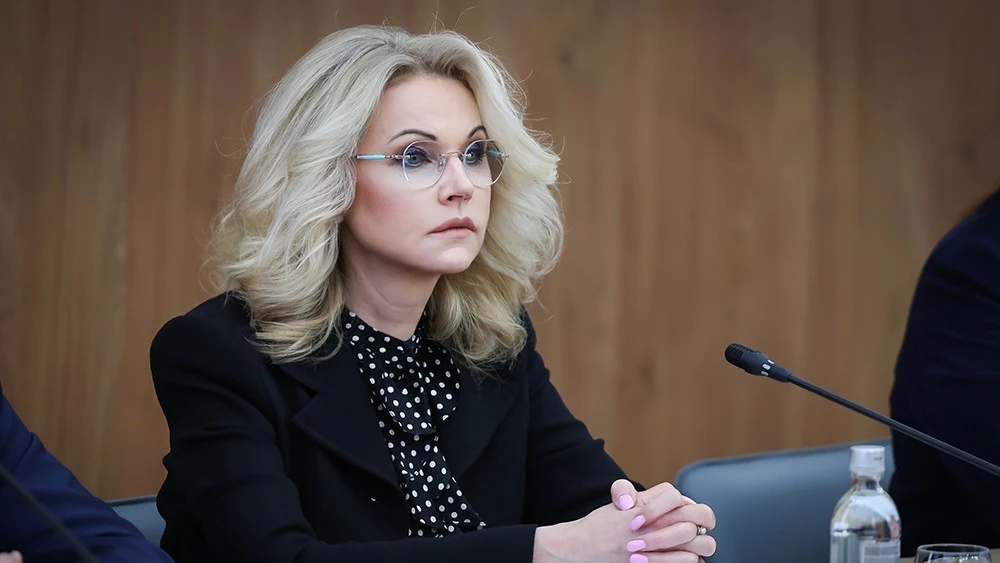
In Russia, the orientation towards larger families is strengthening: both the number of such families and the number of children in them are increasing.
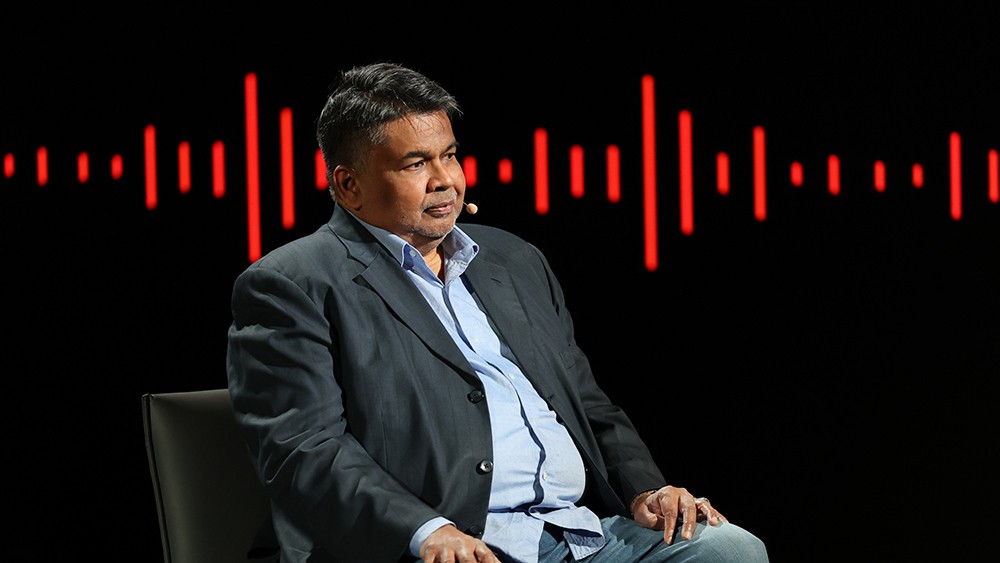
App icons on a gadget screen are the user interface behind which vast digital ecosystems operate. In some countries, their influence is already comparable to major sectors of the economy.


