

"AI should help, not replace": the National Centre RUSSIA hosts its first "Inventing the Future" Open Lecture Hall
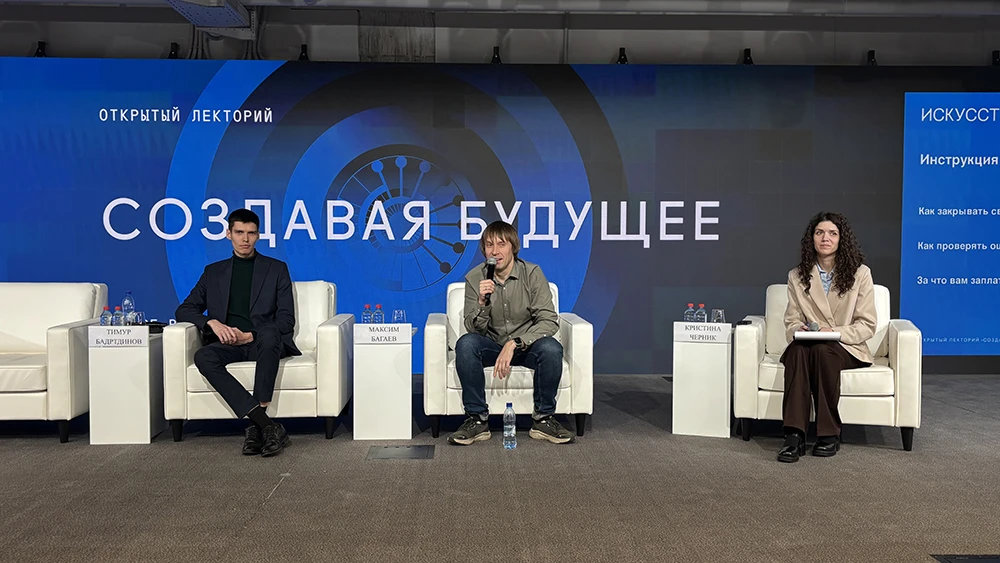
Artificial intelligence remains a tool: it speeds up work, changes the market and opens up new opportunities, but it does not replace people, their ideas or their responsibility. People must therefore control AI, rather than the other way round. The "Inventing the Future: The Invisible Engine of Progress" Open Lecture Hall was held for the first time on 16 October at the National Centre RUSSIA in the Krasnoyarsk Territory. The event provided a forum for dialogue with leading experts on the new possibilities AI is opening up in education, agriculture and manufacturing.
The first session, "AI: Tool or Co-author?", featured the Director General of OOO "Vysokaya Skorost" ("High Speed") and a lecturer for the Russian society Znanie, Timur Badrtdinov, and the founder of Technomax-Krasnoyarsk, Maxim Bagayev. They discussed the central question: where does using technology end and collaboration between humans and AI begin?
Maxim Bagayev discussed more than just the advantages and disadvantages of AI for business. He explained how the market is changing and what companies can expect in the coming years.
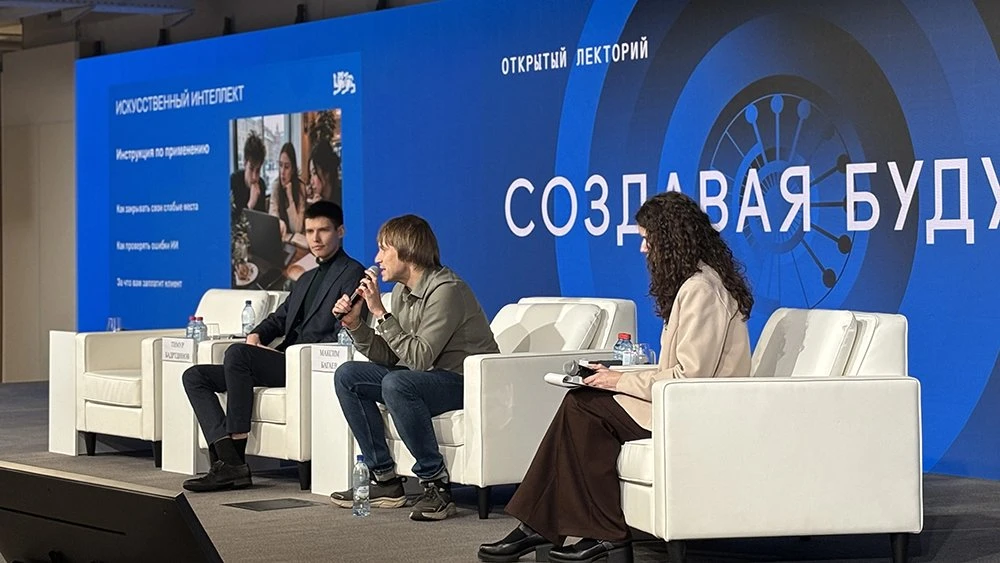
"In 2026, a one-person company is doing better than a company of a hundred. One or two people plus AI is what the market now needs in most areas. Many companies will go out of business, making room in the market. You will arrive and say: 'They've been waiting for us here' […] The downside is that a formidable competitor has emerged: the client does it themselves. Some services have simply disappeared from the market. And it now takes longer to become a specialist: you cannot develop expertise without doing the work yourself. But the opportunity to fill gaps in basic knowledge is so valuable that it far outweighs the drawbacks," Maxim Bagayev predicted. He also offered practical advice: rather than expecting a single perfect answer from a neural network, ask for several options and follow up with questions, just as you would with a colleague.
The second session, "A Global Tech Upgrade", explored how different countries are adopting AI and what they can learn from one another. The Director of Digital Transformation and Precision Agriculture at "Dary Malinovki", Yevgeny Getz, showed that agriculture has long since ceased to be a technologically backward sector. Tractors with autopilot systems work in the fields, drones monitor crop conditions, and AI helps predict risks and understand what is happening on the ground. Discussing competition with southern regions, he emphasised that the climate is changing, opening up new opportunities for the Krasnoyarsk Territory.
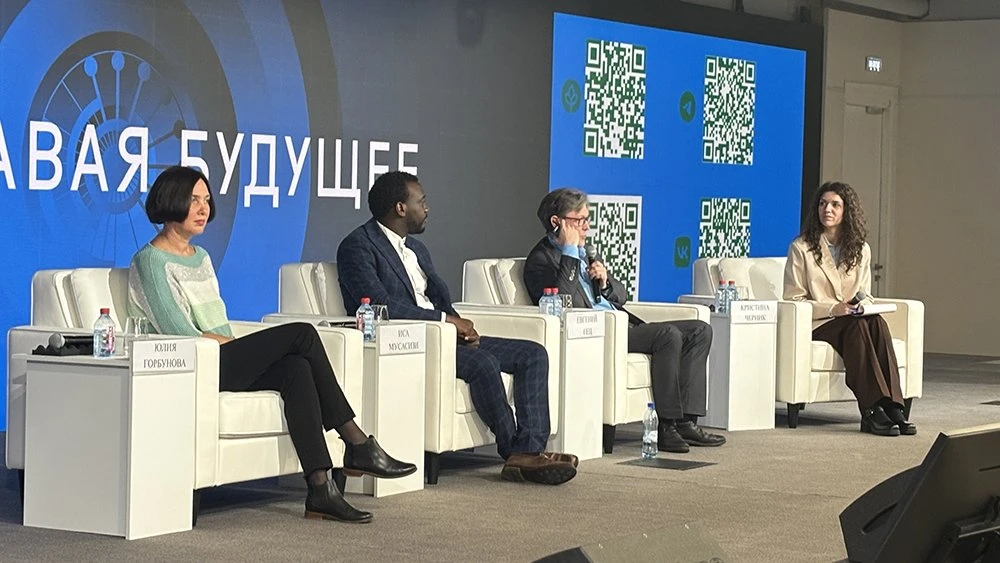
"I am promoting the slogan: 'The Krasnoyarsk Territory is a promising area for farming.' The fact that it is getting warmer here is an advantage. In agriculture, we have no competitors. We all want everyone to have a good harvest. The industry's problems concern logistics and economics, not a lack of technological progress. We are doing well on the technology front," Yevgeny Getz noted.
AI expert Isa Musasizi came to Krasnoyarsk from Uganda and is studying at Siberian Federal University. His presentation explored how AI helps the region develop. He focused particularly on how students use neural networks.
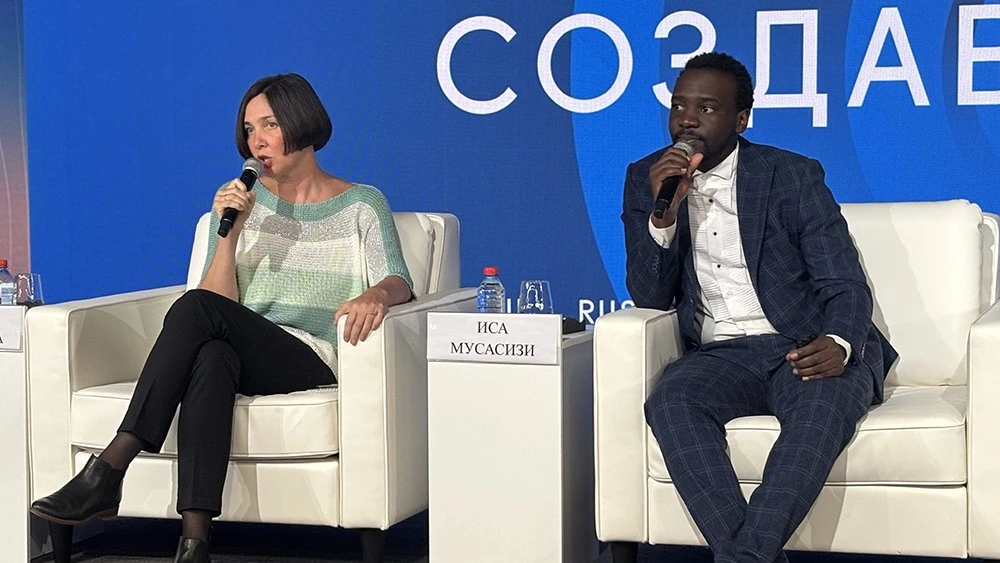
"Copy, paste, and that's it: AI has done it for me. That is a completely wrong way to use the tool. You must control AI, not let it control you. It should not do your learning for you and become smarter than you," Isa Musasizi emphasised. He said that AI helps people make decisions faster but should not replace human responsibility.
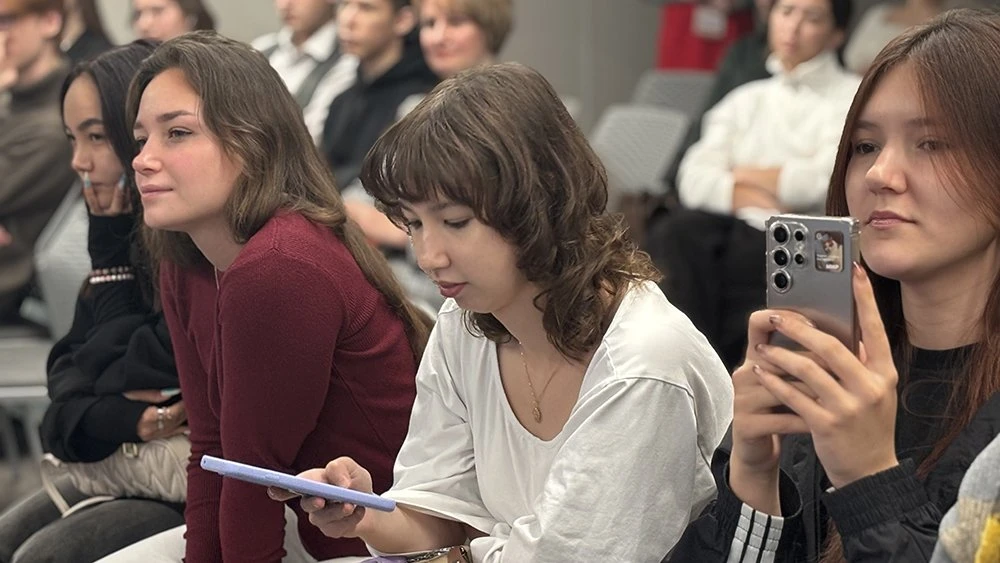
The Open Lecture Hall was the first event of its kind in the Krasnoyarsk Territory. It brought together students, experts and everyone interested in technological development. The central message running through both sessions was that AI is a tool. It does not eliminate the need for ideas, responsibility or people themselves.
The "Inventing the Future" Open Lecture Hall is an original project of the National Centre RUSSIA, launched on 7 February 2026 in Moscow. The event aims to bring together leading Russian and international experts to develop positive scenarios for the future and maintain dialogue with the global professional community across different areas of society.
The global conversation about humanity's future will continue with experts from different countries on 12–13 November at the III International Symposium "Inventing the Future". The Symposium's main programme will be held at the National Centre RUSSIA in Moscow, with satellite events at the National Centre's branches in the Krasnoyarsk Territory, the Primorye Territory and the Khanty-Mansi Autonomous Area. Follow the updates and register on the website.
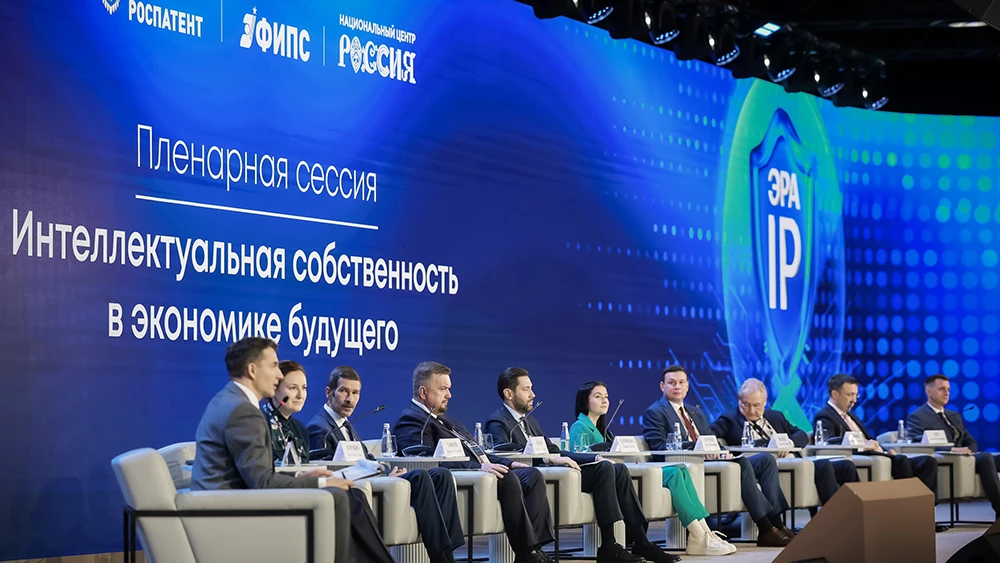
The plenary session of Rospatent's XXX International Scientific and Practical Conference "Intellectual Property in the Economy of the Future" was held on 16 October at the National Centre RUSSIA.