Improvisation, pauses and personal experience: what young journalists learned at RU.TV
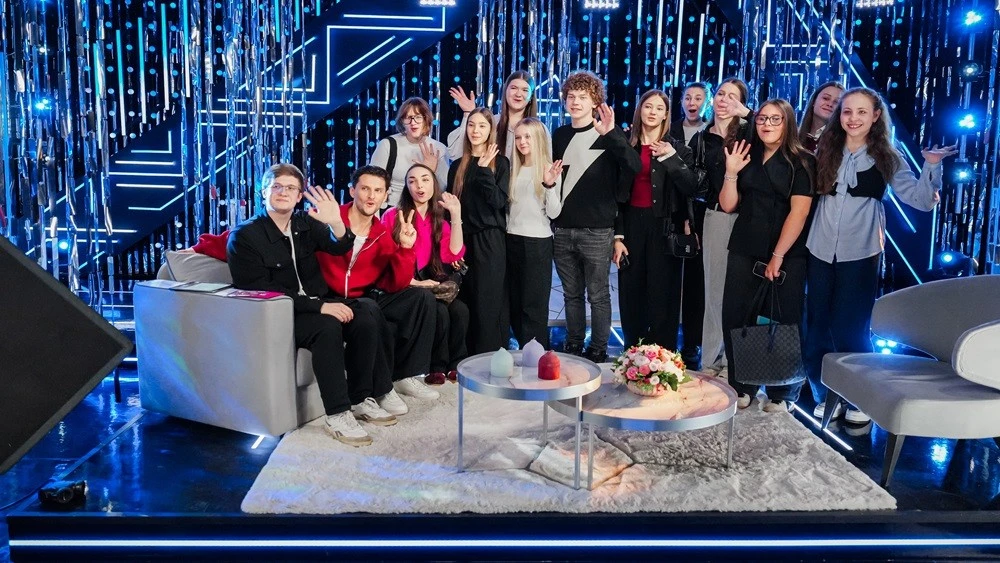
In live broadcasting, presenters sometimes have to improvise — fill airtime, share stories from childhood, recall interesting facts about almost anything — and still look confident and natural. Students of the Young Journalists School of the National Centre RUSSIA learned how to do this during a visit to the Russian music television channel RU.TV. The participants saw how presenters, directors and sound engineers work in real time and received practical advice that will be useful for their future media careers.
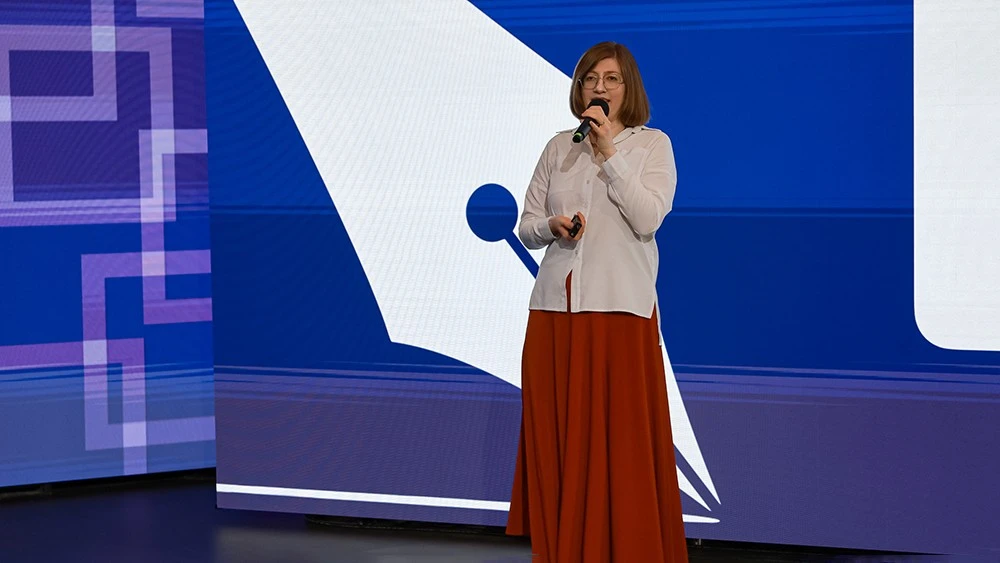
The tour was led by RU.TV presenter and editor Maria Valuyskaya. She showed the students the control room and the studio where live broadcasts take place every day. The young journalists went behind the scenes of the programme "Tema" ("Theme") and observed how presenter Maxim Kobzov works on air in real time, communicates with the audience and simultaneously stays in touch with the director and the editor.
"A good presenter is, first and foremost, a good editor. As soon as you start coming up with links yourself, writing scripts and preparing questions, you will always have something to say in any situation. That is why it is important not only to smile nicely on camera, but also to develop your thinking — to learn to think like an editor," said Maria Valuyskaya.
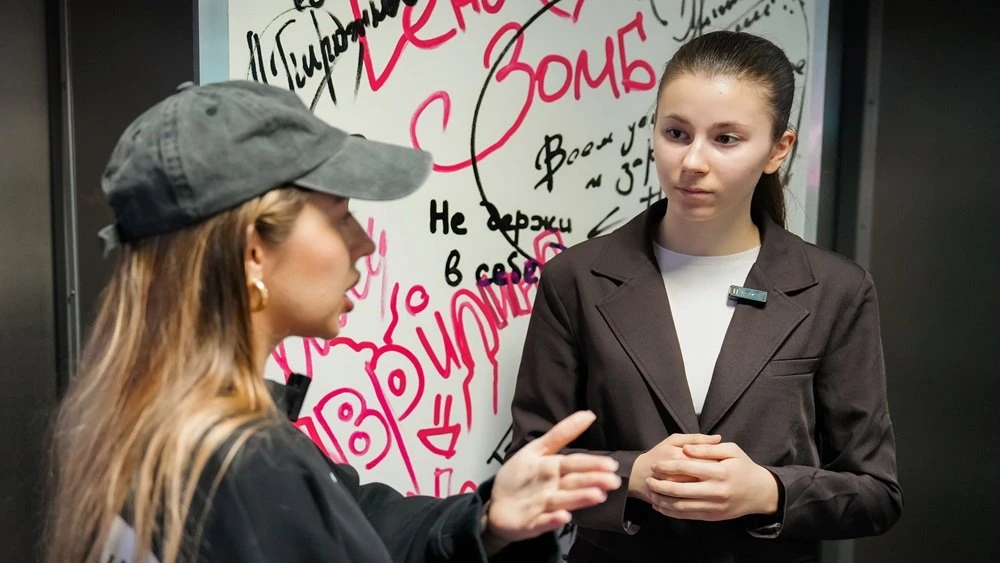
She shared a practical tip with the students: always keep a "reserve" of topics and facts at hand in case you need to fill airtime. The presenter showed her prepared chat with unusual holidays and interesting statistics — about Different-Coloured Eyes Day, the symbolism of colours, and rare facts about music and people.
Maxim Kobzov spoke to the young journalists about another side of live broadcasting — improvisation and the ability to hold a pause. He admitted that instead of the planned one minute, presenters often have to speak for five minutes or even longer on air. His main advice was to rely on personal experience.
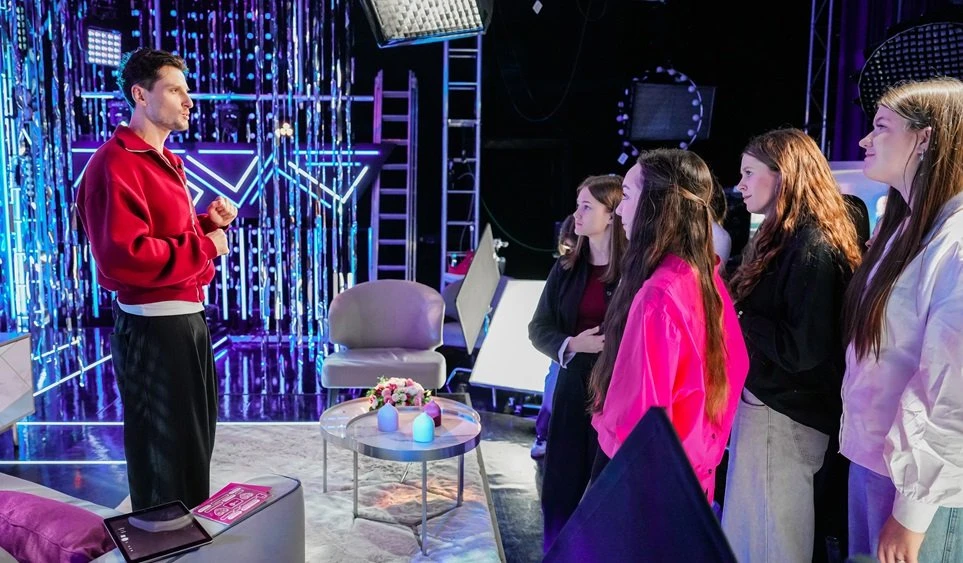
"The best thing you can do when something does not go according to plan is to recall your own story. Childhood, school, your first job, relationships. This is your real experience, and it is always with you. Stories about childhood, studies, love, unusual situations — these are what you can share while the control room resolves technical issues. The key is to have several topics in mind and not be afraid to be yourself," the presenter explained.
He also emphasised the importance of natural behaviour. According to him, viewers immediately sense insincerity, so presenters should speak in the same way they communicate with friends, just slightly more composed and positive.
For the participants of the Young Journalists School, the visit to RU.TV became not only a tour but also a practical lesson. The students recorded a short interview with presenter Maria Valuyskaya and filmed videos for their own projects. Alisa Vizirova noted that what she saw strengthened her desire to one day appear on screen.
"At RU.TV, we saw how live broadcasting works from the inside: how the presenter hears the director through an earpiece, how plans change at the last moment, and how important it is not to lose composure. What I remember most is Maxim Kobzov’s advice — in any unclear situation, recall stories from your past: childhood, school, or amusing moments," said the Young Journalists School participant.
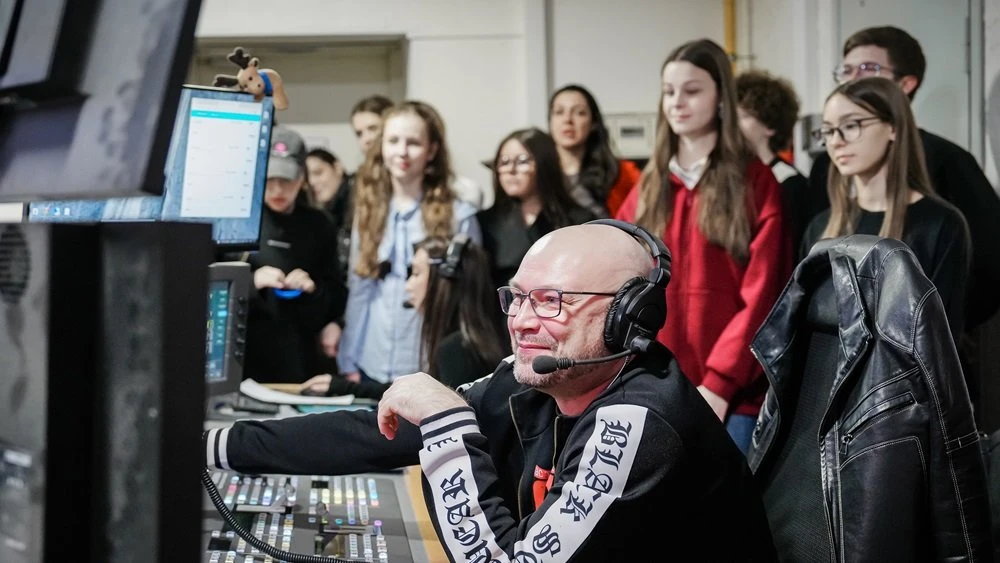
Tikhon Chibisov was most interested in the work of the technical team. He observed the work of the director, sound engineer and broadcast operator, and after the tour began thinking even more seriously about applying to a journalism факультет and working behind the scenes.
Sofia Sarycheva, in turn, noted that an entertainment television channel is not only about music and clips, but also about serious work with content and the audience. She emphasised that it was important for her to see how a presenter on live television simultaneously communicates with the camera and senses the audience “on the other side of the screen,” as well as to try herself in the role of a correspondent. Sofia filmed her own video about the visit, combining the roles of producer, camera operator and interviewer.
The visit to RU.TV took place as part of the Young Journalists School, implemented by the National Centre RUSSIA together with the Movement of the First with the support of the Ministry of Education of Russia. The project helps teenagers engage with leading Russian media, gain practical skills and learn from professionals not abstract theory but real techniques and life hacks that make every broadcast lively and genuinely engaging for viewers.
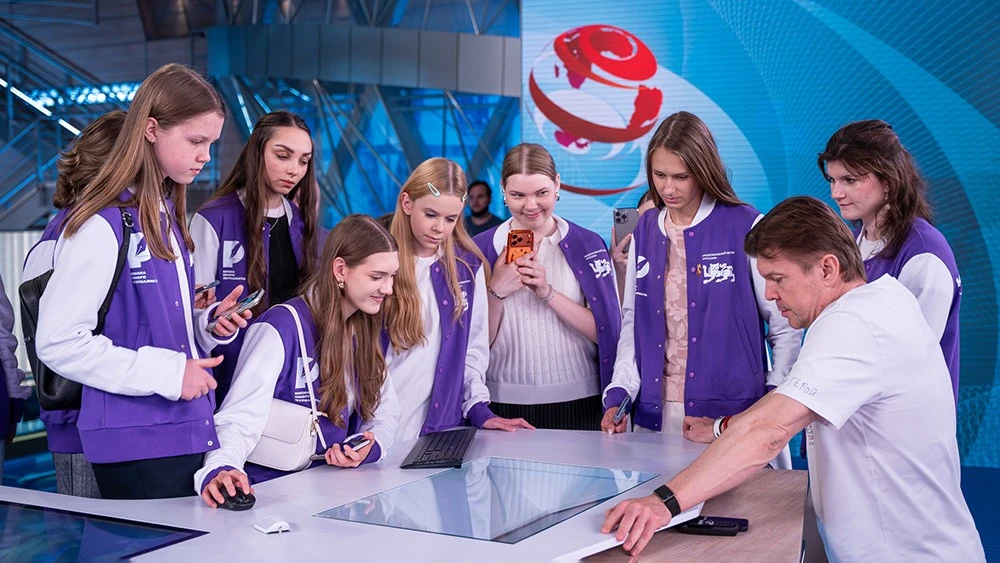
The students visited the heart of Russian television, Channel One.
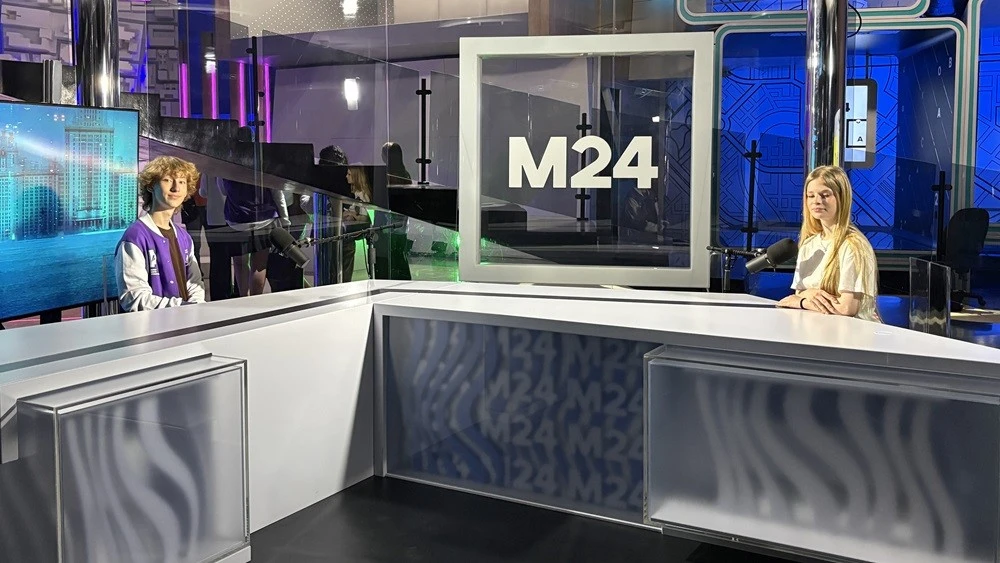
The staff of the Moscow 24 editorial office explained how a city news television channel operates, covering events in the capital and Moscow Region.