


Experts discuss the history of Russia–US relations at the National Centre RUSSIA
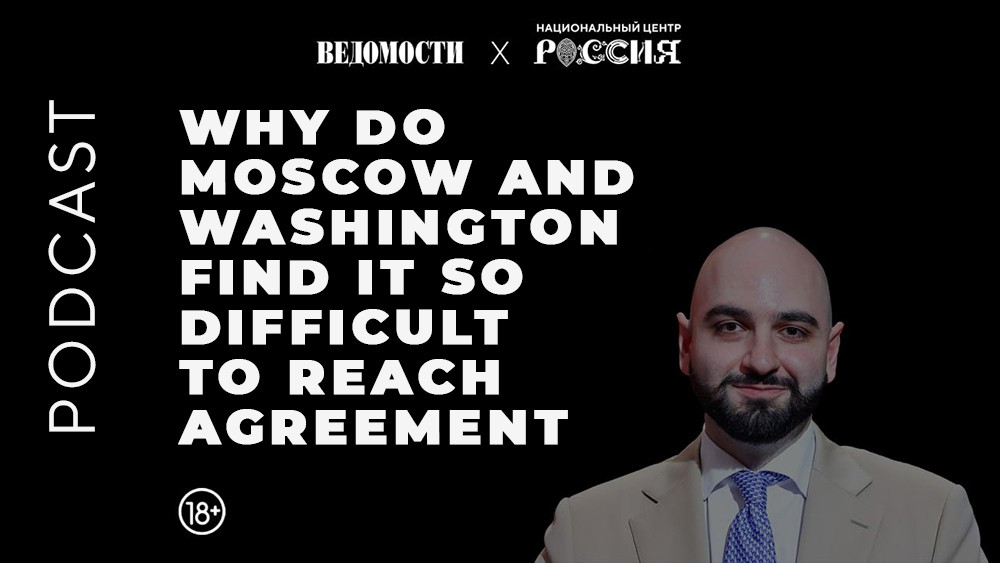
Why do Russia and the United States so often find themselves on opposite sides despite having much in common? Why do periods of détente and renewed tensions in bilateral relations seem to repeat themselves decade after decade? These questions were explored at the National Centre RUSSIA by Natalia Tsvetkova, Director of the Institute for US and Canada Studies of the Russian Academy of Sciences, and Viktoria Zhuravleva, Head of the Centre for North American Studies at the Primakov National Research Institute of World Economy and International Relations (IMEMO) of the Russian Academy of Sciences. Their discussion took place as part of a podcast launched by the Vedomosti newspaper, and was timed to mark the 250th anniversary of the United States.
Viktoria Zhuravleva emphasised that Russia's interest in the United States is not a matter of fashion or political expediency, but a necessity dictated by the structure of the modern world.
"Despite all the talk that the United States is losing its leadership position and that everyone should now be studying China, the US continues to shape the global order. We need to study the United States in order to understand not only the country with which we share the planet, but also the other great power with which we interact: how it sees the world, how it sees us, and who makes decisions there."
According to the expert, Russia and the United States are often in conflict precisely because they are so similar: both countries see themselves as great powers with a special mission. Competition between their respective ideas and visions of a just world order lies at the heart of the complexity of Russia–US relations.
Natalia Tsvetkova noted that the United States' perception of itself as an "empire of ideas" has deep historical roots. As she pointed out, Thomas Jefferson wrote of an "empire of liberty". In the American political tradition, the word "empire" long carried positive connotations, associated with progress, expansion and the liberal empire.
The speakers also examined why Moscow and Washington have found it so difficult to build stable long-term relations. Viktoria Zhuravleva spoke about the cyclical nature of bilateral relations, characterised by brief periods of rapprochement followed by prolonged phases of tension. Natalia Tsvetkova observed that Russia–US relations have traditionally contained too much ideology and too little day-to-day pragmatism. Even during the most difficult periods, however, professional contacts continued to exist — many of which have now been interrupted.
"Even during the most difficult years of the Cold War, scientific and educational exchanges continued. Joint journals were published, and students and scholars travelled between our countries. Today, however, we have reached perhaps the lowest point: dialogue has been curtailed, contacts are minimal, and both sides are losing as a result," the expert stressed.
Natalia Tsvetkova and Viktoria Zhuravleva agreed that without restoring people-to-people ties — academic, cultural and professional — any attempts to reduce tensions are unlikely to succeed. During the Cold War, they noted, televised exchanges and academic programmes helped people "see the human being" on the other side and reshape mutual perceptions of each other's countries.
The full interview is available on the National Centre RUSSIA website.
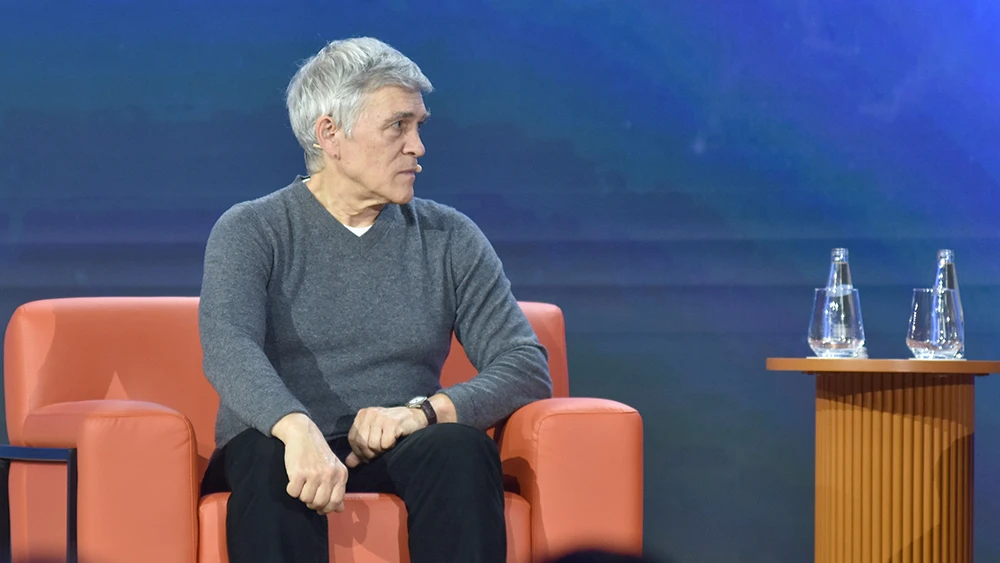
On 2 September at 18:30, the National Centre RUSSIA invites visitors to an open recording of a new episode of the "Russia Speaks" podcast.
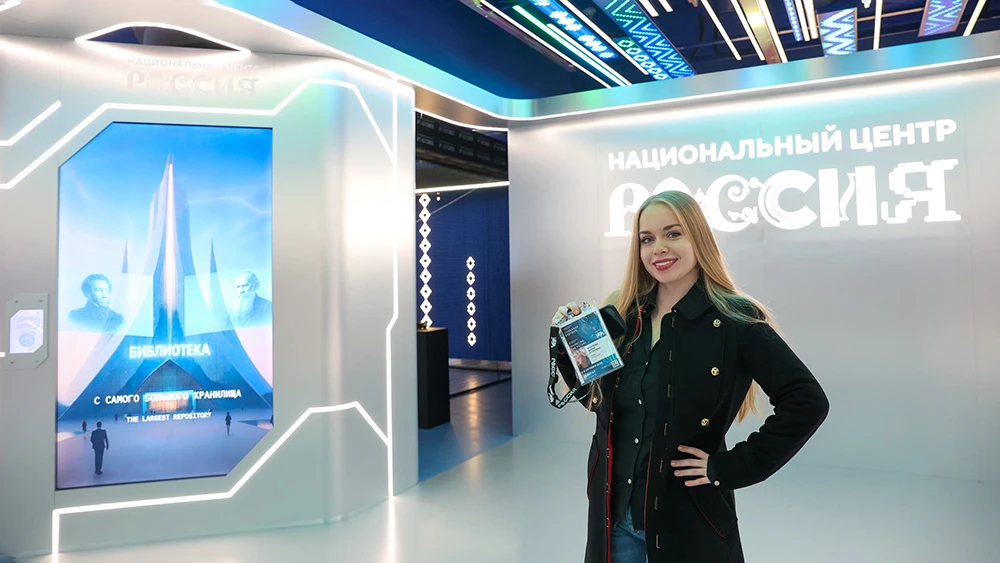
On 12–13 November, the National Centre RUSSIA will once again become the main meeting place for those thinking about what tomorrow will look like.
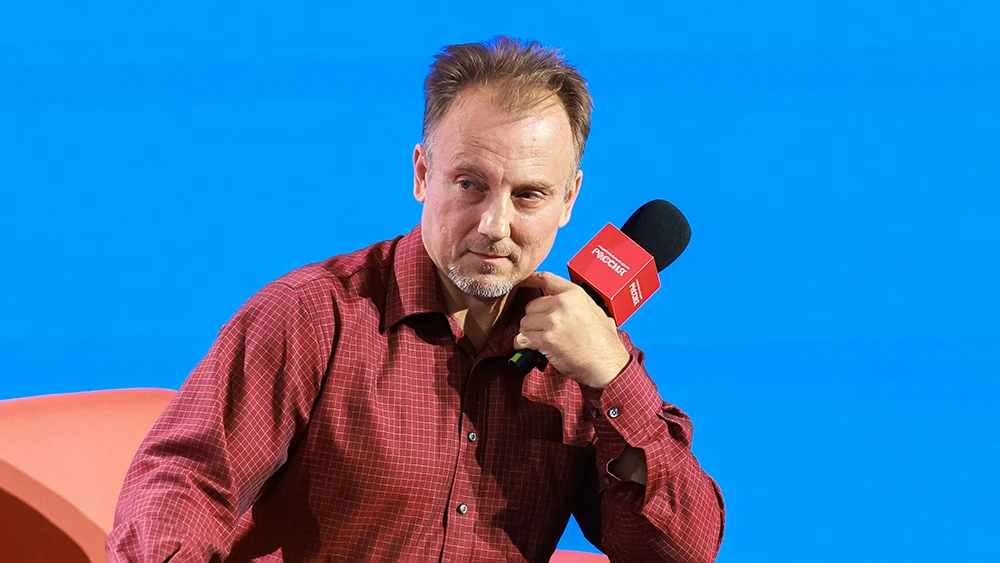
Ivan Yefremov's science fiction has long been considered a classic, yet the worlds of the Strugatsky brothers continue to appear on screen far more often. Why is this?


