


Visitors are welcomed to join the open recording of the "Russia Speaks" podcast with Vladimir Surdin
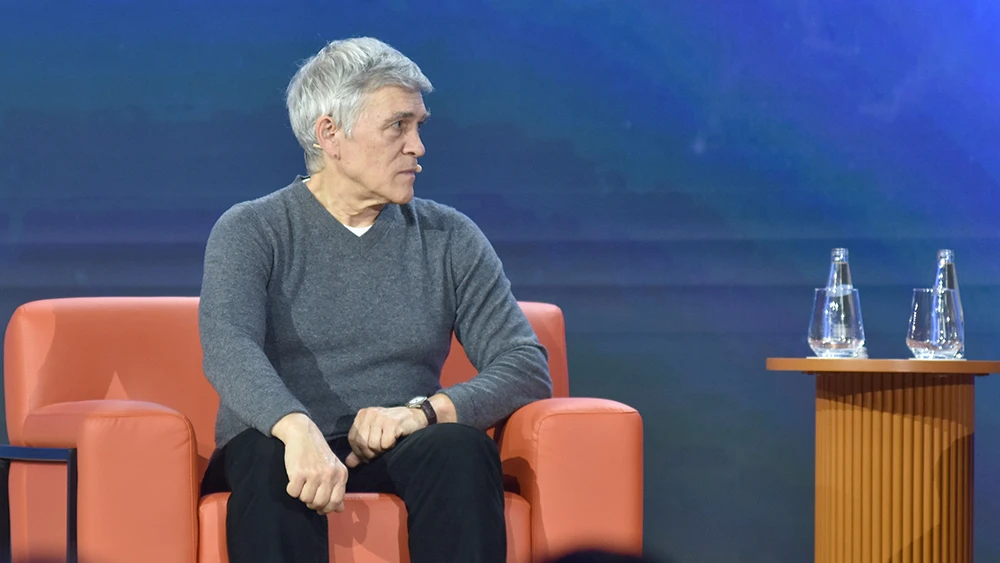
On 2 September at 18:30, the National Centre RUSSIA invites visitors to an open recording of a new episode of the "Russia Speaks" podcast. The guest will be renowned Russian astronomer and science communicator Vladimir Surdin, creator of the popular "Extraterrestrial Podcast", whose lectures and videos about space attract millions of views and inspire audiences to explore our Universe.
The discussion will focus on the future 200 years from now. Together, participants will imagine where people might live: will humanity remain on Earth, move to the Moon or, perhaps, settle on Mars? Will people be able to colonise other planets, what technologies will be needed, and what might the space future of humanity look like? These and other questions will be explored in the podcast with one of Russia's leading experts in astronomy.
Visitors can see how a new podcast episode is created and hear Vladimir Surdin in person free of charge. Places are limited, so prior registration is required via this link.
Vladimir Surdin is a Candidate of Physical and Mathematical Sciences, Senior Researcher at the P. K. Sternberg Astronomical Institute and Associate Professor at the Faculty of Physics of Moscow State University. He is one of Russia's best-known astronomy communicators. His lectures and books are widely known, while his "Extraterrestrial Podcast" has become an educational platform for everyone interested in the mysteries of the Universe.
The "Russia Speaks" podcast is an original project of the National
Centre RUSSIA in which experts, scientists, and figures from culture and the
arts discuss key issues of the present day, the country's history and its
future.
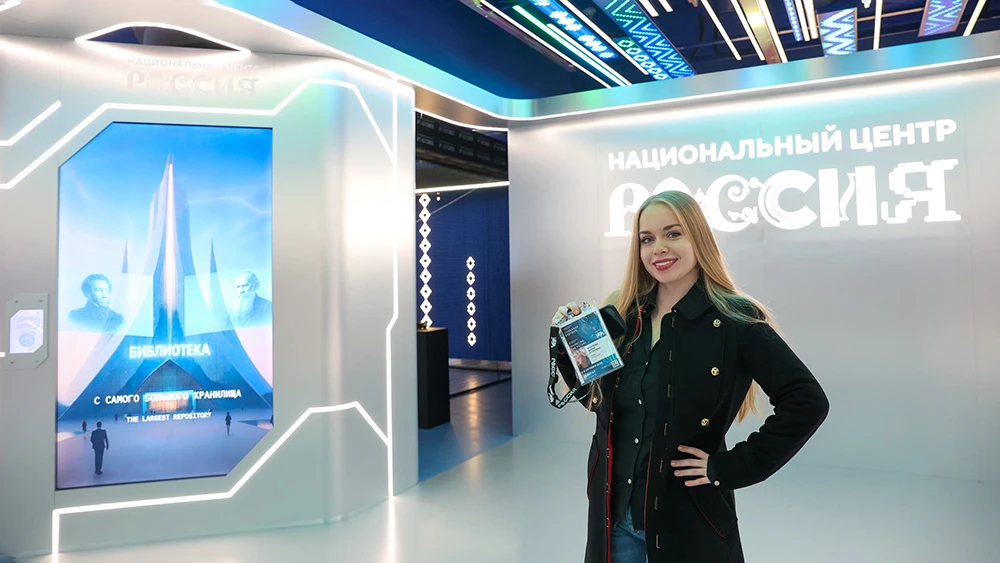
On 12–13 November, the National Centre RUSSIA will once again become the main meeting place for those thinking about what tomorrow will look like.
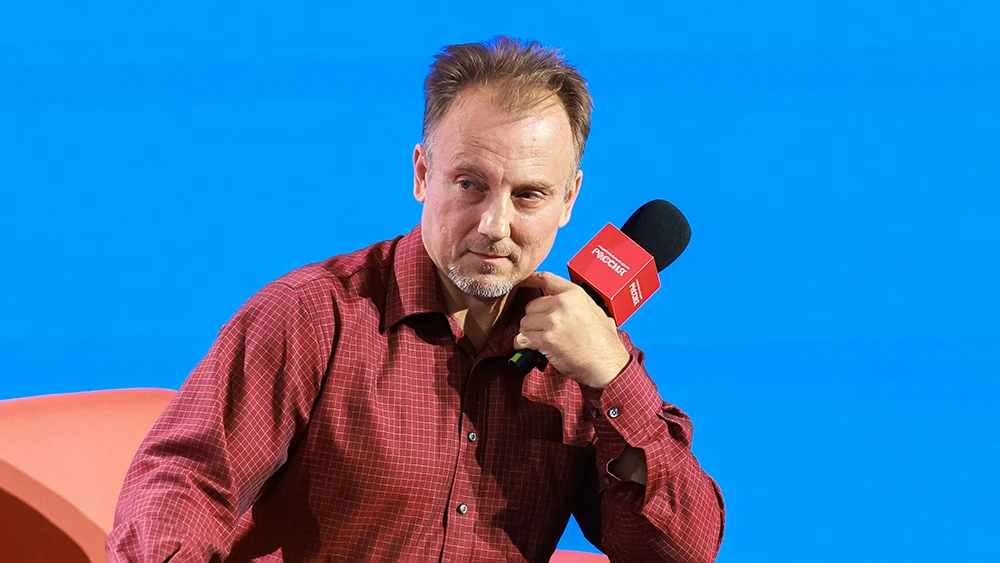
Ivan Yefremov's science fiction has long been considered a classic, yet the worlds of the Strugatsky brothers continue to appear on screen far more often. Why is this?
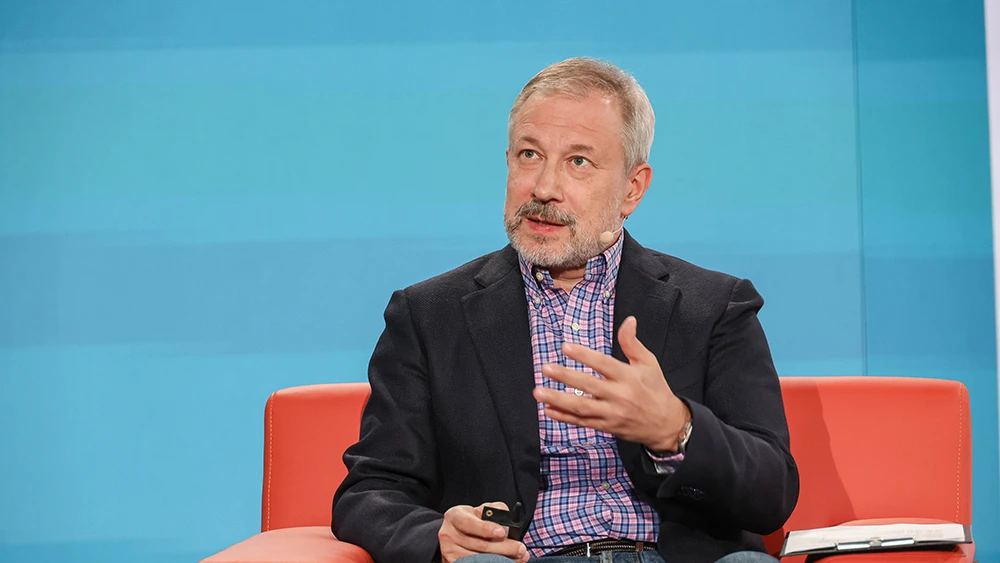
A modern philosopher is perfectly capable of building a successful "career" in artificial intelligence.


