


Young tour guides at the National Centre RUSSIA learn why Russia is the world's largest country
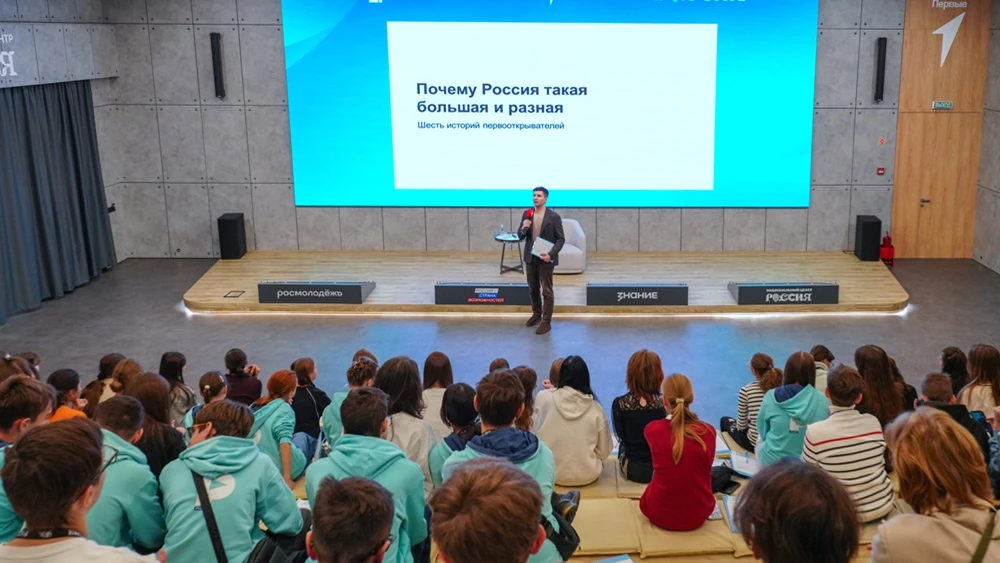
Participants in Russia's Young Tour Guides School learnt why Russia became the world's largest country and how geographical discoveries changed its borders during a lecture by the Vice-Rector of Murmansk Arctic University, Dmitry Nesterenko, who holds a Candidate of Sciences degree in Geography. Through the stories of six explorers, he showed how their courage, the decisions of statesmen and the country's geography helped shape Russia's territory. At the start of the session, held at the National Centre RUSSIA, he gave the young guides a couple of tips on how to keep an audience interested in their stories. In his view, the most important thing is to speak about what genuinely interests you and feel comfortable with what others might think.
During the lecture itself, Dmitry Nesterenko paid particular attention to Russia's eastward expansion. He explained that the fur trade was one of the main reasons for the expansion into Siberia. From the 15th to the 17th century, fur was a valuable commodity, essential for keeping warm and in demand on foreign markets.
"As populations of fur-bearing animals dwindled in the European part of the country, hunters and explorers ventured ever further beyond the Urals. That marked the start of the rapid expansion into Siberia and the Far East, with the journey from the Ural Mountains to the Pacific Ocean taking less than 60 years. History had never seen land settled so quickly," Dmitry Nesterenko noted.
The young guides also heard about Semyon Dezhnyov, who sailed through the strait between Asia and America in 1648. The expedition set out in search of walrus ivory, but its members had to overcome severe hardships. Dezhnyov did not know he had discovered the strait that would later be named after Bering. Dmitry Nesterenko said the story serves as a reminder that it often took a long time for geographical discoveries to become known to the world.
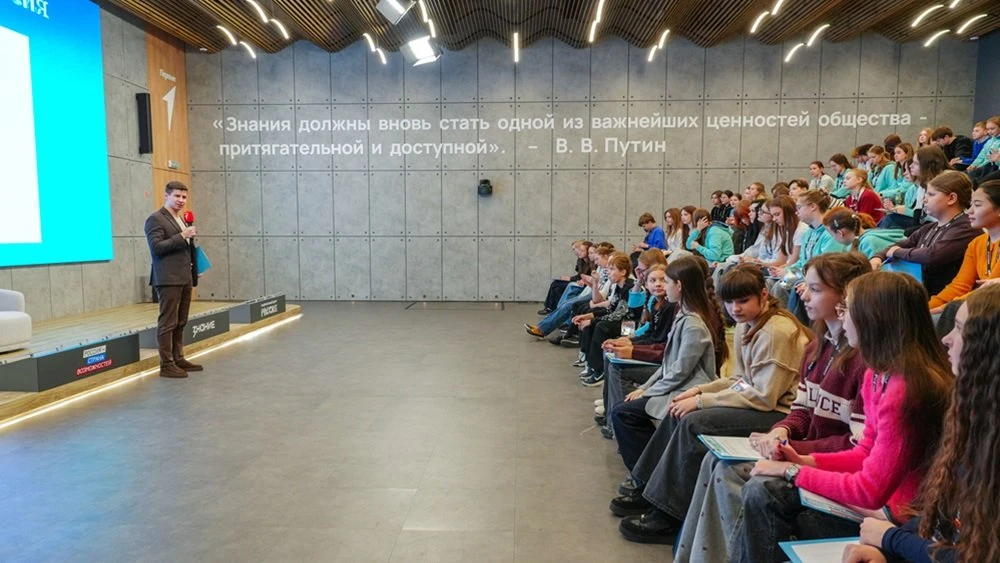
Another part of the lecture focused on Gennady Nevelskoy. In 1849, the navigator explored the mouth of the Amur River and proved that Sakhalin was an island separated from the mainland by a strait. A year later, defying a ban on founding settlements, he established the Nikolayevsky Post, which would become Nikolayevsk-on-Amur. There were calls to reduce Nevelskoy to the rank of ordinary seaman for doing so, but Emperor Nicholas I backed the explorer and ordered that he be awarded the Order of St Vladimir, Fourth Class.
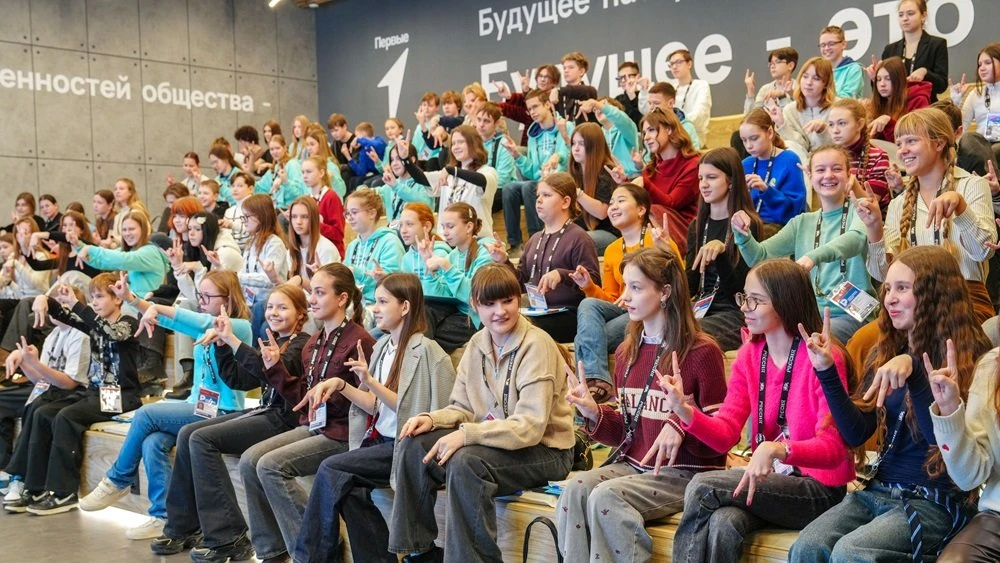
Discussing expansion into the Amur area and Primorye, Dmitry Nesterenko explained the role of Nikolai Muravyov-Amursky. Thanks to his efforts and the signing of the Treaty of Aigun and the Convention of Peking, new territories in the Far East became part of Russia. The statesman is also associated with the founding of Khabarovsk, Blagoveshchensk and Vladivostok.
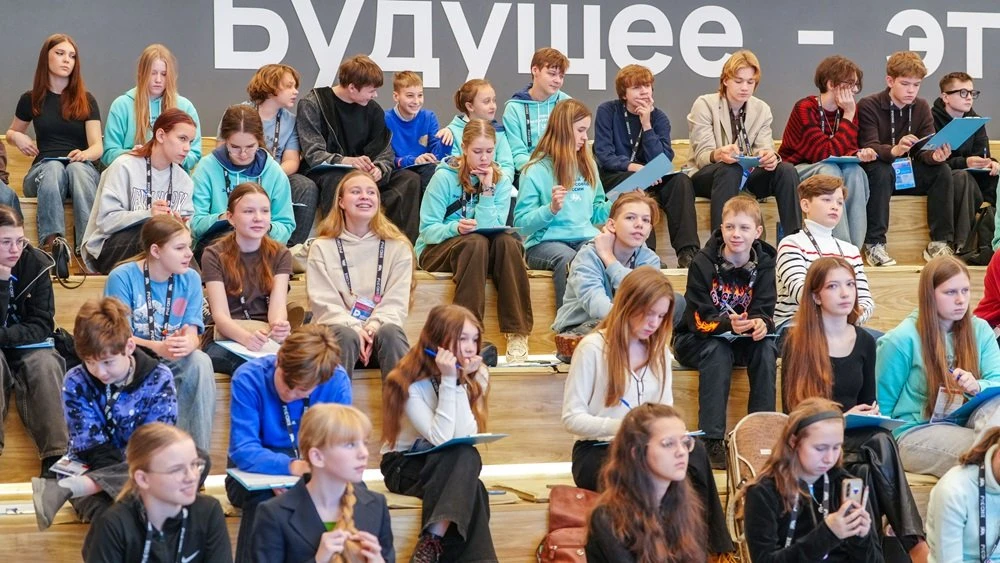
"I was really struck by the story of Nikolai Muravyov-Amursky, whose monument appears on the 5,000-rouble note. He was given the title of Count Amursky for his services, which is how he came to have a double-barrelled surname. Dmitry Nesterenko's lecture was fascinating, and the quiz at the end helped us remember what we'd learnt," said Maria Dolgusheva, a member of the third cohort of Russia's Young Tour Guides School.
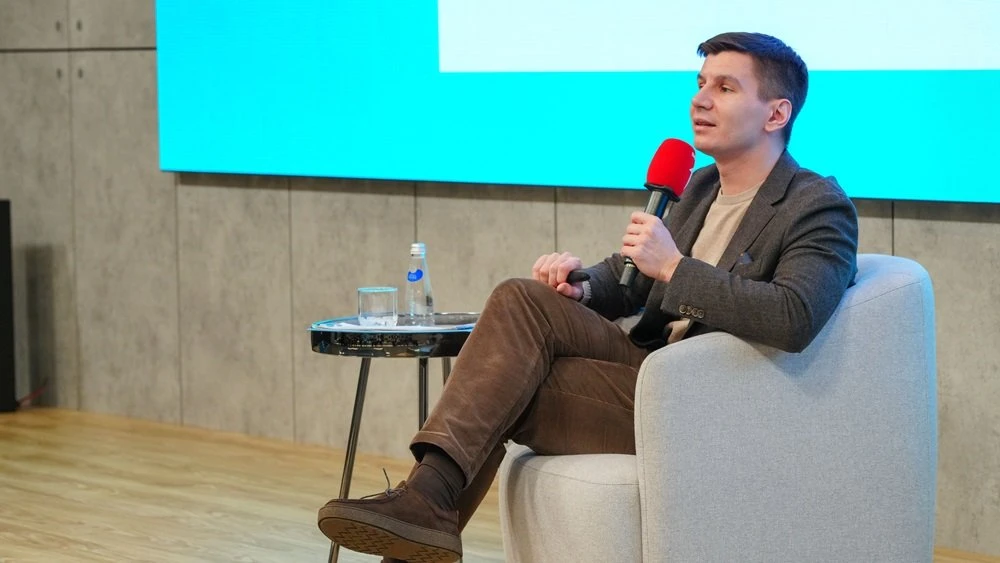
The young guides learnt many facts about history and discovered that geographical exploration continues in the 21st century. In 2016, for example, the student Marina Migunova spotted five previously unknown islands off Novaya Zemlya in satellite images. An expedition confirmed the discovery in 2019. To finish the session, the young guides completed a practical task that involved choosing one of the people featured in the lecture and preparing a 30-second story about them. They had to identify the key fact, a memorable detail and the point of the story, then link it to a specific stop on a tour. The exercise helped them apply what they had learnt and try turning historical information into an engaging story for their future audiences.
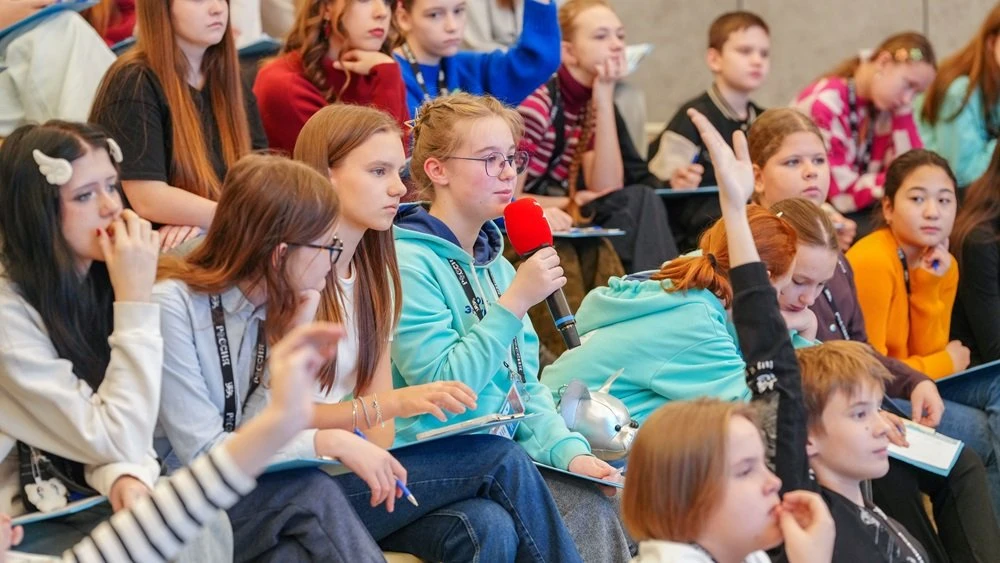
"Russia's Young Tour Guides School" is an original project of the National Centre RUSSIA designed to help school pupils explore career options. It grew out of a programme of the same name at the International RUSSIA EXPO and has since become a community of more than 100 children and mentors from across the country. The branches of the National Centre RUSSIA in the Krasnoyarsk and Primorye Territories, the Ryazan Region and the Khanty-Mansi Autonomous Area — Yugra have joined the project.
During the programme, the young guides will develop and refine their skills in leading tours, write their own scripts and design their own routes, then put what they have learnt into practice with visitors to expositions at the National Centre RUSSIA. At the end of the season, participants will receive certificates of completion.
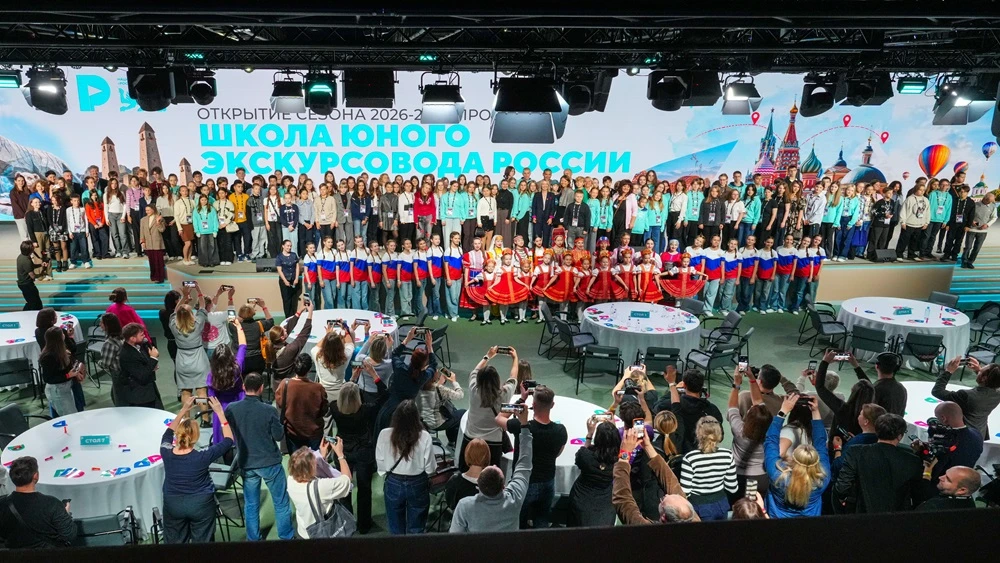
A ceremony marking the launch of the new season of the Young Tour Guides School of Russia, the National Centre RUSSIA's signature educational project for young people.
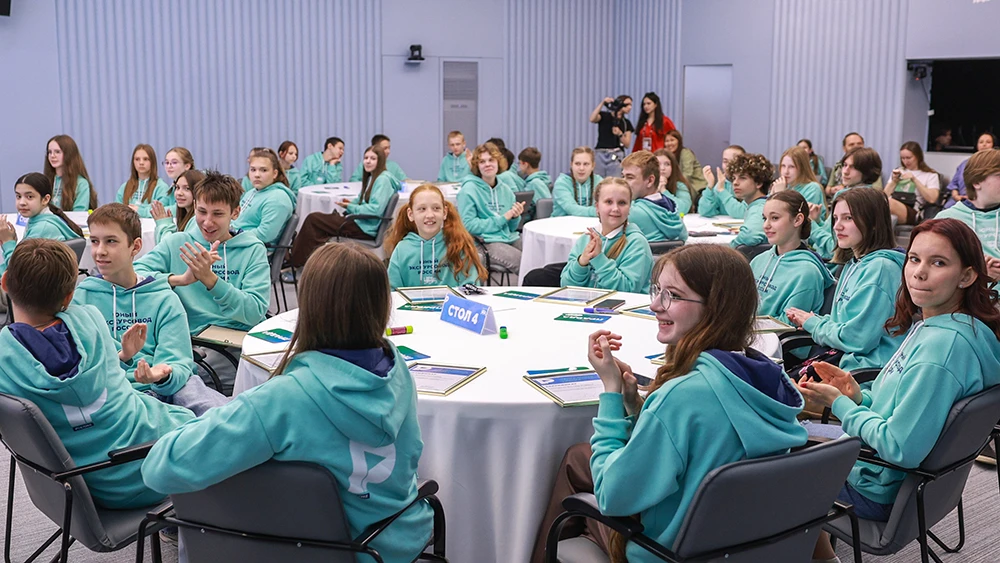
Young residents of Moscow and the Moscow Region aged 12 to 17 now have an additional opportunity to discover first-hand how exciting a career as a tour guide can be.

Applications for the new season of the National Centre RUSSIA's original project, the Young Tour Guide School of Russia, close on 20 September.


