

How to nurture a new Leonardo: guests of the "Russia Speaks" podcast explore the question
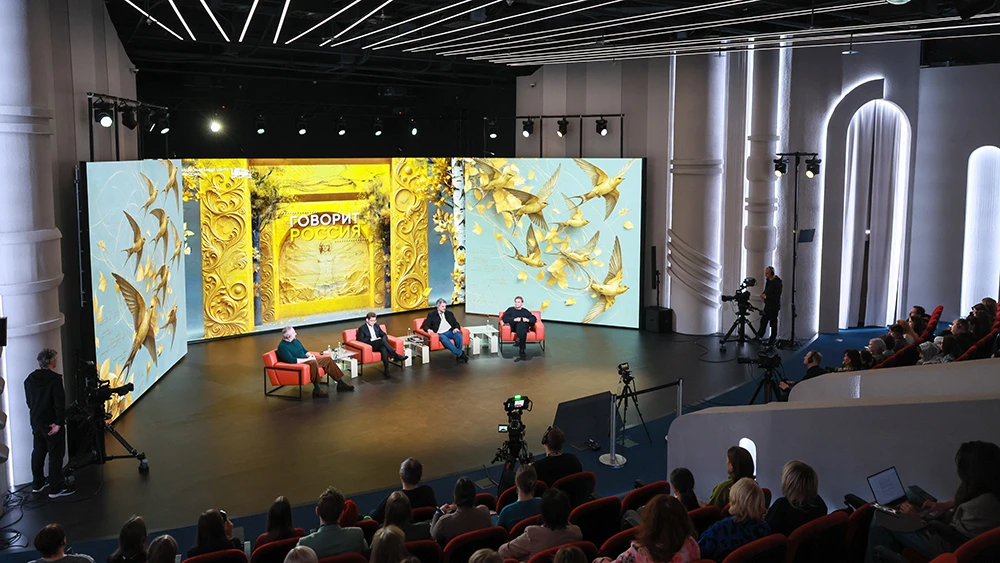
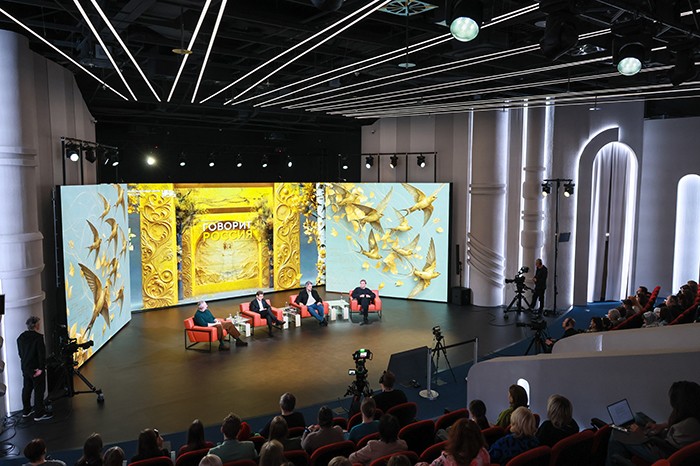
Leonardo da Vinci became one of the defining figures of the Renaissance, and his name is still synonymous with scientific inquiry, engineering ingenuity and artistic innovation. Yet many of his ideas built on the knowledge of earlier generations, while some of his projects never made it beyond the drawing board. Where does the line lie between borrowing ideas and genuine invention, and what made Leonardo a genius in his own right? These questions were explored during an open recording of the "Russia Speaks" podcast, held at the National Centre RUSSIA on 15 November.
The discussion was hosted by Roman Shchukin, journalist and presenter of the "This Morning" programme on ZVEZDA TV channel. The speakers were Mario Taddei, Professor at Da Vinci Academy, specialist in Leonardo da Vinci's codices and inventions, co-founder and chief researcher at the Leonardo3 Centre in Milan; Andrei Makarov, Doctor of Philosophy, professor, cultural studies scholar and public lecturer; and Alexei Fedorov, physicist specialising in quantum technologies and head of a research group at the Russian Quantum Centre.
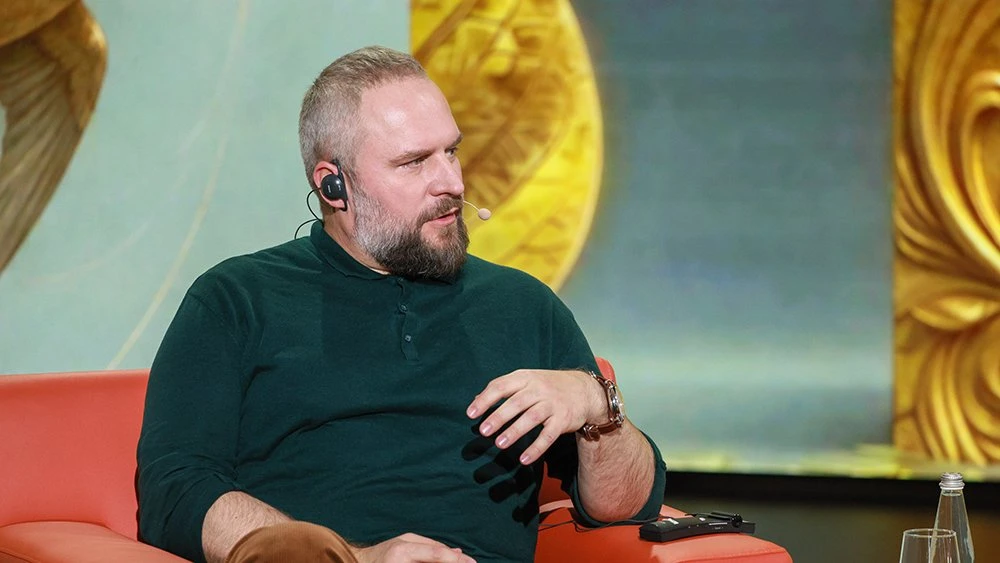
The experts discussed how Leonardo studied the achievements of ancient civilisations and transformed knowledge from the past into the basis for his own engineering solutions. They also explored his unusual-for-the-time ambition to bring art and science together, as well as the extraordinary breadth of his interests, which ranged from painting and anatomy to mechanics and machine design.
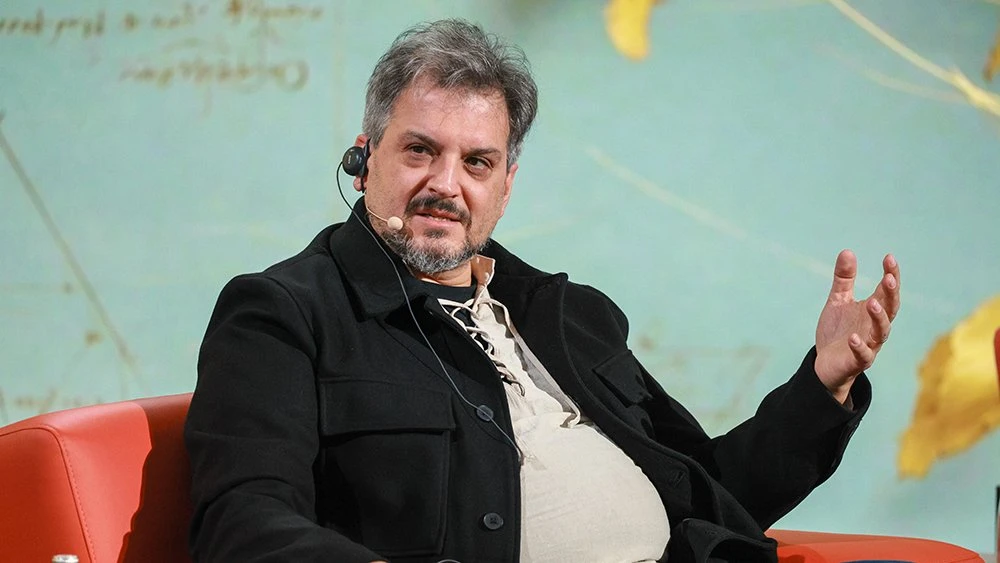
Another topic was Leonardo's habit of leaving works unfinished. The experts considered whether this reflected a particular personality trait or a deliberate approach to life, comparing it with today's deadline-driven world. In particular, they discussed two approaches to life and work: one focused on results and the other on the process itself. Using Leonardo as an example, they considered whether the pursuit of knowledge and the freedom to continue exploring can be more important than formally completing a task, and whether choosing a happy life can matter more than external expectations and deadlines.
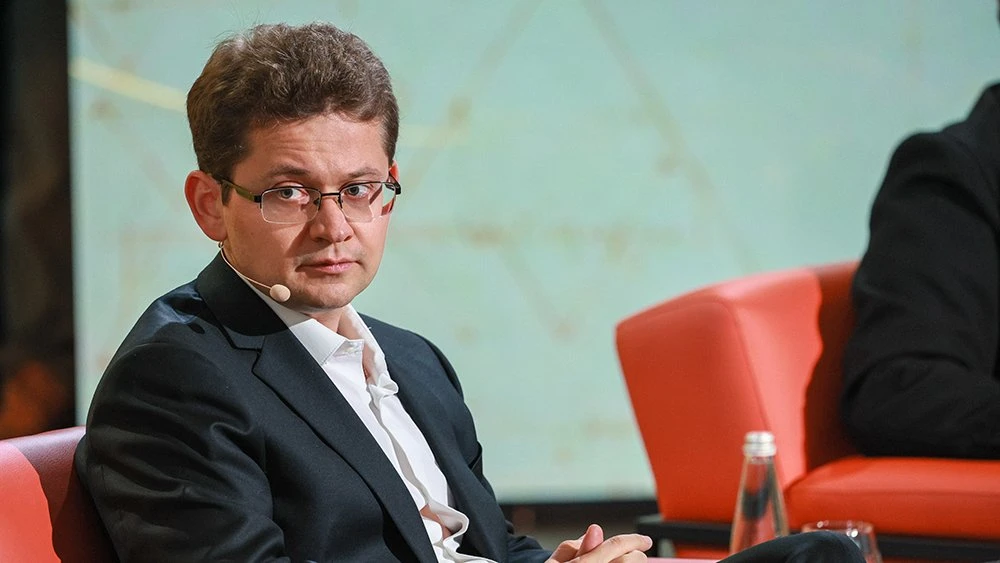
The almost legendary "Mona Lisa" and the mystery of her enigmatic smile also featured prominently in the discussion. The participants explored the painting's history, Leonardo's artistic techniques and the secrets of his mastery that continue to captivate audiences centuries later.
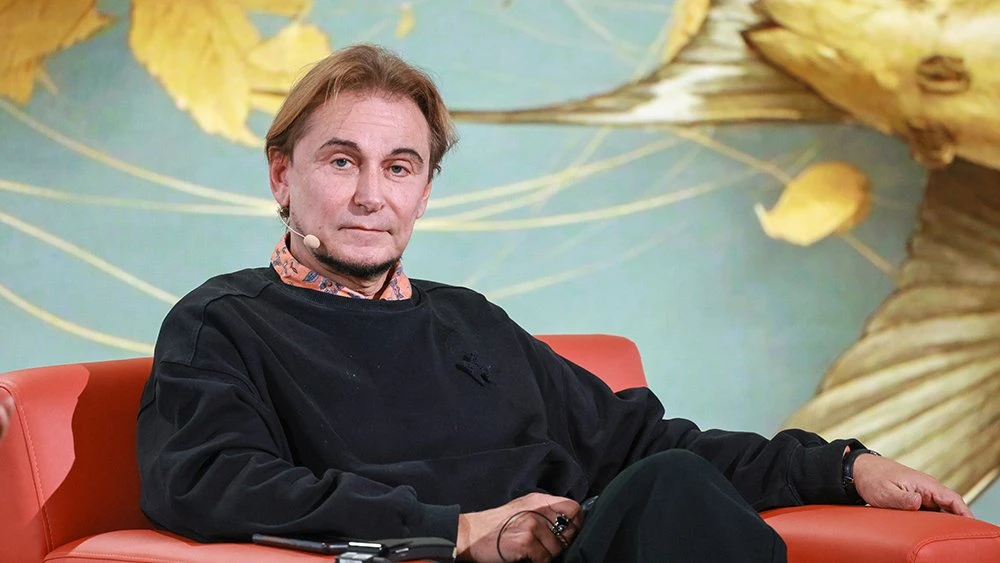
The central question running through the conversation was whether it is possible to nurture a new Leonardo da Vinci in the modern world. The guests explored just how difficult it is to raise a great thinker, why curiosity is the defining quality of a future genius, and how new technologies can help rather than hinder the development of talent.
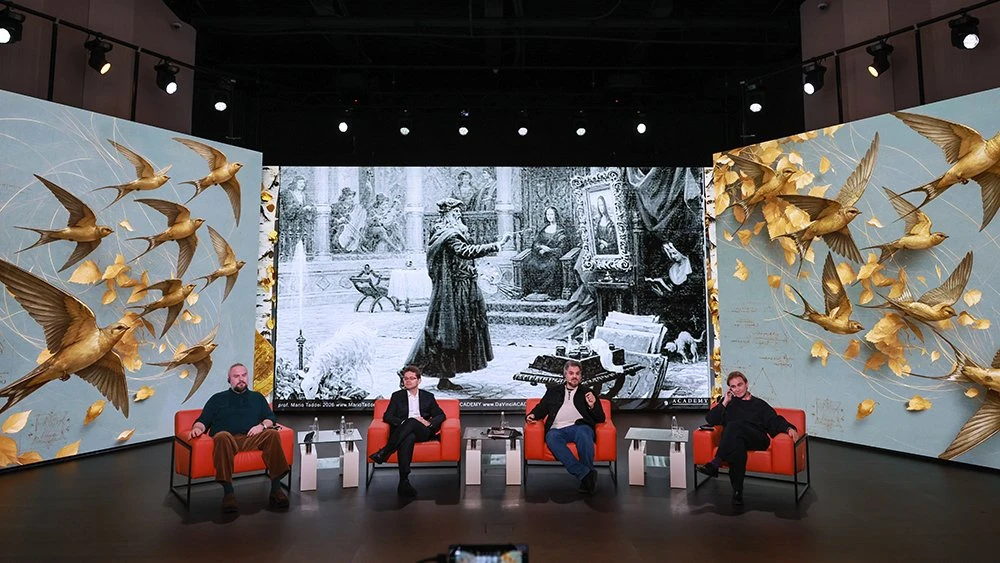
According to the participants, the foundations of this journey remain curiosity, an interest in history and a willingness to learn from those who came before us. Today's technologies provide access to an immense body of knowledge, while inspiration can be found by studying nature and bringing together ideas from different fields. It is precisely this combination of art, science and continuous learning, the experts noted, that makes it possible to create something new and look beyond the achievements of previous generations.
The "Russia Speaks" podcast brings together experts from different fields for open discussions of significant events, ideas and phenomena that help us better understand the past and present, as well as possible scenarios for the future.