


Students from aerospace, engineering, physics and mathematics universities showcase their knowledge at the "Inventing the Future" Symposium
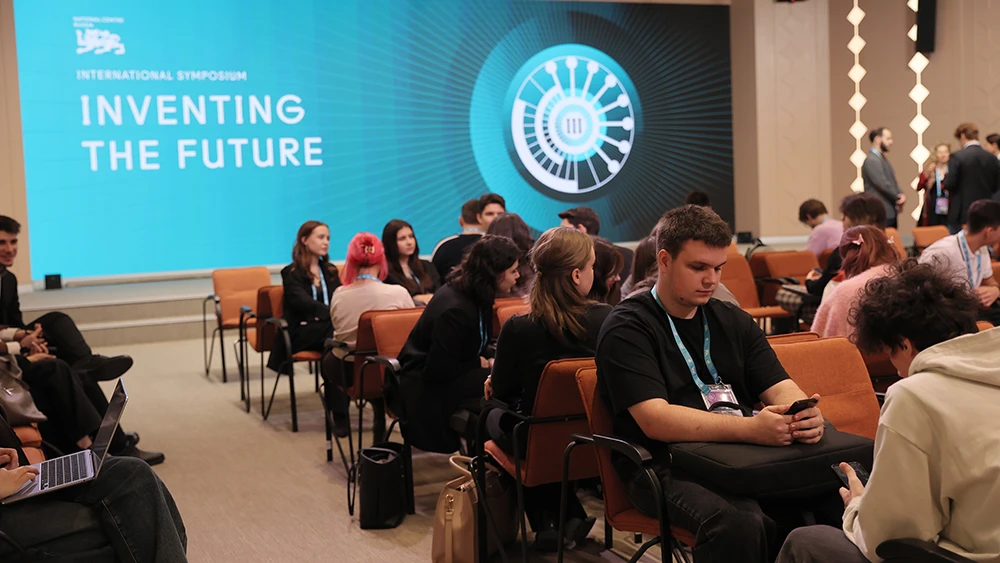
Lunar vehicles for studying regolith, digital twins of satellite constellations and space mission designs are all within the reach of Russian students. The "Pleiades" Case Championship for young people put their space industry skills to the test as part of the III International Symposium "Inventing the Future" and was held on 13 November at the National Centre RUSSIA. The event was co-organised by ANO "National Centre for Space Competencies".
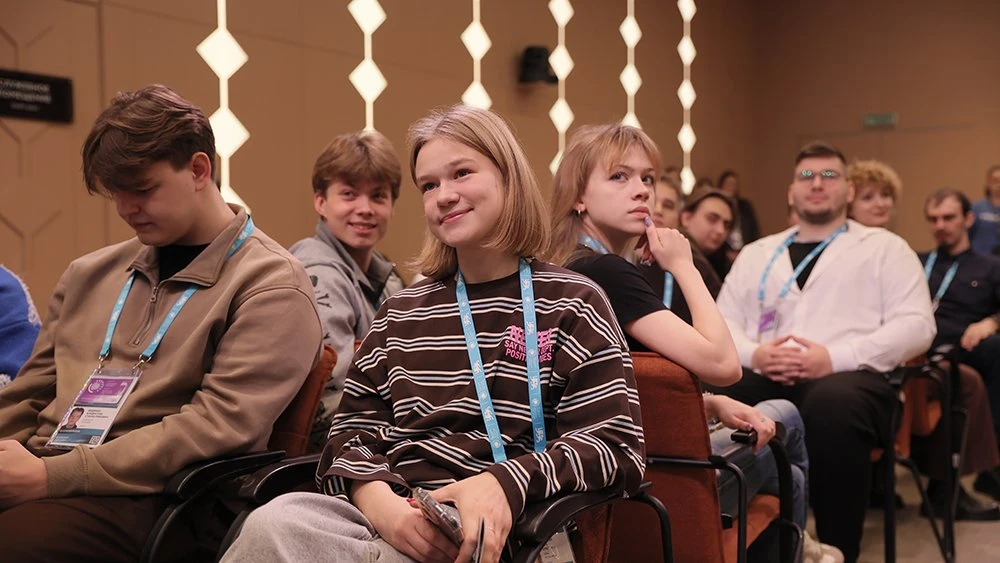
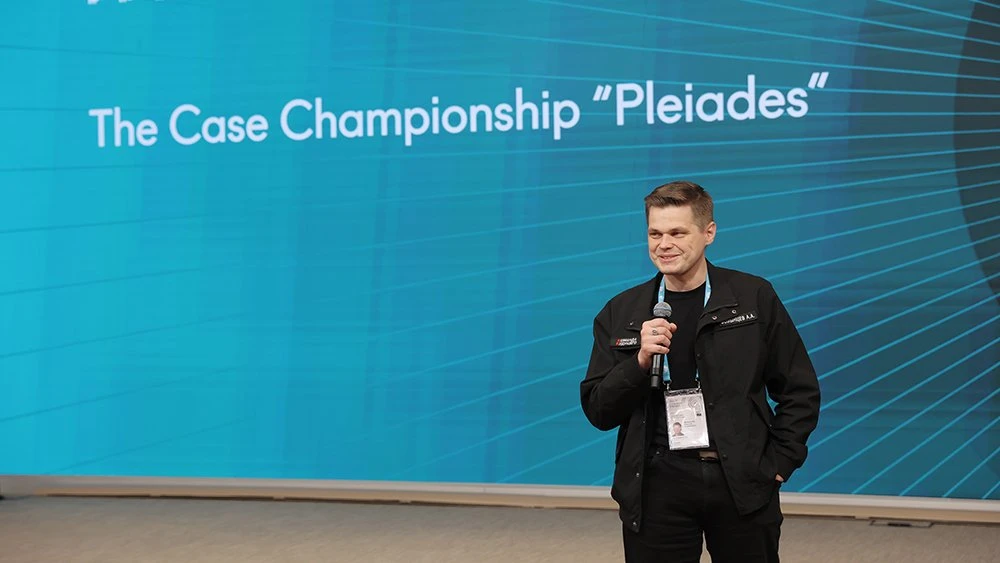
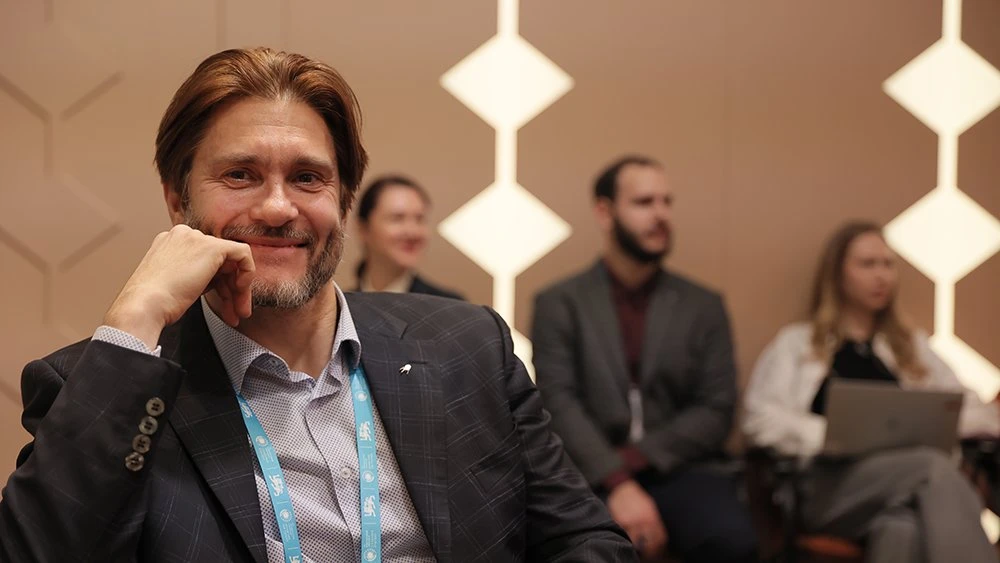
The championship brought together second- to fifth-year students studying aerospace, engineering, physics and mathematics at leading Russian universities — Lomonosov Moscow State University, Bauman Moscow State Technical University, Moscow Aviation Institute and the Moscow Institute of Physics and Technology. The event was opened by Andrei Volyntsev, Lead Head of the Corporate Culture Development and Social Programmes Department within the integrated group of JSC "Russian Space Systems".
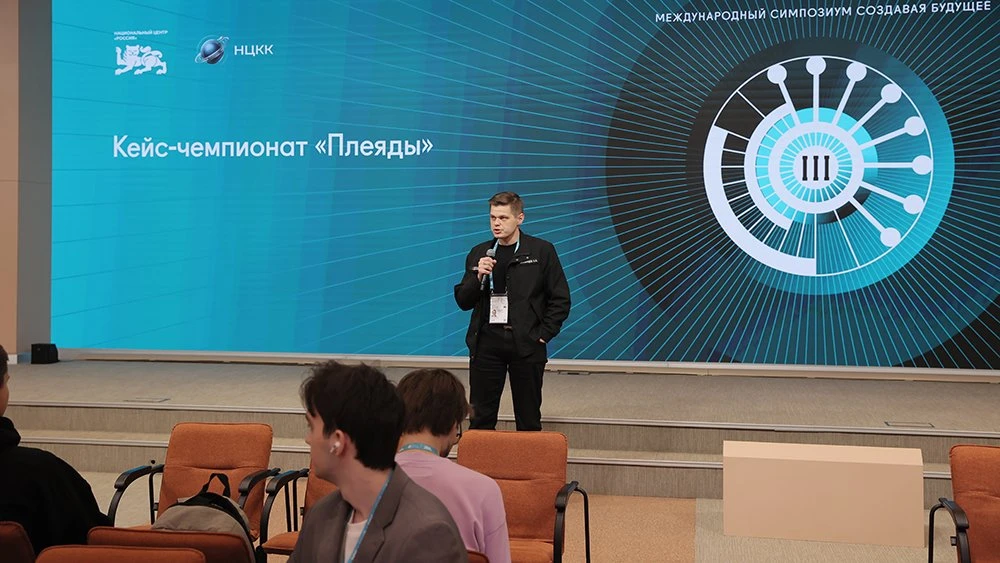
"Today you'll tackle real cases set by leaders in the space industry. Solving them will give you practical experience that will form the foundation of your professional skills. Keep your team spirit and take responsibility for the tasks you're given," he told the participants.
The "Pleiades" Case Championship focused on practical problems faced by programmers, engineers, data analysts and specialists in AI, robotics, satellite services, materials, navigation and systems design. The cases were provided by industry experts from the "Kaysant" Research and Production Association and JSC "Russian Space Systems".
"Over 17 years in the industry, I've developed dozens of instruments for the ISS and the Arctic, so I know from experience that you really grow when you take on unfamiliar, difficult projects. So if your case seems easy, you're in luck. And if you find it difficult, count yourself very lucky. It means you'll push beyond your limits today," noted Andrei Volyntsev.
Participants put their skills to the test in key areas of the space industry, from processing satellite data to designing missions. They worked on a lunar vehicle for studying regolith, built a smart platform for assessing infrastructure assets and designed a digital twin of a satellite constellation. Other tasks included developing a comprehensive system for assessing the condition of an area and conducting social research to help bring a space industry product to market.
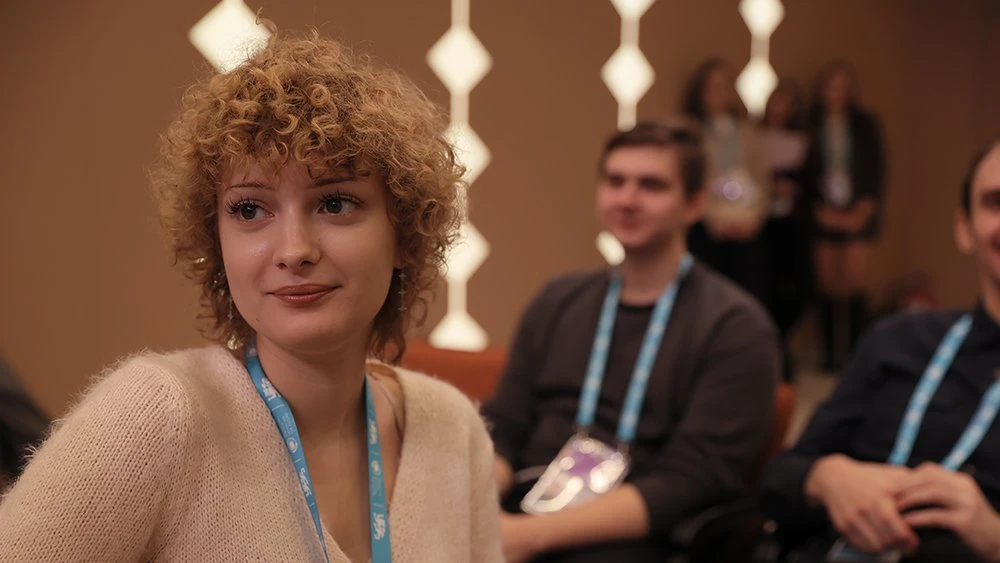
"I came away with nothing but positive impressions. Tackling real-world cases with limited time and resources was a great challenge. Working with experienced industry experts was a big plus. The main thing I learnt was that with a team you can rely on, you can produce a genuinely great project even under the tightest deadline," said championship winner Mikhail Gulyagin, a first-year master's student at Bauman Moscow State Technical University.
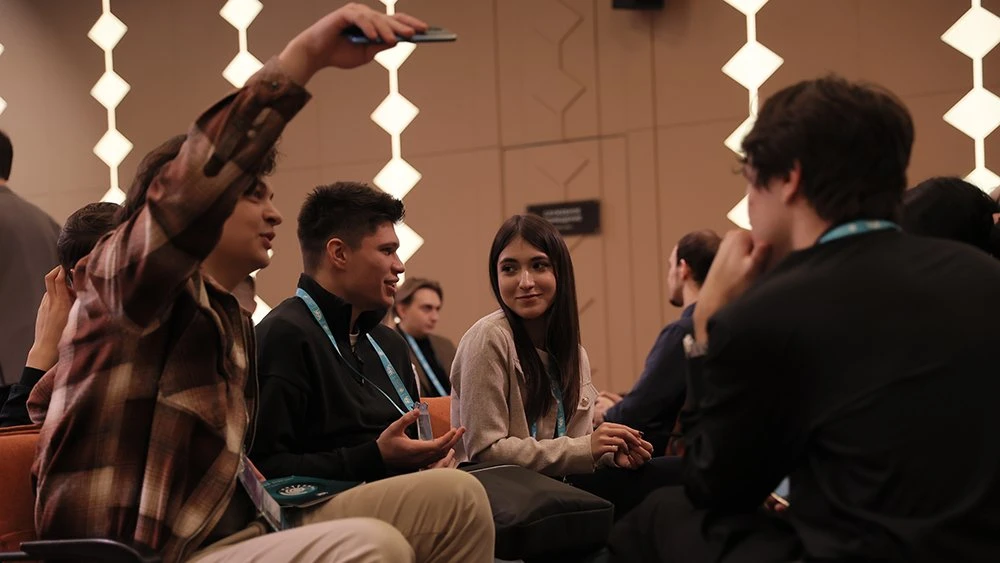
The best ideas from the championship will be developed further and used in real-world programmes. The students' solutions showed that the space industry is becoming a viable career path for young engineers and developers. The experts also singled out the most active and promising team members, who will be invited to undertake placements at their companies.
The III International Symposium "Inventing the Future" was held on 12–13 November at the National Centre RUSSIA and brought together more than 8,000 participants from 109 countries. The event was organised at the direction of the President of the Russian Federation, Vladimir Putin, under the auspices of the Decade of Science and Technology, with the support of the Russian Ministry of Foreign Affairs and the Ministry of Science and Higher Education.
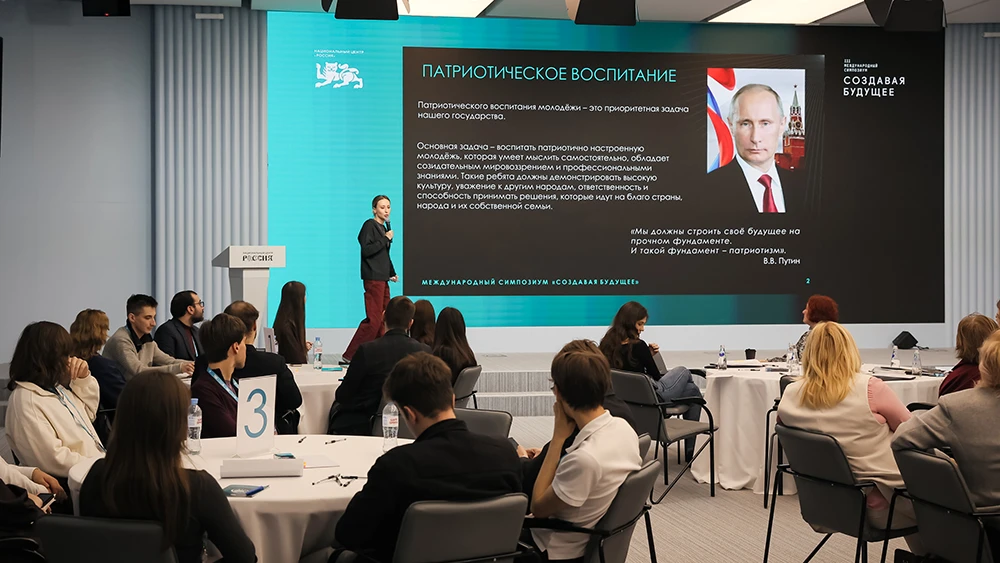
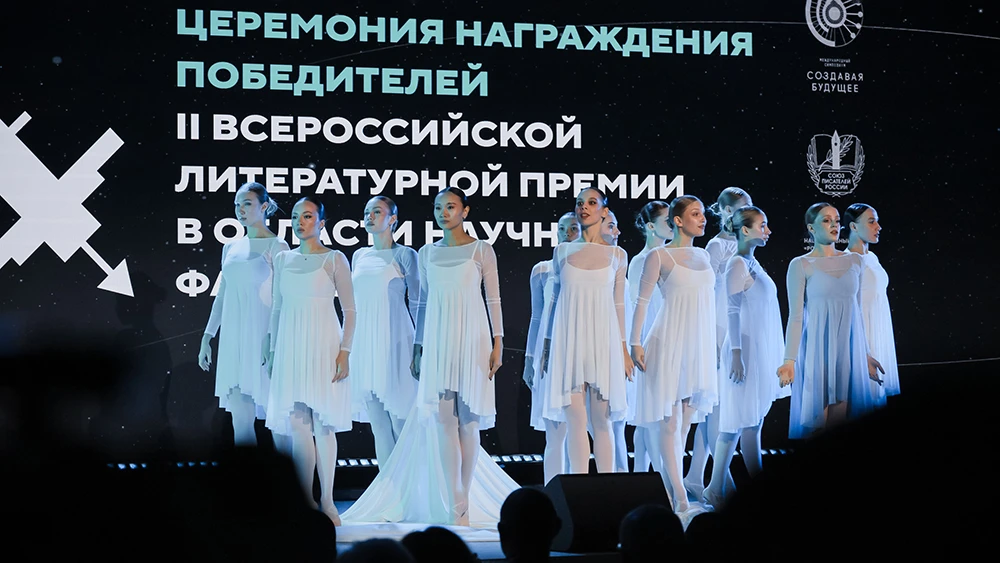
Writers were honoured on 13 November at the III International Symposium "Inventing the Future" at the National Centre RUSSIA.


