


"Sofiko's Challenge" at the "Inventing the Future" Symposium: how science and art create something new
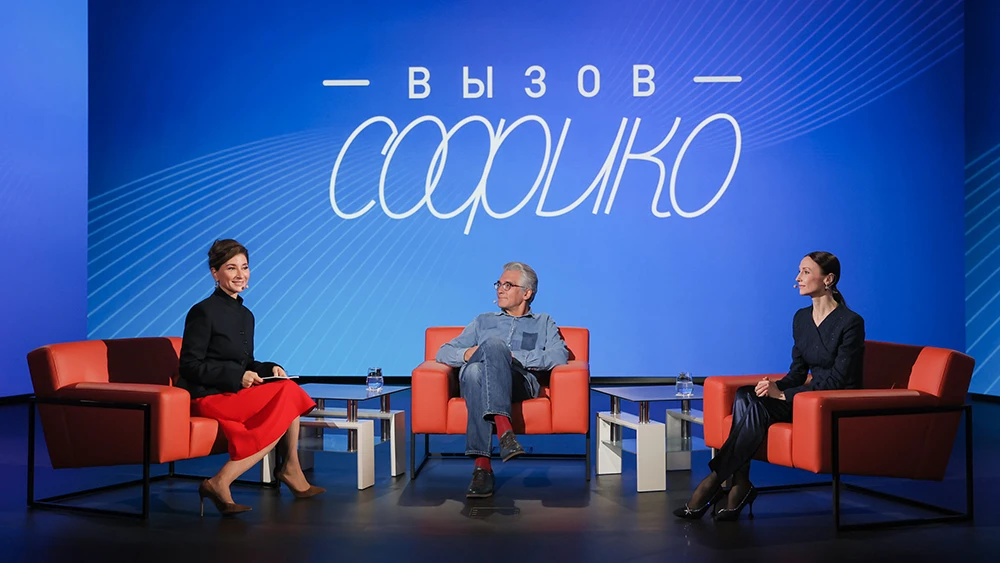
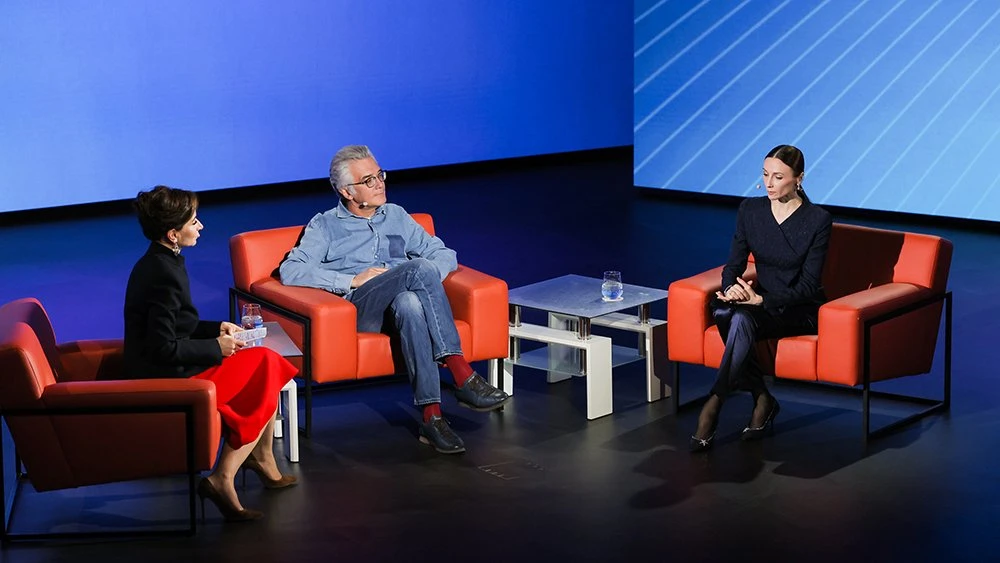
The guests on the latest episode of journalist, television presenter, producer and programme creator Sofiko Shevardnadze's quiz show discussed whether humans can attain perfection and whether it is appropriate to try to clone exceptional individuals. The experts discussed the role of hard work, the power of personal choice, the ability to find one's own path and what people might be capable of in the future. The event was held on 13 November at the National Centre RUSSIA as part of the III International Symposium "Inventing the Future". It was co-organised by the "Challenge" Foundation for the Development of Scientific and Cultural Relations.
The discussion brought together Svetlana Zakharova, a ballet dancer, prima ballerina at the Bolshoi Theatre, Rector of the Moscow State Academy of Choreography, étoile at La Scala in Milan and People's Artist of Russia, and Konstantin Severinov, Scientific Director of the "100,000+Me" National Genetic Initiative, Director of the Graduate School of Biological Engineering at the Moscow Institute of Physics and Technology, Doctor of Biological Sciences and Professor.
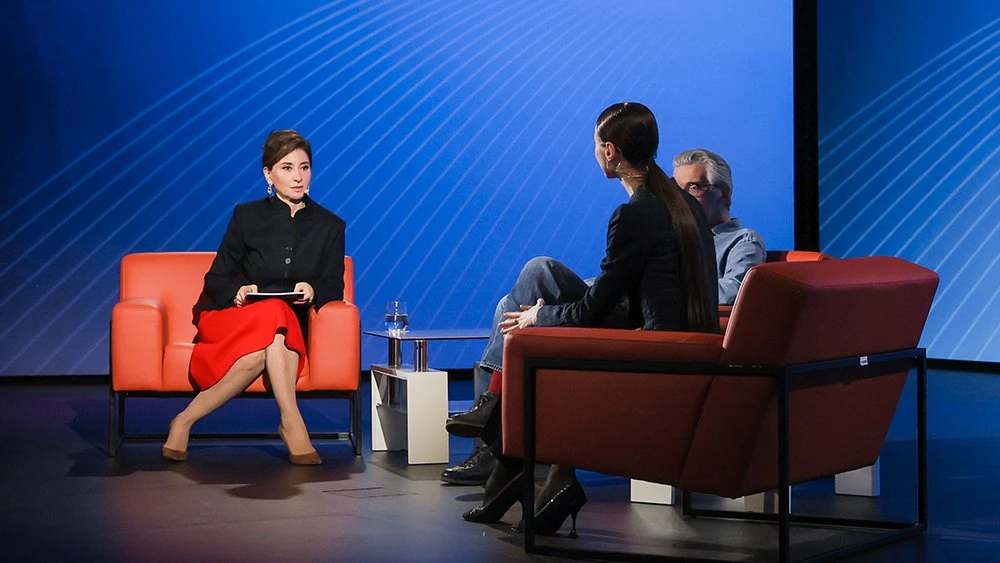
Together with Sofiko Shevardnadze, the guests explored how much of our lives is predetermined, whether we can overcome innate limitations, how to recognise our own talents and why hard work can make up for a disadvantage at the outset.
Svetlana Zakharova explained that ballet schools set fairly strict physical requirements for children applying for a place. They often make exceptions when they see a genuinely talented young dancer.
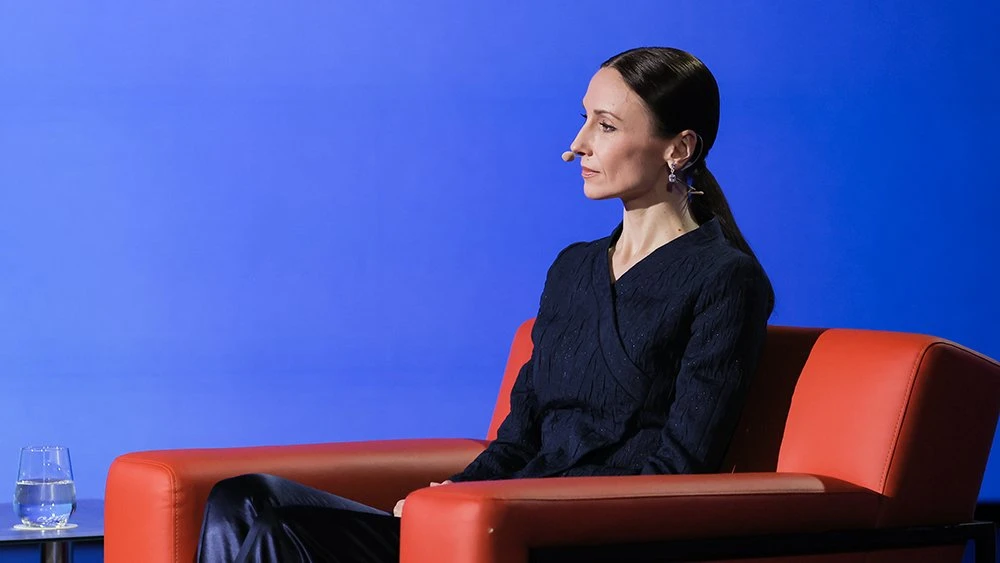
"Sometimes a child isn't the right height or falls short of ballet standards in some other way, but they're already an artist in the making. Their eyes light up, they're open-hearted and others start to gravitate towards them. In that case, all the rules take a back seat. Experience shows that physical attributes can be worked on and corrected — the arch of the foot, the ability to stretch and overall flexibility. We have the techniques to do that. What matters is that the dancer has the desire and the will. Nothing is stronger than human will," noted the ballerina.
According to Konstantin Severinov, genetic factors matter, but they are unpredictable. At the current stage of scientific development, there is therefore little point in trying to work out a particular set of "winning" genes for a child. Far more important are the child's upbringing and the environment in which they grow up.
"Essentially, all of life is genetic roulette. Every time parents have children, they 'roll the dice' — millions of genes from the father and mother are shuffled in a particular way, half from Mum and half from Dad. As a result, even full siblings have completely different genetic make-ups. Children in the same family also have very different inclinations, even though they have the same parents. That's why the idea of cloning exceptional individuals is doomed to fail — even if the child's genetic material is identical to the original, they'll grow up in different circumstances, surrounded by different people, and become a different person," explained the scientist.
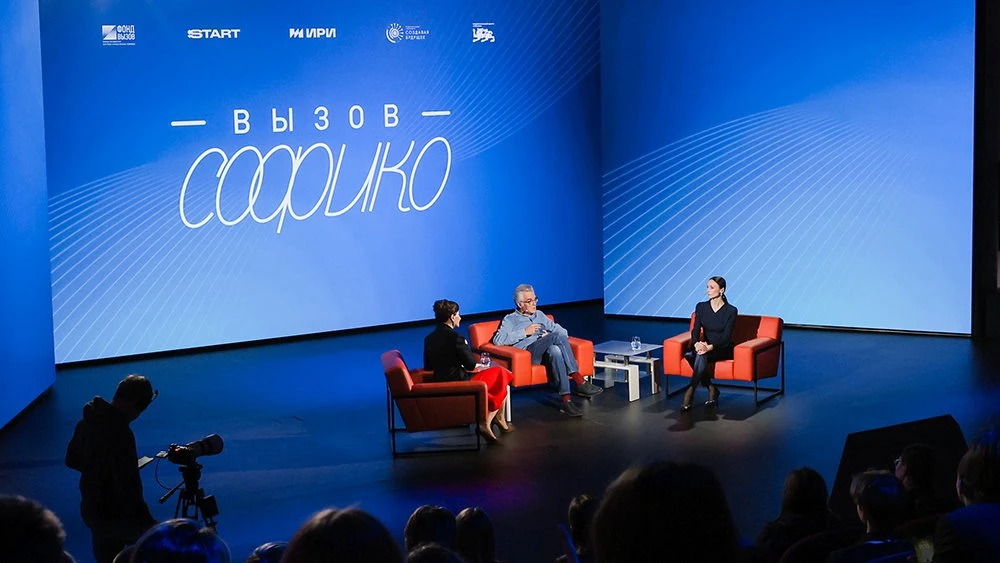
The guests also discussed what people might be capable of in the future. Reflecting on how classical ballet and people's physical abilities might develop, Svetlana Zakharova noted that life keeps opening up new possibilities. New generations of dancers and choreographers are already bringing a completely new energy to familiar works, including the classics. Konstantin Severinov stressed that however far science advances, people will remain who they are — they will differ from one another, and no one will be able to make them conform to a single ideal. What will inevitably change is the very idea of the ideal people aspire to.
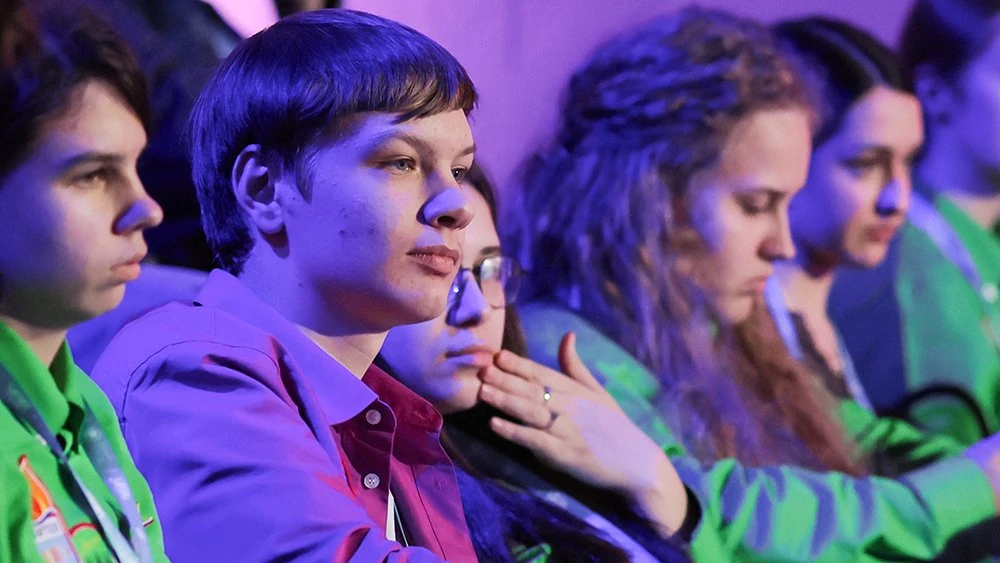
The III International Symposium "Inventing the Future" was held on 12–13 November at the National Centre RUSSIA and brought together more than 8,000 participants from 109 countries. The event was organised at the direction of the President of the Russian Federation, Vladimir Putin, under the auspices of the Decade of Science and Technology, with the support of the Russian Ministry of Foreign Affairs and the Ministry of Science and Higher Education.
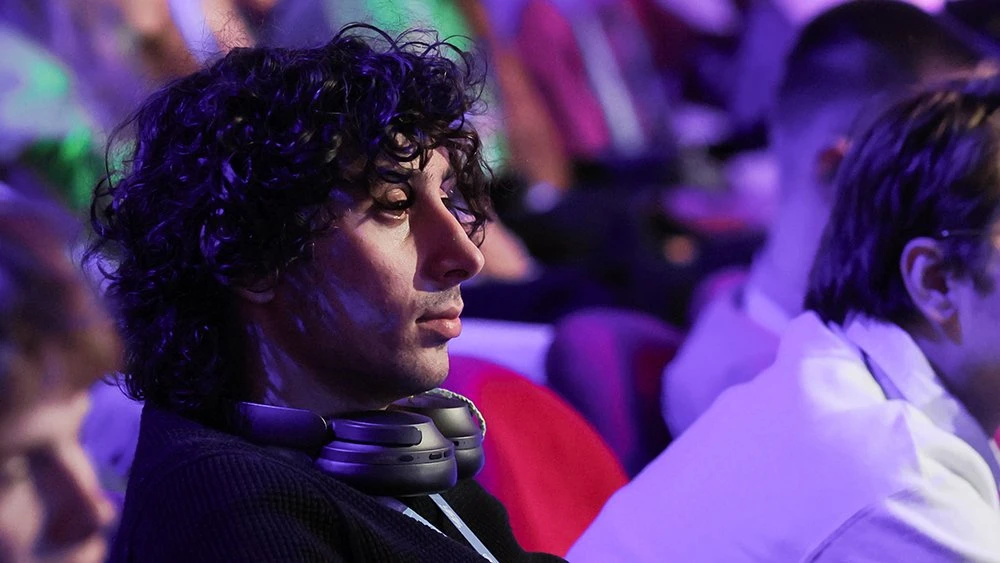
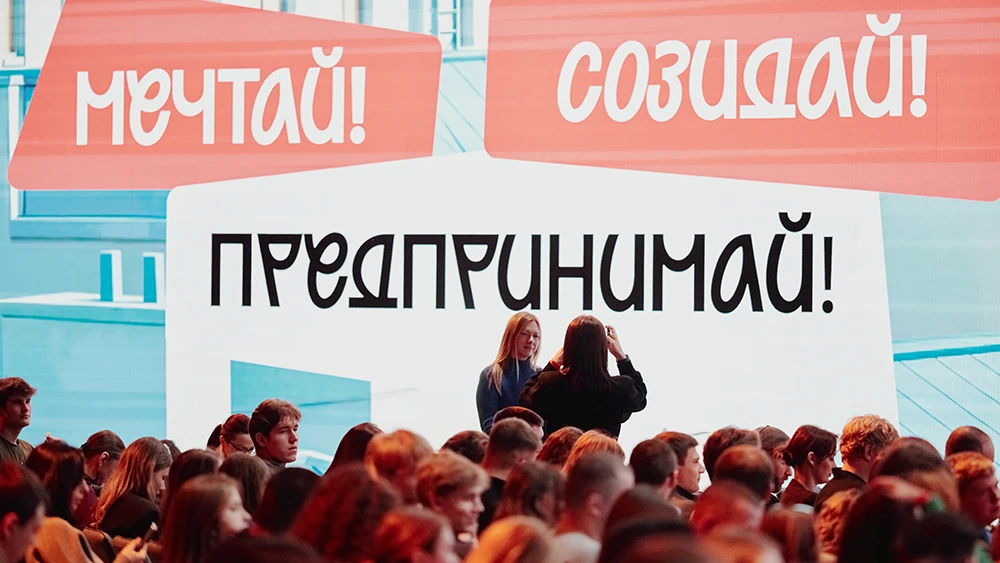
The All-Russian "Creators" Forum, organised by Rosmolodyozh.Undertake and Rosmolodyozh.Profi, was held on 14 November at the National Centre RUSSIA.
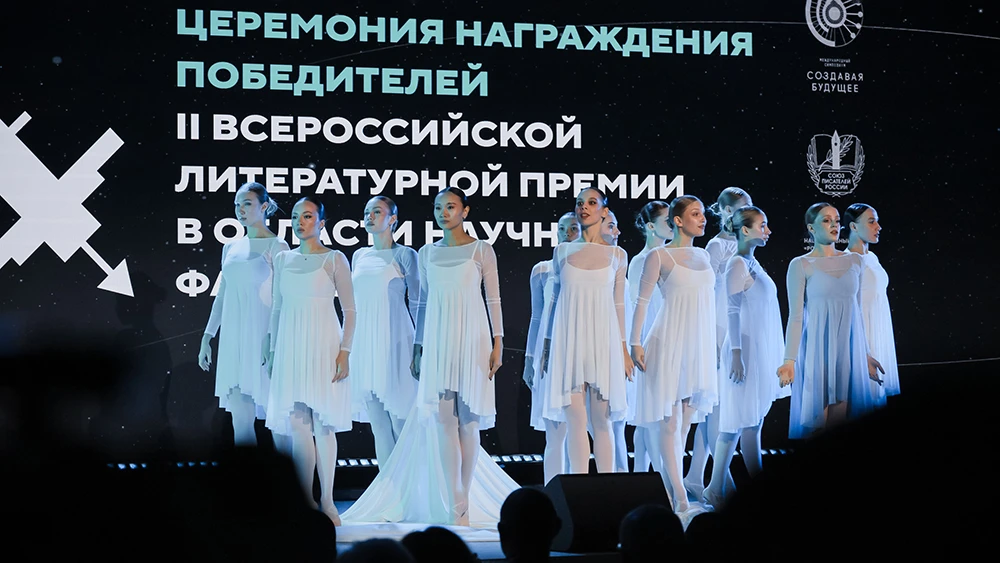
Writers were honoured on 13 November at the III International Symposium "Inventing the Future" at the National Centre RUSSIA.


