


How young people see Russia's future: experts discuss the question at Youth Day during "Peoples of Russia" Week
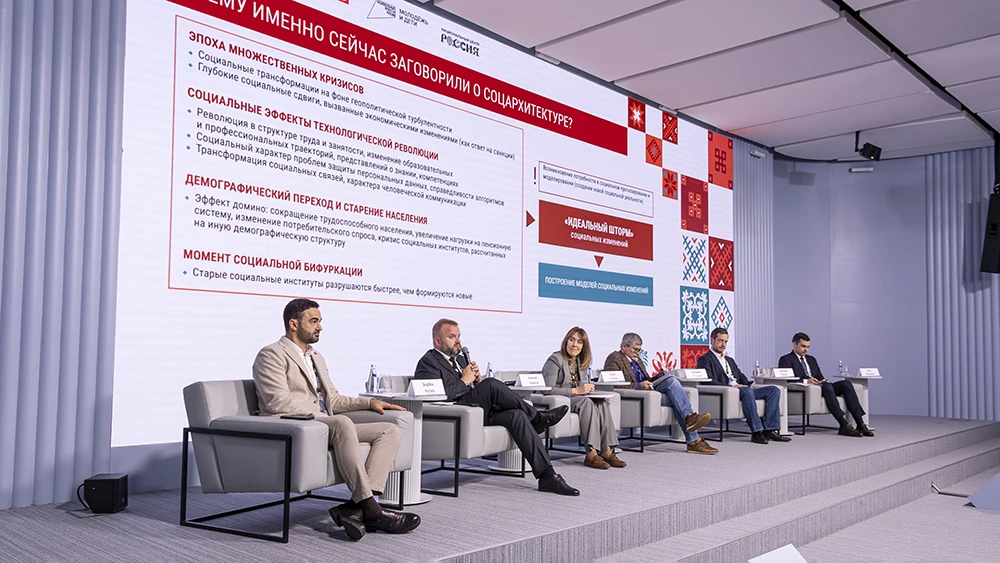
The round
table "Young People and the Vision of Russia's Future" was held on 7
November at the National Centre RUSSIA as part of Youth Day at International
Week "Peoples of Russia". It brought together more than 150
participants, including representatives of youth associations and political
parties, young civil servants and professionals working in public and political
affairs. During the discussion, government representatives and sector experts
outlined a vision of Russia's future that would appeal to young people today
and discussed current ways of involving new generations in shaping that future
and making it a reality. The round table was organised by the Digoria Platform.
The
discussion explored how to establish lasting guiding principles to strengthen the
country amid geopolitical turbulence. Social architects, members of a new
profession, are now helping to give substance to this vision of the future. The
Deputy Head of the Presidential Directorate for Monitoring and Analysis of
Social Processes, Alexei Semyonov, discussed the foundations of social
architecture, what the work of these new specialists involves and the projects
they have carried out
"The
central premise of social architecture is that the future does not simply
happen. It can be designed. We can help shape it ourselves and decide where and
how we will live. A great deal depends on how actively we take part in that
process. A social architect is a responsible dreamer, and young people today
have a unique opportunity to dream, put forward bold ideas and bring them to
life," noted Alexei Semyonov.
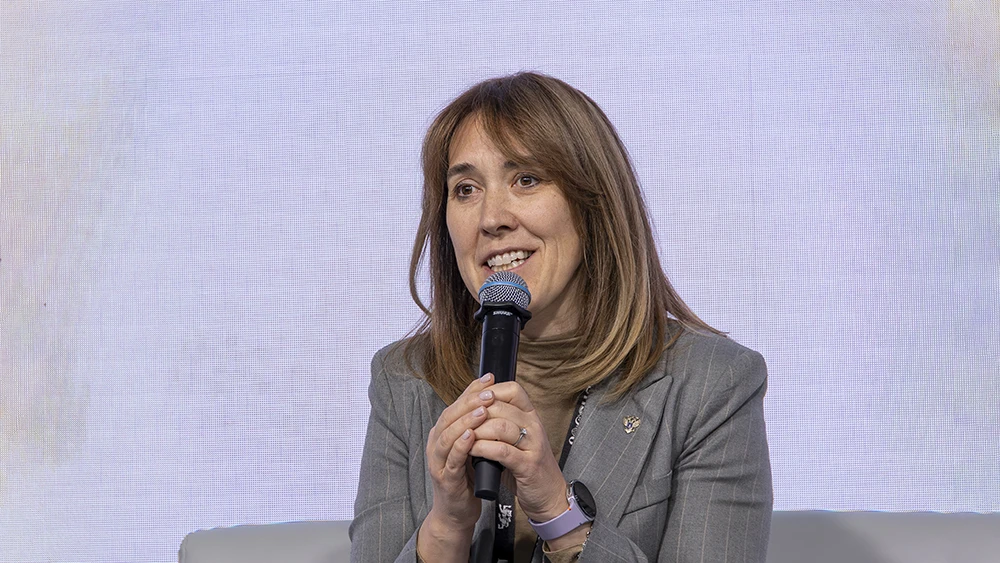
The Deputy
Minister of Science and Higher Education of the Russian Federation, Olga
Petrova, described the measures already helping young people contribute to the
country's development. She said that Russia is implementing national projects
and programmes to support student activity, running youth education centres and
carrying out projects to develop human capital and foster civic responsibility
among young people.
"As
state policy is put into practice, universities are increasingly taking an
active role in their own right. They create opportunities for students and
teaching staff to fulfil their potential, carry out their social mission, drive
local development and provide a place for initiatives that matter to society to
take shape and be put into practice. In this model, university leaders become
social architects, building an environment that supports personal development
in every aspect of university life," noted Olga Petrova.
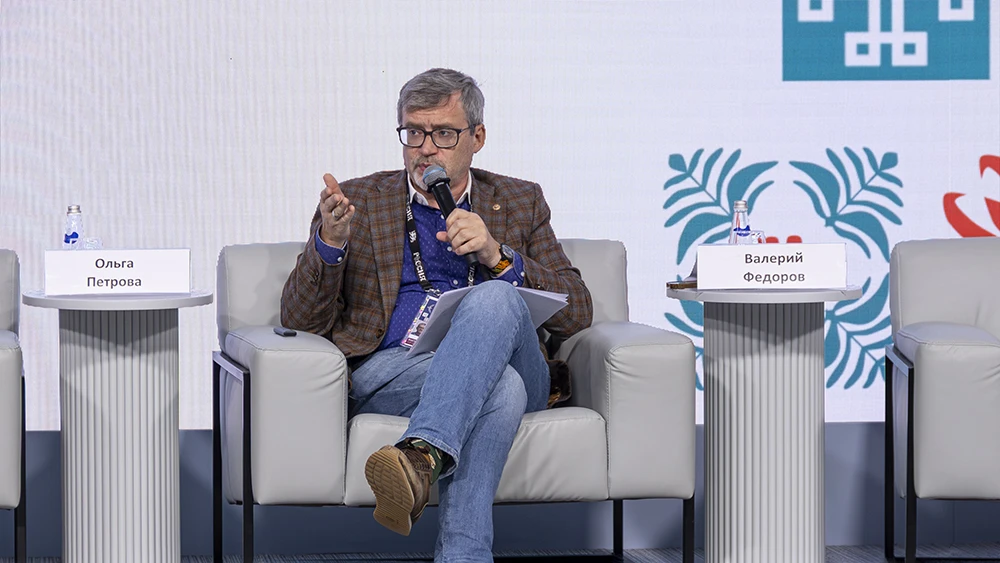
In times of
great uncertainty, the priorities of younger generations are particularly
liable to change. The Director General of the VCIOM Analytical Centre, Valery
Fedorov, discussed how closely the vision being developed for the future
reflects young people's needs.
"Some
43% of our fellow citizens agree that the country's future is fairly
predictable. But the younger people are, the less clear they are about the
direction the country will take, and the harder it is for them to plan their
own lives — where to study, where to look for work and when to start a
family."
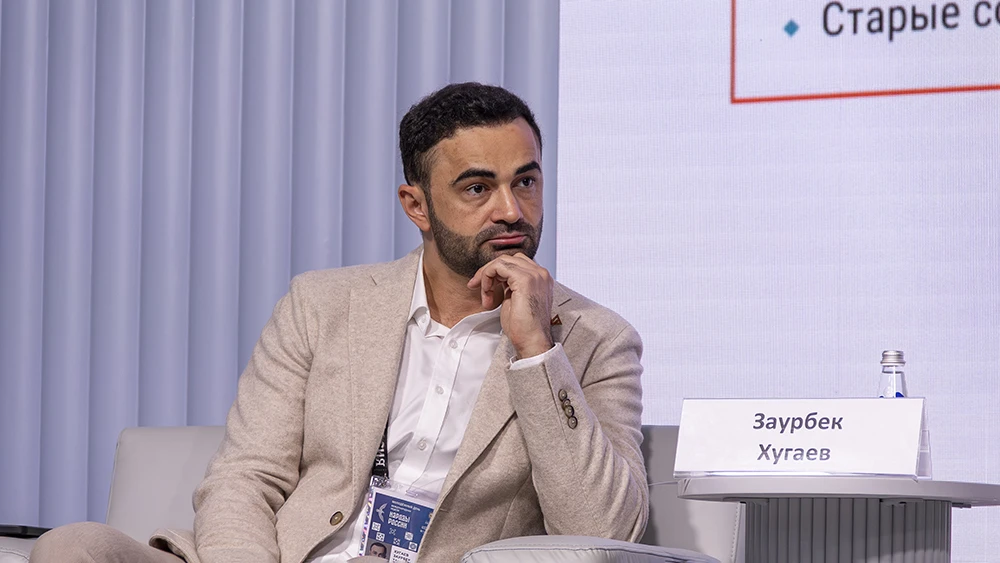
The Head of
the Digoria Platform, Zaurbek Khugayev, noted that understanding long-term
goals can help address challenges that are already beginning to emerge.
"What
concerns our young people most is how to fulfil their potential. We can see
that 75% of Russians understand how important it is to get a good education,
but only 11–13% take part in supplementary education. That tells us education
needs to continue throughout life, and Russia's leadership is responding to
this challenge in part through the national project 'Personnel', which offers
citizens free retraining programmes. Only a handful of countries in the world
offer such opportunities," said Zaurbek Khugayev.
The experts
also discussed the challenges facing youth policy today, including which gaps
still need to be addressed and how to pass on values effectively to new
generations. The Vice Rector of the National Research University Higher School
of Economics, Dmitry Zemtsov, addressed these issues.
"Some
things take time. An oak takes a hundred and fifty years to grow, a vineyard
takes decades, and a university takes more than a lifetime. If a social
architecture project is not designed to be carried forward for the next 20 to
100 years, it risks ending up like a fairytale where the frog is kissed but
never becomes a princess," emphasised Dmitry Zemtsov.
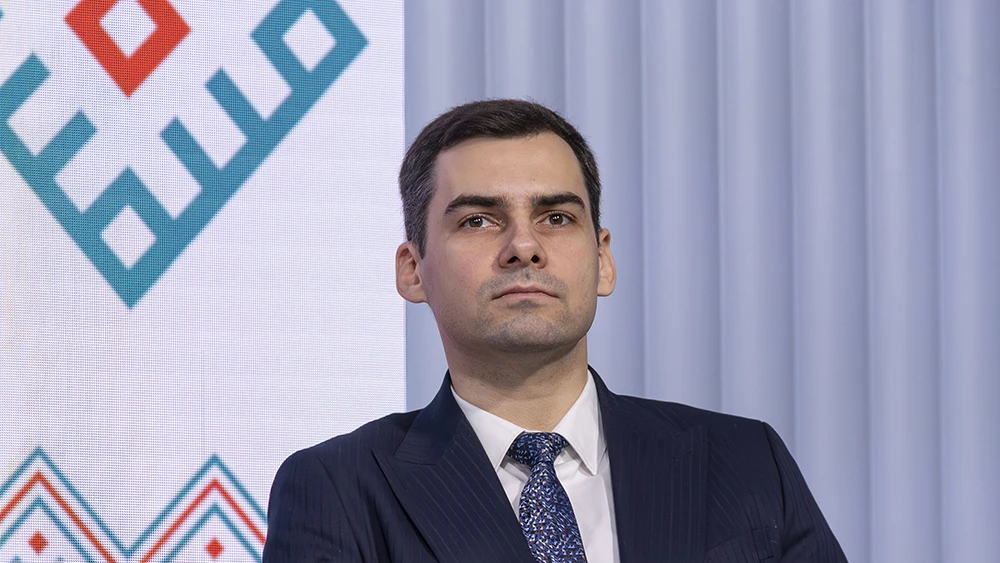
Participants
identified the main challenge as the gap between developing a vision of the
future and making it take root in the minds of people in the regions and
municipalities. Young state and municipal civil servants have a particularly
important role in closing that gap, noted Ivan Kalmykov, Rector of the
Autonomous Non-Profit Organisation for Continuing Professional Education
"KUPNO" and Head of the Year-Round Youth Education Centre
"GosStart".
"The
main barrier to further study is a lack of time. That is why we are developing
joint programmes across institutions. When someone with a specialist
qualification, for example in agricultural engineering or construction, adds a
master's degree in state and municipal administration, they become more
valuable on the labour market and improve their chances of career
advancement," said Ivan Kalmykov.
International
Week is held annually in accordance with Presidential Executive Order No. 382
of 1 June 2026, which declared 2026 the Year of Unity of the Peoples of Russia.
Its central theme is "Solidarity Among States Through the Unity of Peoples
and Traditional Values". The Security Council Staff of the Russian
Federation coordinates the events of International Week. The Roscongress
Foundation is the operator. Youth Day at International Week "Peoples of
Russia" is organised by the Federal Agency for Youth Affairs
(Rosmolodyozh).
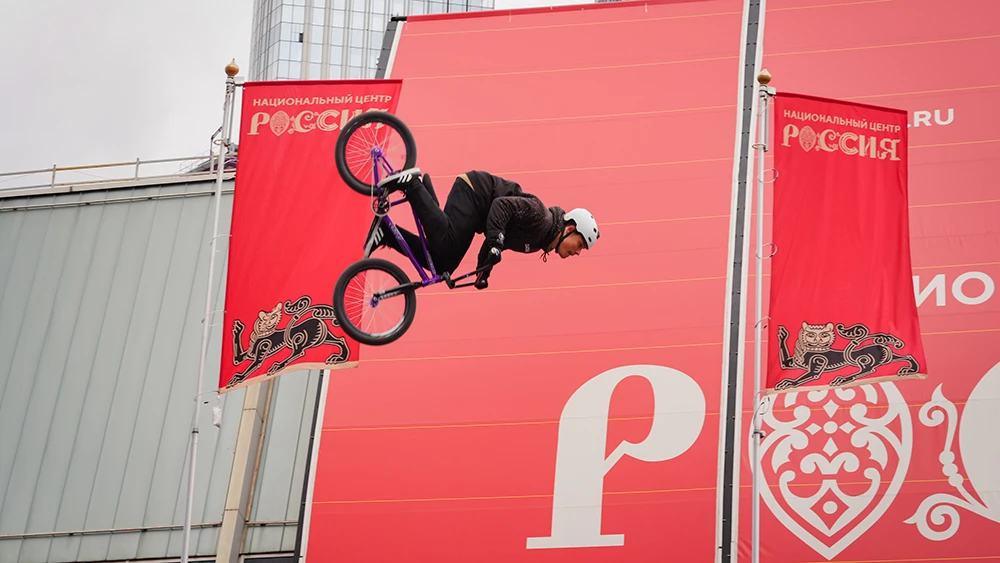
The outdoor area hosted the festival "809 — Our Cultural Code" as part of Youth Day at International Week "Peoples of Russia".
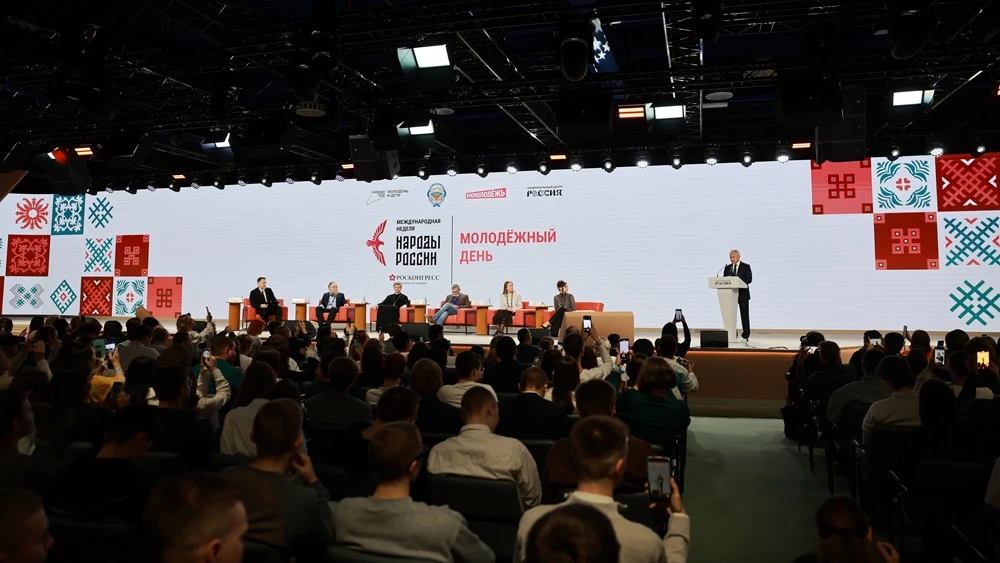
Youth Day at International Week "Peoples of Russia" was organised by Rosmolodyozh as part of the Year of Unity of the Peoples of Russia.
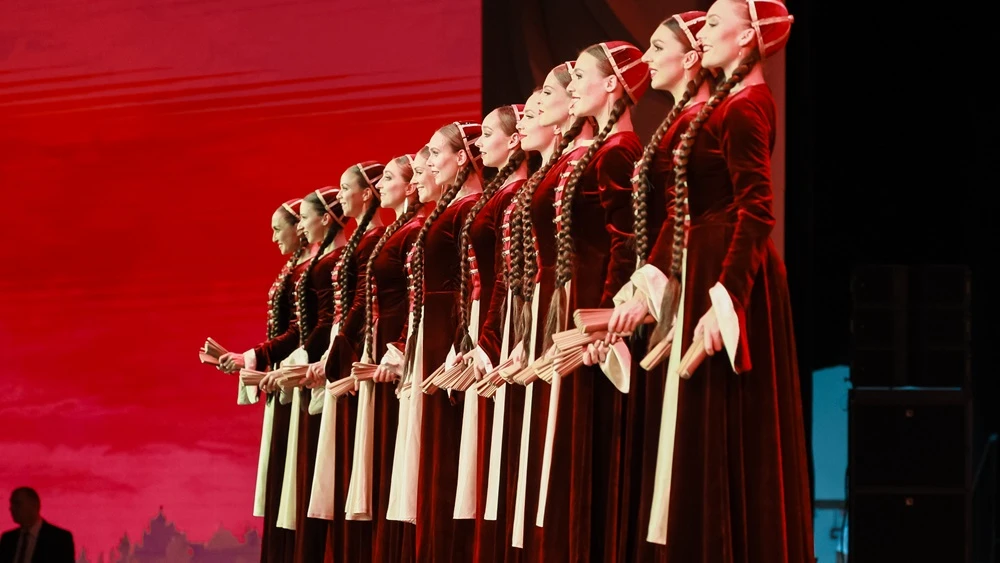
The audience saw vibrant performances that brought together folk traditions, expressive choreography and music from different countries.


