


Stone, braid and water: a performance about cultural memory and the connection between generations was shown at the IET presentation in Zaraysk
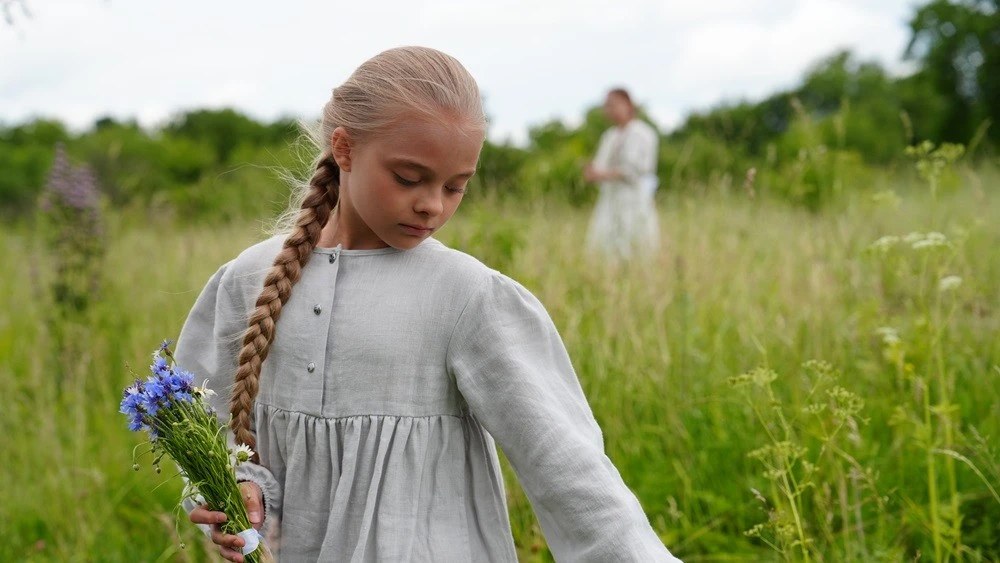
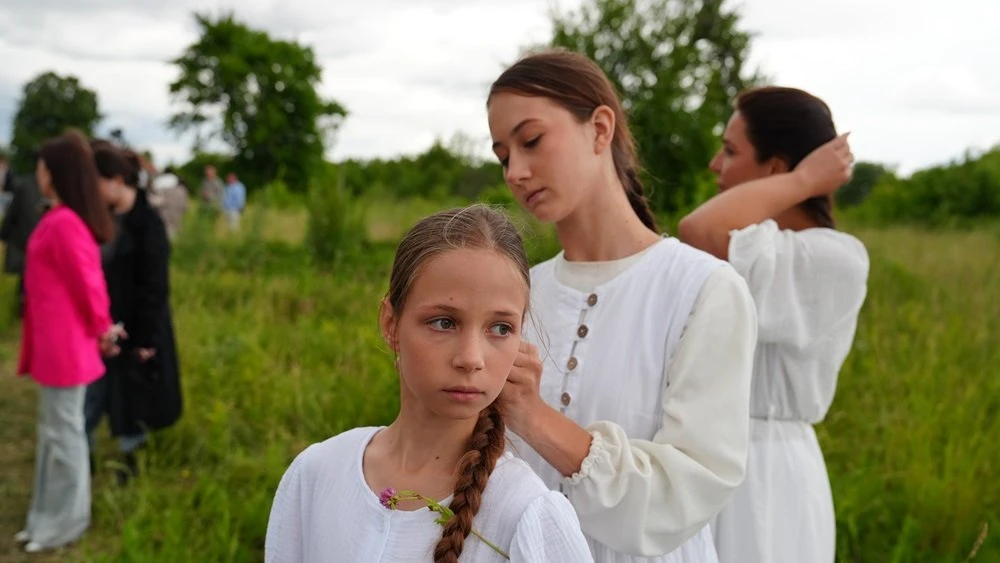
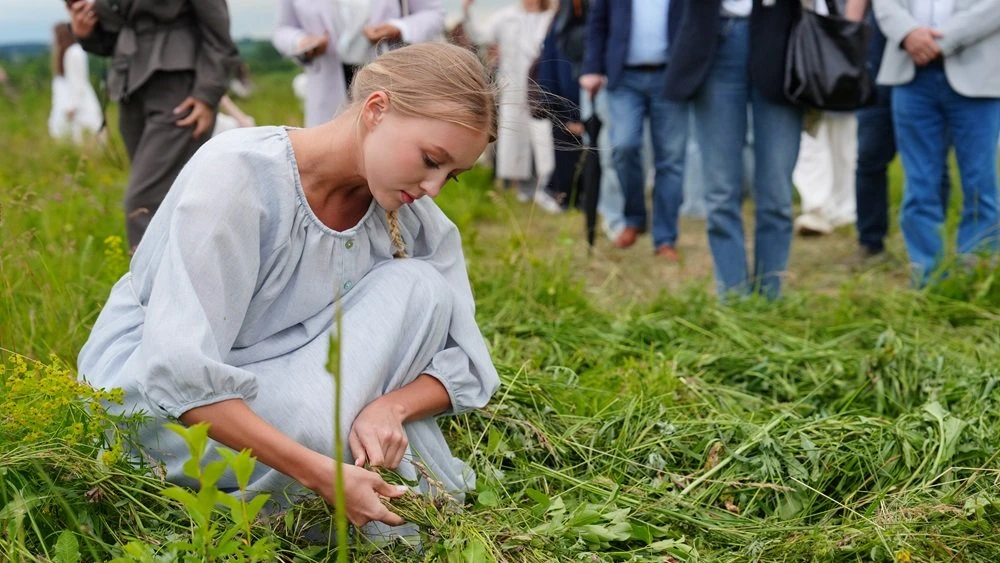
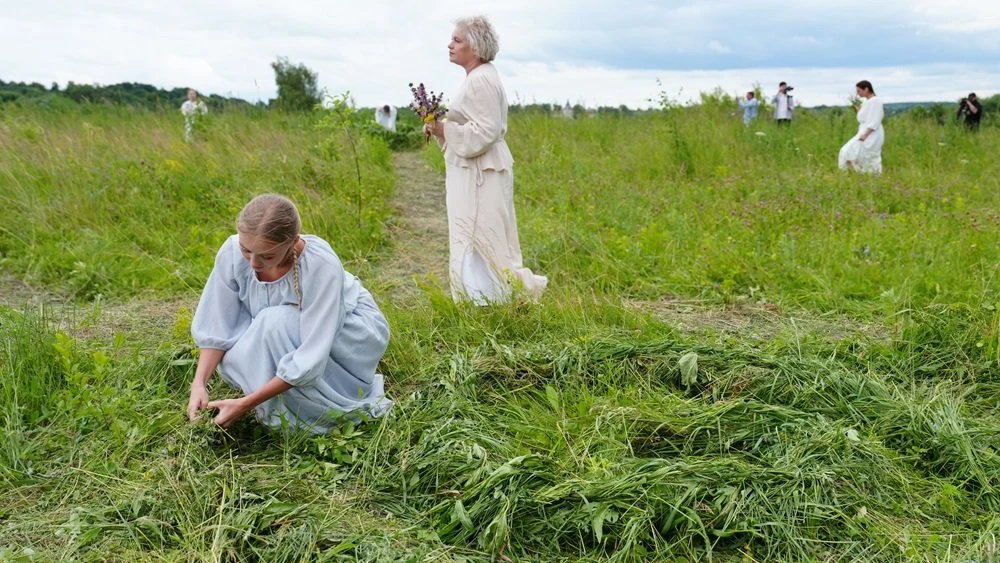
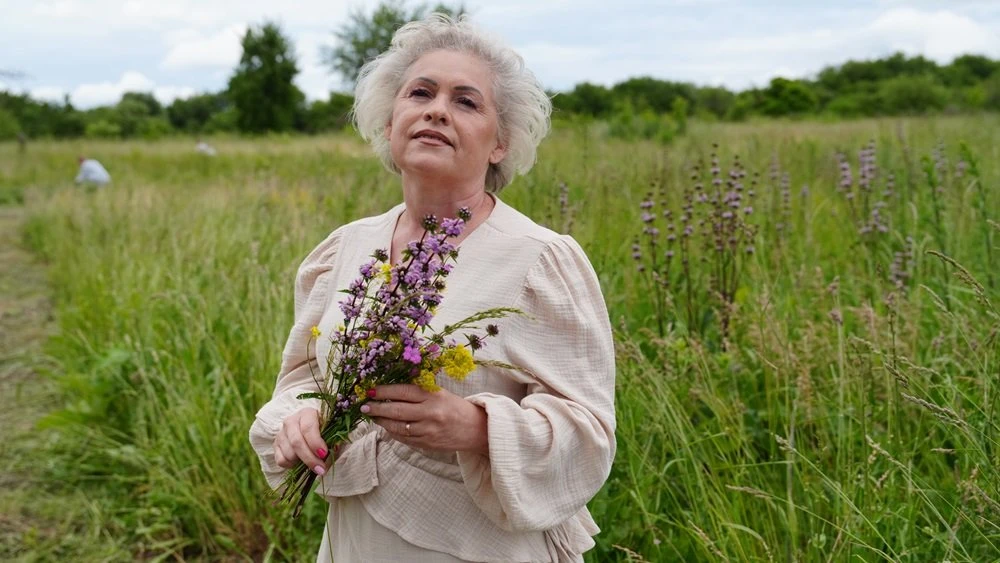
The performance "Fabric of the Earth" was held in Zaraysk on 18 June at the presentation of the International Ethnographic Triennial "Filling the Gaps: A Poem of Encounters". Through three symbolic images — a braid, a stone and water — its participants of different ages and cultures used the language of art to tell the story of how memory is passed down between generations, how personal stories are woven into the shared fabric of family and place, and how the weight of the past becomes a foundation for the future.
The number five served as the central image running through the performance. It referred viewers to the five human senses, five directions of movement and the idea of different life experiences meeting. Five families in the performance became a symbol of millions of human destinies, which remain different but at the same time exist within a single space.
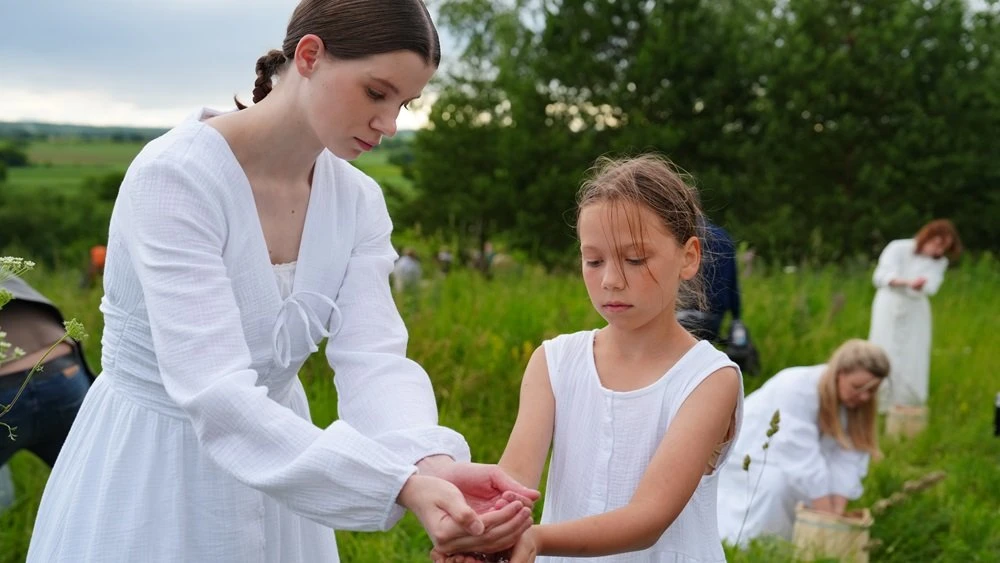
During the performance, five women of different ages and cultures braided field grasses. Separate stems were joined into a single whole, becoming a metaphor for unity, while the symbolic field was gradually covered with a fabric woven by the hands of several generations.
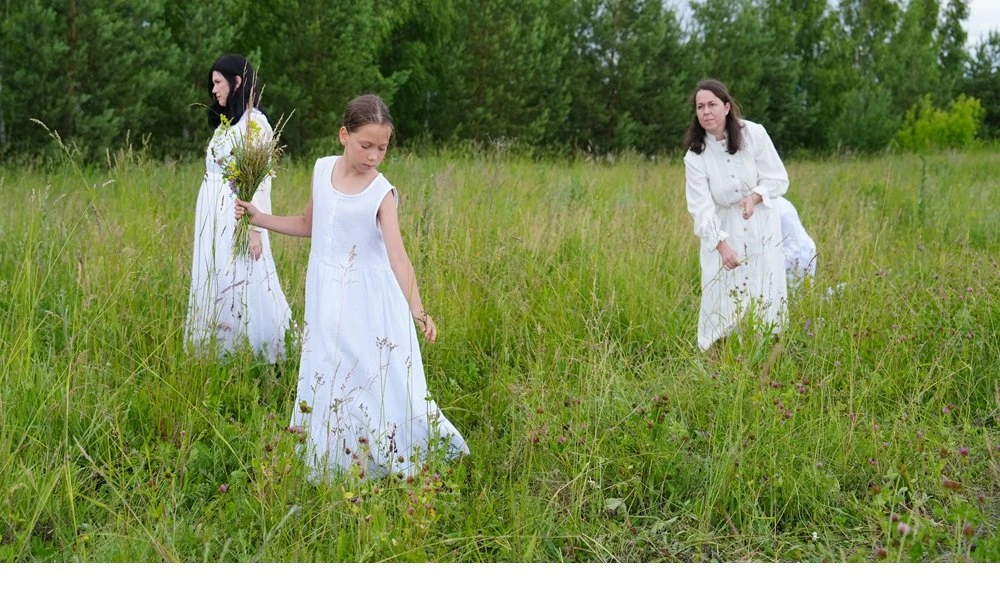
The second key image of the performance was a heavy stone. Passed from older generations to younger ones, it symbolised experience, responsibility and fate. In the finale, however, it gave way to a wreath of field flowers, serving as a reminder that any burden can turn into a valuable gift that opens up opportunities for the future.
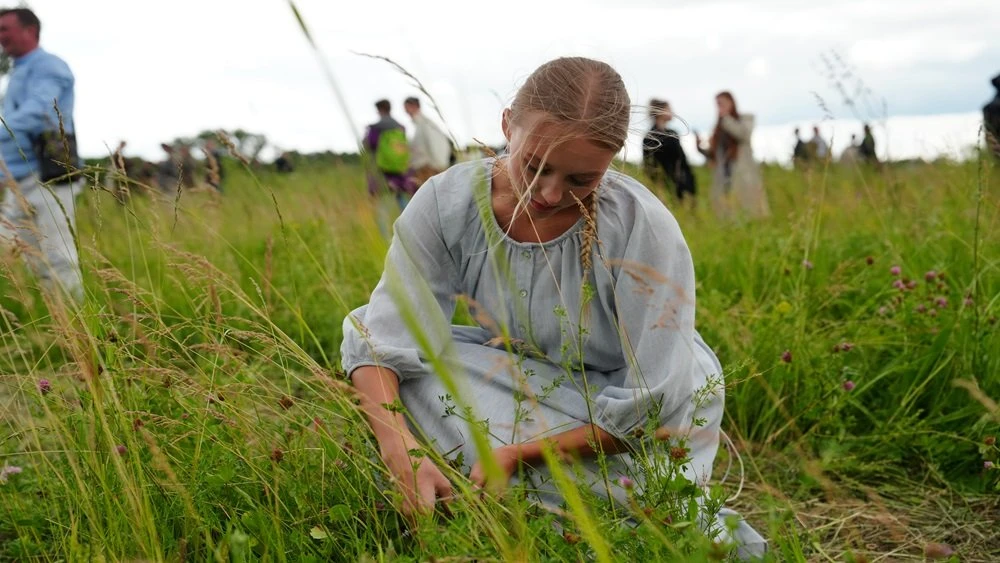
The final image of the performance — water held in the palms and passed from mother to daughter — led the participants to the White Well, one of the main sacred sites of Zaraysk. According to legend, it was here that the miraculous icon of Nicholas of Zaraysk was found in the 13th century, becoming the spiritual symbol of the town and shaping its later history. In this way, water was transformed from a gesture of care into a symbol of life, faith and collective memory.
The International Ethnographic Triennial "Filling the Gaps: A Poem of Encounters" is an author’s project of the National Centre RUSSIA at the intersection of anthropology, ethnography and contemporary art. Its press launch was held on 18 June in the town of Zaraysk in the Moscow Region.
The International Ethnographic Triennial is scheduled for 2030. In addition to the main exposition, the IET programme will include research expeditions, educational initiatives, field studies and international professional cooperation.
The results of this work will be presented gradually as part of IET TALK, a discussion and educational platform on the path towards the opening of the triennial. The first IET TALK meeting was already held during the project’s press launch and brought together researchers, museum specialists, curators, artists and experts for a conversation about cultural memory, legacy and the role of ethnography in the modern world.
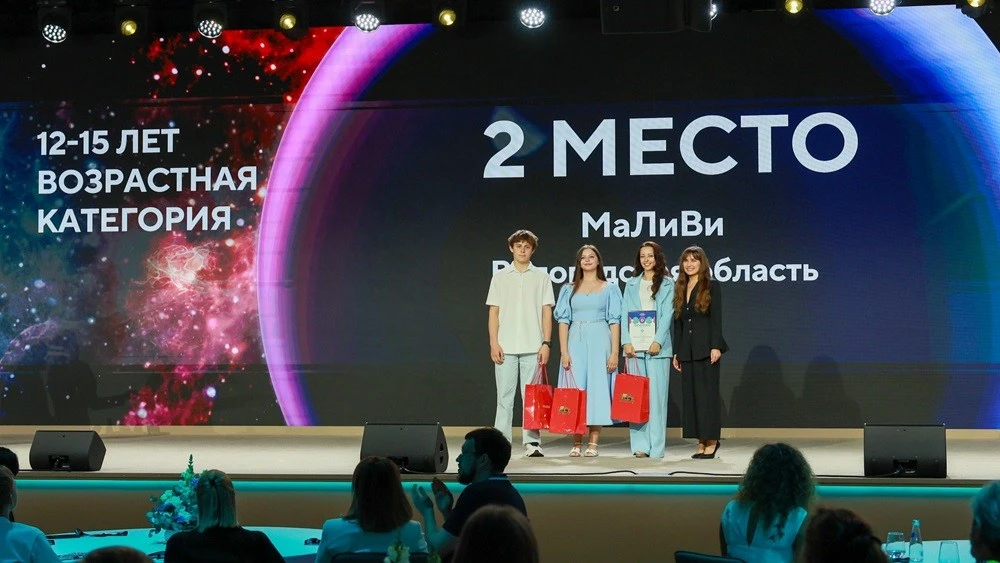
The contest "Dreams of the Future", organised by the National Centre RUSSIA, proved that it is not only philosophers and science fiction writers who know how to design tomorrow.
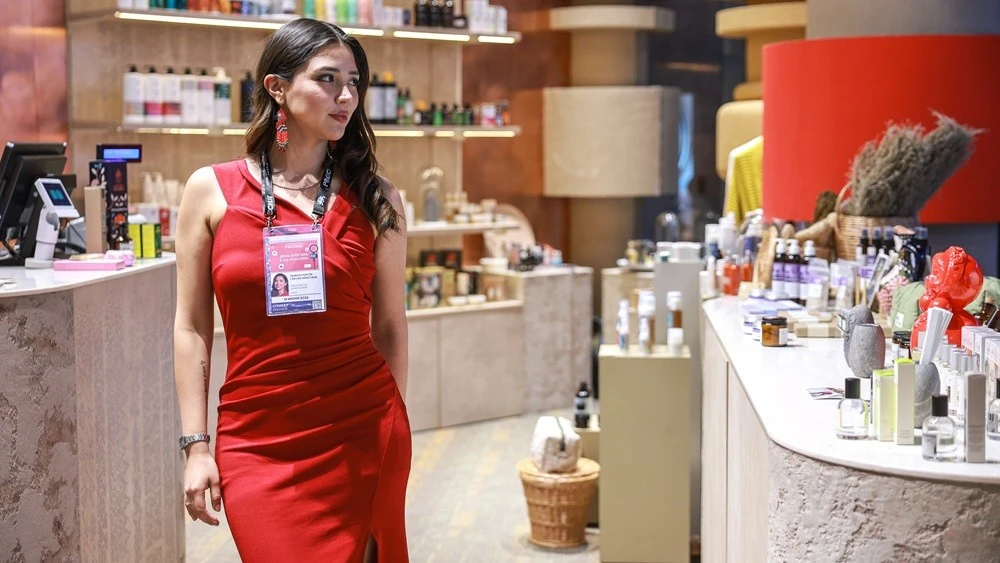
The National Centre RUSSIA is a place that shows the country’s multicultural nature.
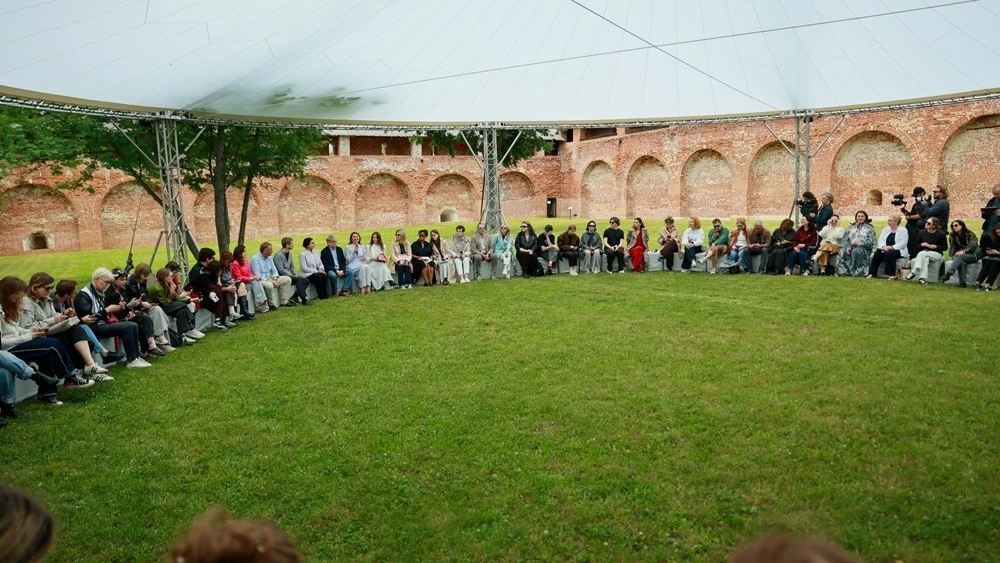
The first IET TALK, a discussion and educational platform of the International Ethnographic Triennial (IET), was held at the Zaraysk Kremlin.


