The National Centre RUSSIA held the first IET TALK as part of the launch of the International Ethnographic Triennial
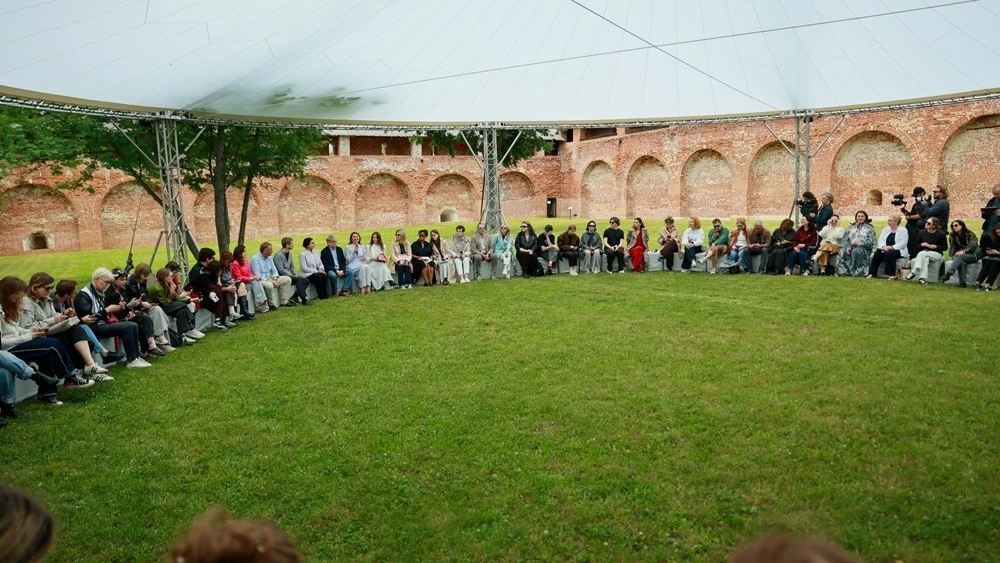
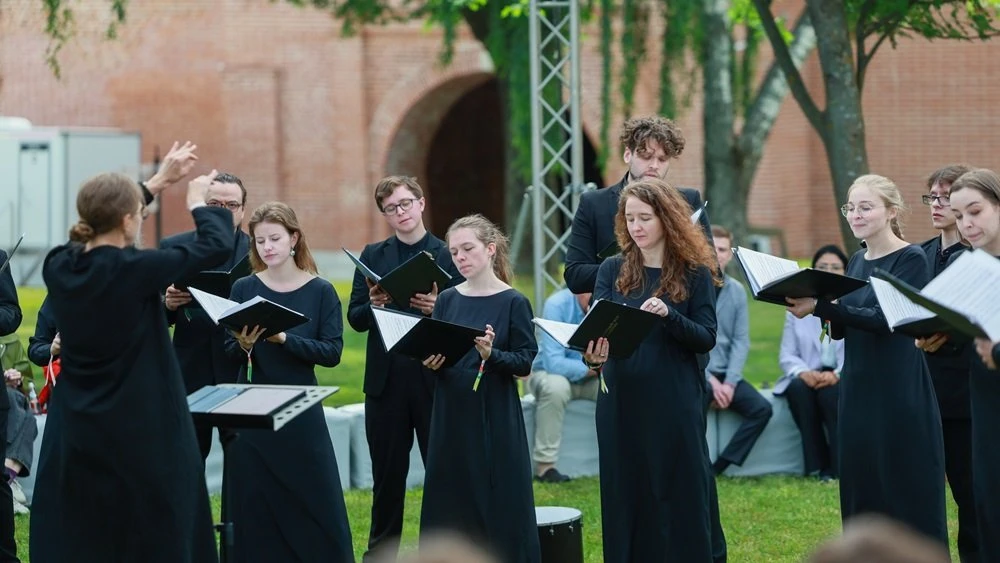
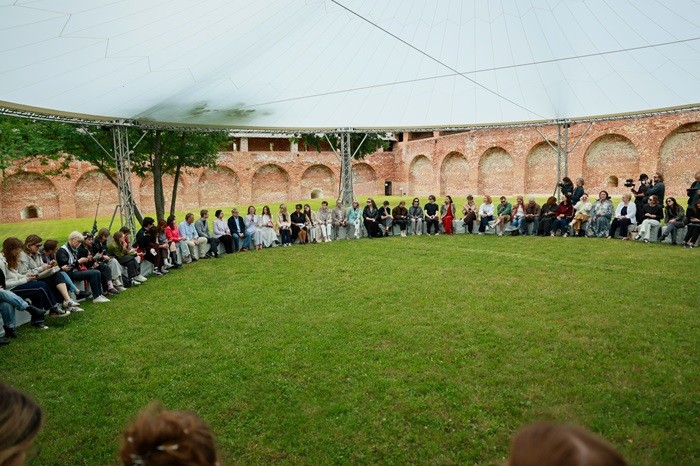
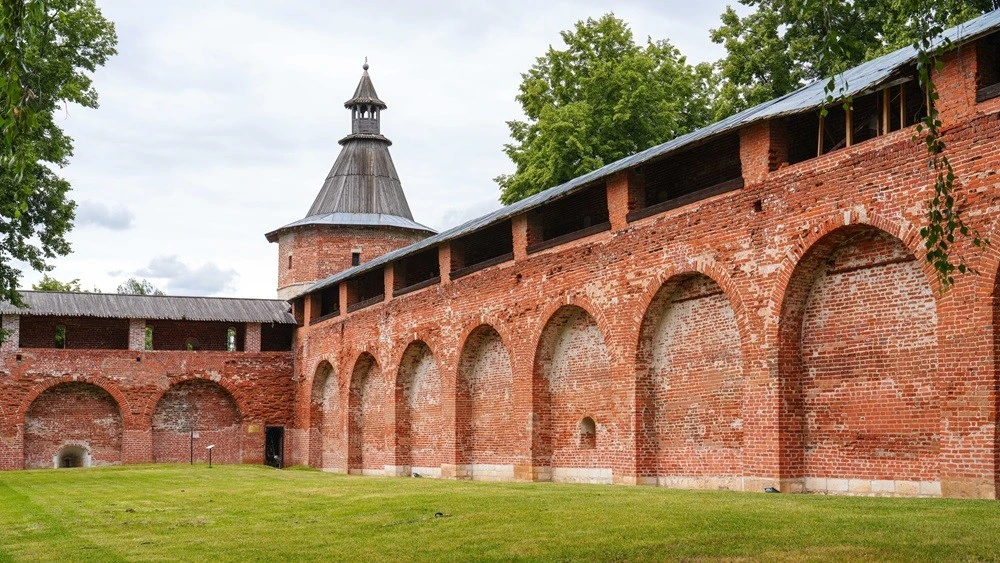
The first IET TALK, a discussion and educational platform of the International Ethnographic Triennial (IET), was held at the Zaraysk Kremlin. The meeting became part of the project’s press launch and brought together researchers, museum specialists, curators, artists and experts for a conversation about cultural memory, legacy and the role of ethnography in the modern world.
The Director General of the National Centre RUSSIA and Commissioner of the International Ethnographic Triennial, Natalia Virtuozova, spoke about the project’s objectives and the significance of the research stage, which will begin this summer. According to her, the triennial is intended to bring together different approaches to studying cultural legacy and create a space for reflecting on the past and future through art and science.
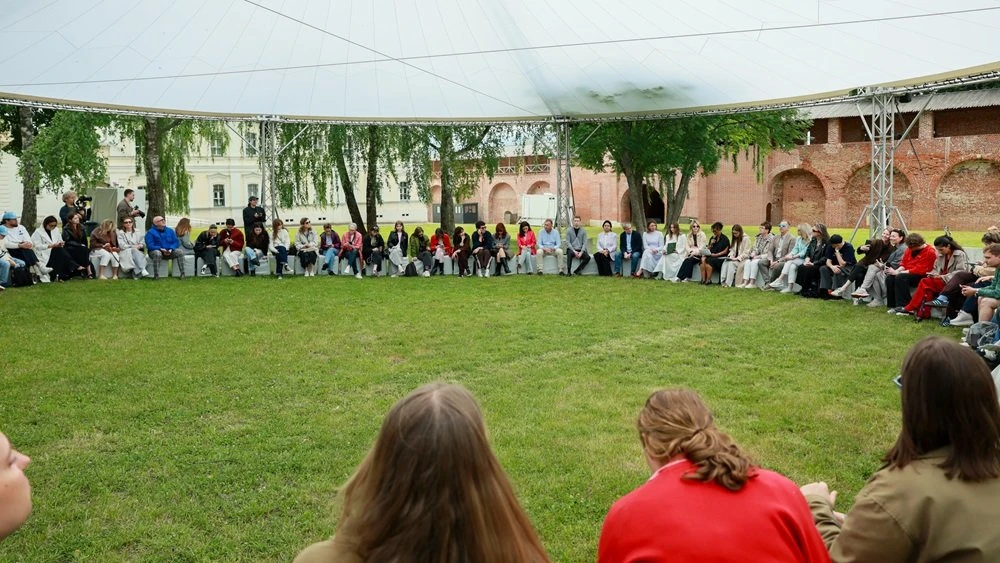
The Head of the Zaraysk Urban District, Viktor Petrushchenko, admitted that it was both unexpected and a great honour for the town to serve as the starting point of the International Ethnographic Triennial. According to him, Zaraysk, where the famous bison created 22,000 years ago was found during excavations, has once again become the centre of attention, this time as a venue for dialogue between art, science and cultural memory. He expressed hope that participation in the project would give the town a new impetus for development and attract even more visitors.
"We were very surprised and very pleased that the IET is starting in Zaraysk. The history of our town begins with the bison that was found on our territory: the excavations were carried out right here, within these walls. And the fact that today it is not just art workers who have gathered here, but people who are famous around the world, is a great joy and a great surprise for us. We hope that for the town this will become another step towards greater recognition, helping it develop and attract more tourists. This is very important for us today," Viktor Petrushchenko said. He expressed hope that participation in the project would give the town a new impetus for development and attract even more visitors.
During the discussion, the conversation also turned to Zaraysk itself, the town that became the project’s starting point. Kirill Kondratyev, Director of the Kolomna-Zaraysk State Museum-Reserve, spoke about the significance of the Zaraysk Upper Palaeolithic site and unique archaeological finds known far beyond Russia. In his speech, the speaker paid particular attention to the Palaeolithic "Venuses" and the Zaraysk bison, among the most significant monuments of prehistoric art.
"Imagine a line of a thousand generations: we are at one end, and at the other is the person who created this bison. We are all relatives and, very likely, descendants of the person who made it. Over a thousand generations, humanity moved from an appropriating economy to a producing one, built the pyramids and sent a human being into space. But it was then that an astonishing gift emerged in that person: talent, genius. Why do we call him the Zaraysk Michelangelo? He was not a resident of Zaraysk; the town did not exist then. But, like Michelangelo, he took a piece of mammoth tusk and a stone tool and, unlike his contemporaries, who made ordinary things, created a work of art. Thousands of years later, this genius continues to resonate through the Zaraysk land, through the work of the sculptor Anna Golubkina, who drew inspiration from folk art. It is precisely this density of meanings that brought the beginning of the International Ethnographic Triennial here, to the Zaraysk land. And I would very much like you, when entering the museum, to once again imagine that depth of time and the astonishing connection that each of us has with the person who created the bison," Kirill Kondratyev addressed those present.
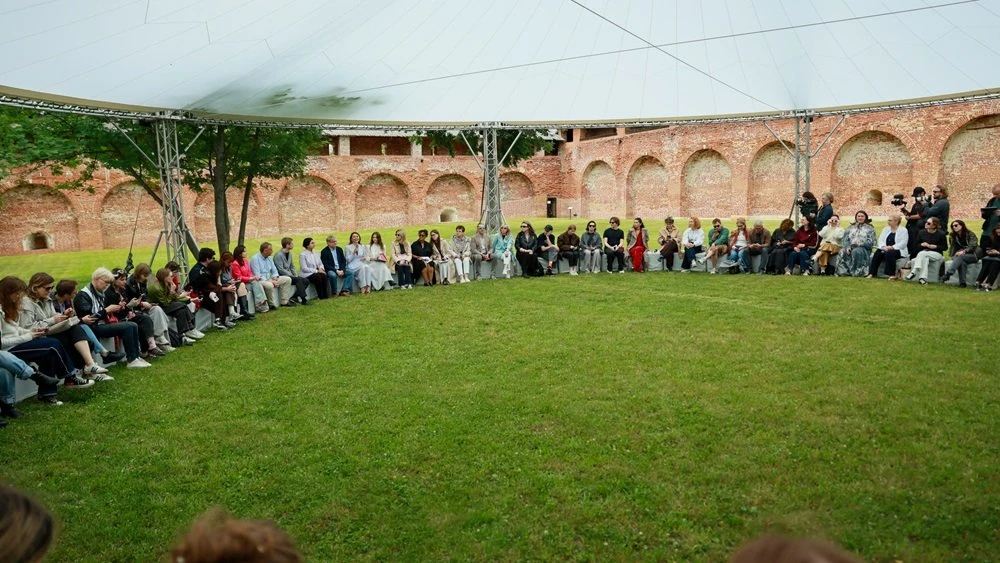
Albina Bessonova, Candidate of Philological Sciences and Leading Research Fellow at the Fyodor Dostoevsky Darovoye Museum-Estate, spoke about the connection between personality, place and historical memory. She recalled the writer’s close connection with the Zaraysk area and how a biography can become a way of exploring an era and cultural context.
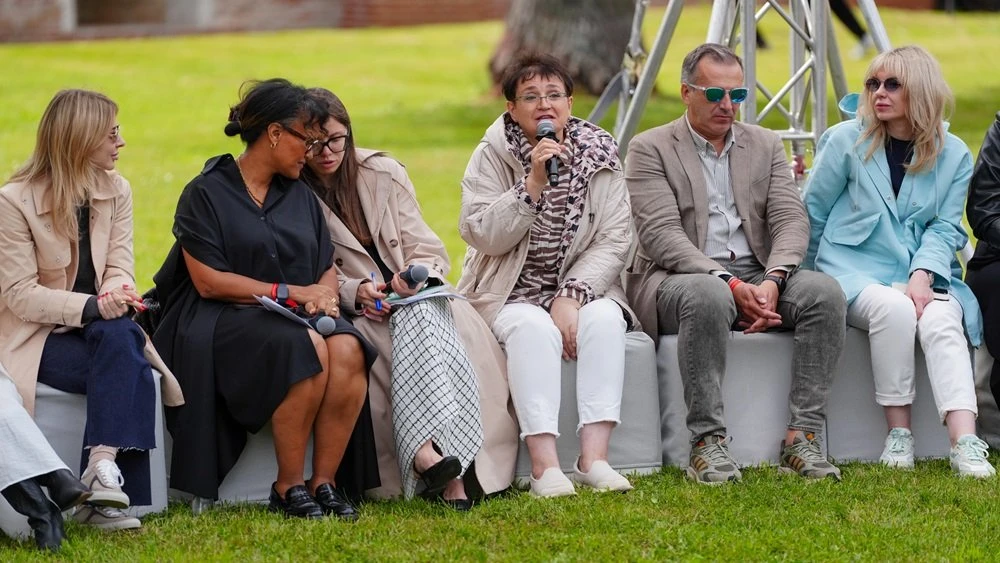
"If there had been no Darovoye in the life of Fyodor Dostoevsky, he would have been a completely different writer and a completely different person, and this is no exaggeration. Darovoye is Zaraysk land, where the future writer spent the summer months as a child, and it was this 'small and unremarkable place' that left in him 'the deepest and strongest impression for the rest of his life'. Forty years later, he longed to return to the places of his childhood, believing that if a writer denied himself these impressions, what would he then write about? All of Dostoevsky is contained in the precious memories of childhood, in boundless faith in the living soul of the Russian people and in our national responsiveness, with his striving to understand the human being and his spiritual unity with the world," Albina Bessonova said.
The programme was concluded by artist and researcher Ulyana Podkorytova. She spoke about the importance of field studies, expeditions and working with folklore material for contemporary art, noting that turning to folk culture makes it possible to find new artistic forms and ways of speaking about the present.
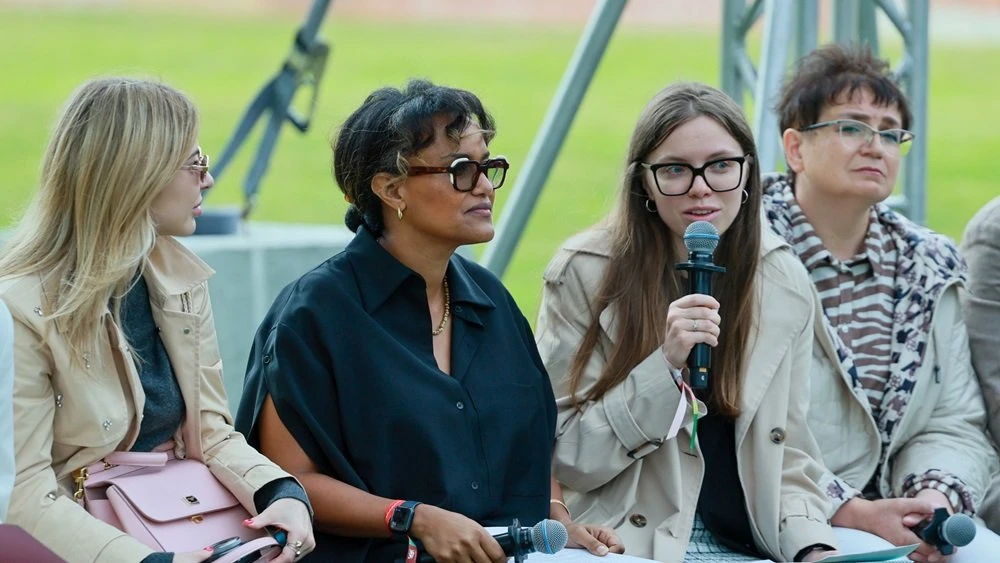
"Travel and expedition often become the starting point for creating a new work. This is not just a trip to gather material, but a sensory study, a search for a feeling of inner art. Why an expedition? Contemporary art that loses its roots and forgets about them risks becoming meaningless. Globalisation unifies us and erases knowledge of the past, but by immersing ourselves in the local, in depth, we can rethink ourselves. When we analyse the past and return to traditions, it becomes easier for us to become predictors of the future: we can predict it by identifying the mistakes of previous generations, while remaining contemporary, because we transmit knowledge about what is disappearing here and now," Ulyana Podkorytova concluded.
IET TALK will become a permanent part of the programme for preparing the International Ethnographic Triennial. In the coming years, a series of public meetings will bring together researchers, artists, anthropologists, museum specialists and keepers of cultural memory to discuss identity, legacy and cultural diversity.
The opening of the International Ethnographic Triennial is scheduled for 2030. The project will take place as an international exposition at the intersection of contemporary art, anthropology and ethnography.
In addition to the main exposition, the programme will include research expeditions, educational initiatives, field studies and international professional cooperation. The results of this work will be presented gradually as part of the IET TALK programme on the path towards the opening of the triennial.
Event photobank

The opening of the triennial is scheduled for 2030.