The National Centre RUSSIA announces the launch of the International Ethnographic Triennial
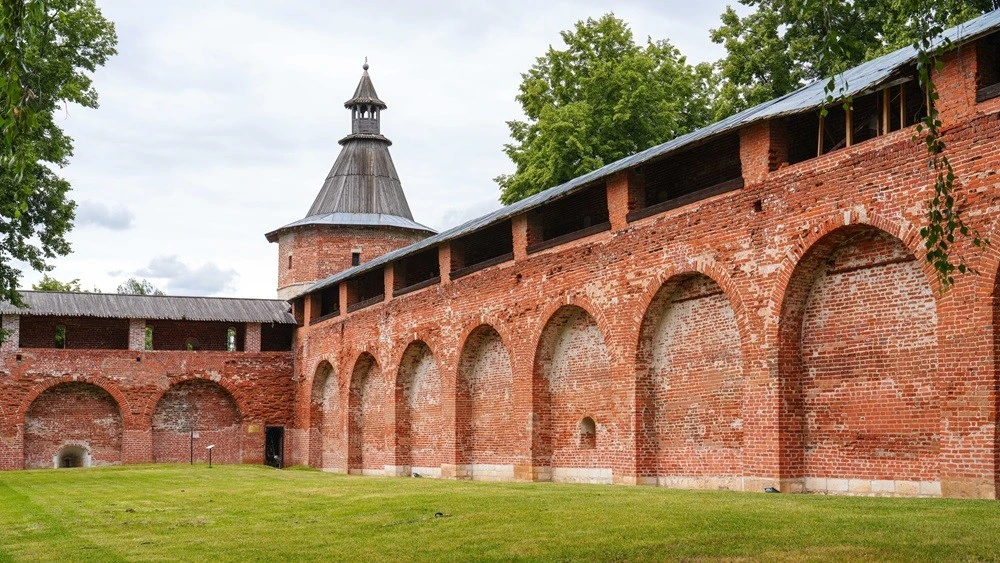
The National Centre RUSSIA held the press launch of the International Ethnographic Triennial (IET) in Zaraysk. This is a large-scale project at the intersection of contemporary art, anthropology and ethnography. The opening of the triennial is scheduled for 2030, but its research stage begins this summer and will form the basis of the future exposition and accompanying programmes. During the event, participants were presented with the project’s key areas of work, which bring together artistic and research practices to study cultural memory, local traditions and the mechanisms through which identity is formed.
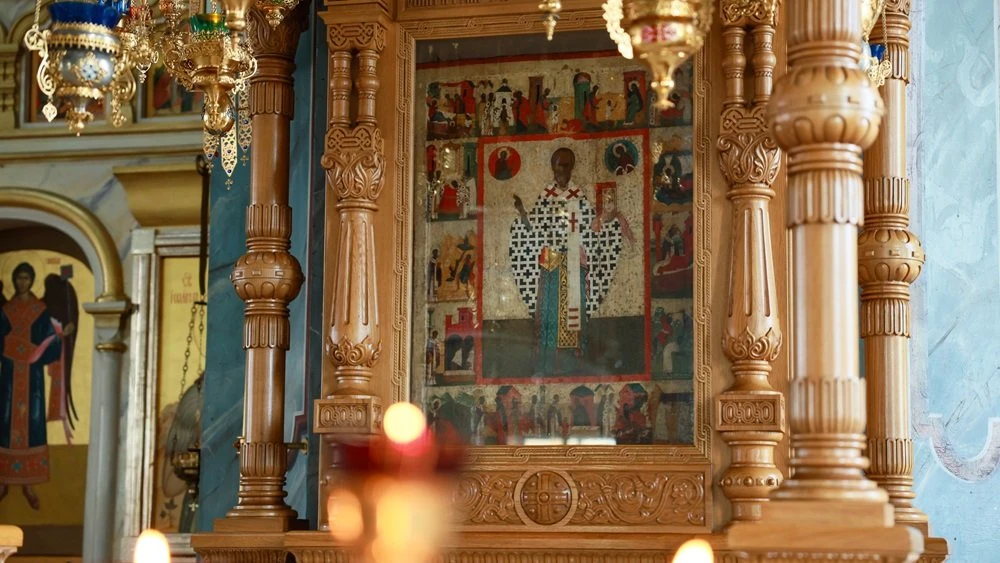
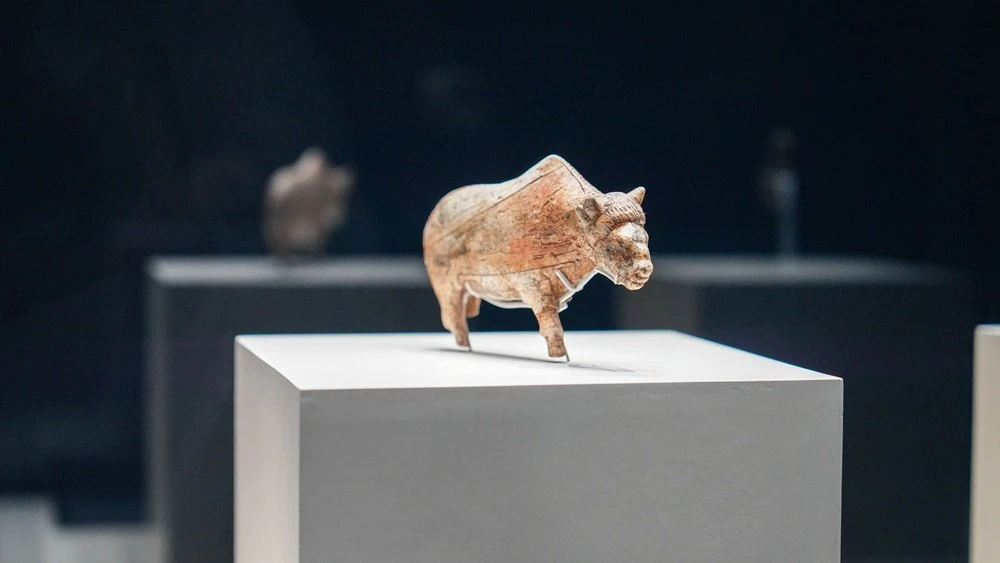
"Today we are launching not just a new project, but a long journey towards the International Ethnographic Triennial 2030. It is no coincidence that this work begins in Zaraysk, one of the most remarkable historic towns in the Moscow Region and all of Russia. For thousands of years, the memory of the human being has been preserved here: from the Upper Palaeolithic site and the world-famous Zaraysk bison, which is housed in the Zaraysk Museum, to ancient spiritual traditions and the literary legacy of the great Russian writer Fyodor Dostoevsky. The connection between times and cultures is felt especially clearly here. The icon of Nicholas the Wonderworker, which arrived by water in the early 13th century and is still kept here, is a symbol of this land. It bears witness to a new milestone in the history of Rus, which over the next 200 years, while under the yoke of the Horde, was to be reborn in an incredible way as a new, united, self-sufficient and distinctive state, a great world culture preserving its ethnicity. We will need to absorb all of previous history and give birth to something new through creation and love for the human being and humanity, having taken in all the past that the world has left us. Together, we will be able to create our present and future," Natalia Virtuozova, Director General of the National Centre RUSSIA and Commissioner of the IET, noted.
She recalled that Fyodor Dostoevsky spent his summers at his mother’s estate near Zaraysk, and that these places were reflected in his works. Natalia Virtuozova read an excerpt from his work devoted to love as a conscious human choice, in which the writer reflects on this feeling as a difficult choice that requires self-giving rather than an expectation of reciprocity. According to her, it is love for the human being that lies at the heart of ethnography.
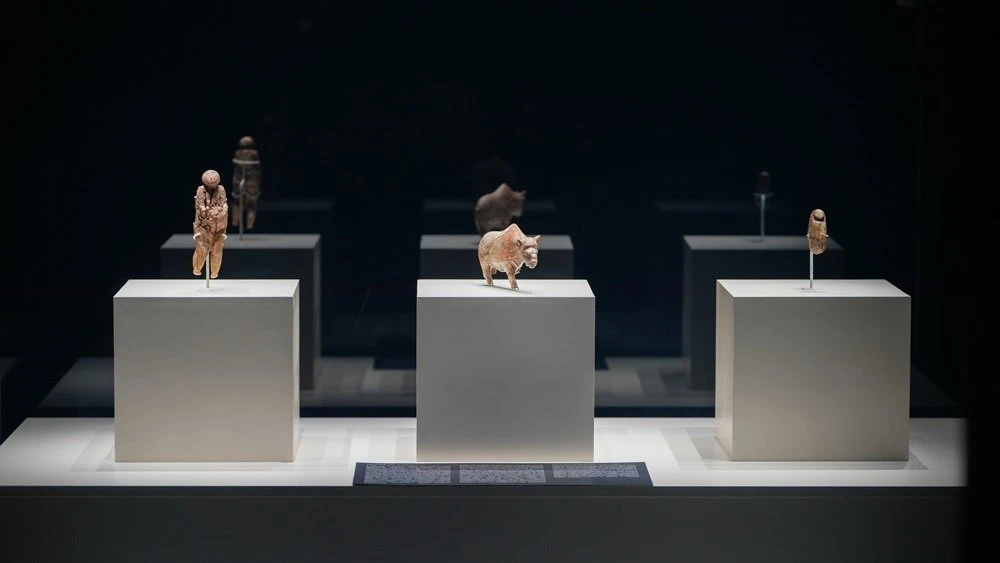
The town of Zaraysk in the Moscow Region was chosen as the project’s starting point because of its unique historical and cultural legacy, which brings together archaeological monuments of global significance, centuries of history and a rich cultural tradition. Vasily Kuznetsov, Minister of Culture and Tourism of the Moscow Region, noted that Zaraysk became the symbolic starting point of the International Ethnographic Triennial for a reason. According to him, the town, where the famous Zaraysk bison was created more than 22,000 years ago and where Dostoevsky and Golubkina later lived, is now becoming a point of attraction for contemporary art and tourists. He also spoke about the region’s plans to take part in the project and about how the IET could influence the development of small towns in the Moscow Region.
"One of the most ancient works of art, the Zaraysk bison, is here. The past and the present come together here. That is why I think it is no coincidence that the presentation of the project, which will culminate in a major exposition at the National Centre RUSSIA in 2030, was held in Zaraysk. We will take part in this project, and I very much hope that the cultural codes of the Moscow Region and everything connected with folk art will become a major part of this union of contemporary art. We see huge interest in small towns and growing tourist flows to Zaraysk. Large events such as the IET, as well as festivals that we have already been holding for several years in a row, such as 'Restart', attract more attention to them and give them momentum for development. We also know that the National Centre RUSSIA is opening branches across the country, and I very much hope that, as part of the launch of the IET, contemporary art will also gain new points on the map of the country," Vasily Kuznetsov said.
Yelena Yushina, Head and Co-Curator of the IET and Head of the Exposition and Curatorial Department of the National Centre RUSSIA, spoke about the concept of the triennial and the upcoming research work, which will cover Russian regions and international venues. The preparatory stage will include expeditions, field studies, work with museum collections and archives, as well as a series of international expert meetings and symposiums.
"The deeper we immersed ourselves in the context of the International Ethnographic Triennial and in the methodology of future curatorial work, the clearer it became that we need to speak not only about gaps, but also about encounter. It is encounter that makes it possible to overcome them: between cultures, generations, disciplines, systems of knowledge and ways of accepting the other. Culture is born not when we speak about another person, but when we are ready to hear them. There is an unwritten commandment in ethnography: before describing the other, learn to listen to them. Do not rush to explain, interpret or draw conclusions; try to see the world through the eyes of the other. For a long time, culture was viewed through an external lens as an object of observation and description. Today, we increasingly understand the importance of dialogue, in which everyone has their own voice," Yelena Yushina said.
The central venue for discussing the launch of the International Ethnographic Triennial was the Zaraysk Kremlin, where the first open discussion in the IET Talk programme was held. Experts discussed the role of ethnography as a research method, the importance of cultural memory in the modern world, and the potential for interaction between science and art. The project’s international co-curator, anthropologist, producer and director Mehret Mandefro, emphasised the importance of the ethnographic approach for understanding contemporary social processes and building intercultural dialogue.
"Ethnography is the most humane of all sciences. It makes us move further, strive to reach the limits of our knowledge, accept this state and then discover what we have yet to see and understand. Ethnographers do not simply observe another culture from a distance; they are in the midst of events, tasting food, attending rituals and learning untranslatable jokes. They try to understand a way of life from within, with all its particular features, rather than fit it into someone else’s framework. And this is what makes ethnography accessible to a wide range of people who sincerely want to observe life and participate in it on a deep level," she noted.
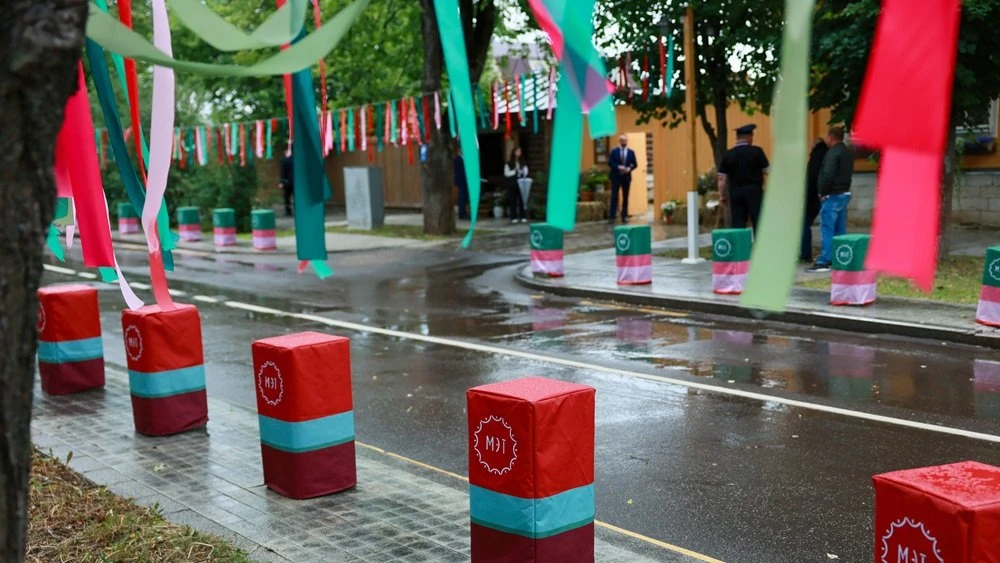
Specialists in ethnography, cultural history and museum work also joined the discussion. Participants spoke about contemporary approaches to studying traditions, working with historical memory and the role of museum collections in understanding the past and present. For example, the Russian Ethnographic Museum presented approaches to working with collections in the context of contemporary public demands, connections between the archive and current art, the viewer and the communities whose memory becomes the subject of research.
"Ethnography is the crown of all the humanities, because it comprehensively studies all peoples and humanity in its past and present. It is no coincidence that today we speak of our ethnographic museums as family albums of all humanity. Ethnography tells us that traditions are modern, that traditions are our greatest invention, the social institution that allows us to live, create, make art and preserve our identity. It is born in quiet offices and conversations, as well as in powerful global processes, and this is its paradox: it requires knowledge of the world and knowledge of human nature. Ethnography studies openness, and openness is always distinctive. Look at how different our houses and clothes are, how differently we smile and communicate: ethnography lives at the intersection of all this," Yulia Kupina, Director of the Russian Ethnographic Museum, said.
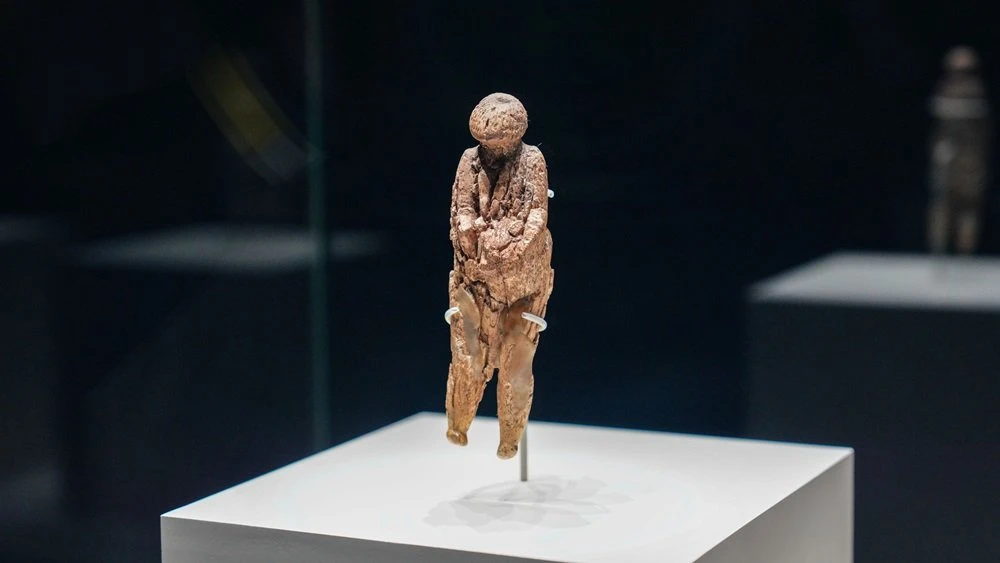
As part of the press launch, guests saw a video work by Ulyana Podkorytova, which reinterprets folk tales and myths, a light and sound installation featuring ancient figurines of Palaeolithic Venuses and a bison, and the special programme "Filling the Gaps: A Poem of Encounters", demonstrating the future methodological work of the IET co-curators. It included international films and animated films, from science fiction stories about the future to old Soviet tales of the peoples of the North and the East. All these works were brought together as a map of encounters between different cultures, traditions and views, helping to show what the International Ethnographic Triennial will be about.
The Tsekh space presented a selection of video art and documentary materials connected with ethnographic and anthropological practices. Several screens simultaneously showed expedition films, interview excerpts and works by artists engaging with the themes of memory, identity and local histories. The format of the screening allowed participants to build their own routes and see how the visual language of contemporary art records and reinterprets ethnographic material. Participants learned how cultural legacy can be integrated into the urban environment and become part of public dialogue.
In particular, the performance "Fabric of the Earth" took place near the White Well in Zaraysk and was built around three symbolic images: a braid, a stone and water. Five women of different ages braided field grasses, five family groups took part in the symbolic passing of a stone as an image of memory and the experience of generations, and the final gesture was the passing of water from a mother’s hands into her daughter’s hands. Through these simple and universal images, the performance addressed one of the key themes of the International Ethnographic Triennial: the search for connections between generations, cultures and territories. The location became a natural continuation of the performance: from water as a symbol of care to water as a source of life, faith and the collective memory of a place. The artistic action ended at one of the city’s main sacred sites, where, according to legend, the miraculous icon of Nicholas of Zaraysk was found in the 13th century.
The press launch concluded with a journey to Moscow on a special train. This route referred to the historical memory of the place and to the figure of Fyodor Dostoevsky, who travelled to Zaraysk by railway as an adult. In the context of the triennial, the train became a metaphor for movement through time, memory and research, a movement towards the opening of the International Ethnographic Triennial in 2030.
The press launch in Zaraysk outlined the main principles of the International Ethnographic Triennial: long-term research, reliance on local contexts, field work, the inclusion of different disciplines and the participation of the communities themselves. Following the trip, the IET team will continue to form research routes, plan expeditions and collect materials that will form the basis of the main exposition and accompanying programmes of the triennial in 2030. The preparatory stage will result in the formation of a large-scale international exposition devoted to cultural memory, the transmission of knowledge and coexistence in the modern world. From 2027 to 2030, the programme "Towards the IET" will be implemented, including the approval of the concept and themes, the announcement of participants, and long-term preparation of the exposition, educational, research and publishing initiatives. The opening of the International Ethnographic Triennial is scheduled for 2030.
Event photobank
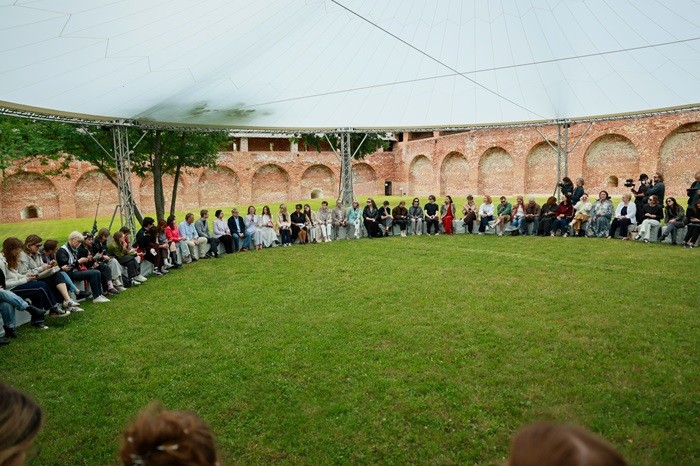

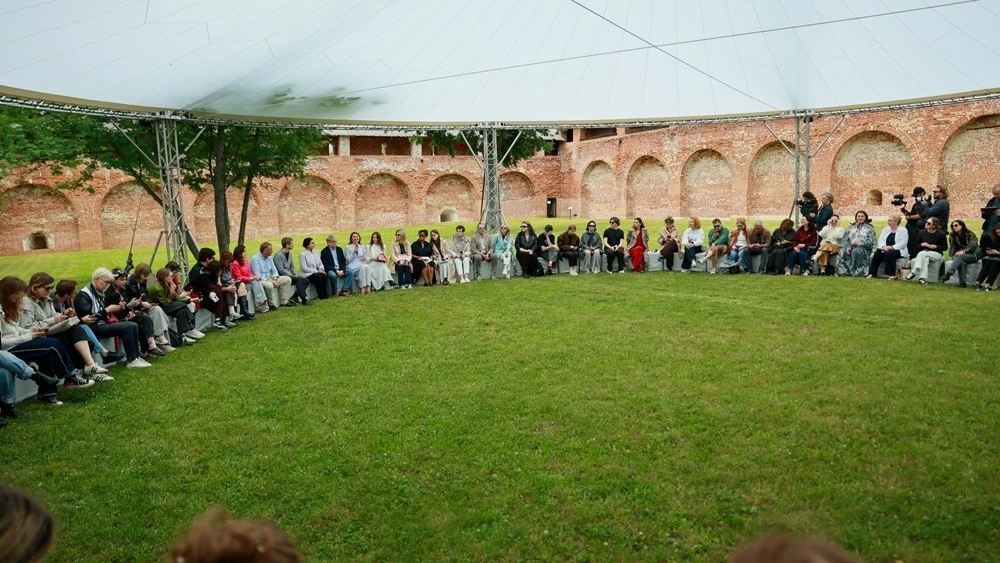
The first IET TALK, a discussion and educational platform of the International Ethnographic Triennial (IET), was held at the Zaraysk Kremlin.