


"Camera! Action!": young journalists of the National Centre RUSSIA learn to shoot videos for social media
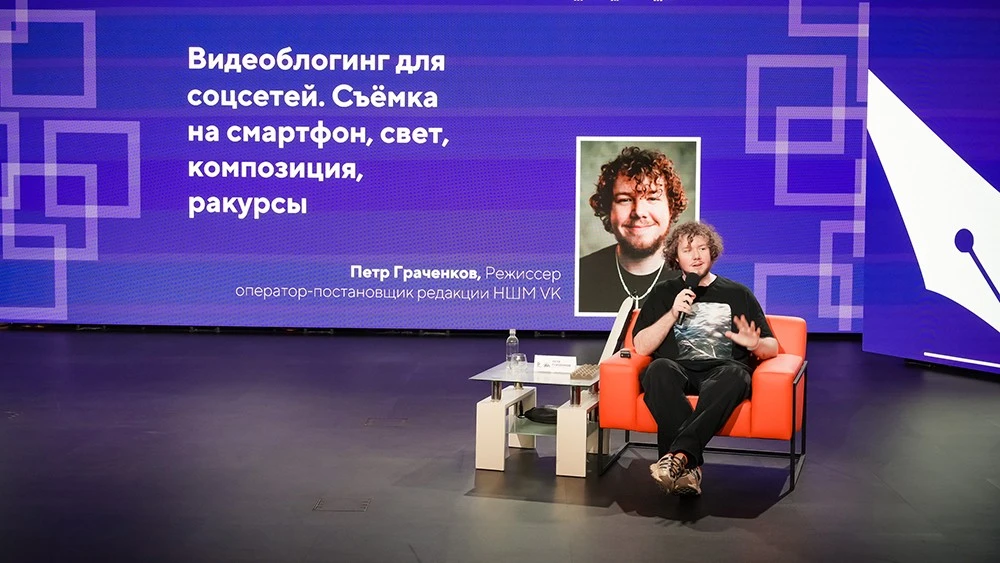
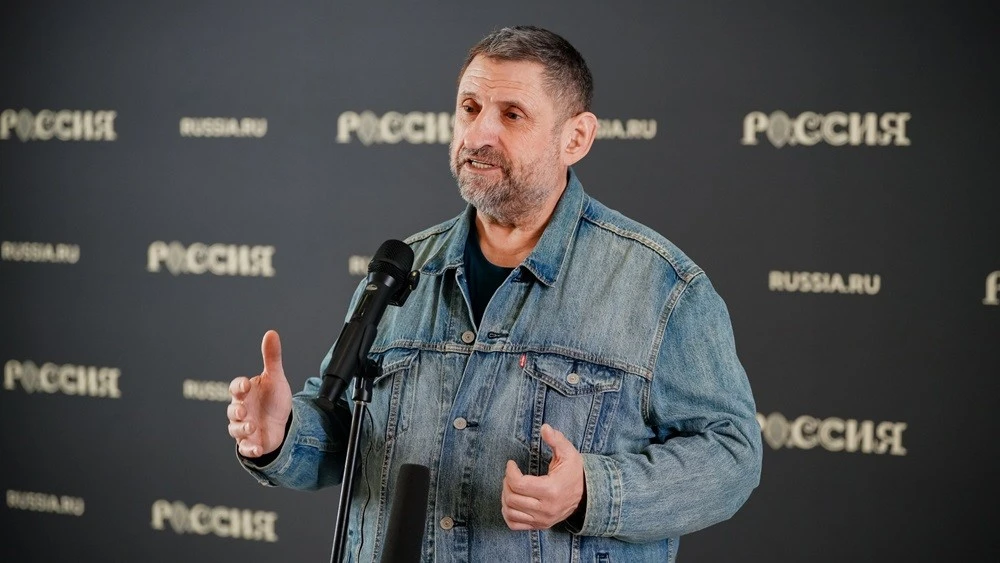
Participants of the Young Journalists School at the National Centre RUSSIA learned how to set up lighting, find engaging angles and build a shot using the rules of composition. The session, titled "Video blogging for social media", was led by director and director of photography at the New Media School editorial team of VK, Pyotr Grachenkov.
At the lesson, the expert reminded participants that video is now one of the main "languages" of the internet, and any event is best conveyed not only through text and photos, but also through filming. This does not require heavy professional equipment.
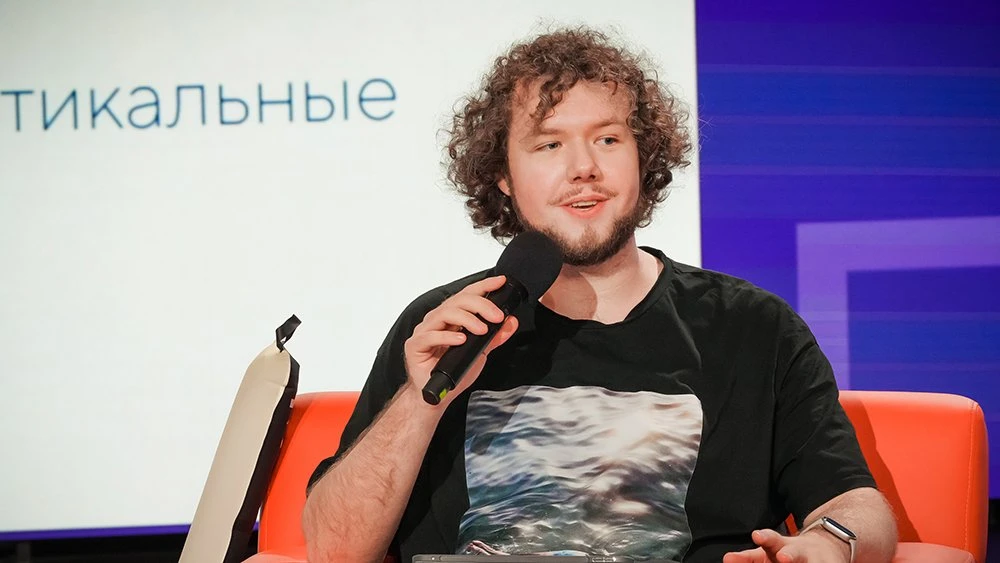
"The best camera is the one in your pocket. Your phone is always with you, and the brand does not matter as much. What matters is not pressing 'record' thoughtlessly, but understanding light, framing and movement. First, think about what and why you are filming — then start filming," Pyotr Grachenkov emphasised.
The participants learned the difference between shooting in Full HD and 4K, when 25–30 frames per second are needed and when 60 or more is preferable, and why it is not worth chasing "magic settings" that supposedly work in any conditions. Part of the session focused on what the viewer sees in the frame. The young journalists turned on grid lines on their phones and, through examples, explored the rule of thirds, discussed how to give the subject "breathing space" in the frame and how camera angles influence perception.
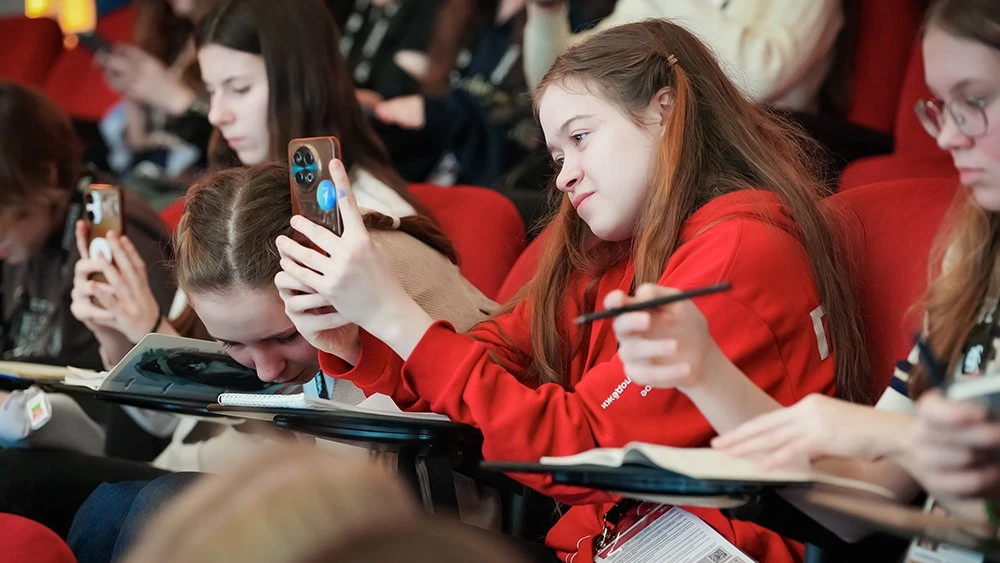
After the theory came practice. The participants were tasked with filming a vertical video of around 30 seconds. It was important to use different shot types, record short comments from each other and gather material that would later be reviewed during the next editing session. Pyotr Grachenkov moved around the venue with the participants, helping them adjust their cameras, suggesting how to use special applications and how to change lighting or background to improve the shot.
At the end of the session, participants had the opportunity to ask questions. One of them asked what to do if an interview contains a lot of interesting material but the running time is strictly limited. As an example, she mentioned filming a conversation with a veteran, which resulted in 15 minutes of footage when only five minutes were required. In response, Pyotr Grachenkov advised treating this as a creative task: "Time limits are not a punishment but a training exercise. You can almost always turn eight minutes into five without losing the meaning. If you feel that important elements do not fit, make two versions: a short one within the required duration and a director’s cut with the full material. This way, you complete the task and preserve what matters to you."
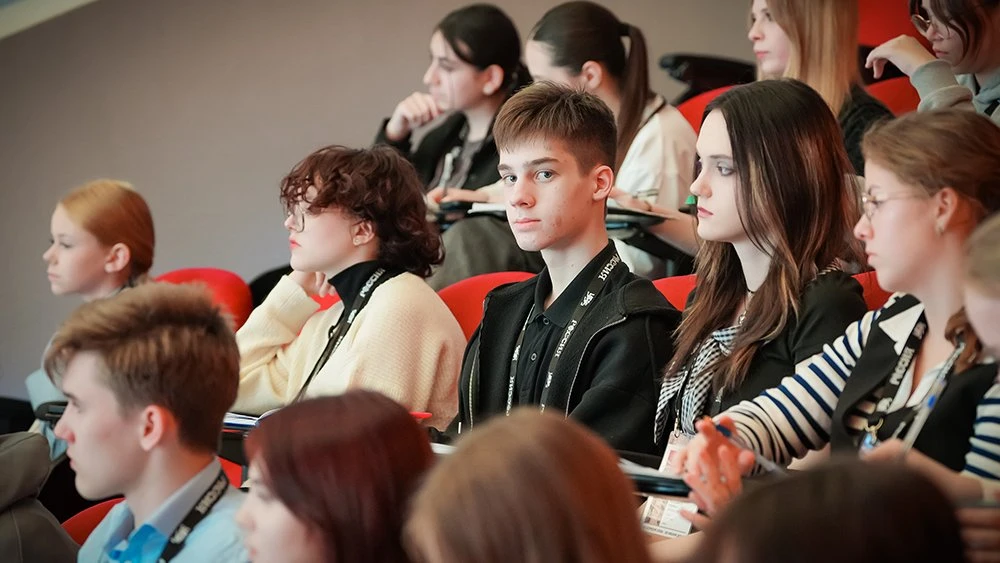
Answering a question about the need for formal education, the expert noted that a journalist’s work requires knowledge, practice and a professional environment. It is important to watch, film, communicate and build connections within the profession.
Participants admitted that they began to see video production differently. Movladi Umarov noted that although he is more interested in writing and editing, the lesson on camera work proved highly useful: "I realised how important lighting is. I often made mistakes — standing on the wrong side of the window, leaving my face in shadow. Now I at least know how to avoid that. It will definitely be useful. A journalist needs a wide range of skills."
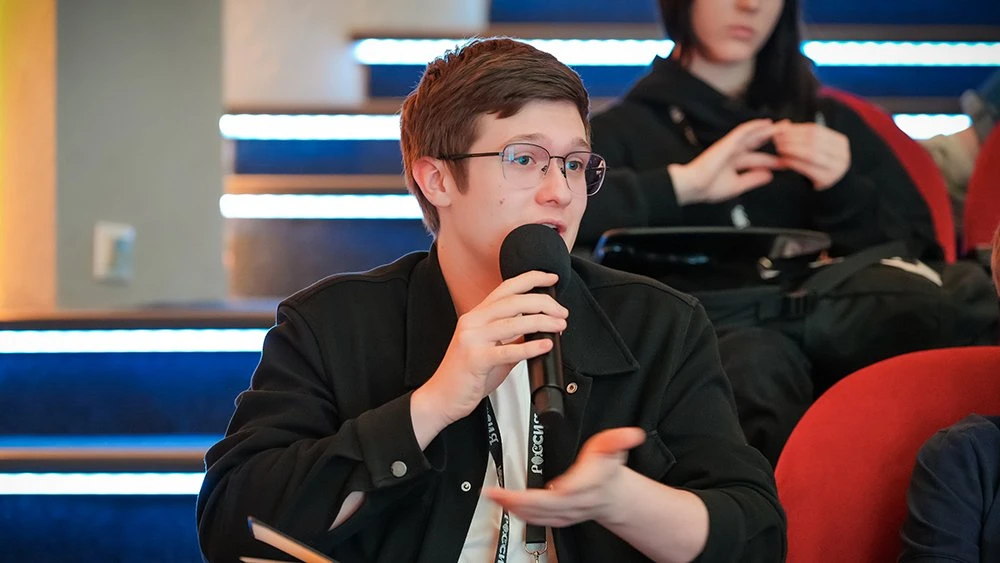
Sofya Fokina has long been trying herself in video blogging and after the masterclass decided she would approach filming more thoughtfully.
"I used to rely on automatic settings quite often. Today I saw how important it is to understand the camera rather than just press a button. I really liked how approachable the speaker was: he not only explained the theory, but also demonstrated and adjusted everything directly on our phones. It turned out to be a very useful and engaging session," said the girl.
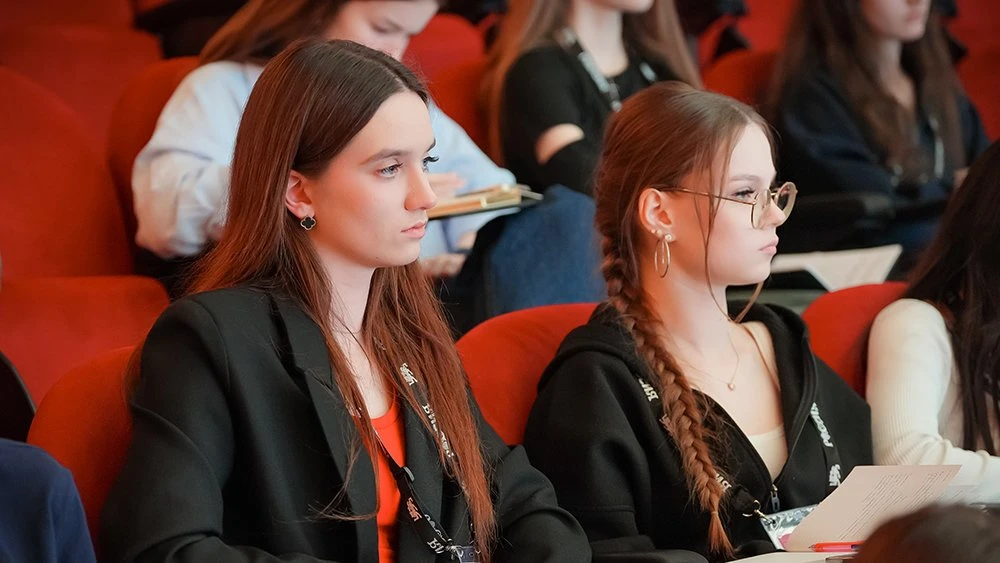
The session took place as part of the Young Journalists School at the National Centre RUSSIA, implemented jointly with the Movement of the First with the support of the Ministry of Education of Russia. VK acts as the intellectual partner. The project helps teenagers master modern media tools — from text and interviews to photography and video — and learn to tell their stories in a way that is engaging to watch and listen to in any format.
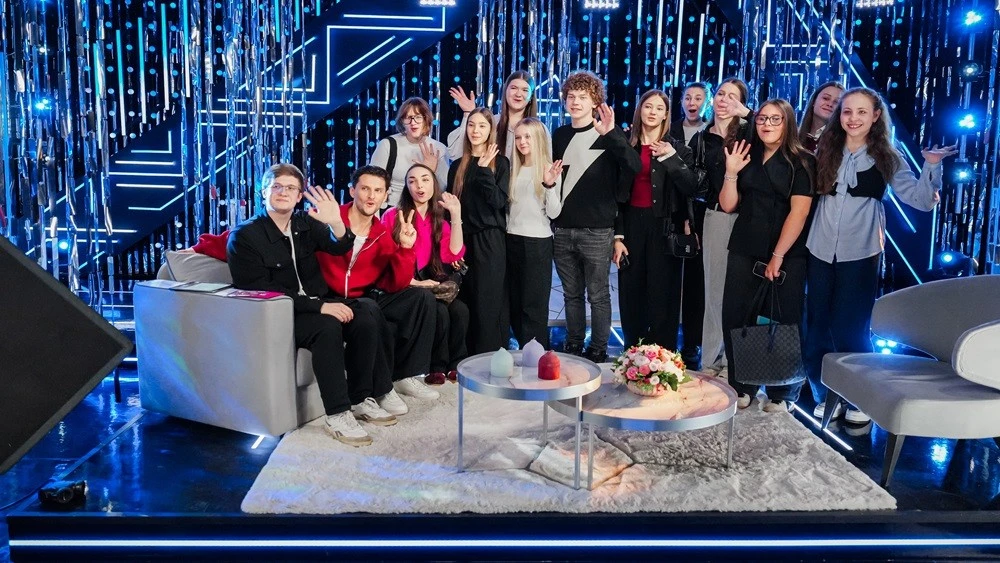
The participants saw how presenters, directors and sound engineers work in real time.
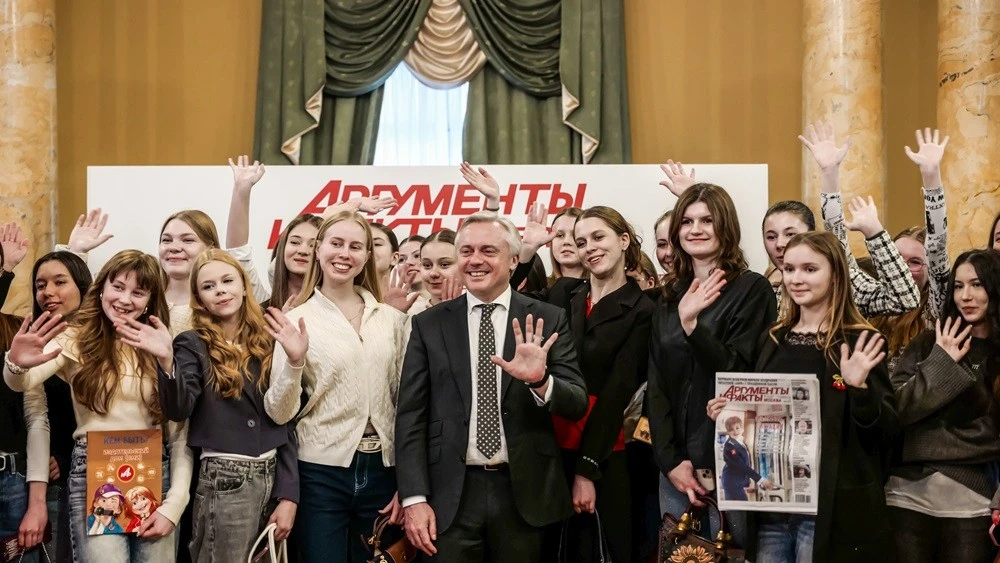
The group visited a historic mansion on Myasnitskaya Street — the headquarters of the publishing house Argumenty i Fakty (Arguments and Facts).
The guest shared several pieces of advice that will be useful in their future profession.


