"Map of 100 Years": how visitors at the National Centre RUSSIA drew the future of the planet
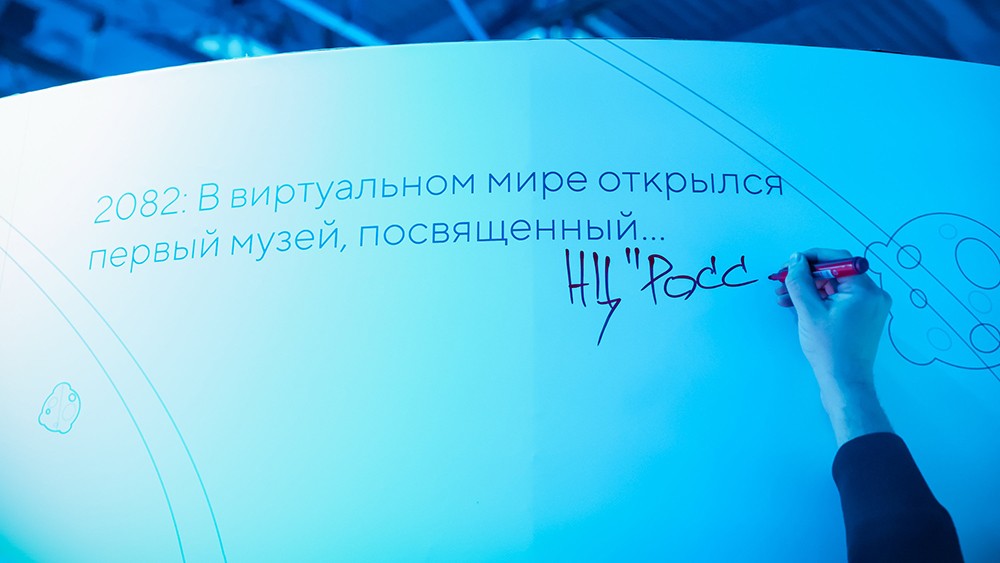
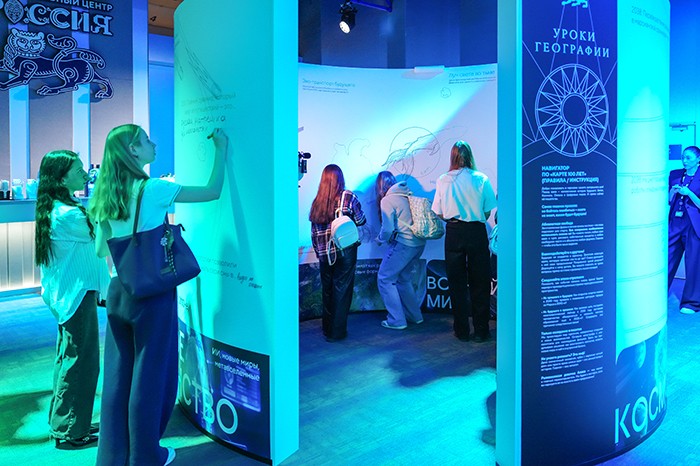
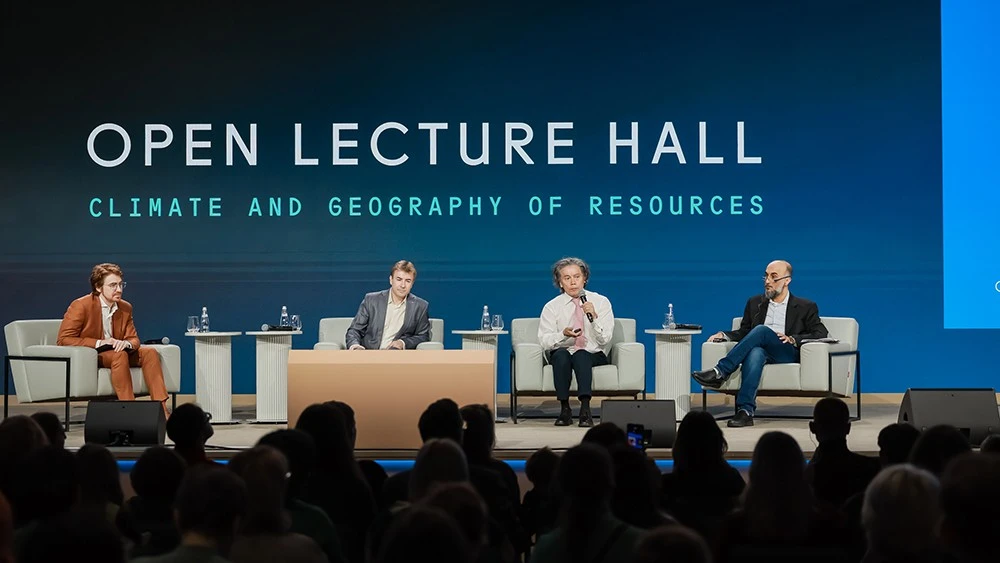
A special interactive installation, "Map of 100 Years", was created at the National Centre RUSSIA for the Open Lecture Hall "Inventing the Future: Geography". On a large-scale map, visitors could write or draw their vision of the next century — from personal hopes to global scenarios for humanity. A living "picture of the future" emerged in real time, shaped by hundreds of voices.
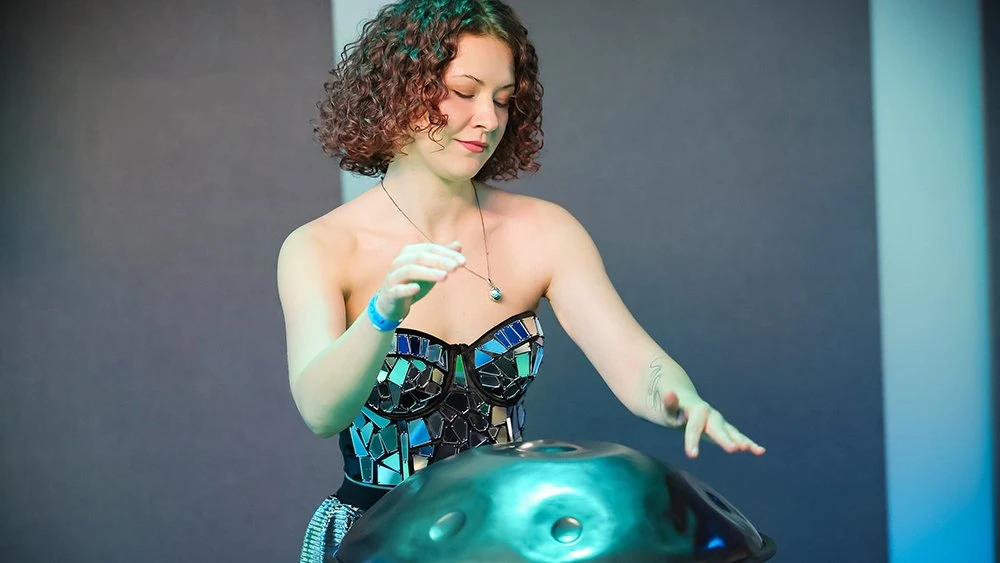
By the end of the day, almost no empty space remained on the surface of the installation. Messages appeared not only in Russian but also in Arabic, with wishes for peace and good fortune. The atmosphere was enhanced by the captivating sound of Hanghang and cosmic electric guitar melodies.
A significant number of messages focused on environmental issues. One participant, Lyubov Statsenko, shared: "We all live together on one planet that keeps moving. There will be no isolation for anyone. That is why my message is about peace and the environment. We must take care of nature."
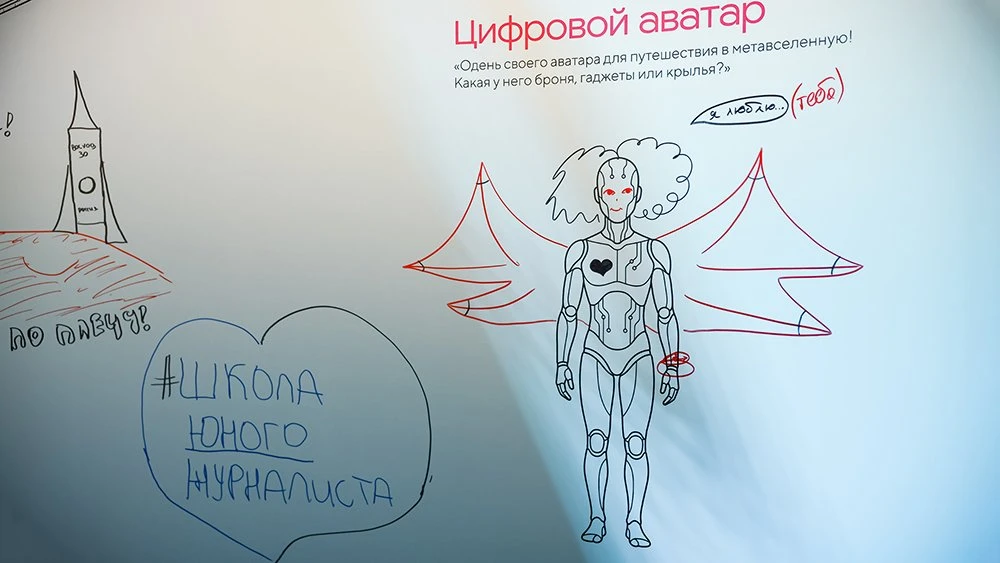
Many visitors drew cities of the future with transparent domes, flying transport, trains connecting continents, and even systems capable of travelling beyond the Solar System. Participants from the Young Journalists School also contributed drawings and messages. They envision a future where media, science, and artificial intelligence help people better understand the world.
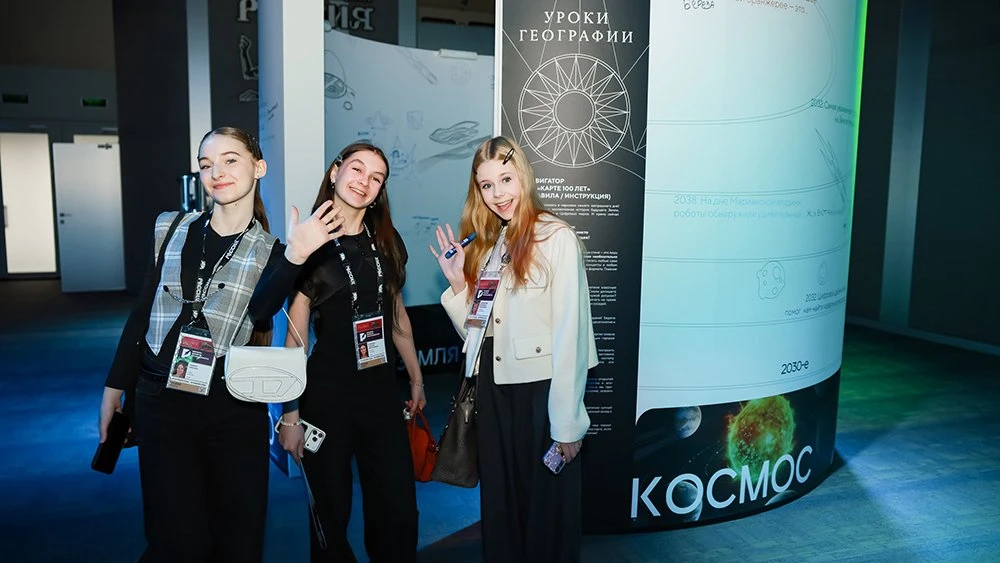
Milana Uporova wrote a simple message of encouragement: "I wished success to everyone, but especially to young people. The future belongs to us. It is very important to gain new experiences, attend events like this, and broaden your horizons. Then the future can truly become a place where everyone — from engineers to journalists — finds their path."
School student Yulia Mikheyeva chose to draw a cat, calling it a "creature of the future".
"For me, happiness is animals. A cat is the easiest to draw, but through this I showed that in the future I want to become a veterinarian or a bioengineer. My future is connected with animals, and I want them to be better protected so that species do not disappear," she said.
Part of the wall was filled with rockets, orbits, and stars. One rocket stood out: visitors wrote "National Centre RUSSIA" on its side, as a symbol that the National Centre RUSSIA could one day reach space.
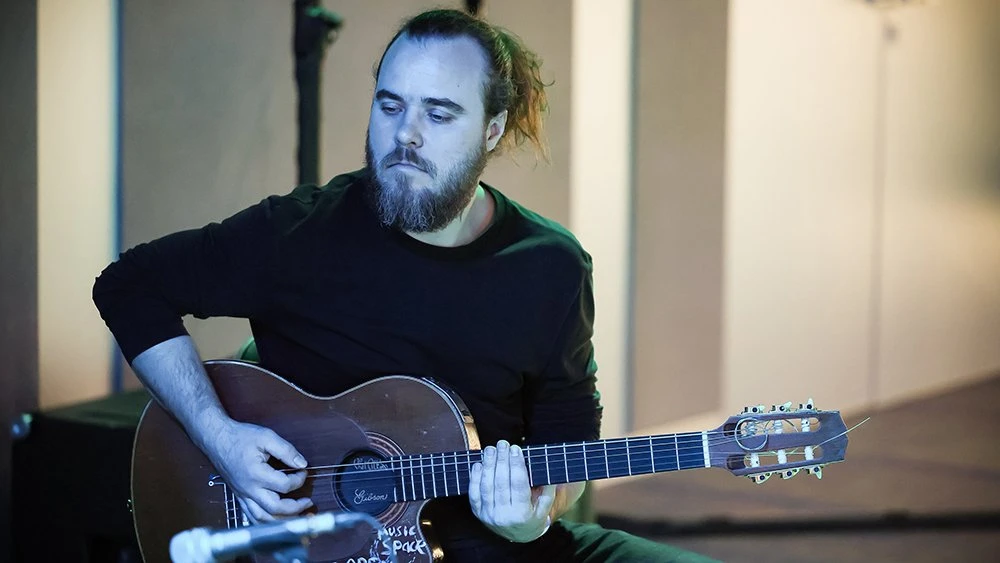
For many visitors, the "Map of 100 Years" became a continuation of the discussion that began at the lecture hall. Tatyana Uspenskaya noted the importance of such projects for her personally.
"I am an active person and always eager to learn something new. Geography and climate truly matter to me. I love travelling, the sea, and the mountains. I want our planet to become better and brighter, for dark clouds to disappear, for everything to be clean, and for people to smile at each other. I want there to be only positive energy," she said.
According to her, projects like the Open Lecture Hall and the installation help people feel part of something meaningful and encourage them to reflect on how everyday choices shape the future.
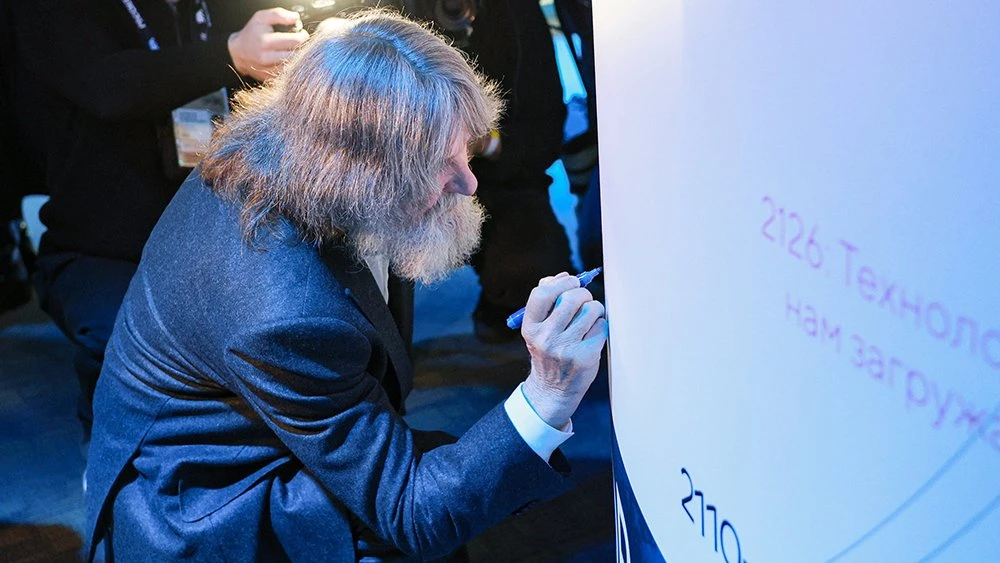
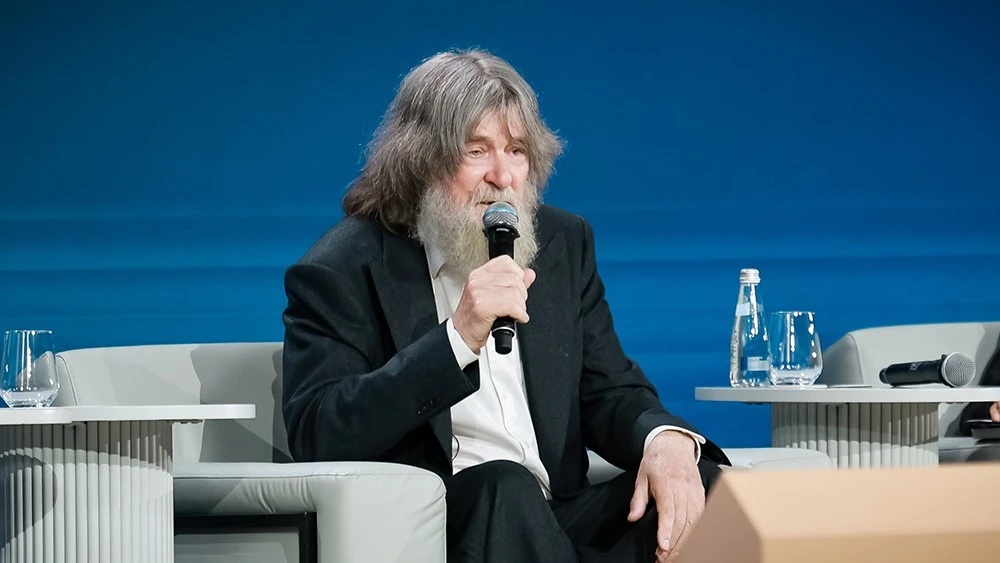
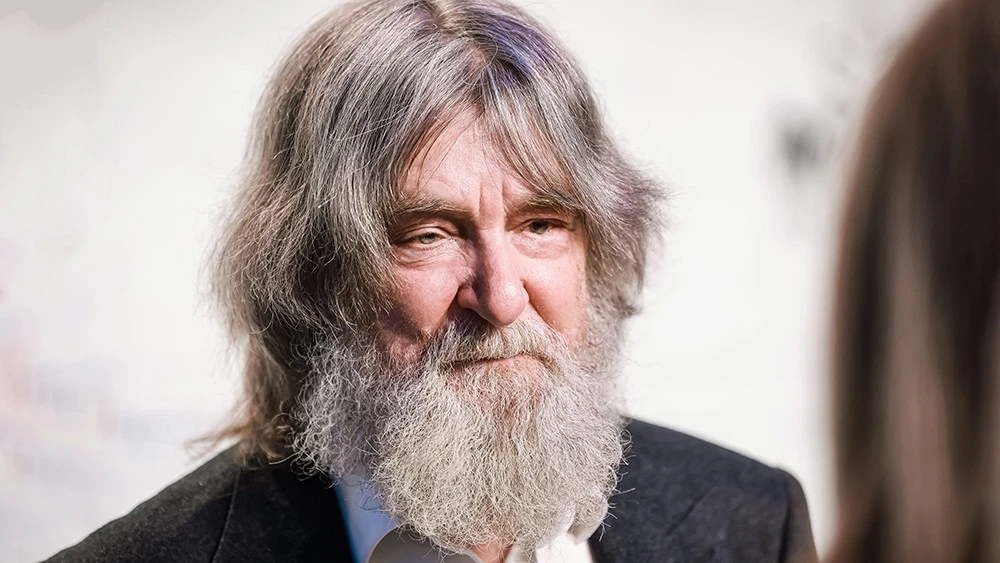
One of the first to leave a message on the "Map of 100 Years" was renowned traveller Fyodor Konyukhov. His wish to "climb your own spiritual Everest" became one of the key ideas of the installation — a reminder that the journey into the future begins with personal decisions and small steps taken today.
The idea behind the "Map of 100 Years" is not prediction, but creation. Participants were invited to imagine a world where space has been explored and humanity lives in harmony with itself and nature. There were no limits: short phrases, detailed drawings, and simple sketches all became part of a shared message to the future from visitors to the National Centre RUSSIA.