Experts at the Open Lecture Hall name water as the resource of the future
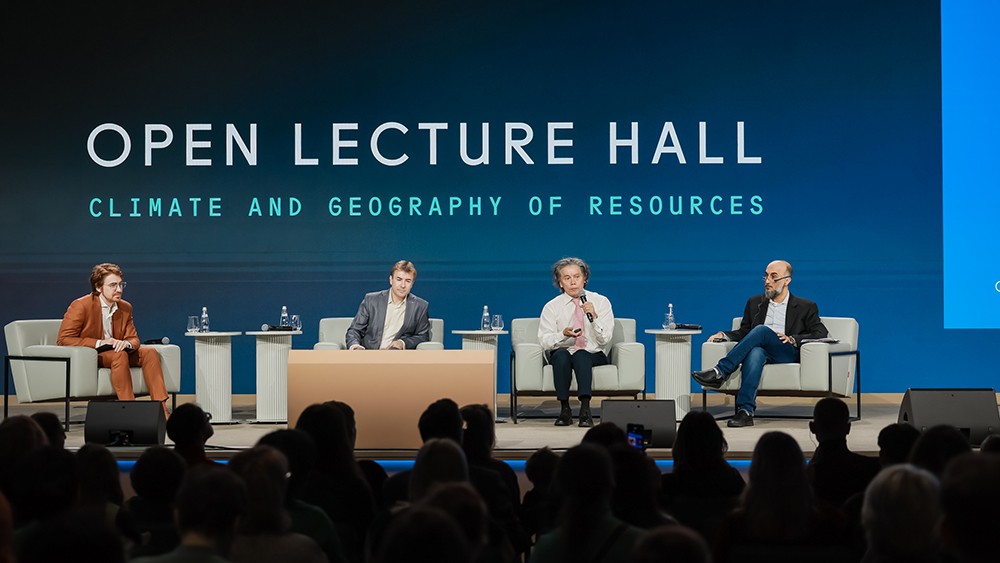
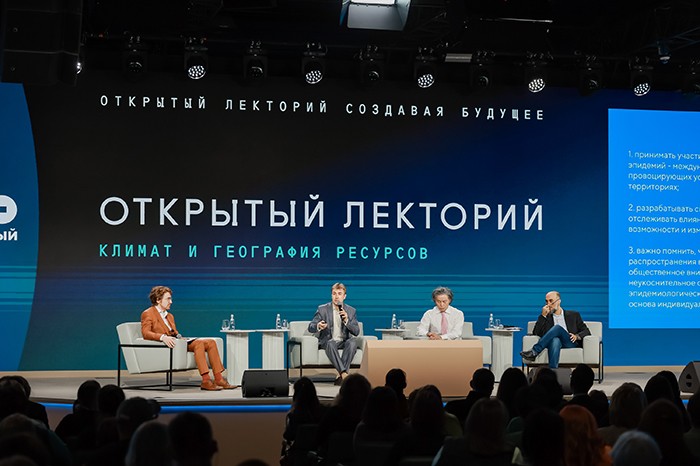
Water is the key resource of the 21st century, while climate will become a unifying force for humanity in restoring the biosphere. These and other ideas were discussed at the session "Climate and the Geography of Resources" of the Open Lecture Hall "Inventing the Future:Geography" at the National Centre RUSSIA. The session featured geographer, geochemist and geoecologist Yaroslav Lebedev, Senior Lecturer at the Department of Environmental Management of the Institute of Ecology at RUDN University; Abdulla Alshehi from the United Arab Emirates, CEO of National Advisor Bureau Limited; and international expert Bulat Yesekin from Kazakhstan, Coordinator of the Central Asian Platform on Water Resources Management and Climate Change.
The experts discussed how climate change will affect natural zones, economies, and ways of life, as well as how access to key resources will evolve across different regions of the world. Yaroslav Lebedev believes that the future of humanity depends on the actions of each individual. In his view, it is necessary to rethink values and everyday habits.
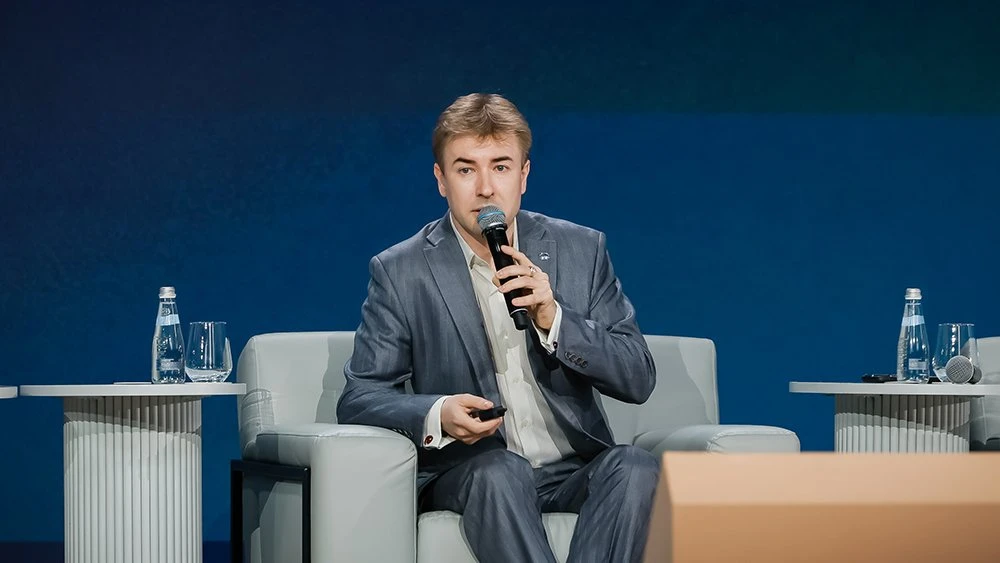
"In the 20th century, success was largely associated with the accumulation of wealth and material goods. Today, however, our mindset and global priorities are changing. We are living in an era that requires us to adapt to new directions in the development of civilisation. The sooner we realise this, the better. Striving for moderation and rationality, changing our habits, and remembering that every action matters — this is what is truly important," said Yaroslav Lebedev.
Bulat Yesekin from Kazakhstan noted that opportunities for constructive interaction with nature are broader today than ever before. Humanity understands the laws of ecosystems, knows how to combine tradition and innovation, and can harness the power of local communities. He proposed a clear course of action based on these advantages, aimed at achieving harmony between humans and nature.
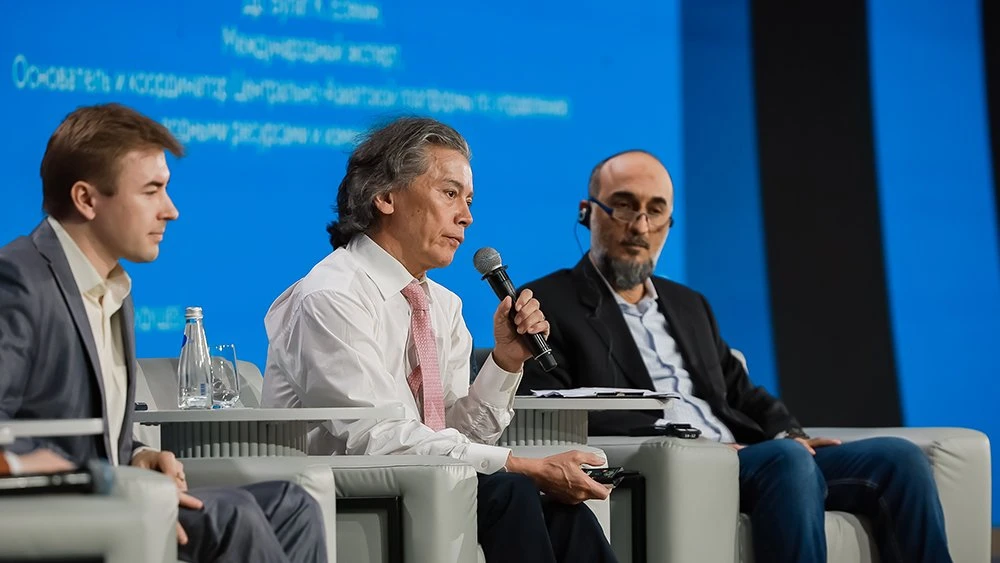
"First, we need to restore forests — not as monocultures of the same age, but as ecosystems with a genetic programme of interaction among all living organisms. Second, we must free rivers and restore their natural flow, as they are the circulatory system of the planet, sustaining the water cycle. Third, we should recognise the rights of nature — as has already been done in some countries, such as Colombia, where rivers, glaciers, mountains, and forests have legal status. And fourth, we must act at the local level: communities are capable of restoring water flows and soil properties," said Bulat Yesekin.
In an era of technological breakthroughs, ideas that once seemed like science fiction are beginning to take shape. One such idea is the use of Antarctica’s natural reserves to supply water to entire regions of the world. Abdulla Alshehi, CEO of National Advisor Bureau Limited, spoke about a project that combines innovation and natural resources for the common good.
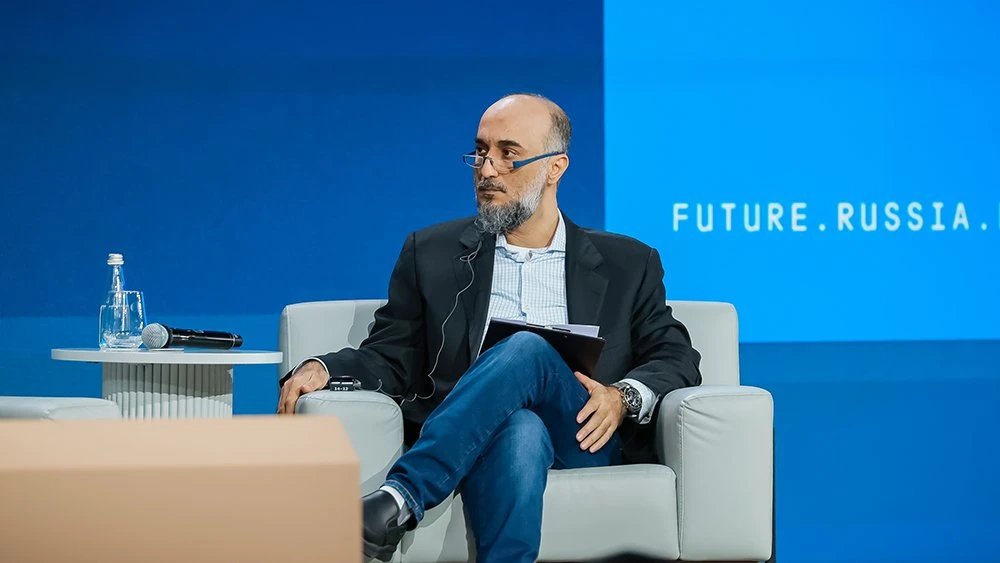
"Our idea is to use icebergs as a new source of water. Antarctica holds trillions of tonnes of freshwater in solid form. We propose transporting them to the coast of the United Arab Emirates. In 2017, we analysed how to launch the project and make it economically viable: we developed technology to slow the melting of ice during transportation, planned the stages of selecting icebergs via satellite, towing them with regard to ocean currents, and then using the water reserves — for example, by pumping them directly into water supply systems. This approach could become a real solution for regions facing acute water shortages," the expert explained.
The Open Lecture Hall "Inventing the Future: Geography" is an original project of the National Centre RUSSIA. It brings together experts from different countries to jointly design positive scenarios for the future. The speakers’ ideas form the basis of neural videos, which audiences can evaluate, becoming co-authors of inspiring concepts for societal development.
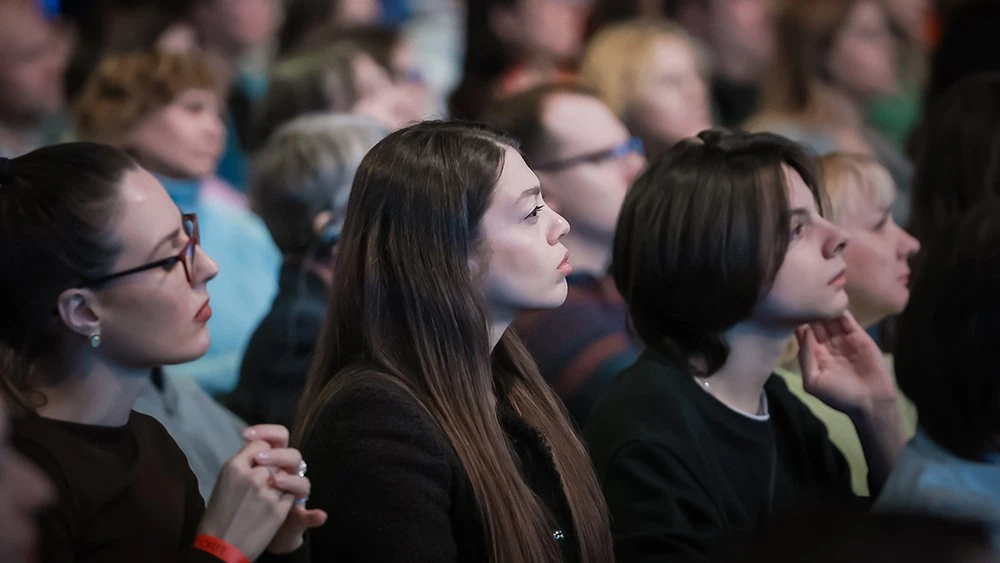
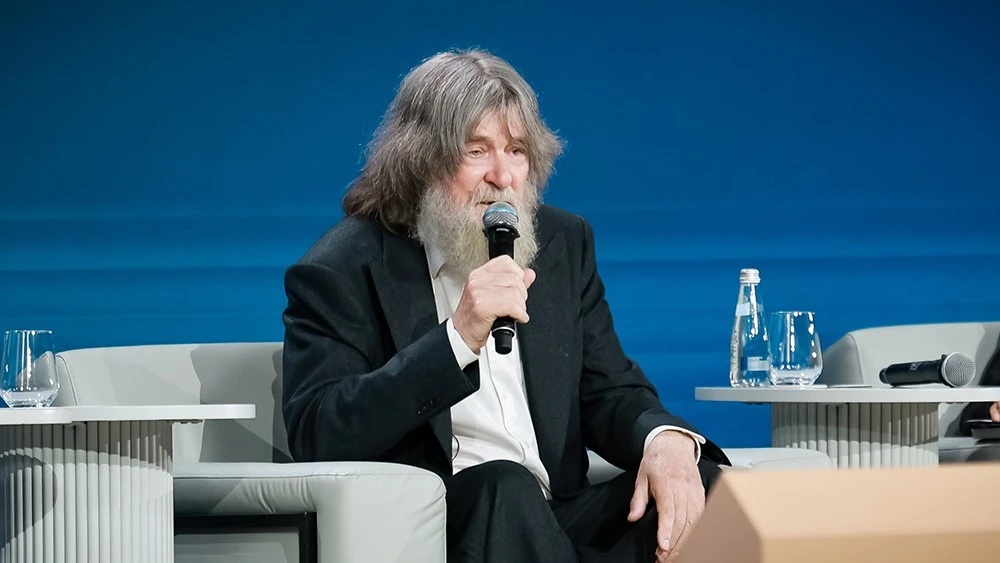
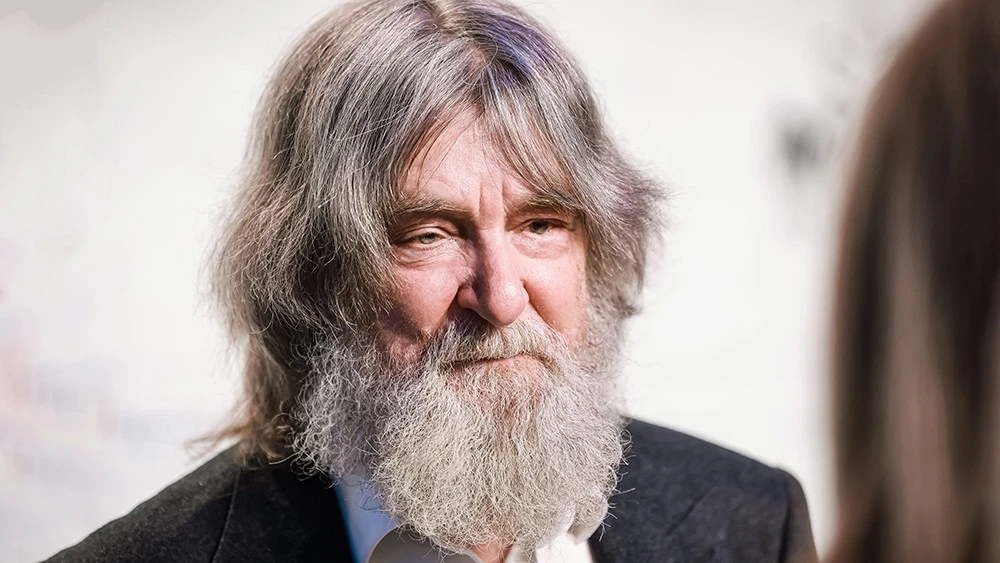
The event began with a discussion on travel, featuring Fyodor Konyukhov, a member of the Russian Geographical Society, and Serbian writer and Director General of the Museum of Serbian Literature, Viktor Lazic.
At the session "Geography of Hidden Worlds", experts discussed the development of infrastructure and models of life in space, as well as the technologies that will enable the careful exploration of the hidden corners of our planet. The speakers included space engineer Marat Ayrapetyan, Head of the Mars Simulation Mission Control Centre and VK Tech Education ambassador, and Huadong Guo, Director General of the International Research Center of Big Data for Sustainable Development Goals (CBAS).
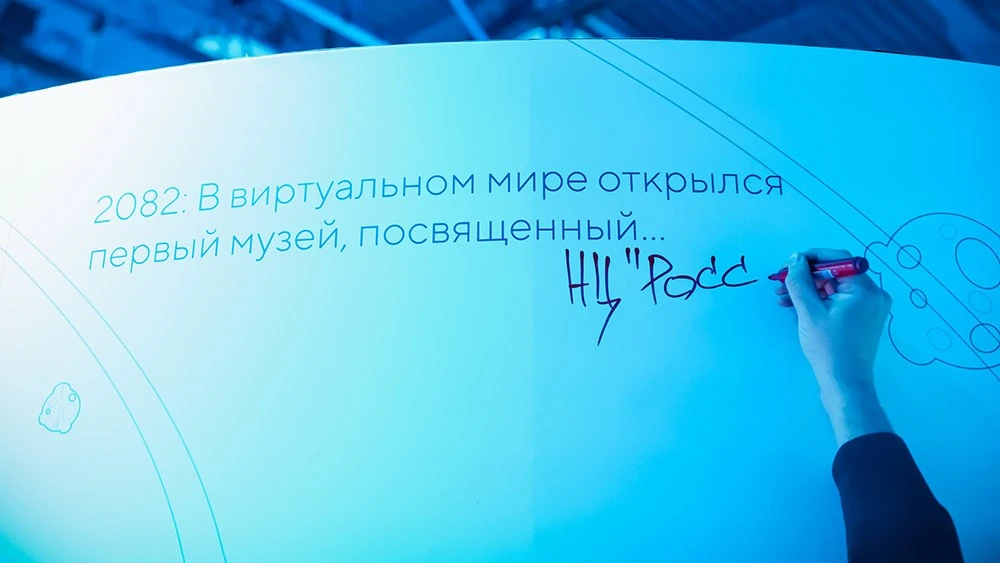
The event continues the ideas of the exposition "Geography Lessons" and explores how the global resource map is changing under different climate scenarios. Visitors also experienced a dedicated musical programme and contributed to the collective installation "Map of 100 Years", leaving their predictions about what will be built, discovered, or transformed in the future on Earth, in space, in the water world, and in the digital environment.
Recordings of the lecture sessions are available on russia.ru in the "Livestreams and Videos" section.
Event photobank
 21
21