Space will become more accessible: experts at the Open Lecture Hall at the National Centre RUSSIA share forecasts for the coming decades
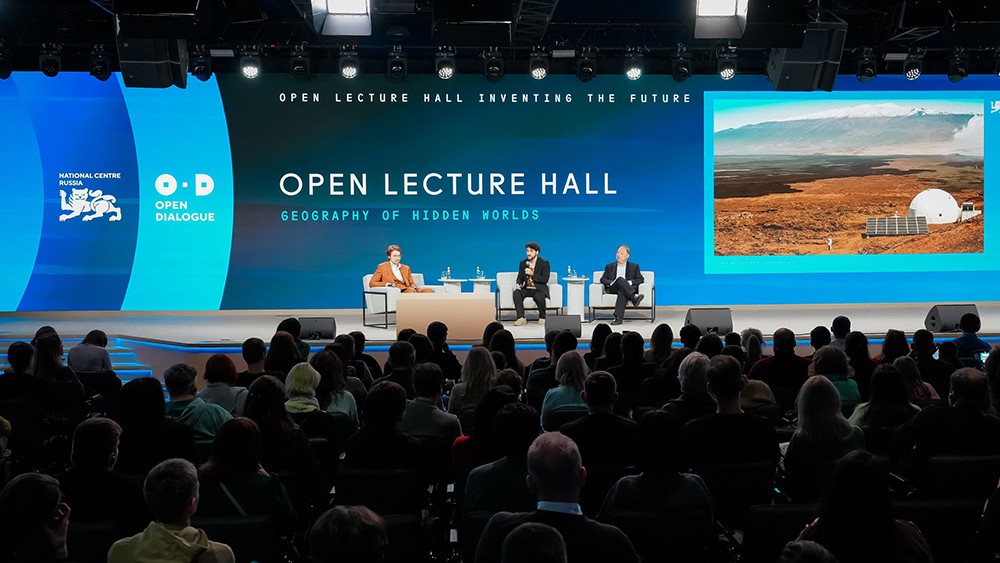
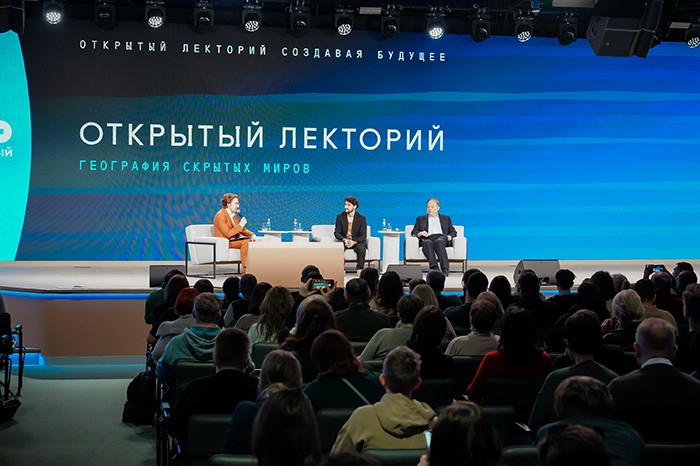
Access to space will become as routine as air travel, and the Moon may turn into a platform for monitoring the Earth. These forecasts were presented on 11 April during the session "Geography of Hidden Worlds" of the Open Lecture Hall "Inventing the Future:Geography" — an original project of the National Centre RUSSIA, launched following the II International Symposium "Inventing the Future". The speakers included space engineer Marat Ayrapetyan, Head of the Mars Simulation Mission Control Centre and VK Tech Prosvet (Tech Education) ambassador, and Huadong Guo, CEO of the International Research Center of Big Data for Sustainable Development Goals (CBAS).
The key focus of the session was the exploration of uncharted spaces — from the depths of the Earth to outer space. Experts discussed how infrastructure and models of life in space will evolve, as well as which technologies will enable careful exploration of the hidden corners of our planet. Marat Ayrapetyan suggested that space travel will eventually become a mass and accessible mode of transport, much like aviation, supported by the relevant infrastructure.
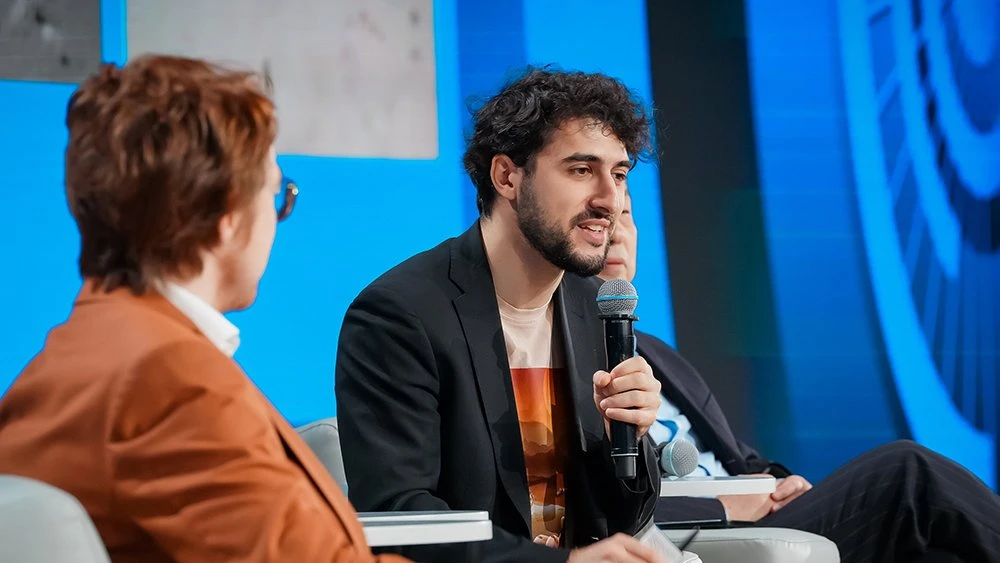
"Spaceflight is becoming more accessible. In the past, only military pilots could afford to fly, but the situation is changing — much like the evolution of aviation. In the 1950s and 1960s, air travel was expensive and seen as a status symbol. A few decades later, it became accessible to everyone. Similar processes are now taking place in space exploration. The years 2021–2022 marked a turning point for space tourism: more tourists travelled to space in a single year than in all previous decades combined. While a flight used to cost around 50 million dollars, it is now estimated at about 500,000. This trend is likely to continue," said Marat Ayrapetyan.
The expert also noted that in the future, permanent facilities will appear on Mars, and space will become a fully developed economic zone: manufacturing will move into orbit, resource extraction will begin on asteroids, and a satellite servicing industry will emerge. As a result, technologies developed for and within the space sector will naturally integrate into everyday life on Earth.

"Space has already transformed from something distant and romantic into a full-fledged industry that benefits life on Earth. A clear example is the use of satellite imagery. It is used to forecast crop yields, determine optimal harvesting times, and even identify pest locations based on pixel colour. In addition, space technologies are used to monitor emergencies such as wildfires. Many technologies originally developed for space exploration have entered everyday life, including applications in medicine, smartphone production, and other fields," added Marat Ayrapetyan.
Progress in space research continues to accelerate, noted Huadong Guo, CEO of the International Research Center of Big Data for Sustainable Development Goals (CBAS). For example, next-generation satellites such as SDGSAT-1 will make it possible to track even the smallest environmental changes.
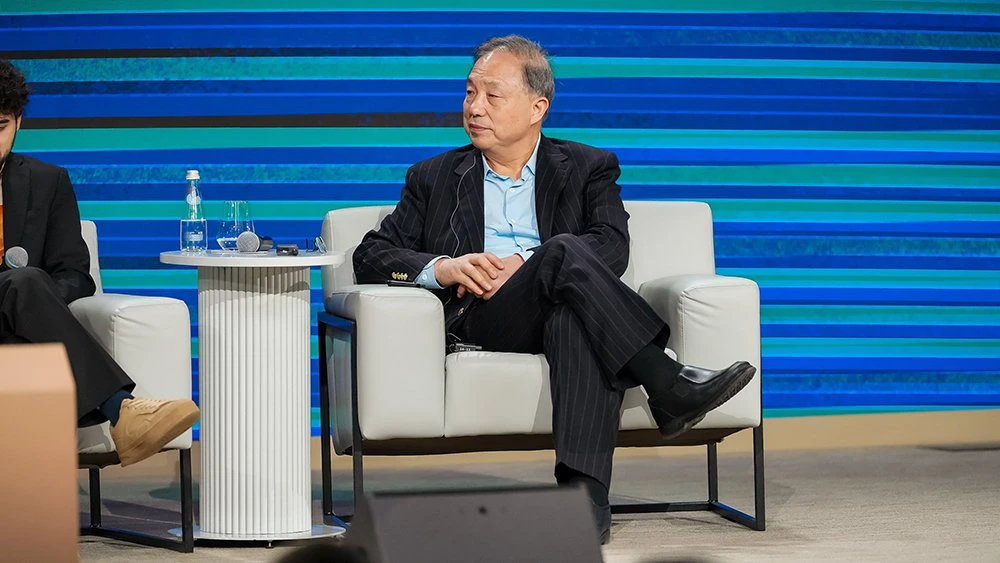
"Over the past 40 years, China has been actively launching its own satellites — meteorological, oceanic, resource-monitoring, and others — while also using international data. In total, we rely on 58 satellites. How does this help us study geography? With satellites, we analyse terrain and changes in vegetation cover, study global warming, use monitoring to prevent natural disasters, and track the condition of lakes, deforestation, and reforestation," said Huadong Guo.
The expert believes that the Moon could become a base for continuous observation of the Earth, and that the combination of lunar observatories and modern satellites will open up new possibilities for research.
"We are considering placing specialised equipment on the surface of the Moon and plan to use sensors, radar, and cameras to study it. In this way, the Moon could become a research hub that helps us better understand our planet. Technologies will continue to evolve: new platforms will emerge, and possibly new sensors with higher-resolution imaging. Big data offers us extensive opportunities to study the Earth," Huadong Guo concluded.
The Open Lecture Hall "Inventing the Future" continues the II International Symposium "Inventing the Future". It is held quarterly and brings together experts from different countries to collaboratively design positive future scenarios. The ideas of the speakers form the basis of neural videos that audiences can evaluate, becoming co-authors of inspiring concepts for societal development.
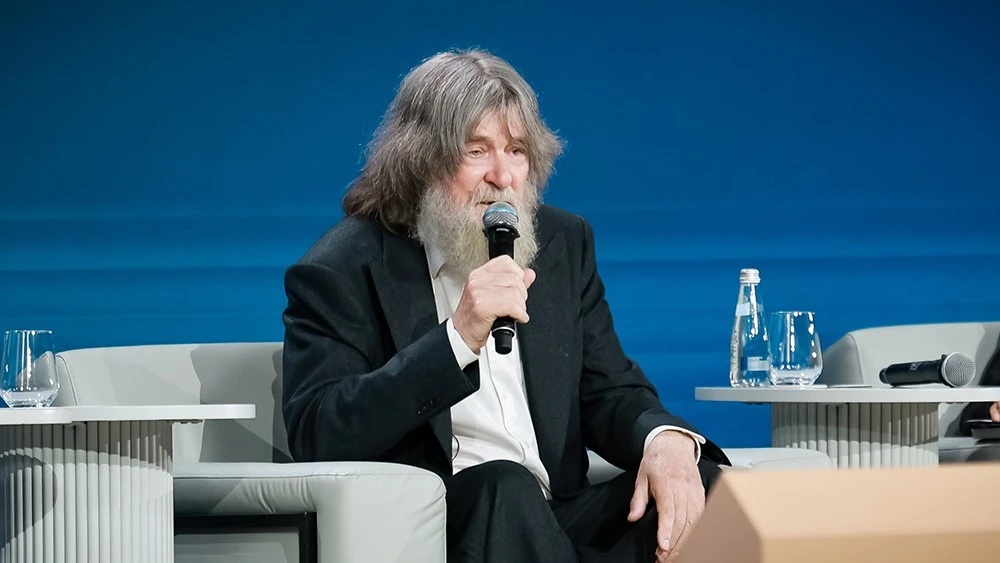
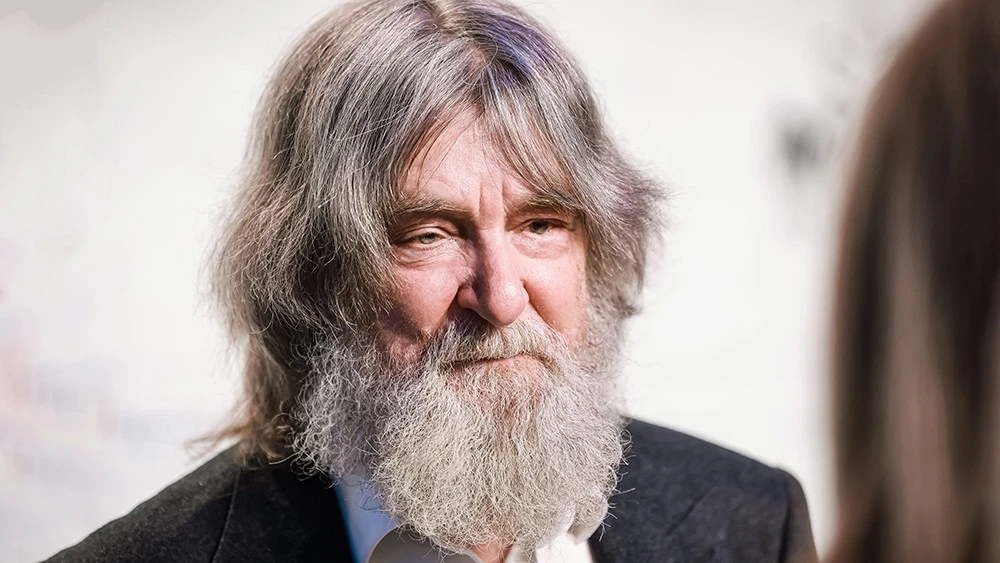
The event opened with the session "Geography of Travel", featuring Fyodor Konyukhov, a member of the Russian Geographical Society, and Serbian writer and Director General of the Museum of Serbian Literature, Viktor Lazic.
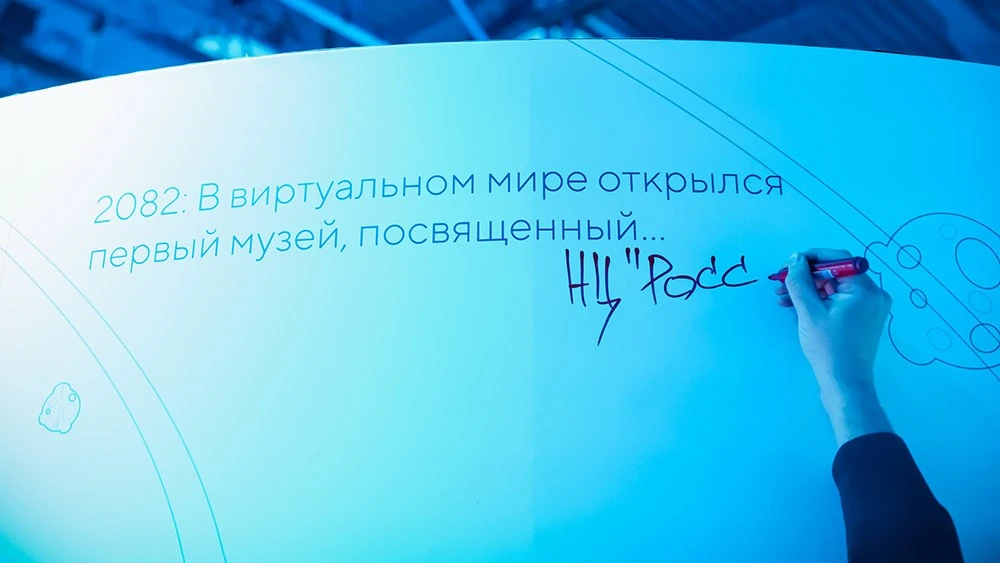
The event builds on the ideas of the exposition "Geography Lessons" and explores how the global resource map is changing under different climate scenarios, as well as how the relationship between humanity and space is evolving with technological progress. Visitors also experienced a dedicated musical programme and contributed to the collective installation "Map of 100 Years", leaving their predictions about what will be built, discovered, or transformed in the future on Earth, in space, in the water world, and in the digital environment.
Recordings of the lecture sessions are available on russia.ru in the "Livestreams and Videos" section.