


Russia is a whole continent: the Open Lecture Hall "Inventing the Future: Geography" takes place at the National Centre RUSSIA
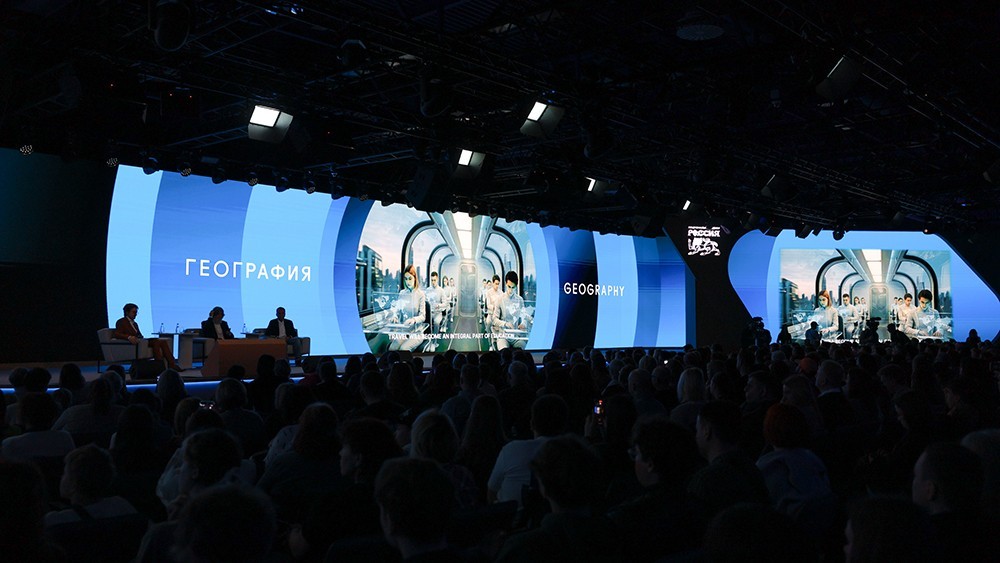
On 11 April, the original project Open Lecture Hall "Inventing the Future: Geography" opened at the National Centre
RUSSIA. The event began with the session "Geography of Travel". The
discussion featured Fyodor Konyukhov, a member of the Russian Geographical
Society, and Serbian writer and Director General of the Museum of Serbian
Literature, Viktor Lazic.
"I am glad to welcome everyone to the National Centre
RUSSIA on this bright pre-Easter Saturday. We continue our international open
dialogue, and today’s lecture is titled 'Inventing the Future: Geography'. I
would like to thank all the experts from around the world who have joined our
discussion today, including our colleagues from the CIS countries, Asia, and
the Arab world. We will talk not only about exploring space and the underwater
world, but above all about understanding ourselves," said the Director
General of the National Centre RUSSIA, Natalia Virtuozova, addressing the
participants.
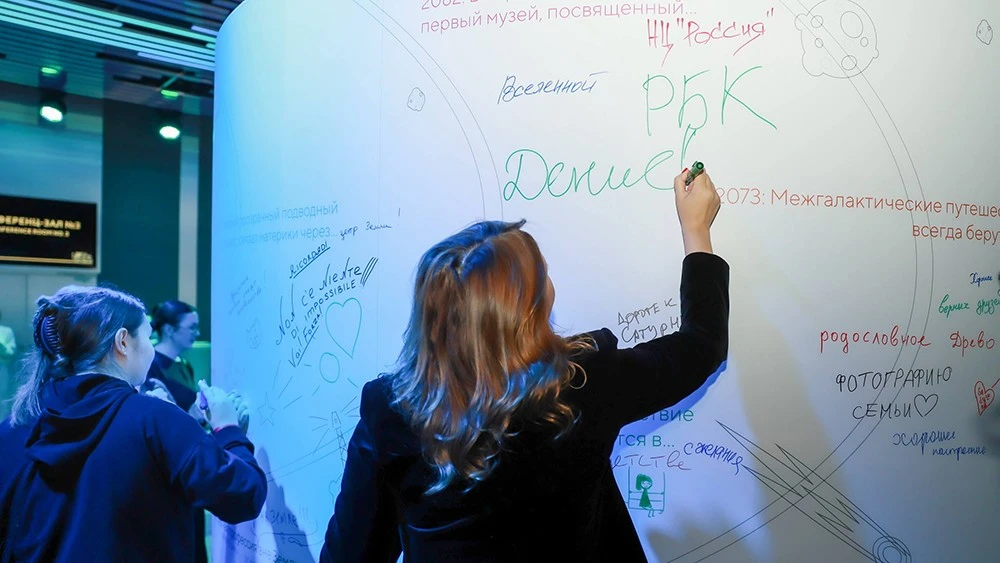
Alongside the expert sessions, a special installation
"Map of 100 Years" is on display, where visitors can become
co-authors of a shared vision of the future by writing or sketching their ideas
about the coming century. Natalia Virtuozova left the word "Love" on
the map, noting that it is the foundation on which both the world and our
country stand.
During the session "Geography of Travel", renowned
traveller and member of the Russian Geographical Society Fyodor Konyukhov spoke
about his recent work studying microplastics in Antarctica. According to him,
this issue is being actively researched by an international scientific
community bringing together 30 countries, including Russia. He noted that
different countries approach the problem in different ways: Russia studies it
through penguins, China through seals, Argentina through fish, and Spain
through air and snow. At the same time, Antarctica remains a space for
international scientific cooperation. He thanked his fellow researchers from
around the world who are involved in studying microplastics, including Richard
Branson (United Kingdom), Bertrand Piccard (Switzerland), and Jean-Louis
Etienne (France).
He also noted that modern technologies have significantly
transformed the work of travellers and researchers: satellite navigation,
reliable communication, and digital tools make it possible to stay connected
and quickly share data even from the most remote parts of the planet, making
expeditions safer and more efficient.
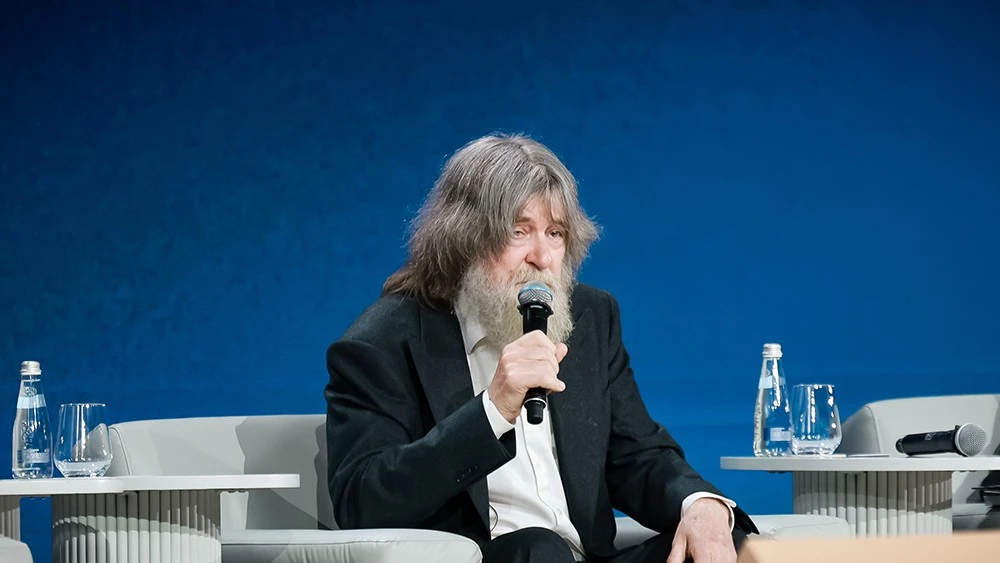
"Russia is not just coordinates. Even five kilometres
or five miles already feels like a distinct space. Today, everything is defined
through GPS and satellites: whether in Antarctica or anywhere else in the
world, I can easily make a phone call. Sometimes I catch myself thinking that
old ideas no longer apply — time is moving forward. But the future ahead of us
is truly beautiful," the traveller said.
Fyodor Konyukhov also shared his reflections on the role of
geography in preserving historical memory and the importance of scientific
discoveries for the country: "I believe our President, Vladimir Vladimirovich Putin, is a romantic and a dreamer. It is easy to see. He has
spoken about the importance of restoring Russian names to the world map — so
that we remember and know that it was our explorers who made these discoveries.
In this sense, geography plays a special role: it helps preserve this memory
and understand our place in the world."
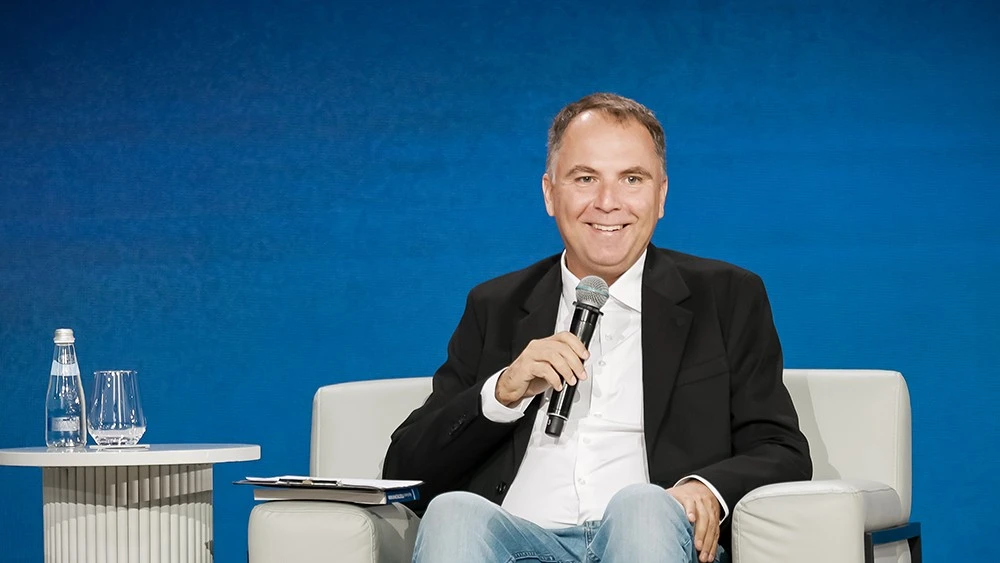
In his remarks, Serbian writer Viktor Lazic noted that
travel is an essential part of human nature and a powerful tool for
self-discovery, helping us better understand ourselves and overcome prejudice —
an idea once expressed by Mark Twain. Drawing on his 15 years of travel
experience, he explained that every long journey profoundly transforms a
person, and these transformations are reflected in his work.
"I spent more than two years exploring Russia, but to
truly understand it would probably take two lifetimes — perhaps even more. In
one of my books, I wrote that Russia is not a country, but an entire continent.
I do not see it as something foreign: I feel the same in Belgrade as I do in
Vladivostok. I cannot say that about other regions of the world — with Russia,
this feeling is much stronger," said Viktor Lazic.
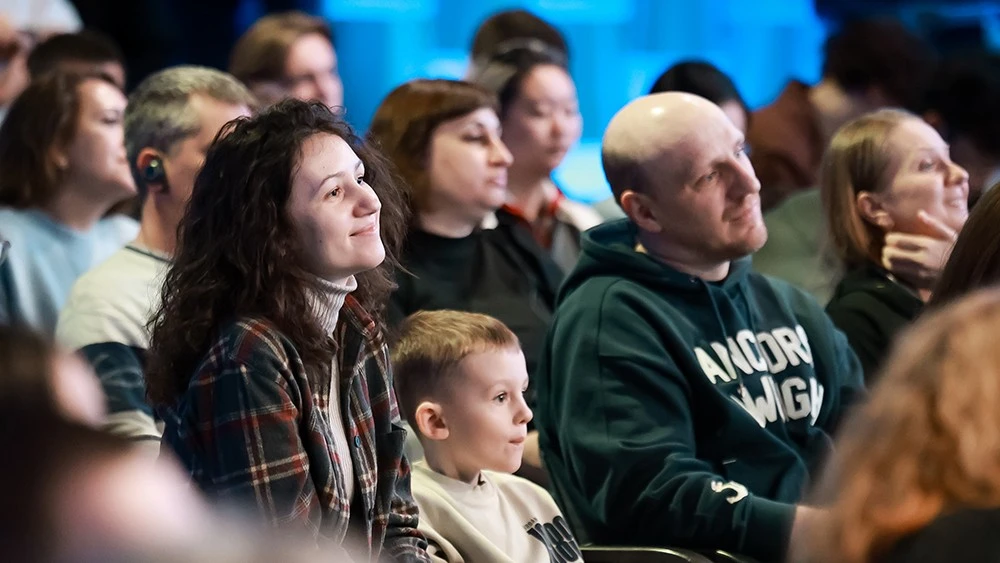
As part of the Open Lecture Hall "Inventing the Future:
Geography" at the National Centre RUSSIA, panel sessions are being held on
geography and related topics. Renowned experts, scientists, science
communicators, and travellers are discussing how climate change will affect
natural zones, the economy, and people’s way of life, as well as how
infrastructure and living models in space will evolve.
Among those presenting their ideas are space engineer Marat
Ayrapetyan, a member of a satellite development team, author of the blog
"Yura, We Will Make It!", and VK Tech Education ambassador; Huadong
Guo (China), Director General of the International Research Center of Big Data
for Sustainable Development Goals (CBAS); and geographer, geochemist, and geoecologist
Yaroslav Lebedev, Senior Lecturer at the Department of Environmental Management
of the Institute of Ecology at RUDN University.
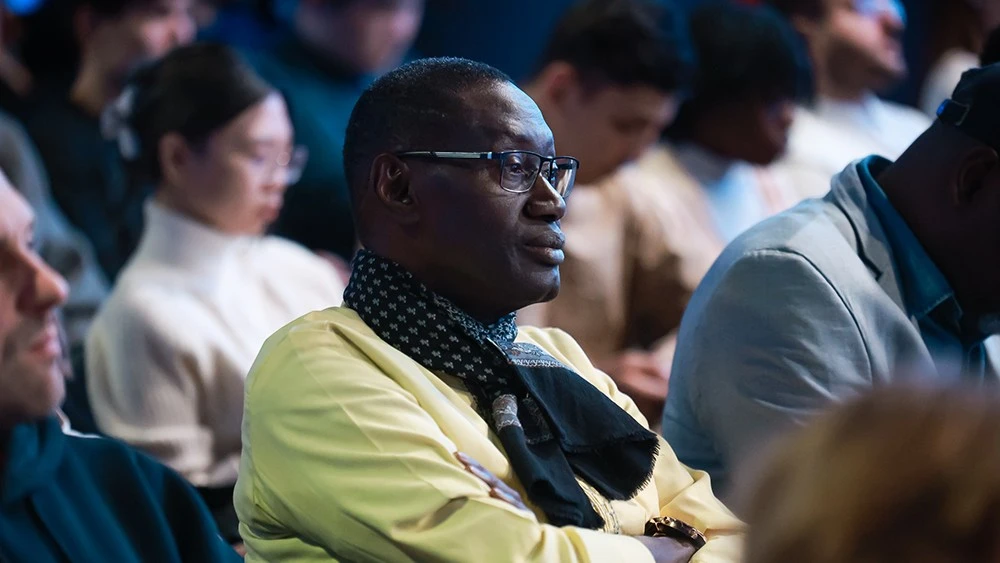
As part of the lecture hall, the experts’ ideas are
visualised in neural videos — short clips that are then evaluated by the audience.
This format not only encourages discussion of future scenarios but also makes
them more tangible, helping to generate inspiring ideas for the development of
society.
The Lecture Hall "Inventing the Future: Geography"
continues the ideas of the exposition "Geography Lessons", which is
taking place at the National Centre RUSSIA, and explores travel as a path to
self-discovery and the exploration of new spaces — from outer space to the
depths of the ocean.
The Open Lecture Hall "Inventing the Future: Geography"
is an original project of the National Centre RUSSIA. The event brings together
experts from different countries to jointly develop positive scenarios for the
future. Livestreams are available on russia.ru in the "Livestreams and
Videos" section.
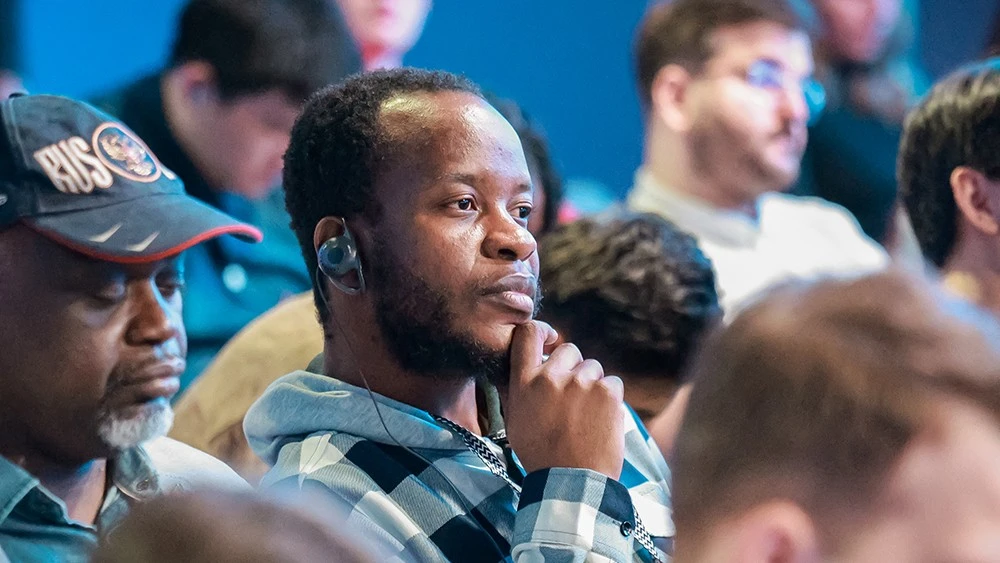
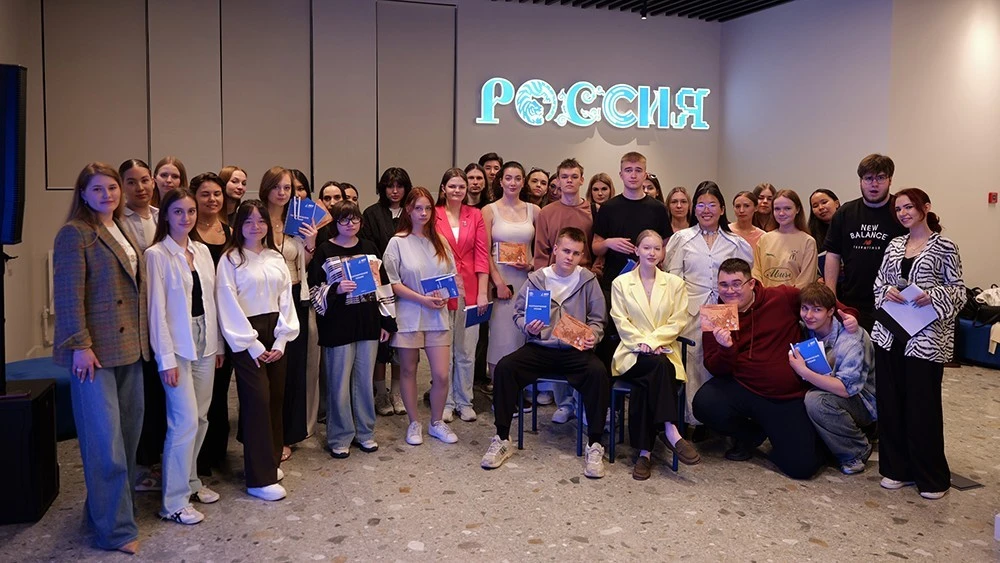
As part of the Open Lecture Hall "Inventing the Future: Ecotourism", the geographical readings "Mosaic of the Peoples of the Far East" were also held.
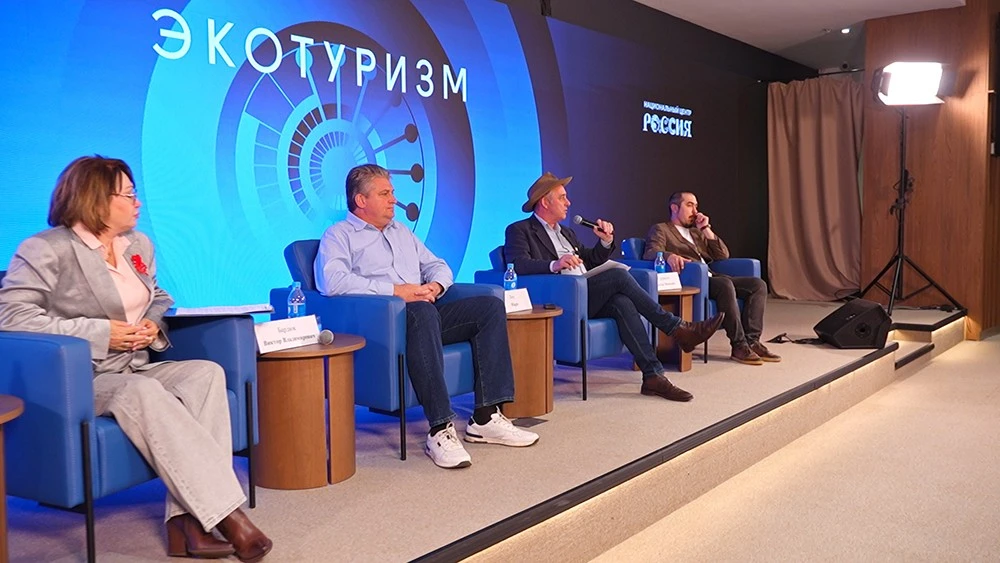
The Open Lecture Hall "Inventing the Future: Ecotourism", an original project by the National Centre RUSSIA, was held in Vladivostok for the first time.
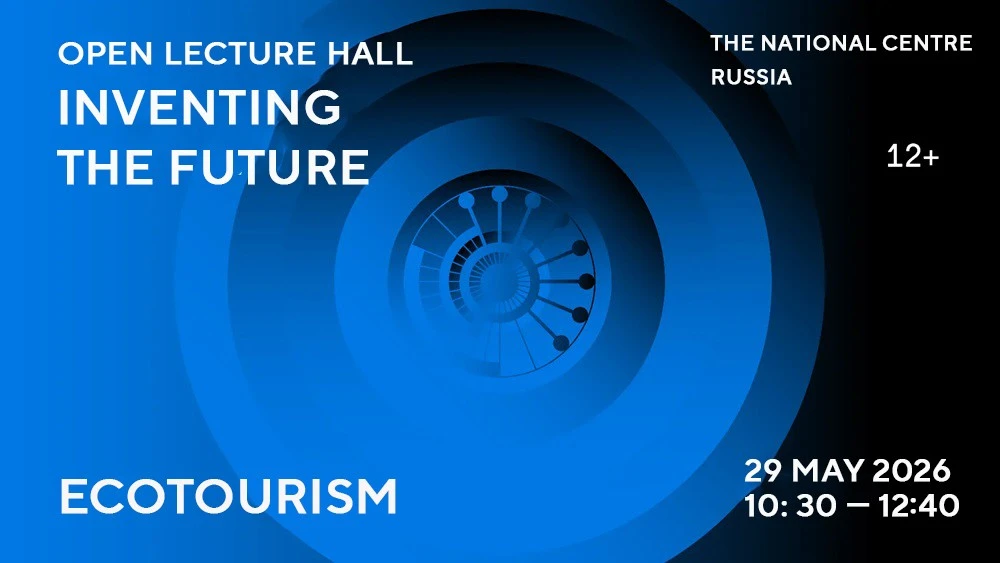
The Open Lecture Hall "Inventing the Future: Ecotourism", an original project of the National Centre RUSSIA, will be held for the first time at the National Centre RUSSIA in Primorye on Friday, 29 May.


