

When two families become one: the wedding circle dance of the Volga peoples
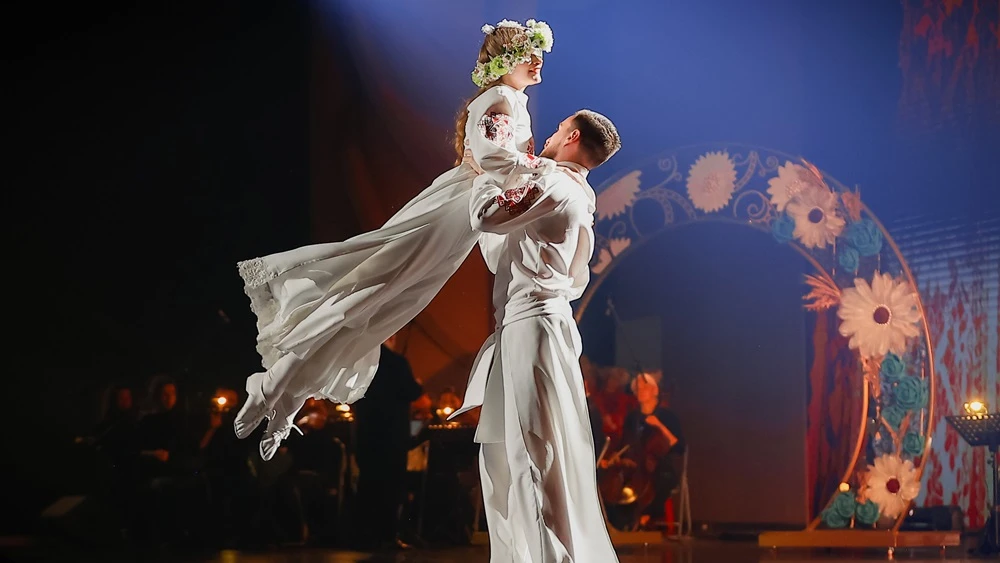
A wedding has never been a celebration only for the bride and groom: it brings together parents, relatives, neighbours and entire generations. This is why a shared circle dance became one of the central moments of wedding celebrations among many Volga peoples — a symbol that two families were beginning a new shared history. The Steppe Melodies State Song and Dance Ensemble draws on this ancient tradition in the musical and choreographic parable "Khorovod. Wedding", presented at the National Centre RUSSIA as part of the III All-Russian Wedding Festival "Russia. Uniting Hearts".
The peoples of the Volga Region and Russia's steppe regions viewed marriage as a union not only between two people but also between two families. Wedding rituals were therefore rarely limited to a single ceremony. Dozens of relatives took part, while songs, dances and blessings accompanied the newlyweds at almost every stage of the celebration — from the groom's arrival to the bride being welcomed into her new family.
The circle dance held a special place in the celebrations. It could be performed several times during the wedding: first by young people from the bride's family, then by the groom's relatives, and once the main rituals had concluded, everyone at the celebration joined the circle. This symbolised the union of two families that accepted one another and became a single whole.
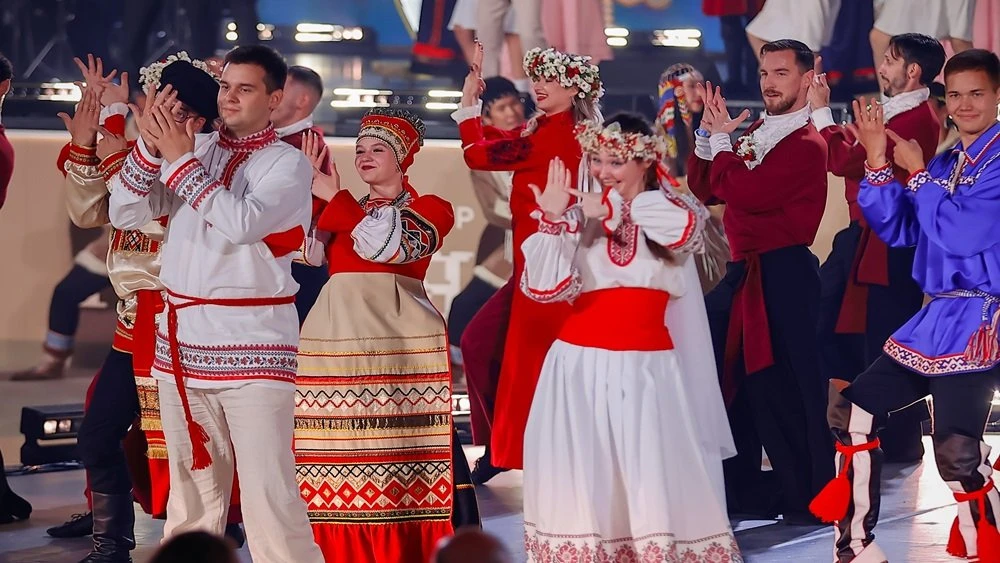
The circle itself was central to the dance for a reason. In the traditional cultures of many peoples, it symbolised the continuity of life, harmony, unity and the continuation of the family line. Moving together in a circle was believed to unite people and serve as a blessing for the young family, wishing them peace, prosperity and a long, happy life. In many traditions, the circle dance also had a protective meaning: it seemed to create a symbolic circle of protection around the newlyweds.
Wedding circle dances were rarely performed without music. They were accompanied by folk songs and traditional instruments. In some regions, the wedding festivities became a genuine friendly contest between the groom's and bride's families. They competed in singing, dancing and musicianship, demonstrating not rivalry but mutual respect and their readiness to become one large family.
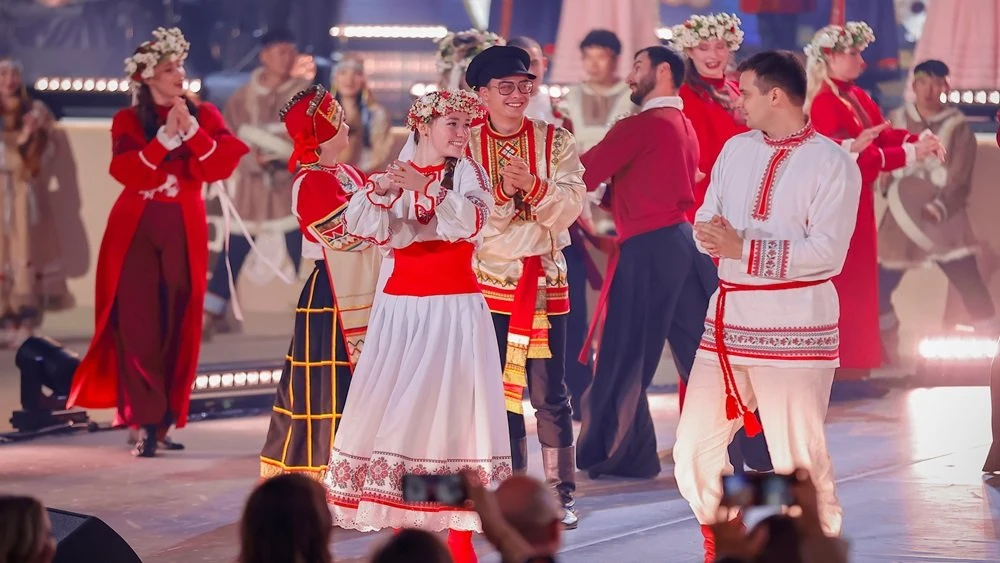
The wedding circle dance became a natural part of the musical and choreographic parable "Khorovod. Wedding". The production brought together the wedding traditions of different peoples of our country in a single narrative about love, family and continuity between generations. Here, the circle becomes not only a choreographic formation but also a symbol of vast Russia, where every culture preserves its traditions while sharing the same fundamental values — love, respect for elders and family unity.
In a traditional Russian wedding, special symbolism was present not only in the bride's dress. The groom's costume was also a kind of message, encrypted in thread patterns and accessories.
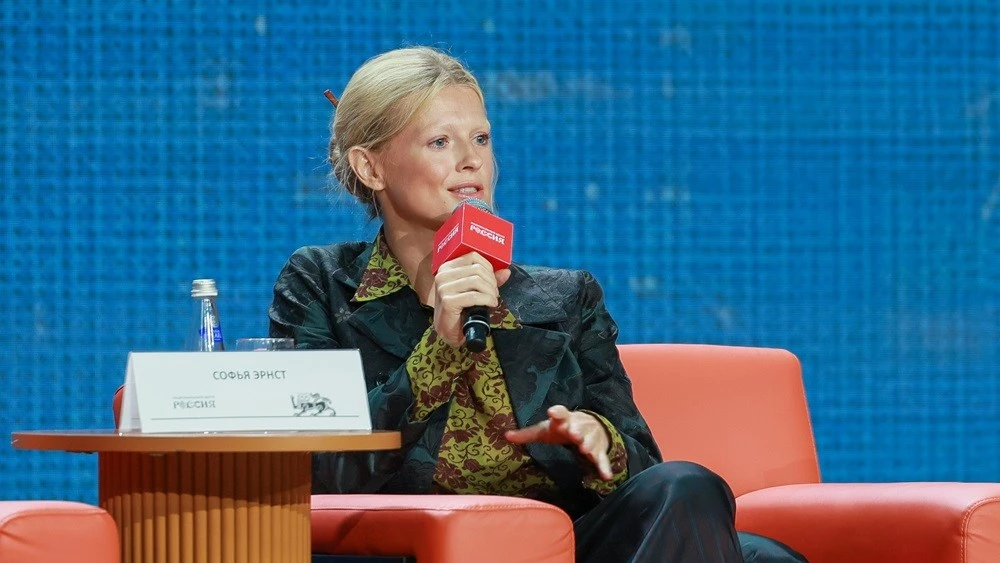
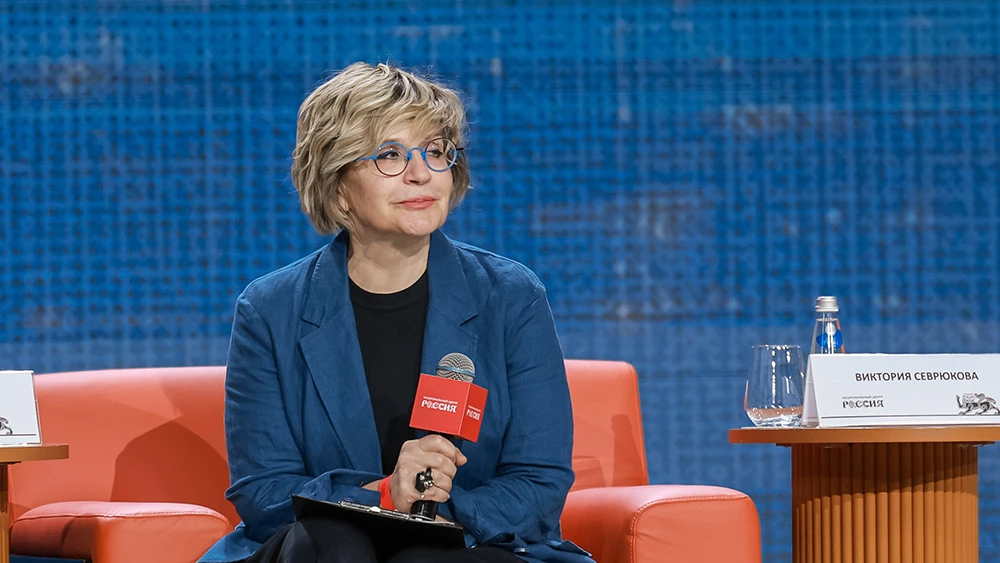
The open dialogue "Forms of Love: Literature and Art" formed part of the educational programme of the III All-Russian Wedding Festival "Russia. Uniting Hearts".
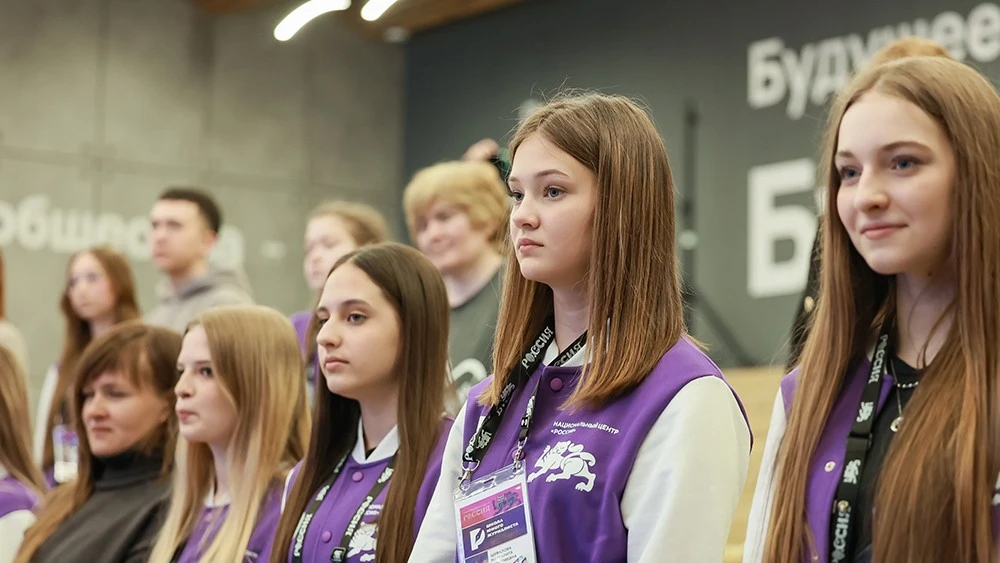
Alongside federal and regional media outlets, the event also received coverage from graduates of the Young Journalists School of the National Centre RUSSIA.


