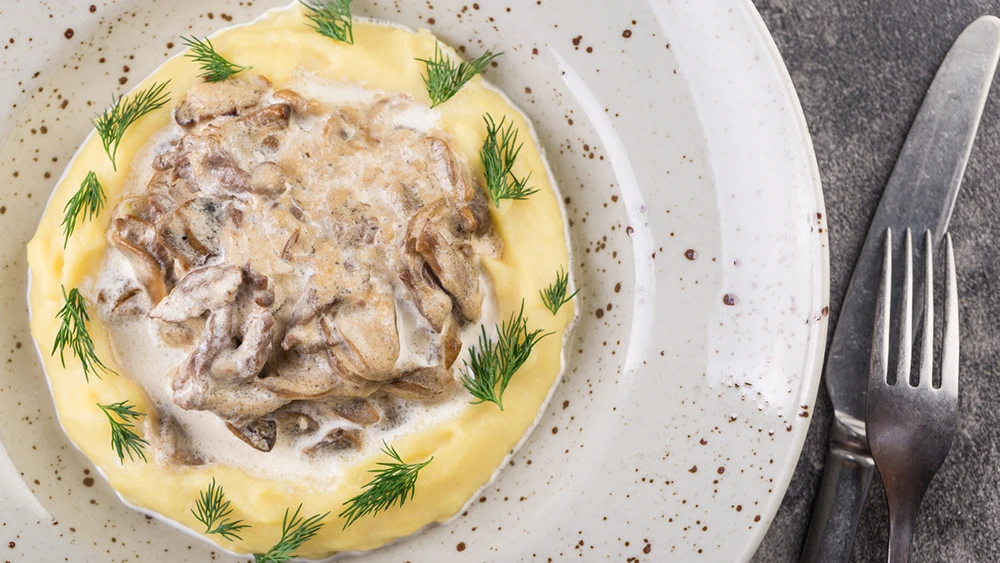
The National Centre RUSSIA team and the Zaraysk administration discussed prospects for cooperation
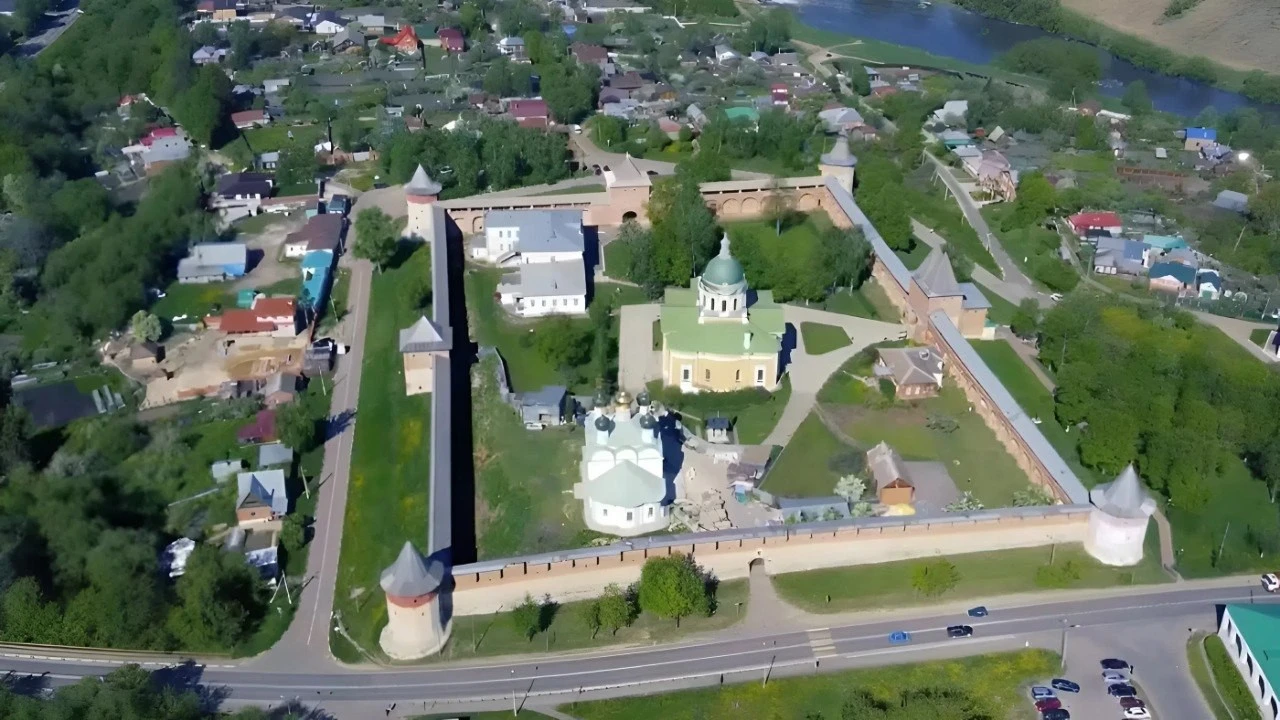
The National Centre RUSSIA team, headed by Director General Natalia Virtuozova, visited Zaraysk in the Moscow Region, where they inspected locations for holding a major international event. A meeting was also held with Minister of Culture and Tourism of the Moscow Region Vasily Kuznetsov and Head of the Urban District Viktor Petrushchenko to discuss opportunities for cooperation, as the city will become one of the key locations of the future project.
"Zaraysk is an astonishingly distinctive city, unlike any other. Here, you can feel the genuine Russian spirit: it is in the silence of the old streets, in the landscape, in the people and in the very atmosphere of the place. In Zaraysk, different eras are intertwined — from ancient human settlements and defensive frontiers to the creative legacy of Fyodor Mikhailovich Dostoevsky and bold modern initiatives. It is precisely such unique places that become points of attraction for profound meanings and genuine cultural dialogue," noted Director General of the National Centre RUSSIA Natalia Virtuozova.
The first point on the route was the White Well, which has a history spanning many centuries. According to legend, the spring appeared in the early 13th century after an icon of Saint Nicholas the Wonderworker appeared to Prince Fyodor Yuryevich. The team inspected the area and assessed its potential for cultural and educational events.
The delegation of the National Centre RUSSIA then explored the Zaraysk embankment, which is more than one kilometre long and includes landscaped walking areas along the Osyotr River, observation decks and places for relaxation. They offer views of the historic part of the city and the Zaraysk Kremlin, which became the next point on the route.
It is the only kremlin that has been fully preserved in the Moscow Region. The stone structure on the right bank of the Osyotr River was built in 1528–1531 by order of Grand Prince of Moscow Vasily III. It became an important element of the defence system on the southern borders of the Russian state, which at that time were regularly raided by the Crimean Tatars.
The Cathedral of Saint John the Baptist was built on its territory. One of the church’s main shrines is the miraculous icon of Saint Nicholas, known as "Nikola Zaraysky". It was returned to the cathedral on 11 August 2013 — an event of great importance for the city, as for centuries the icon had been revered as the main shrine of the Zaraysk land.
The church not only preserves the memory of ancient events, but is also connected with the history of Russian culture: it contains the coffin with the ashes of Maria Fyodorovna Dostoevskaya, the mother of the great Russian writer Fyodor Mikhailovich Dostoevsky. The history of Zaraysk is closely linked with the novel "The Brothers Karamazov". This is the place where the writer spent his childhood years and where many motifs of his work were formed. His last visit to the city took place in 1877. According to the memoirs of Fyodor Dostoevsky’s wife, he visited places dear to him and even walked to "Cheremashnya", which he had loved in childhood and after which he later named a grove in the novel "The Brothers Karamazov". This trip became an important creative journey for him — local people and the impressions it left formed the basis for the journalistic chapters of "A Writer’s Diary" and the novel.
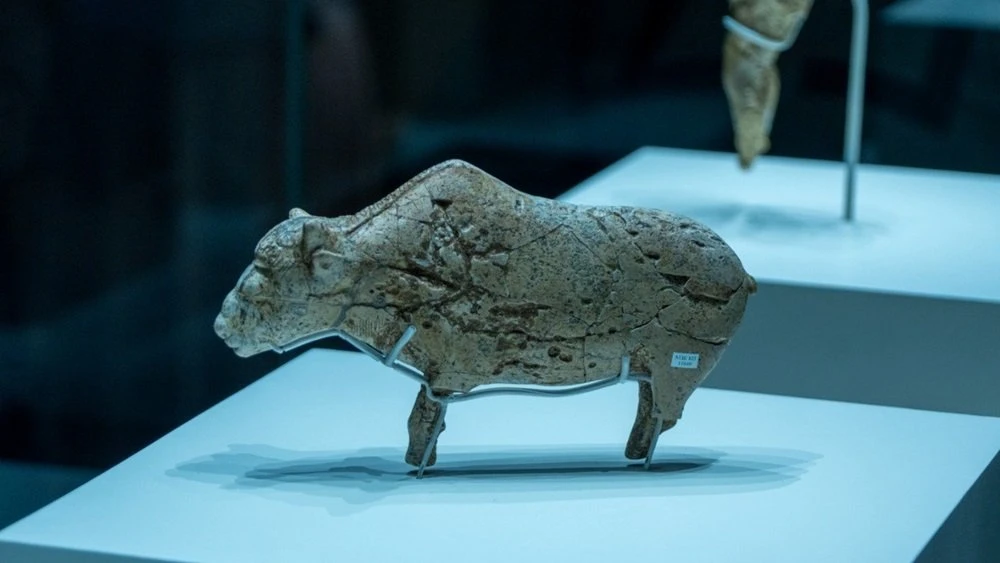
The Zaraysk Kremlin also houses a museum. One of its main exhibits is the world’s only bison figurine, more than 22,000 years old. It was discovered in 2001 during archaeological excavations in Zaraysk. The artefact was in poor condition, so archaeologists did not leave the excavation site for several days. The restoration proved extremely complex and became known in the academic community as a "restoration feat".
"The Zaraysk bison is the only figurine of this animal in the world. In 2013, it was presented at the British Museum in London at the Ice Age art exposition 'The Birth of the Human Mind', where Russia was represented by the Zaraysk Museum alongside the Hermitage and the Kunstkamera. The bison was given a separate display case and opened the exposition: every visitor entering the hall saw it first — illuminated and highlighted as the central image. After this exposition, people in Europe began calling it a masterpiece by a prehistoric Michelangelo, while leading global publications unanimously noted its uniqueness and the exceptional level of craftsmanship," said Zaraysk Museum guide Irina Gorodentseva.
The museum also presents archaeological collections from one of the oldest human settlements in Russia. Visitors can see ancient household items and tools found during excavations. Separate halls are dedicated to the history of Zaraysk Uyezd, as well as to the development of culture and trade. The museum’s art collection includes works of painting, graphic art and sculpture, while decorative and applied art is represented by porcelain, furniture, textiles and metalwork.
"What makes the museum unique is that all the items presented here belonged to residents of Zaraysk Uyezd. One of the most striking figures is the first Russian woman sculptor, Anna Semyonovna Golubkina, who was born here and spent a significant part of her life here. Her works, distinguished by profound psychological insight and a subtle understanding of human character, are now presented in our museum, which holds both original works and materials connected with her creative legacy and life," Irina Gorodentseva said.
The jewel of the "Russian Art of the 18th — Early 20th Centuries" hall is a portrait of Countess Maria Alexandrovna Keller, the last owner of the Sennitsy estate, by the artist Lev Samoilovich Bakst. The work was exhibited in New York in the late 20th century to mark the anniversary of Sergei Diaghilev’s "Russian Seasons". The painting has been displayed several times at the Pushkin Museum in Moscow, in 2019 at the Manege as part of the "Treasures of Russia’s Provincial Museums" exposition, and the portrait will soon travel to the State Russian Museum in Saint Petersburg.
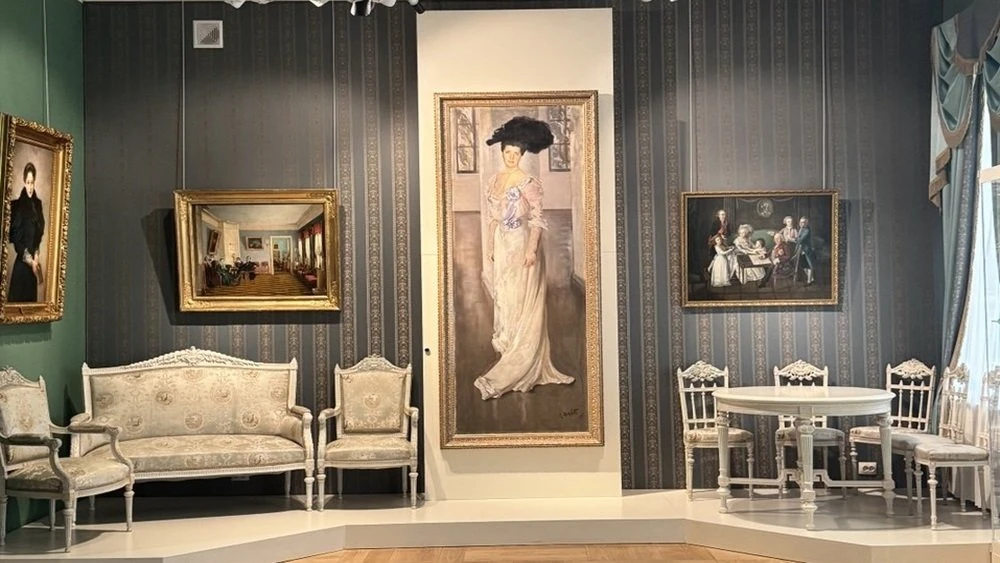
"The hall also features portraits of the nobility of the 18th and 19th centuries. The value of the collection lies in the fact that it is a miraculously preserved, unified part of an old noble family portrait gallery, rather than a set of scattered items. Its founder was Prince Alexander Mikhailovich Golitsyn, Vice-Chancellor and Privy Councillor to Catherine II. The collection was then continued by his children and grandchildren. Among the miniature portraits are the prince’s children. The collection comprises around three dozen works — an exceptionally rich assemblage. Collections of painting and decorative and applied art were gathered over three centuries. The last owner, Maria Alexandrovna Keller, was one of the well-known collectors of art objects," Irina Gorodentseva added.
In addition, one of the halls presents an exposition of foreign furniture and interior items from the 18th and 19th centuries from various countries in Europe and Asia, which were kept in noble estates and merchant houses of Zaraysk Uyezd: an 18th-century French clock, a 19th-century table and bookcases, a German living-room armchair, a Venetian mirror, a French Boulle-style cabinet, as well as decorative art objects from China.
Cooperation between the National Centre RUSSIA and the Zaraysk Urban District will make it possible to present the city’s historical treasures to a broad international audience. Local stories will come together into a single picture of national legacy, capable of inspiring people around the world.
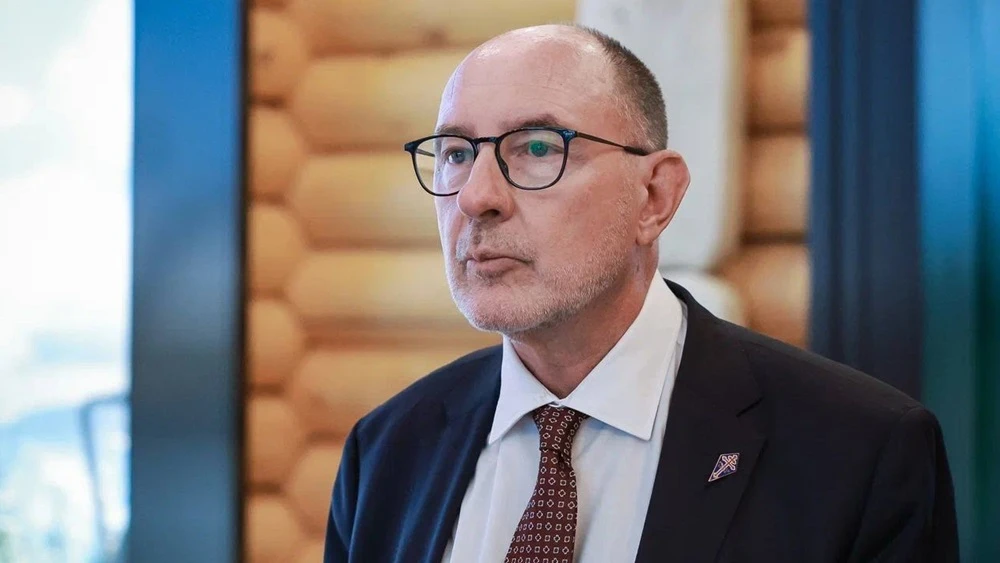
The National Centre RUSSIA welcomed distinguished guests from France.
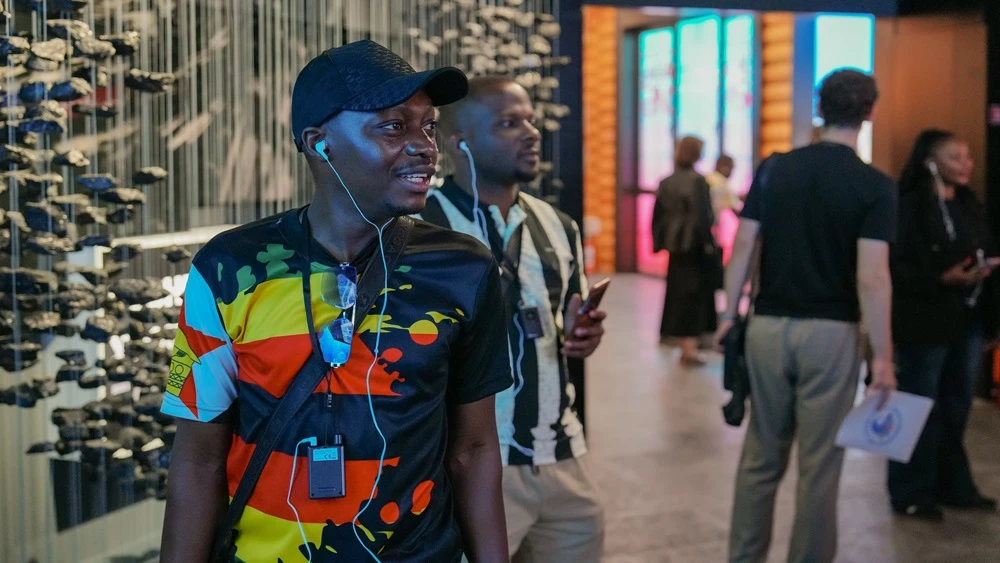
Anyone can take part in the survey and share their thoughts on what the Motherland means to them on the russia.ru website, either in writing or by recording a video message.