


In survey on the country’s future, Russians name strong families as the most important value
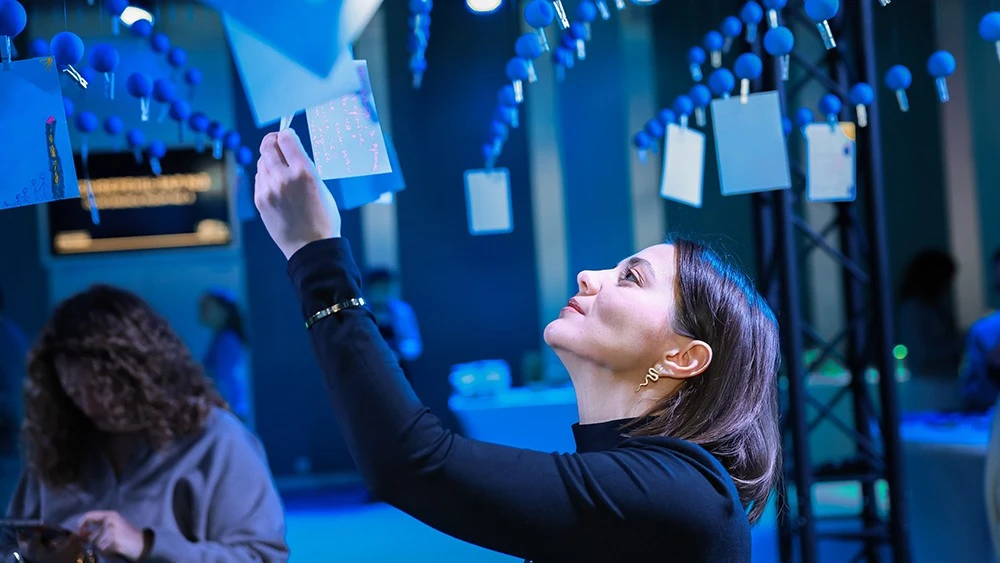
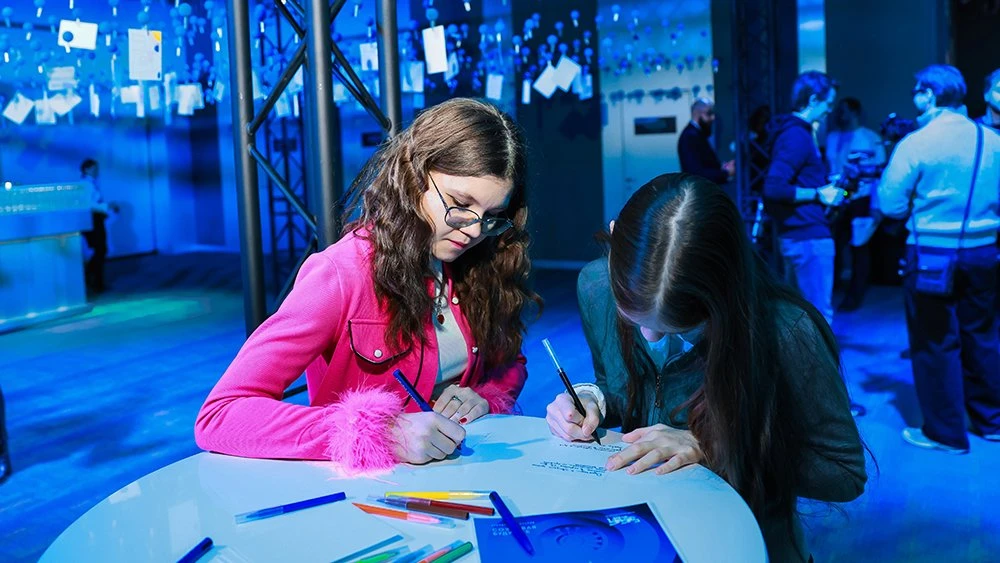
Ahead of the final of the II Video Essay Contest "Dreams
of the Future" and the III International Symposium "Inventing the
Future" at the National Centre RUSSIA, the editorial team of the Mail News
project explored Russians' views on life in the country 20 years from now. The
findings revealed that respondents see demographic challenges and improving
quality of life as the key issues of the future, place the highest value on
family, and believe that success cannot be measured by money alone.
The survey was conducted among readers of the Mail News
project. More than 10,000 people from over 50 regions of Russia took part.
Family comes first
The survey showed that the majority of Russians (54 percent)
believe that the best contribution to the future is building a strong family
and passing traditional values on to younger generations. Other responses
attracted significantly less support: 23 percent of respondents would like to
improve the lives of people around them, 9 percent would like to pass on their
professional achievements to future generations, and 8 percent would like to
leave a legacy through creative accomplishments.
Views of the family of the future remain largely
traditional. Thirty-eight percent of respondents said that, in the future as
today, the most important aspects of family life would be financial stability
and caring for children. Only 24 percent believe that the family model will
change. Meanwhile, 13 percent place particular importance on preserving family
traditions; 11 percent consider shared interests, personal development and
spending leisure time together as the main values of the future family; nine
percent prioritise emotional closeness and harmony; and six percent especially
value time spent together.
These responses closely correlate with perceptions of the
key challenges of the future. As many as 57 percent of respondents believe that
the main tasks over the next 20 years will be increasing birth rates and
improving quality of life. Twenty-eight percent think the state should focus
primarily on developing technology and science. Eleven percent place the
preservation of culture and social unity first, while four percent prioritise
addressing environmental issues and adapting to climate change.
A country of opportunity
When asked what will make life in Russia attractive in 20
years' time, respondents offered a wide range of views. Twenty-six percent
named a safe environment and opportunities for self-realisation as the main
advantages of future life in Russia. Eighteen percent believe Russia will be
able to take pride in accessible, high-quality healthcare. The same proportion
see the country's greatest strength in preserving traditions while remaining
open to innovation. Another 17 percent associate future advantages of living in
Russia with advances in science and technology, 13 percent — with educational
and career opportunities, and 9 percent — with highly developed digital
services.
Survey participants also attempted to define the foundations
of national identity. Thirty-six percent believe that shared history, culture
and the Russian language form the basis of national unity. Slightly fewer
respondents (31 percent) associate national identity with science and
technology. For 20 percent, it represents a combination of tradition and
modernity, while 14 percent believe that mutual support and shared values lie
at its core.
Youth and success
The survey invited respondents to consider the role of
teenagers in shaping the future: do they create tomorrow themselves, or are
they destined to live in a world designed by adults? Opinions were divided.
Forty-one percent said that teenagers lack the life experience necessary to have a real influence on the country's future. However, the same proportion believe that young people should be listened to because they are capable of generating excellent ideas. Fourteen percent were even more emphatic, arguing that teenagers are better at recognising change and adapting to new technologies. These findings resonate with the results of the Video Essay Contest "Dreams of the Future", organised by the National Centre RUSSIA for young people aged 12 to 18. They show that participants are determined to build the future with their own hands. Today's teenagers draw inspiration from characters such as Alisa Seleznyova and the characters of the film Moscow–Cassiopeia. They see themselves as independent explorers, initiators of important projects, defenders of nature and pioneers of new planets.
It is clear that the younger generation is shaping a new
understanding of success. In the survey, 43 percent of respondents said that a
single definition of success will disappear in the future and that success will
mean something different to each individual. Twenty-nine percent disagreed,
insisting that money and status will always matter. Twenty-four percent believe
that future success will be defined by quality of life and inner harmony, while
four percent think that contribution to society and helping others will become
the primary measure of achievement.
Ecopolises and cyber-villages
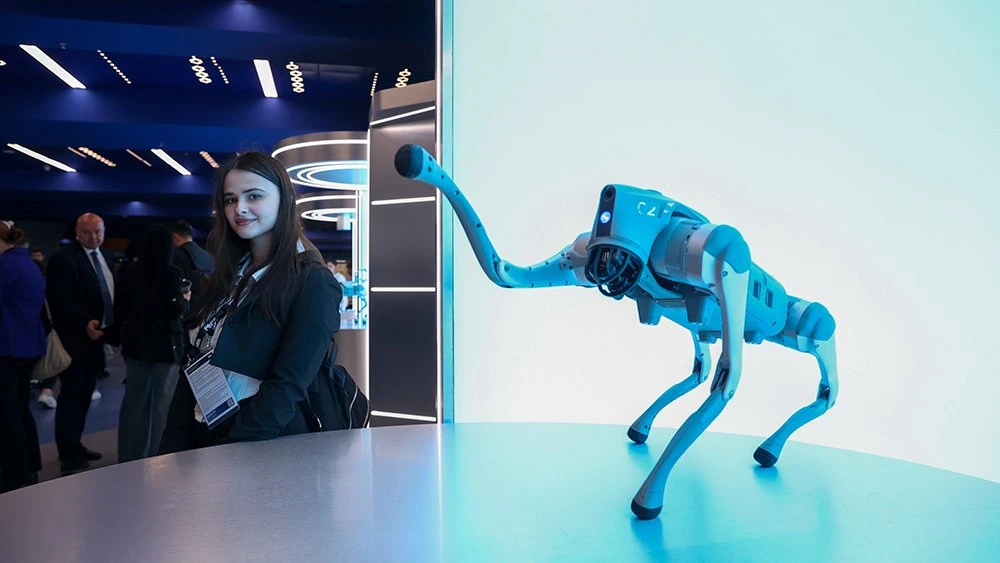
Most respondents believe that cities and villages will change very little in the future. This view was shared by 65 percent and 68 percent respectively. Sixteen percent envision environmentally friendly cities with parks, green spaces and comfortable living environments. Seven percent imagine technologically advanced megacities driven by digital services and automation. The same proportion favour compact cities where everything people need is located close to home. Five percent prioritise flexibility for remote work and living across different districts.
It is worth noting that teenage participants in the
"Dreams of the Future" contest imagine far more radical
transformations. The overwhelming majority believe that future cities will
become "alive" in the literal sense: buildings made from sustainable
materials will automatically regulate temperature, lighting and humidity;
closed-loop production systems will eliminate pollution; and future
achievements in science and technology will make robots responsible for
maintaining cleanliness, caring for plants and collecting waste.
Views of the village of the future are equally diverse.
Fourteen percent of respondents think that there will be modern settlements
located near major agricultural production centres, while 13 percent envision
small farms supported by advanced technologies. Three percent believe villages
will become environmentally focused destinations for tourism and recreation,
while two percent suppose that rural communities will eventually transform into
IT settlements that support remote work in natural surroundings.
The future outlined by the survey respondents will be
explored in greater detail by participants in the III International Symposium
"Inventing the Future", which will take place at the National Centre
RUSSIA in autumn 2026. Key topics
will include the direction of scientific progress, the consequences of
digitalisation, environmental development, and the transformation of family
life.
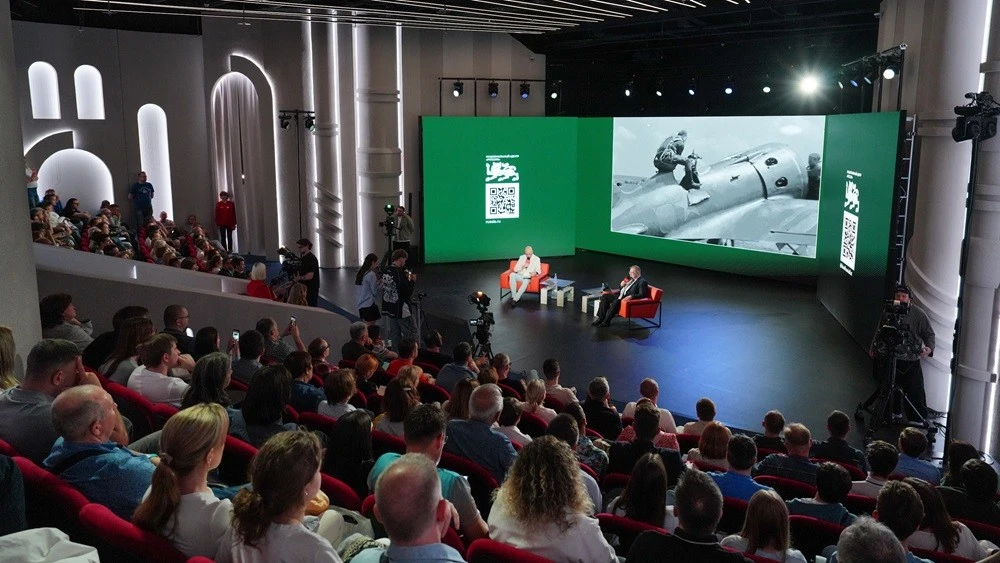
The conversation began with an examination of how Europe gradually, step by step, moved towards another major conflict after the First World War.
The survey was conducted from 3 to 8 June. A total of 1,712 women from across Russia took part.
The National Centre RUSSIA will serve as the main venue for a major event in the field of education — the Forum of Geography Teachers and Students of Specialised Universities.


