


The Moon, Mars and the future of humanity — in a new episode of the "Russia Speaks" podcast
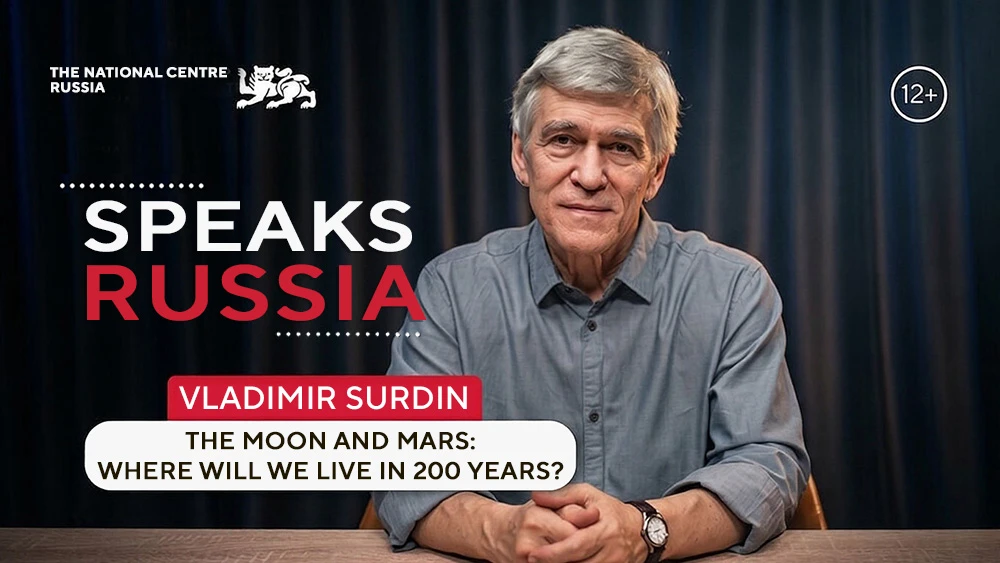
A
new episode of the "Russia Speaks" podcast, "The Moon and Mars: Where Will We Live in 200 Years?", has been published on the National
Centre RUSSIA website. The guest is Vladimir Surdin, Candidate of Physical and
Mathematical Sciences, Senior Researcher at the Sternberg Astronomical
Institute of Moscow State University, astronomer and science communicator.
Together with host Angelika Kiryan, he discussed the past, present and possible
future of space exploration — from the first satellites and lunar missions to
interstellar travel.
Vladimir Surdin explained why the heroic era of space exploration has gradually
given way to routine work, although the significance of scientific discoveries
has not diminished. The expert also discussed the Soviet breakthrough in space,
Russia's current position in the industry and the prospects for private
spaceflight. According to him, the development of new companies and technologies
could give the industry fresh momentum, although large-scale space programmes
still require state involvement.
The central topic of the conversation was the exploration of the Moon and Mars.
Vladimir Surdin explained why the Moon could become an important stepping stone
towards more distant expeditions and, at the same time, a "lifeboat"
for Earth. The discussion covered reserves of water ice at the poles,
protecting future colonists from radiation, lunar caves and the practical use
of the Moon's resources. The astronomer noted that the first settlements would
probably be located beneath the surface, where natural shelters could protect
people from dangerous cosmic radiation.
The podcast is available to watch on the National Centre RUSSIA website.
The original "Russia Speaks" project continues the tradition of open
conversations with scientists, researchers and representatives of different
professional communities about knowledge, technology and ideas shaping the
vision of the future.
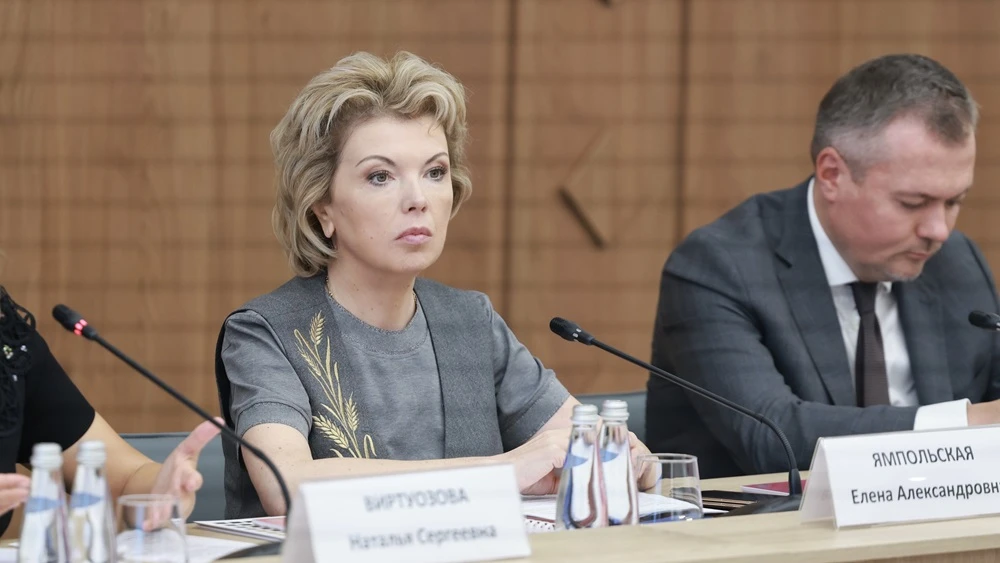
The latest meeting of the board of the Council under the National Centre RUSSIA for the Development and Promotion of a New Russian Style in Public Spaces was held at the National Centre RUSSIA on 23 September.
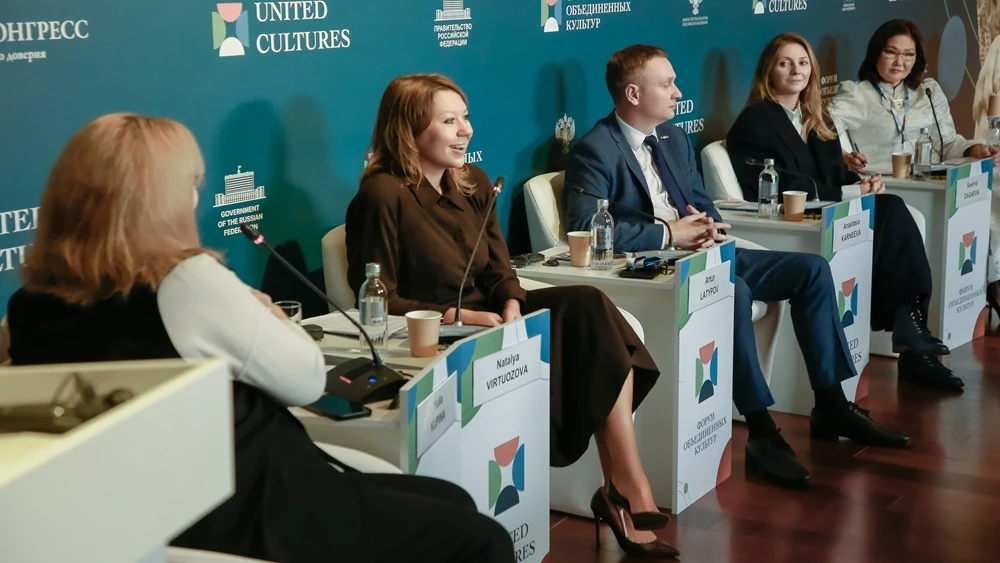
The International Ethnographic Triennial (IET) is a project that reinterprets Russia's cultural legacy.
Travel to Altai, see whales in Kamchatka or plan a trip to Grozny — the main thing is always to travel as a family.


