


Magic as it is: anthropologist Stanislav Drobyshevsky on how an attempt was made to replace bronze with stone in Siberia
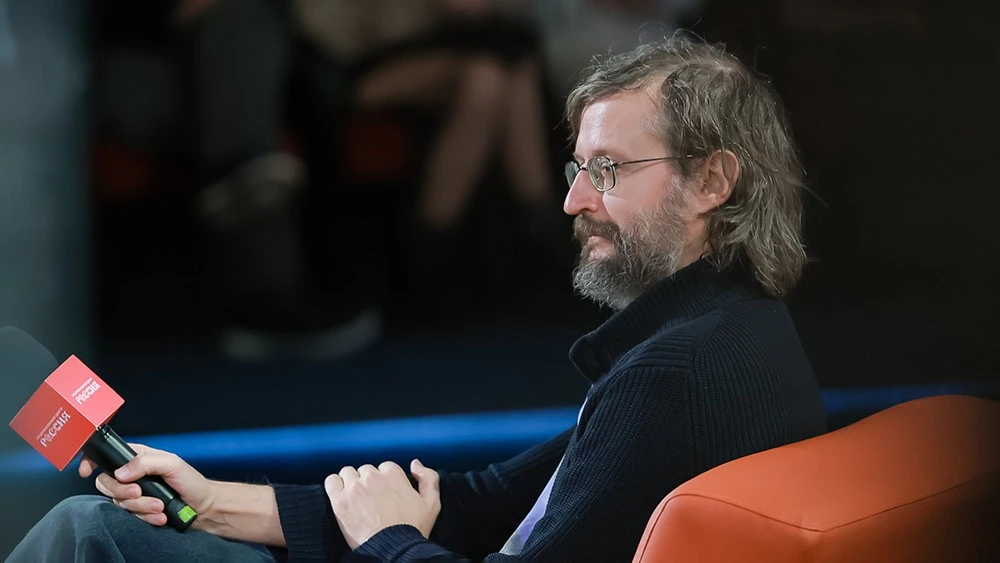
The first
meeting of the new educational project at the National Centre RUSSIA —
"Conversations with Stanislav Drobyshevsky" — focused on the earliest inhabitants of Siberia. The host of the project, anthropologist and Associate
Professor at Lomonosov Moscow State University, Stanislav Drobyshevsky, spoke
in detail about how metal was explored across this vast territory — or rather,
how it was not. As long as, according to him, the Bronze Age in Siberia
unfolded very differently from elsewhere.
After the
Neolithic came the Bronze Age. However, across much of Siberia, this period
remained largely nominal.
"Yes,
people in Siberia were familiar with bronze objects — just as they later became
familiar with iron. But they did not concern themselves much with it, because
in case of mastering work with these metals they first would have to extract
ore and then smelt it. And when your settlement is a tiny one, and consists of
just 20 people, transporting ore and processing it becomes extremely complicated.
So a significant part of the population simply did not engage with it,"
explained Stanislav Drobyshevsky.
A vivid
example of this "formal" acquaintance with metal is stone arrowheads
imitating bronze ones. The anthropologist demonstrated on a slide of his
presentation a slate arrowhead featuring a longitudinal ridge — a pilaster —
running along its centre.
"Imagine
a craftsman skilled in making stone tools. At some point, he sees a bronze
arrowhead and is allowed to hold it. He understands immediately that the bronze
one is far superior in every respect. It even shines — freshly made copper or
bronze is very beautiful. But carving such a raised ridge out of stone is
extremely difficult and time-consuming. It requires prolonged polishing and serves
no practical purpose," he continued.
According to him, the bronze original holds this ridge as a stiffening rib — a functional technological element. In stone, however, it becomes entirely useless, which led craftsmen to attribute magical properties to it: "He takes a piece of slate and carves a similar arrowhead, working long and hard. But sooner or later it breaks in half. 'That must mean there's also a special spell involved. If only I knew the magic word, it would have worked,'" he said.
As the
anthropologist noted, this kind of magical thinking remains familiar even
today, and everyone can think of their own examples. At the same time, he said,
in southern Siberia the Bronze Age was far more advanced. Fully developed
bronze-casting cultures existed there, including the Afanasievo, Okunev,
Karasuk, Andronovo, and the Seima-Turbino phenomenon.
"In
the southern mountains of Siberia, there are abundant ore deposits — copper and
tin. Here, fully developed pastoral cultures emerged, moving across the steppe.
It is noteworthy that in the early Bronze Age, migration waves mostly moved
from west to east — from the European part into Siberia. But there were also
reverse movements. For example, the Seima-Turbino intercultural phenomenon
involved waves moving both through the steppe and the taiga from east to west —
also with fully developed bronze casting," concluded Stanislav
Drobyshevsky.
"Conversations
with Stanislav Drobyshevsky" is an original educational project by the
National Centre RUSSIA, with Stanislav Drobyshevsky as its host. Participation
in these discussions on fascinating discoveries and research in anthropology is
free of charge, but prior registration on the website russia.ru is required.
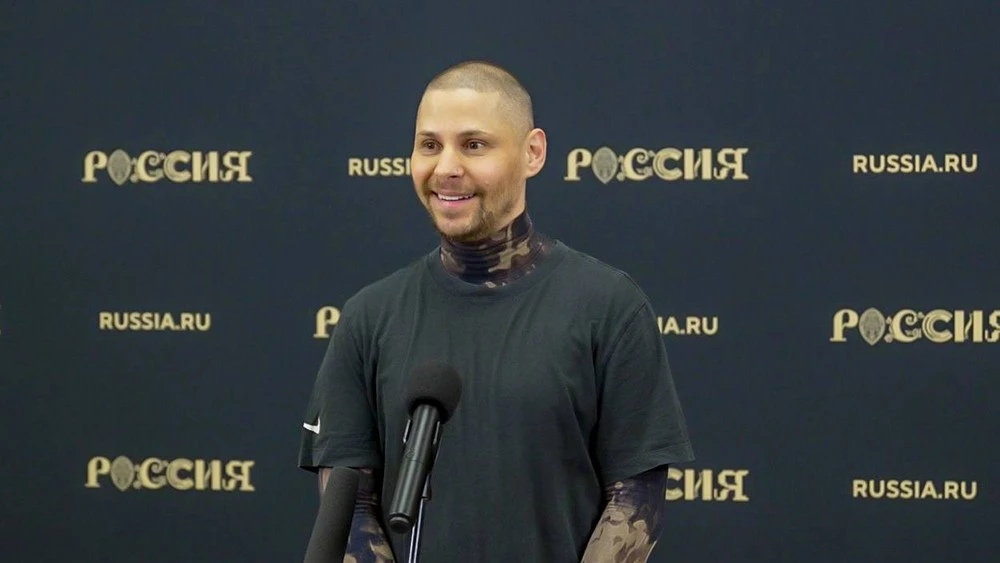
Dance is a language that needs no translation and speaks directly to the audience's emotions.
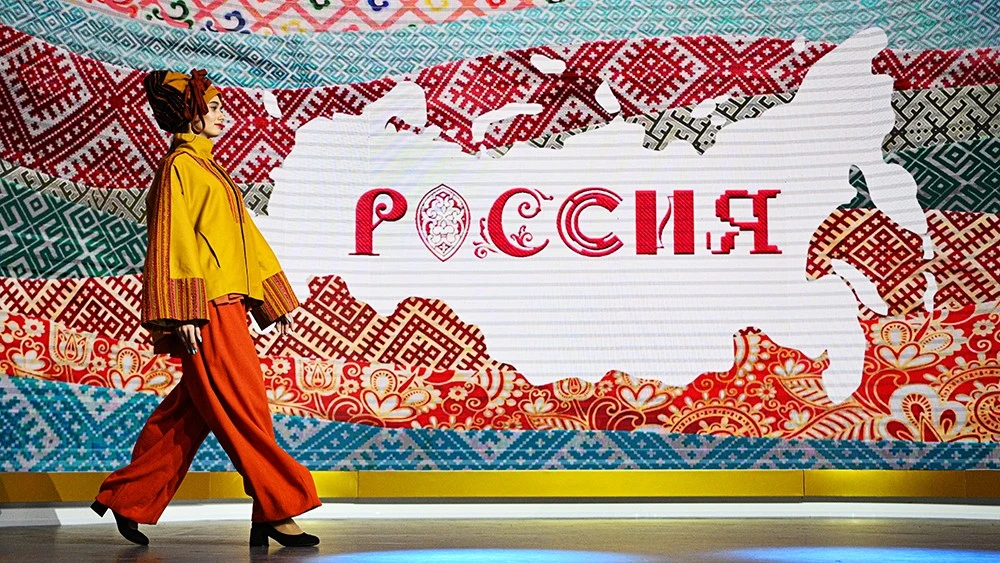
Study by Polylog Consulting Group: the International RUSSIA EXPO has become one of the events recognised abroad.
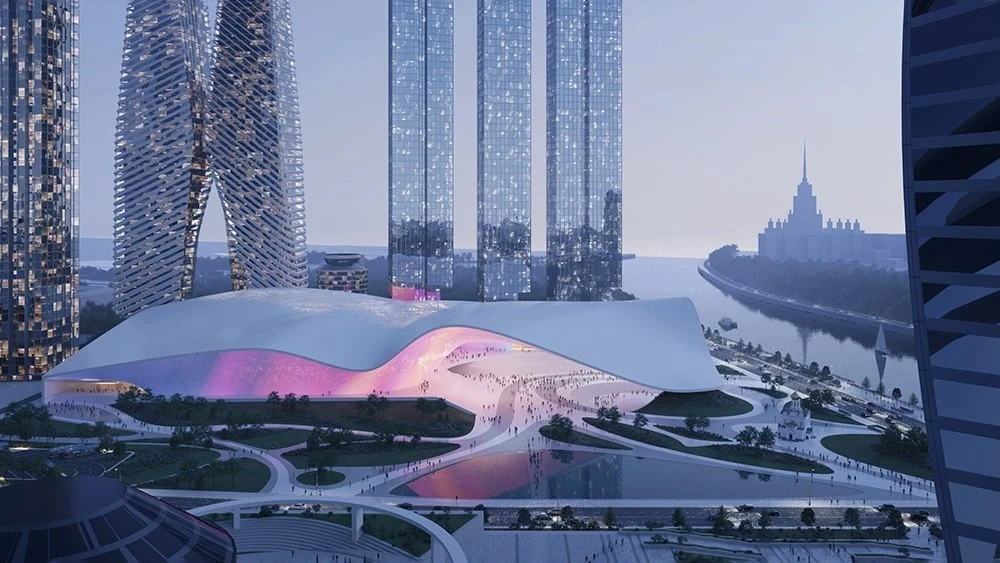
The new building of the National Centre RUSSIA, the construction of which was officially launched by the President of Russia, Vladimir Putin, will feature a unique self-supporting roof.


